



















Presentation
Flammarion is one of France’s major historic publishing houses. Founded in Paris in 1875 by Ernest Flammarion and Charles Marpon, it developed around an ambition that extended beyond literary publishing alone: circulating books, making knowledge accessible and reaching readers with widely differing interests. Its history therefore reflects several major transformations in the book industry, from the rise of affordable popular editions to the establishment of influential paperback collections, alongside the development of children’s literature and the humanities.
Flammarion’s identity emerged from the intersection of bookselling, literature and popular science. Ernest Flammarion was the brother of Camille Flammarion, an astronomer and science writer whose works achieved considerable success in the late nineteenth century. The company’s early development relied as much on illustrated books and literary publications as on a determination to bring scientific discoveries and knowledge to a wider readership. This combination helped establish a general-interest publishing identity long before the term acquired its modern meaning.
Over the decades, Flammarion brought together writers from different generations and literary traditions. Émile Zola, Alphonse Daudet, Guy de Maupassant, Colette, François Mauriac, Jules Romains, Henri Troyat and Françoise Sagan were among the authors who contributed to its history. The house also welcomed contemporary voices such as Michel Houellebecq, Christine Angot, Jean-Christophe Rufin and Brigitte Giraud, whose works reflect the diversity of its literary output. This continuity does not represent a single aesthetic movement: Flammarion has brought together popular fiction, ambitious novels, personal narratives, international literature and works engaging with the debates of their time.
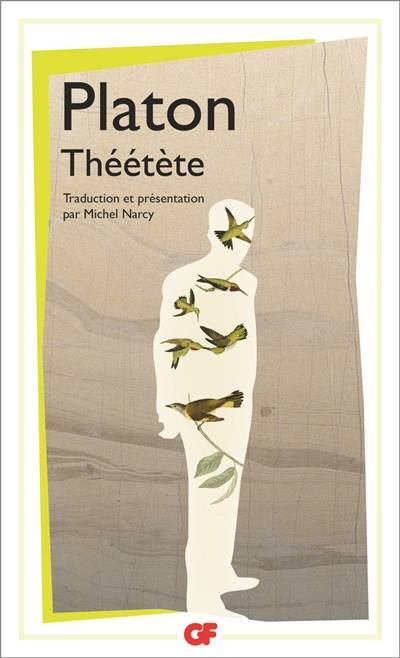
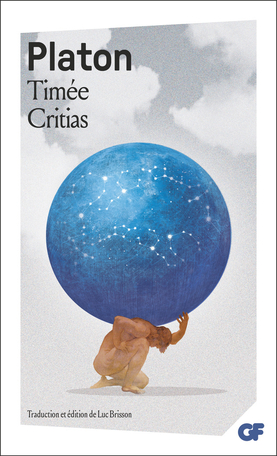
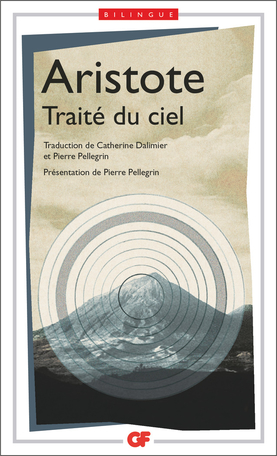
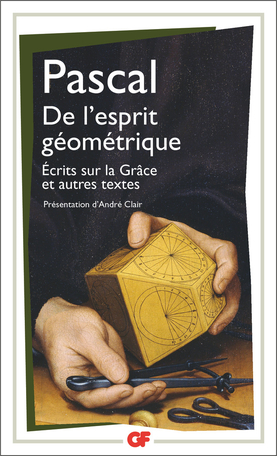
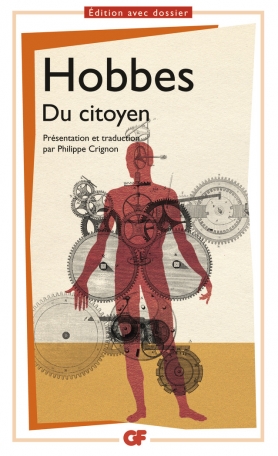
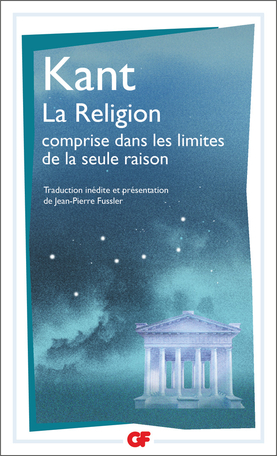
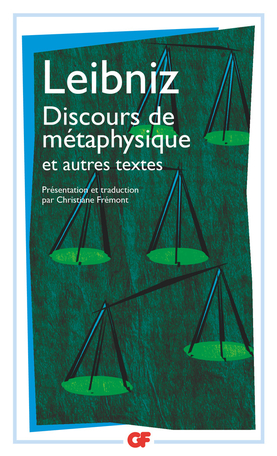
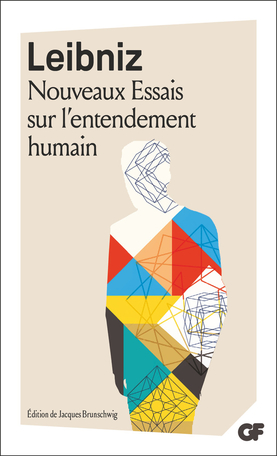
The dissemination of knowledge is another essential dimension of its catalogue. From its earliest decades, Flammarion published works on science, history and philosophy before developing collections structured around research and intellectual inquiry. Authors such as Henri Poincaré, Vladimir Jankélévitch, Fernand Braudel, Jacques Derrida and Emmanuel Le Roy Ladurie contributed, at different periods and through different publishing initiatives, to this tradition. The GF and Champs collections continue this approach by making classics, translations, essays and reference works available to readers, accompanied, depending on the volume, by appropriate scholarly commentary.
Flammarion also holds a distinctive place in children’s literature. The creation of the Albums du Père Castor in 1931 by Paul Faucher transformed the way books for children were conceived. Illustration, educational thinking and attention to the young reader’s experience became central elements of a genuine publishing project. The Père Castor picture books, followed by later reading collections, accompanied several generations of children and helped establish Flammarion as a lasting presence in family and school libraries.
This diversity also extends to art books, illustrated publications and works devoted to travel, photography, gastronomy, science and cultural practices. Flammarion is therefore defined by more than its best-known authors or literary prizes. Its influence also rests on the creation of enduring collections, the preservation and development of its backlist, and its ability to adapt books to different purposes: discovering a work, exploring a subject in depth, preparing for academic study or simply reading for pleasure.
After more than a century of family ownership, the company underwent several changes of ownership. It joined the Italian RCS MediaGroup in 2000 before being acquired in 2012 by Gallimard, within the Madrigall group. Flammarion nevertheless retained its own publishing identity. It must be distinguished from other publishers within its wider corporate environment, including Casterman, Arthaud, J’ai lu, Autrement and Gallimard, whose catalogues and histories cannot automatically be attributed to Flammarion itself.
Today, Flammarion continues to develop an extensive literary and intellectual heritage while publishing new works of fiction and nonfiction. This connection between contemporary creation, the transmission of knowledge and access to books remains the defining thread of its history, from its earliest popular science publications to its most recent titles.
History
1875: Ernest Flammarion and Charles Marpon establish a book business
Flammarion’s history begins in the Odéon district, at the heart of nineteenth-century Parisian literary life. Ernest Flammarion, born in 1846, entered the world of work at a young age before joining the Librairie académique Didier, where he gained commercial experience and developed a thorough understanding of the book market.
On 28 June 1875, he entered into a partnership with bookseller Charles Marpon, already established in the galleries of the Odéon theatre. Their business initially combined bookselling, distribution and book trading. The two men gradually developed a network of sales outlets and began publishing their own titles in 1876.
These commercial origins were decisive. Flammarion did not emerge from a literary journal or a circle of writers, but from direct knowledge of readers, bookshops and distribution practices. The expansion of its commercial network therefore accompanied the growth of its catalogue, at a time when education was expanding and the reading public was becoming increasingly diverse.
1876–1879: Early publications and the success of astronomy
The first years were devoted to building a catalogue combining illustrated publications, literature and books intended for a broad readership. Marpon and Flammarion took an interest in works issued in instalments, which allowed readers to purchase a book progressively rather than paying the full price at once.
In 1878, they notably participated in an illustrated edition of L’Assommoir by Émile Zola, at a time when naturalist fiction was attracting considerable attention. The house also republished and distributed works by established authors, including Victor Hugo, Jules Michelet and other major figures in literature and history.
The decisive commercial success came from Camille Flammarion with L’Astronomie populaire, published in the late 1870s. Combining scientific explanations, illustrations and educational ambition, the book reached a readership far beyond scientific specialists. It demonstrated that a demanding work devoted to science could also become a major publishing success.
This achievement helped establish the company’s reputation. It also revealed an approach that would remain central throughout its history: offering accessible books without limiting the catalogue to fiction or entertainment.
The 1880s–1890s: Popular publishing becomes a business model
Building on its early successes, Flammarion developed collections designed to expand its readership. The objective was to offer a wide variety of texts at prices that encouraged broad distribution, particularly through economical formats and regularly issued series.
In 1887, the Collection des auteurs célèbres, sold at 60 centimes per volume, helped bring novels and literary works to a large audience. The catalogue included Balzac, Alexandre Dumas, Maupassant, Zola and international writers. Other initiatives, such as the Bibliothèque pour tous, established in 1891, continued this policy of accessibility.
The house was not limited to works already recognised by literary tradition. It also published popular writers, adventure stories, practical books and illustrated publications. The works of Hector Malot, the humorous writings of Alphonse Allais and the speculative fiction of Captain Danrit illustrate this breadth.
The ambition to reach a mass readership also reflected the contradictions of publishing at the time. In 1886, Marpon and Flammarion published Édouard Drumont’s La France juive, an antisemitic pamphlet issued at the author’s expense that achieved wide circulation. This episode forms part of the company’s history and demonstrates that its commercial development was also embedded in the ideological and political tensions of late nineteenth-century France.
Following Charles Marpon’s death in 1890, Ernest Flammarion continued expanding the business. The Flammarion name gradually became established, while the catalogue grew and the publishing house strengthened its position in the French book industry.
1902: The Bibliothèque de philosophie scientifique
At the beginning of the twentieth century, Flammarion considerably strengthened its publishing activity in science and intellectual thought.
In 1902, Ernest Flammarion established the Bibliothèque de philosophie scientifique with Gustave Le Bon, a collection intended to disseminate works on science, psychology, philosophy and history. It notably published La Science et l’Hypothèse by Henri Poincaré, an influential work in which the mathematician examined the foundations and methods of scientific knowledge.
The collection was not merely an exercise in elementary popularisation. It enabled researchers and intellectuals to present their work beyond specialist journals and strictly academic publications. Several titles became lasting reference works, while the catalogue gradually opened up to French and international scientists and thinkers.
The Bibliothèque de philosophie scientifique represents an important milestone in Flammarion’s history. It established a lasting relationship between the publishing house and the dissemination of knowledge, later continued through academic collections, essays and humanities publications.
1913–1920: Literature and mass-market collections
On the eve of the First World War, Flammarion already possessed a particularly diverse catalogue. The company developed new collections of accessible literature intended to meet rapidly growing demand for reading material.
In 1914, it launched the Select-Collection, regularly offering inexpensive books by well-known writers. Authors such as Colette, Courteline, the Goncourt brothers and Zola found renewed circulation through this series. Its model depended on a steady publication schedule and the republication of works capable of attracting a broad readership.
At the same time, Flammarion strengthened its relationships with contemporary writers and expanded its literary editorial management. This period marked a transition between the popular publisher of the nineteenth century and a company with several clearly defined publishing sectors.
The family structure remained central. Ernest Flammarion gradually transferred responsibilities to the next generation, notably to his son Charles Flammarion, who took part in the company’s management during the twentieth century.
The 1920s: Colette, Mauriac and the development of literary publishing
The interwar years were an important period for the literature published by Flammarion.
In 1923, Colette published Le Blé en herbe, a novel exploring with subtlety the awakening of romantic feelings, desire and the upheavals of adolescence. The work appeared under the name Colette alone, without the signature used for her earliest publications. The publishing house continued its relationship with the writer during the following years, notably through La Femme cachée, La Fin de Chéri and La Naissance du jour.
Flammarion also published François Mauriac, Paul Morand, Pierre Mac Orlan and numerous popular writers. Romantic fiction, expansive narrative cycles and works of general literature all contributed to the expansion of its readership.
This coexistence of critically recognised literature and mass-market publications became a defining characteristic of the house. Flammarion did not seek to restrict its catalogue to one particular conception of literature. Instead, it developed several publishing approaches capable of responding to different expectations.
1931: Paul Faucher creates the Albums du Père Castor
One of the most enduring innovations in Flammarion’s history occurred in 1931 with the creation of the Albums du Père Castor, conceived by Paul Faucher.
A bookseller at Flammarion since the 1920s, Faucher was interested in progressive educational methods and the New Education movement. He regarded books as tools for discovery, observation and learning, but also as objects capable of stimulating children’s curiosity and imagination.
The first albums departed from certain conventions of traditional children’s books. They favoured manageable formats, a close relationship between text and illustration, and stories suited to young readers’ ways of perceiving the world. Pictures were no longer merely decorative: they became essential to understanding the narrative and shaping its rhythm.
The project was based on international collaboration between writers, illustrators and educational thinkers. Artists and creators from several European countries contributed to this publishing venture, bringing together different graphic and educational approaches.
Books such as Roule galette, Poule rousse, Michka and Apoutsiak, le petit flocon de neige would become classics of children’s literature. Père Castor gradually established itself as a genuine philosophy of publishing for children, with an influence extending far beyond Flammarion’s own catalogue.
The 1930s: Ambitious literary projects
The publishing house continued its literary activity through works of considerable scope.
In 1932, Flammarion began publishing Jules Romains’ Les Hommes de bonne volonté, an extensive novel cycle devoted to French society and its transformations in the early twentieth century. The project eventually comprised twenty-seven volumes published through 1946.
It demonstrated Flammarion’s ability to support a writer over a long period, beyond the publication of an individual novel. The undertaking involved sustaining an ambitious literary construction based on multiple characters, social environments and perspectives.
The house also published popular fiction and numerous essays. By the time Ernest Flammarion died in 1936, the company possessed a substantial backlist and a publishing identity that had developed across several generations of readers.
1939–1945: War, Occupation and editorial responsibility
The Second World War profoundly disrupted the conditions under which books were published and distributed in France. Like other major publishers, Flammarion had to operate under censorship, material restrictions and pressure imposed on the industry during the Occupation.
This period included controversial publishing decisions. The house notably published works and pamphlets associated with Vichy regime propaganda, as well as the catalogue for the exhibition devoted to sculptor Arno Breker in 1942. Other publications resulted from pressure exerted by the occupying authorities.
Following the Liberation, Charles and Armand Flammarion received temporary professional sanctions connected to certain publications issued during this period. These episodes belong both to the company’s history and to the broader history of responsibility within French publishing during the war.
In 1945, Flammarion also received the Prix Goncourt for Mon village à l’heure allemande by Jean-Louis Bory, a novel set in occupied France. The award accompanied the recovery of literary activity in the immediate postwar period.
1945–1960: Rebuilding and diversifying the catalogue
The postwar years opened a new phase of growth. Flammarion continued publishing literature while developing its scientific, historical, medical and documentary output.
The company notably strengthened its medical publishing activities with the establishment of Éditions Médicales Flammarion in 1945. It also published reference works and documentary narratives that achieved wide circulation.
In 1948, Le Grand Cirque by Pierre Clostermann, recounting his experiences as a pilot during the Second World War, became an enormous success. The book illustrated the growing importance of personal accounts, testimony and real-life adventure within the catalogue.
In literature, Henri Troyat, Guy des Cars, François Mauriac and other writers helped sustain a substantial readership. International literature also developed, notably with authors such as Alberto Moravia, several of whose novels were translated and published by the house.
Flammarion now operated through an editorial structure in which general literature stood alongside specialised publishing sectors, while retaining a particular focus on wide distribution.
1958: J’ai lu and the democratisation of paperback publishing
In 1958, Frédéric Ditis and Henri Flammarion helped establish J’ai lu, supported by other publishers, notably Robert Laffont and Le Seuil.
The initiative formed part of the expansion of paperback publishing, which profoundly transformed access to reading in postwar France. Books became easier to carry, less expensive and available through a growing number of retail outlets.
J’ai lu gradually developed a catalogue encompassing general literature, popular novels, crime fiction, science fiction and romantic fiction. Over time, specialised collections contributed to the creation of a distinct identity, separate from Flammarion’s hardcover publications.
The initiative illustrates the strategic importance of paperbacks to the wider group, but also the need to distinguish the Flammarion publishing house from the publishing structures it helped establish or develop.
1962–1968: Humanities, research and literary classics
The 1960s were a decisive period for the intellectual development of Flammarion’s catalogue.
In 1962, Fernand Braudel took charge of the Nouvelle Bibliothèque scientifique, continuing and renewing the tradition established by the Bibliothèque de philosophie scientifique. The house published works by historians, philosophers and researchers who contributed to the transformation of the humanities.
Vladimir Jankélévitch, Georges Gurvitch and Emmanuel Le Roy Ladurie were among the authors associated with this development. Specialised collections also made it possible to explore contemporary history, sociology and changing research methods.
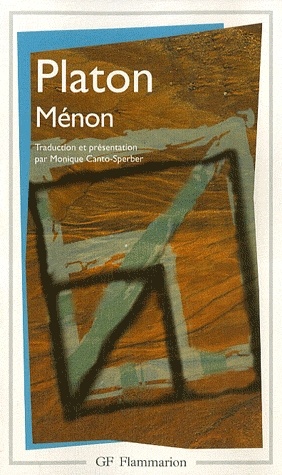
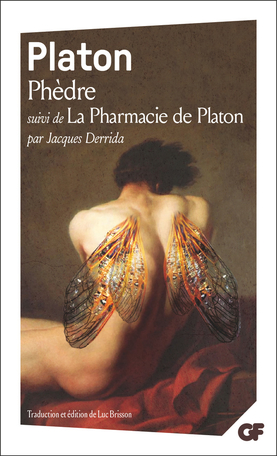
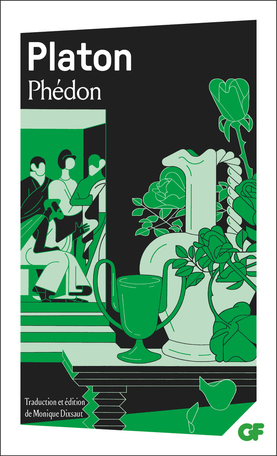
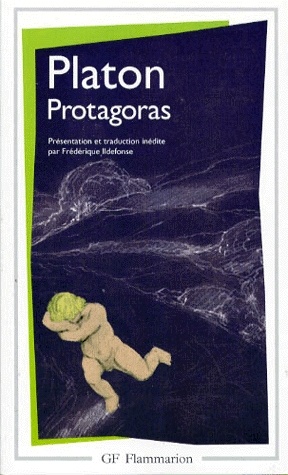
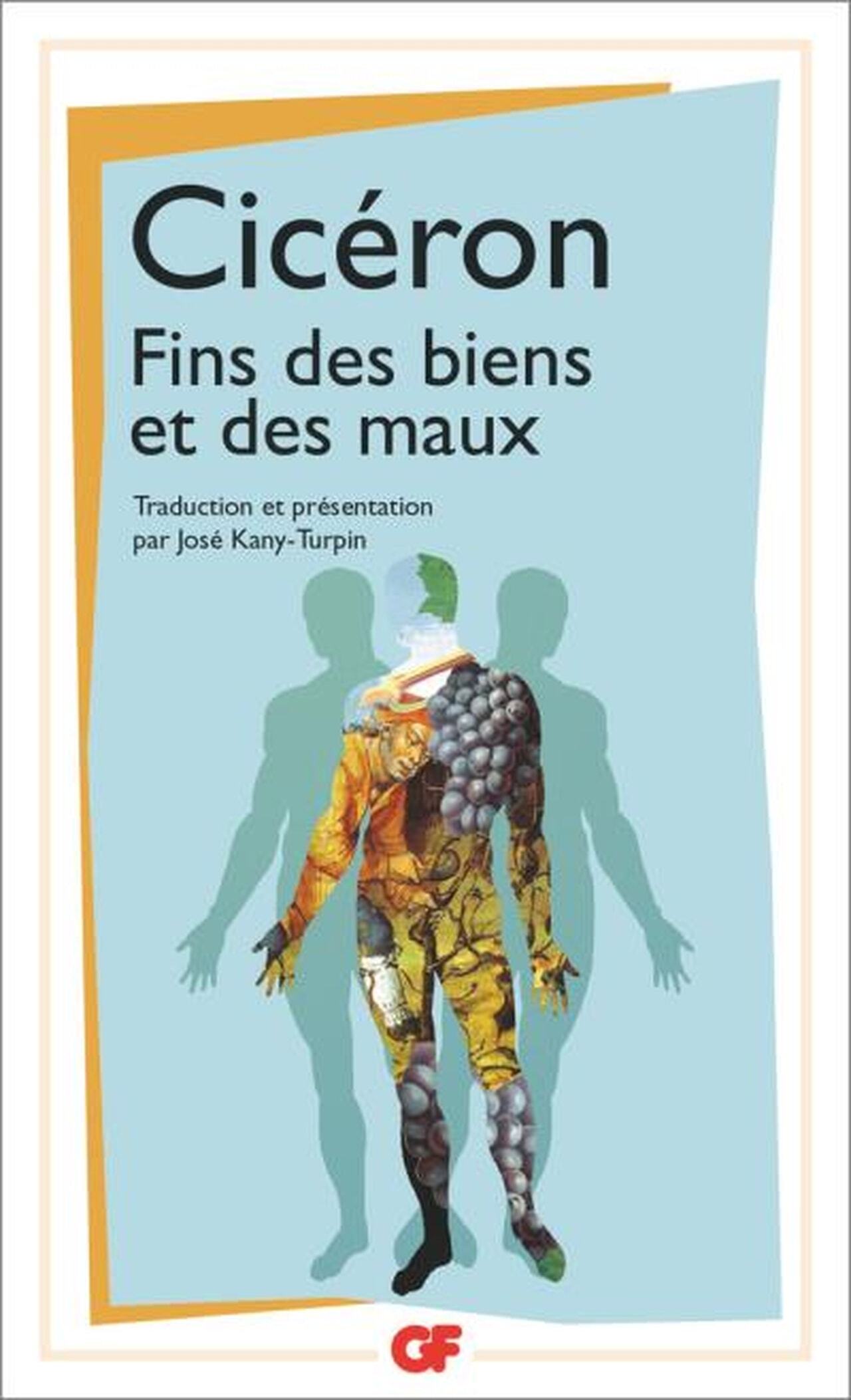
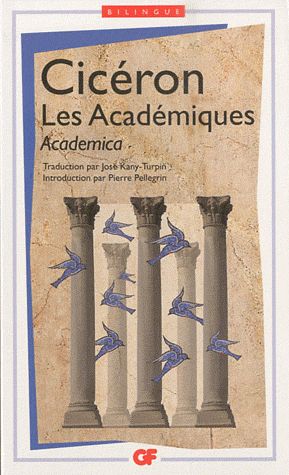
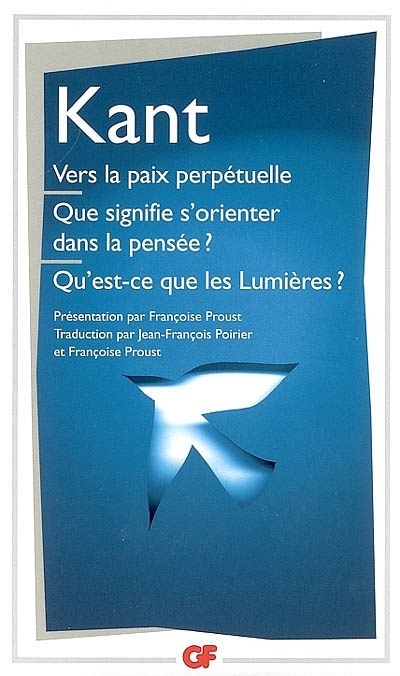
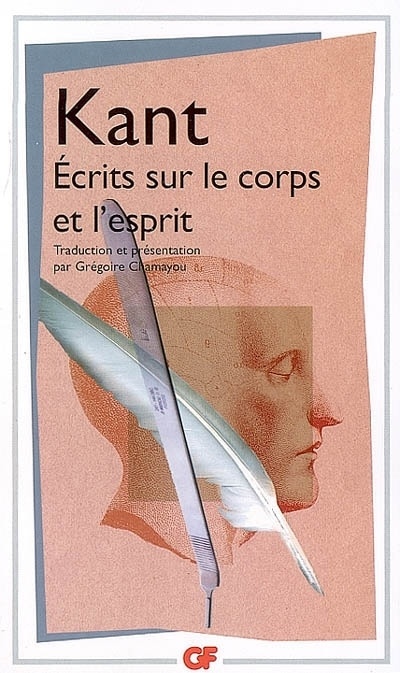
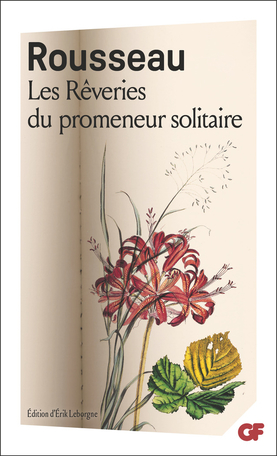
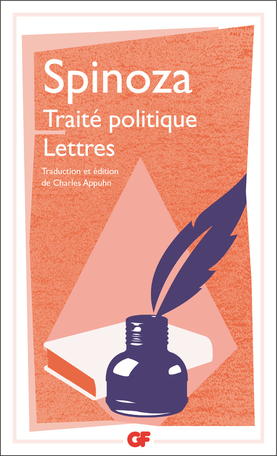
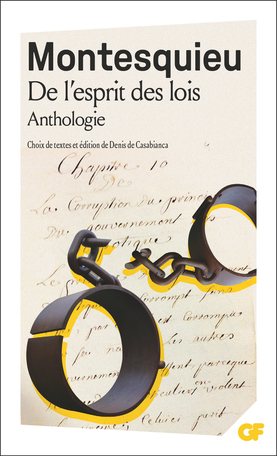
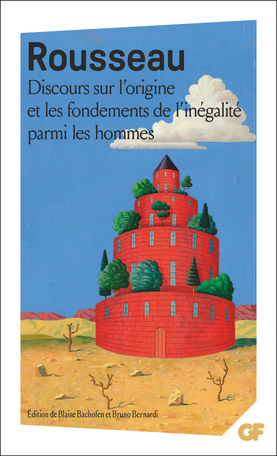
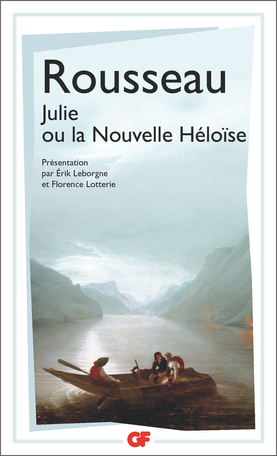
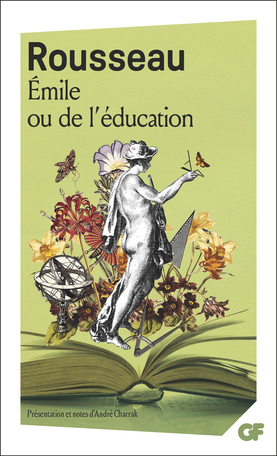
In 1964, Flammarion joined forces with Garnier to launch Garnier-Flammarion, a paperback collection later known as GF. Its principle was to publish major literary and philosophical works in affordable editions enriched with translations, introductions and explanatory notes.
The initiative became highly influential in French secondary and higher education. It combined affordability with intellectual rigour, without restricting access to literary and philosophical classics to expensive scholarly editions.
Flammarion thereby consolidated two complementary approaches: publishing contemporary research that advanced knowledge and supporting the reading of major works from the cultural heritage.
The 1970s: The expansion of knowledge, art books and specialised publishers
During the 1970s, Flammarion expanded its publishing activities even further.
The house developed its lists in history, philosophy, humanities and art, while new collections welcomed works examining political, social and cultural transformations. Publications by Jacques Le Goff, Jacques Derrida, Sarah Kofman and Jean-Luc Nancy, across different editorial settings, reflected this openness to research and intellectual debate.
Art publishing also became increasingly important. Flammarion developed major monographs devoted to artists and art history, alongside international co-editions that allowed illustrated books to circulate across different markets. This activity required specialised expertise in image reproduction, production and graphic design.
The company also continued expanding by integrating specialised publishing houses. It notably acquired Aubier in 1975, La Maison rustique in 1976 and Arthaud in 1977. These acquisitions enriched its broader publishing activities in academic literature, practical subjects, travel and adventure.
However, a distinction must be maintained between the expansion of the group and the publishing output of Flammarion itself. The acquired companies retained their own catalogues and identities, which should not automatically be attributed to their parent publisher.
1977: Champs, a collection devoted to ideas and knowledge
The creation of Champs in 1977 represented a major step in Flammarion’s paperback strategy.
Champs was designed particularly to republish and distribute works on history, philosophy, humanities, art and intellectual thought. Among its earliest authors were Vladimir Jankélévitch, Robert Escarpit and Emmanuel Le Roy Ladurie.
Unlike GF, primarily associated with the publication of classics and works from the literary and philosophical heritage, Champs placed considerable emphasis on essays and research addressing contemporary questions. Its books could become enduring reference works while continuing to contribute to intellectual debate.
The collection gradually expanded across several disciplines and helped give new life to texts that had sometimes originally appeared in more expensive formats.
With GF and Champs, Flammarion now possessed two complementary means of disseminating literature and knowledge.
1980–1995: Literature, children’s books and the renewal of publishing collections
The 1980s were marked by the continuation of several important editorial directions.
In 1980, Le Jardin d’acclimatation by Yves Navarre received the Prix Goncourt. The award confirmed Flammarion’s place in contemporary literature. The house also published popular fiction and works by established authors while welcoming new literary voices.
Children’s publishing continued to evolve after Paul Faucher’s death in 1967. His son François Faucher continued the Père Castor project and developed new formats. In 1980, the Castor poche collection extended the offering to older children, placing particular emphasis on novels and independent reading.
In intellectual and documentary publishing, Flammarion responded to changes in French society through books devoted to history, politics, humanities and social issues.
The appointment of Françoise Verny to the editorial management team in 1986 represented another important step. She contributed to renewing the literary catalogue, welcoming new writers and developing ambitious publishing projects.
At the same time, paperback collections continued to diversify. Dominos, established in 1993, focused on short introductions to various fields of knowledge. Librio, launched in 1994, offered short and inexpensive works, including literature, narratives and books from different genres. In 1995, Étonnants Classiques adapted the principle of annotated and contextualised editions to the needs of younger readers and education.
These initiatives show that Flammarion continued experimenting with different formats according to readers’ needs and expectations.
1996–2000: Group expansion and the emergence of Michel Houellebecq
By the 1990s, Flammarion had become a publishing company of considerable size.
In 1996, part of its share capital was listed on the stock exchange to support further development. The move represented a significant change for a group that had previously been strongly organised around family ownership.
In literature, the arrival of Raphaël Sorin as director of French literature accompanied new publications. In 1998, Flammarion published Les Particules élémentaires by Michel Houellebecq, a novel that generated widespread controversy and became a major literary event. The work notably examined changes in human relationships, the legacy of the sexual revolution and the contradictions of contemporary society.
The novel’s success increased Flammarion’s visibility in French literary creation. Houellebecq subsequently published Plateforme in 2001 before temporarily continuing his career with another publisher.
In 1999, the Flammarion group acquired the publishing operations of Casterman, the historic Belgian publisher of comics and children’s books. The acquisition considerably broadened the group’s cultural activities without merging Casterman’s publications into the catalogue of Flammarion itself.
The end of the decade thus brought together corporate expansion, literary renewal and a transformation of the group’s economic model.
2000–2012: The period of Italian ownership
In 2000, the Flammarion family sold control of the group to the Italian company RCS MediaGroup, also associated with the Rizzoli name.
The acquisition ended more than a century of family control. Flammarion became part of an international media and publishing organisation while retaining its name and principal activities.
During the 2000s, the house continued developing its literary and documentary catalogue. Teresa Cremisi, appointed to lead the company in 2005, contributed to refreshing its publishing programme and welcoming contemporary writers and essayists. She notably developed the Café Voltaire collection, devoted to short essays and intellectual contributions.
Authors such as Christine Angot, Jean-Christophe Rufin, Marc Dugain, Catherine Millet and Doris Lessing contributed to the diversity of publications during this period.
In 2010, Michel Houellebecq’s return to Flammarion with La Carte et le Territoire was rewarded with the Prix Goncourt. The novel confirmed the house’s ability to support literary works that attracted both critical recognition and a broad readership.
2012: Flammarion joins the Madrigall group
In 2012, Gallimard acquired Flammarion from RCS MediaGroup. The transaction led to its integration into Madrigall, a French publishing group controlled by the Gallimard family.
The acquisition profoundly altered Flammarion’s corporate structure, placing it alongside one of the leading publishing groups in France.
The publishing house nevertheless retained its identity and catalogue. It continued publishing literature, essays, illustrated books and children’s titles, while its established collections continued to develop.
The presence of several historic publishing houses within Madrigall did not mean that their editorial identities were merged. Flammarion, Gallimard, Casterman, J’ai lu and Arthaud represent distinct publishing identities and catalogues, even when their operations belong to a common corporate structure.
This distinction is essential to understanding the group’s contemporary organisation and correctly attributing works to their publishers.
2017–2022: Recognition of its heritage and literary achievements
In 2017, the Père Castor archives were added to UNESCO’s Memory of the World International Register. This recognition highlighted the historical and educational importance of the collection created by Paul Faucher, as well as the value of the documents preserved concerning its conception and production.
The distinction honoured more than the best-known picture books. It brought attention to an entire approach involving writers, illustrators, educational thinkers and publishers, whose methods helped transform children’s books.
Flammarion also maintained a literary programme marked by further recognition. In 2021, Christine Angot received the Prix Médicis for Le Voyage dans l’Est, a narrative in which she revisited the incestuous abuse she experienced and its consequences.
In 2022, Brigitte Giraud won the Prix Goncourt for Vivre vite, a work centred on the death of her husband and a reflection on the sequence of circumstances that led to his death.
These two awards illustrate Flammarion’s place in contemporary literature, particularly through works examining memory, human relationships and personal experience.
Since 2022: Continuing a publishing history spanning more than 150 years
Flammarion entered a new period under the leadership of Sophie de Closets, appointed head of the publishing house in 2022.
Its activity continued to rest on several complementary areas: contemporary French and international literature, essays and nonfiction, illustrated books, knowledge-based publications, children’s literature and paperback collections.
The development of digital formats and changing reading habits have added to the traditional challenges of publishing: discovering authors, keeping backlist titles available, renewing collections and responding to changes in the book market.
In 2025, Flammarion celebrated its 150th anniversary. The occasion notably included the publication of Flammarion : 150 ans d’édition et de librairie, a historical study by Pascal Fouché, produced in collaboration with Alban Cerisier.
This history reveals a publishing house that has passed through different economic models and generations of readers without restricting itself to a single field. From the Parisian bookselling trade of the nineteenth century to its major contemporary collections, Flammarion has repeatedly adapted its publishing practices while maintaining an important place in literature and the dissemination of knowledge.
What Sets It Apart
A general-interest publisher built around the circulation of knowledge
One of Flammarion’s defining characteristics is the diversity of its publishing activities, present from its very beginnings.
Unlike publishers that gradually diversified after establishing a reputation in a specific genre, Flammarion developed across several fields from an early stage. Literature, scientific works, popular narratives, history and illustrated books were all part of its founding project.
This breadth does not mean that every discipline has always occupied an equal place. Some periods emphasised literature, others humanities, children’s books or affordable collections. Flammarion’s identity lies precisely in its ability to adjust its priorities without reducing its catalogue to a single speciality.
Making popular science a founding principle
The success of Camille Flammarion’s L’Astronomie populaire was more than a commercial milestone in the history of the house. It represented a conception of the book as an instrument of intellectual discovery.
The work was based on a principle that would become important in scientific publishing: making complex phenomena understandable through clear writing, illustrations and a progression suited to the reader.
The Bibliothèque de philosophie scientifique, followed by later science and humanities collections, continued this approach. They enabled leading researchers to reach audiences beyond academic circles through books intended for wider circulation.
Flammarion therefore helped bring together readerships that were often separated: specialists, students, science enthusiasts and curious readers seeking a better understanding of the world.
GF: Making literary and philosophical classics come alive
The GF collection represents one of Flammarion’s most enduring contributions to the transmission of literary and philosophical heritage.
Its originality lies in combining the paperback format with substantial editorial work. The collection offers works in editions that may include revised translations, introductions, timelines, annotations, bibliographies and supporting documents.
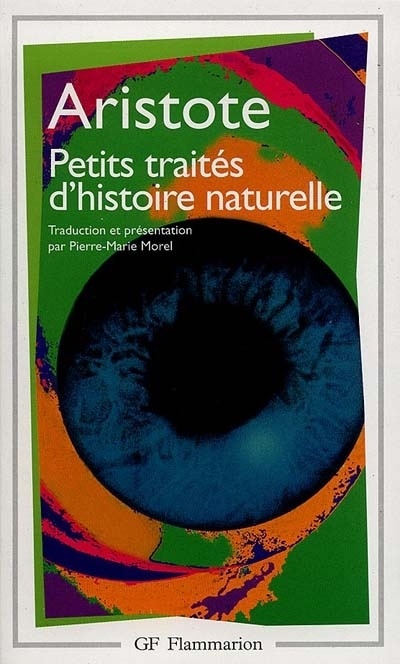
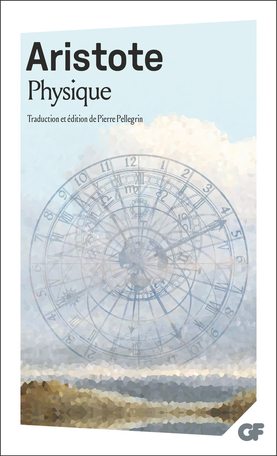
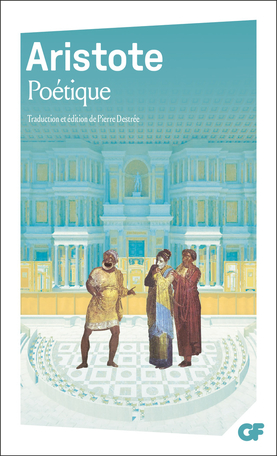
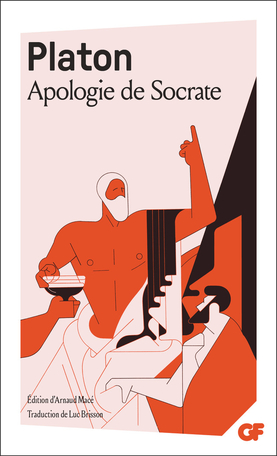
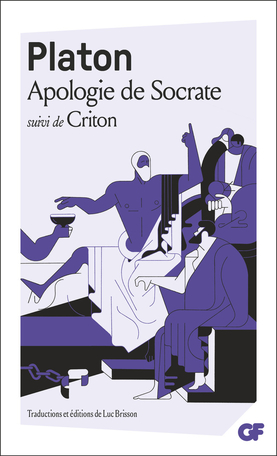
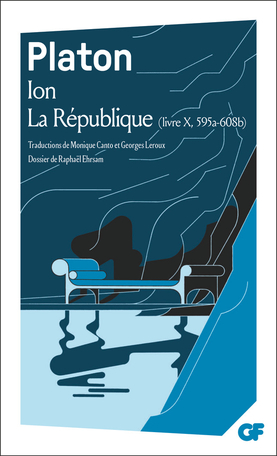
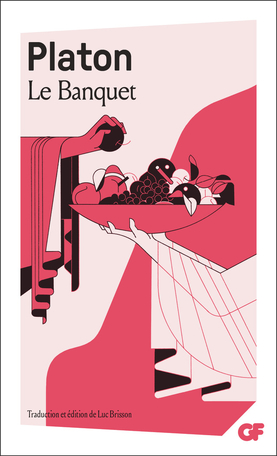
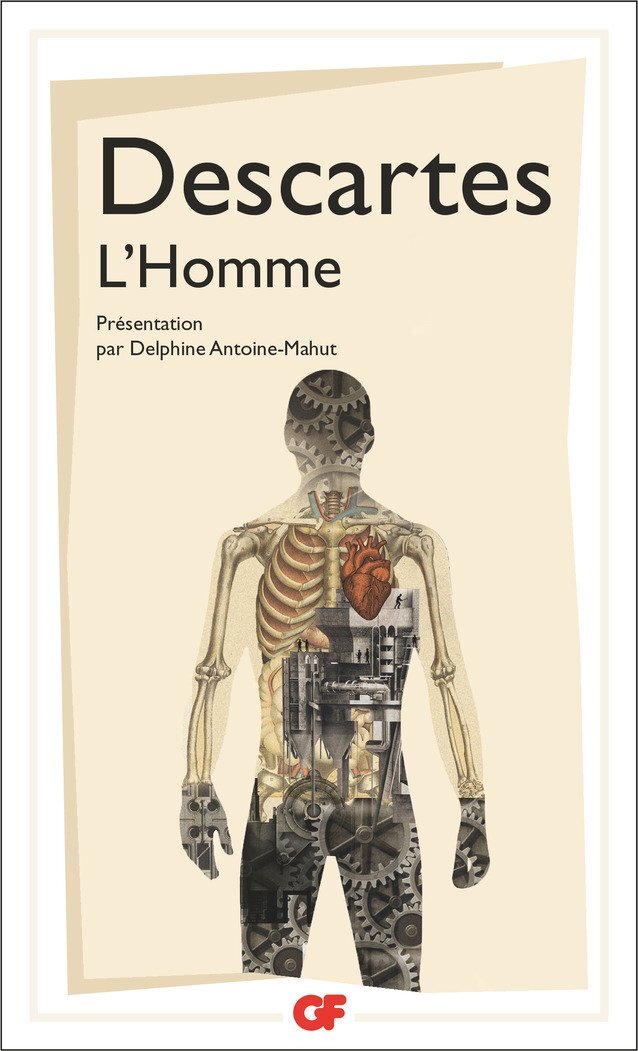
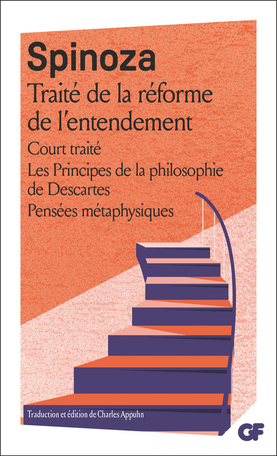
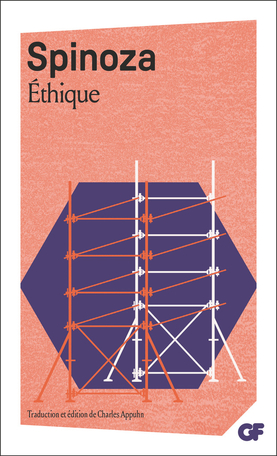
Philosophy occupies an important place, with texts by Aristotle, Plato, Descartes, Spinoza, Kant, Hegel, Nietzsche and other major thinkers. French and international literature benefit from the same principle of editorial guidance.
GF’s importance extends beyond making classics commercially available. Each edition helps situate a work in its context, clarify its difficulties and renew its interpretations. The collection therefore provides a meeting point between academic research, education and individual reading.
Champs: Extending the life of essays and ideas
The Champs collection develops another essential aspect of Flammarion’s identity: ensuring that works contributing to intellectual reflection remain accessible over time.
Philosophy, history, anthropology, sociology, psychology, science and art coexist in a catalogue where disciplines interact rather than remaining confined within rigid boundaries.
Champs does not serve exactly the same purpose as GF. It notably publishes essays and research works whose relevance extends beyond their original publication date. Republication allows new generations of readers to discover or revisit important analyses.
This publishing policy contributes to the development of a lasting reference collection, in which books are not defined solely by the immediate circumstances of their release.
Père Castor: A lasting revolution in children’s publishing
Through Père Castor, Flammarion is associated with one of the major transformations in twentieth-century children’s publishing.
Paul Faucher’s approach rested on a conviction: children should be regarded as readers in their own right, capable of discovering the world through observation, imagination, illustration and experience.
This philosophy changed both storytelling and the physical production of books. Illustrations were conceived in relation to the text, page layouts became part of the narrative, and formats responded to the practical needs of young readers.
Père Castor’s importance therefore rests on more than its famous stories. It also reflects a broader consideration of reading, education and graphic creation. The inclusion of its archives in UNESCO’s Memory of the World Register recognises this contribution to the history of books and educational practices.
Different ways of making books accessible
Flammarion’s history has been shaped by a continuing interest in pricing, format and the conditions that make books accessible.
In the nineteenth century, serialised editions and economical collections helped circulate literary works. In the twentieth century, the growth of paperbacks, J’ai lu, GF and Champs responded to the expansion of the reading public. Later, Librio offered another approach through short, inexpensive publications.
Accessibility, however, extends beyond price alone. Introductions, translations, educational materials, illustrations and page design also influence how readers can engage with a text.
This diversity of formats reflects a lasting editorial conviction: a book reaches its audience not only through its content, but also through the way it is designed, presented and distributed.
An important role in contemporary French literature
Flammarion is not limited to preserving and transmitting literary heritage. The house also has a long history of supporting new literary creation.
Throughout the twentieth century, it worked with writers as different as Colette, Jules Romains, Henri Troyat, Françoise Sagan and Yves Navarre. These editorial choices reflect highly varied approaches to fiction, from expansive social narratives to intimate accounts and popular novels.
The publication of Michel Houellebecq’s Les Particules élémentaires marked another turning point, with a novel that generated cultural debate extending well beyond literary circles.
More recently, the works of Christine Angot and Brigitte Giraud have illustrated an interest in personal writing, memory and the ways individual experiences can become literary subjects with collective significance.
The house therefore supports literature in its various functions: telling stories, entertaining, questioning, bearing witness and challenging established representations.
A strong tradition of art books and illustrated publishing
Illustrated books have been part of Flammarion’s activities for many years, extending far beyond children’s literature.
Over time, the publishing house developed a catalogue devoted to painting, photography, architecture, cinema and the visual arts. Major monographs, reference works and international co-editions all contributed to this activity.
This sector requires a particular conception of editorial work. The reproduction of artworks, image quality, format selection, page design and physical production become essential components of the content.
Through this tradition, Flammarion demonstrates that a book can function both as a source of knowledge and as a visual object. This attention to form connects, through different means, with some of the principles already present in the Père Castor albums.
Historical continuity through corporate transformation
Flammarion’s longevity is another of its defining characteristics.
Established through a partnership between two booksellers, the house became a major family business before undergoing a stock market listing, acquisition by RCS MediaGroup and integration into Madrigall.
These changes altered its organisation, economic environment and development opportunities. They did not, however, eliminate its principal publishing identities, particularly in literature, knowledge-based publications and children’s books.
Flammarion’s continuity should not be understood as an absence of change. Rather, it lies in the ability to adapt its collections, formats and publishing strategies while maintaining a historical backlist and a recognisable identity.
This relationship between heritage, creativity and changes in the publishing profession helps explain why Flammarion remains an important reference in French literary and cultural life.
Did You Know?
-
Founded in 1875: This date corresponds to the partnership established between Ernest Flammarion and Charles Marpon, while their first publications as publishers began in 1876. The Bibliothèque nationale de France records 1875 as the year of Flammarion’s establishment.
-
Two brothers, two professions: Ernest Flammarion founded the publishing house, while his brother Camille Flammarion was an astronomer, writer and populariser of science. The success of Camille’s publications directly contributed to the company’s early expansion.
-
A historic address: Long established at 26 rue Racine in Paris, Flammarion remains associated with the Odéon district, where the Marpon and Flammarion partnership began.
-
A major scientific collection: The Bibliothèque de philosophie scientifique, established in 1902, notably published Henri Poincaré’s La Science et l’Hypothèse. It represented one of the house’s principal initiatives in scientific publishing during the early twentieth century.
-
GF and Garnier: The Garnier-Flammarion collection was jointly launched in 1964. After the end of that editorial partnership, it continued developing under the name GF, which became familiar to readers of literature and philosophy.
-
Père Castor and UNESCO: The historical archives of Père Castor, rather than Flammarion’s entire children’s publishing catalogue, have been included in UNESCO’s Memory of the World International Register since 2017.
-
Major literary awards: Flammarion has notably published Mon village à l’heure allemande by Jean-Louis Bory, winner of the 1945 Prix Goncourt; Le Jardin d’acclimatation by Yves Navarre, winner in 1980; La Carte et le Territoire by Michel Houellebecq, winner in 2010; and Vivre vite by Brigitte Giraud, winner in 2022.
-
Another major literary prize: Christine Angot’s Le Voyage dans l’Est, published by Flammarion, received the Prix Médicis in 2021.
-
More than 150 years of history: In 2025, the publishing house celebrated its 150th anniversary, notably with Flammarion : 150 ans d’édition et de librairie by Pascal Fouché, produced in collaboration with Alban Cerisier.
-
An essential publishing distinction: Flammarion has belonged to the Madrigall group since 2012. Other publishing houses and imprints associated with this group, such as Gallimard, Casterman, Arthaud, J’ai lu and Autrement.