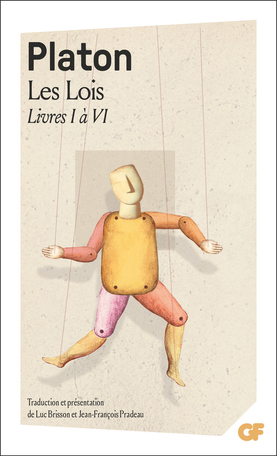
The Laws are undoubtedly the last of the dialogues written by Plato. In the twelve books of this legislative sum of extraordinary ambition, the philosopher pronounces on an exorbitant number of aspects of human and civic life, produces a true political history of humanity, and recalls, with a clarity which has hardly any equivalent in the other dialogues, the general principles of his "physics" and his cosmology: the happiness of the citizen depends on the excellence of the city, which must take a model from the order of the world. The Laws subject the future of the city – its resources, the conflicts that threaten it and the remedies that can be taken, the education of all citizens, their behavior, down to the most intimate, traditional customs and beliefs – to common and intangible principles. This code of written laws scrutinizes the conditions of existence of the excellent city through a rational examination: from the law on the date of fruit picking to that which condemns atheism, including the recommendations relating to sexual mores, nothing escapes the authority of the legislator. The first work of political philosophy and philosophy of law is also one of Plato's masterpieces.
Book
Philosophy
Plato: The Laws
Laws
- Arvensa editions Publisher
Details
- Type
- Book
- Original title
- Laws
- Genres
- Philosophy
- ISBN
- 9782368414750
Synopsis