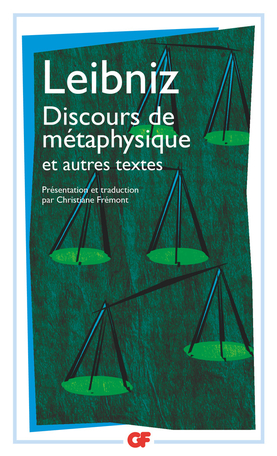
A complex route leads to the Discourse on Metaphysics (1686), considered the first almost perfect exposition (but unknown until 1846) of Leibnite's doctrine. To rehabilitate “substantial forms”, we must in fact deploy a philosophy of conciliation which encourages us to read the concepts of the Ancients under the results of the Moderns. The “Cartesian sect” does not emerge unscathed from this quest at the end of which mechanistic physics finally finds itself founded in metaphysics; and in this restructuring of knowledge, the meditation on contingency and freedom elucidates the controversial relationship between philosophy and theology. The writings gathered here present the debates, polemics, exchanges and treatises which marked these decisive years in the development of what would become Leibniz's system.
Book
Philosophy
Leibniz: Discourse on metaphysics
Discourse on Metaphysics
- EISENBRAUNS Publisher
Details
- Type
- Book
- Original title
- Discourse on Metaphysics
- Genres
- Philosophy
- ISBN
- 9781514665749
Synopsis