A philosophical essay published in 1763 then completed in 1765, the “Treatise on Tolerance” is based on the death sentence in 1762 of the Protestant Jean Calas. Unjustly accused of having killed his son who wanted to convert to Catholicism, he was tried and condemned without evidence by thirteen judges in Toulouse. Denouncing the fanatical religious character which animated this trial, Voltaire first exposes the situation of Jean Calas as well as the principles on which the Protestant Reformation is based. Then, raising his polemical text around the philosophical themes of tolerance and freedom, he demonstrates that intolerance, being neither a divine right nor a natural right, cannot be a human right either. According to him, it comes down to fanaticism, superstition and obscurantism, but in no case to reason. Tolerance, the daughter of reason, is for him a supreme requirement of civilization and society. It is a factor of social peace and mutual respect and no power whatsoever can arrogate to itself the right to bully or persecute men for their religious beliefs. In its incomparable eloquence and elegance of style, Voltaire's "Treatise on Tolerance" remains one of the masterpieces of the great emancipation movement which, from the Age of Enlightenment to the present day, attempts to bring humanity out of obscurantism and fanaticism to lead it towards freedom of conscience, religion and worship.
Book
1763
Philosophy
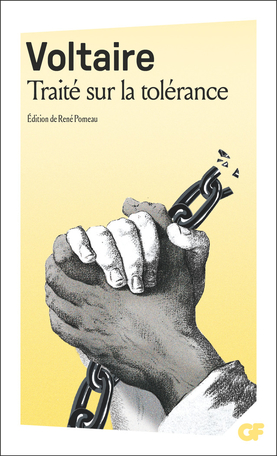
Voltaire: Treatise on Tolerance
Traité sur la tolérance
- République des Lettres Publisher
- Voltaire Author
Details
- Type
- Book
- Release
- 1763
- Original title
- Traité sur la tolérance
- Genres
- Philosophy
- ISBN
- 9782824906010
Synopsis