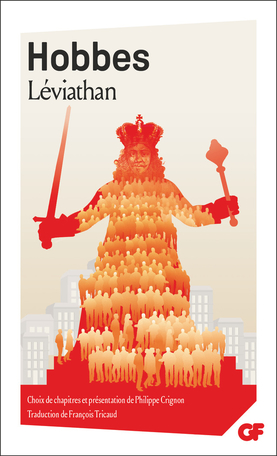
Leviathan by Hobbes (which appeared in 1651) is one of the rare founding texts of philosophy, like Plato's Republic, to which its author compared it. He lays, in fact, the foundations of the modern political tradition, by inventing the myth of sovereignty: considering their natural state, frightened by the deadly exacerbation of their passions, men decided, through their own faculty of wanting and thinking, to equip themselves with a common, artificial law, which an individual or an assembly will have the task of developing and implementing. With Hobbes, history replaces theology: it is no longer in the divine that the law is based, but in humanity.
Book
1651
Philosophy
Hobbes: Leviathan
Leviathan
- Thomas Hobbes Author
Details
- Type
- Book
- Release
- 1651
- Original title
- Leviathan
- Genres
- Philosophy
- ISBN
- 9782072528514
Synopsis