



















































Overview
Columbia, also known as Columbia Records, is an American record label whose origins date back to 1887. One of the oldest surviving brands in the recording industry, it has accompanied the evolution of recorded music from early phonograph cylinders to digital albums. It is now owned by Sony Music Entertainment.
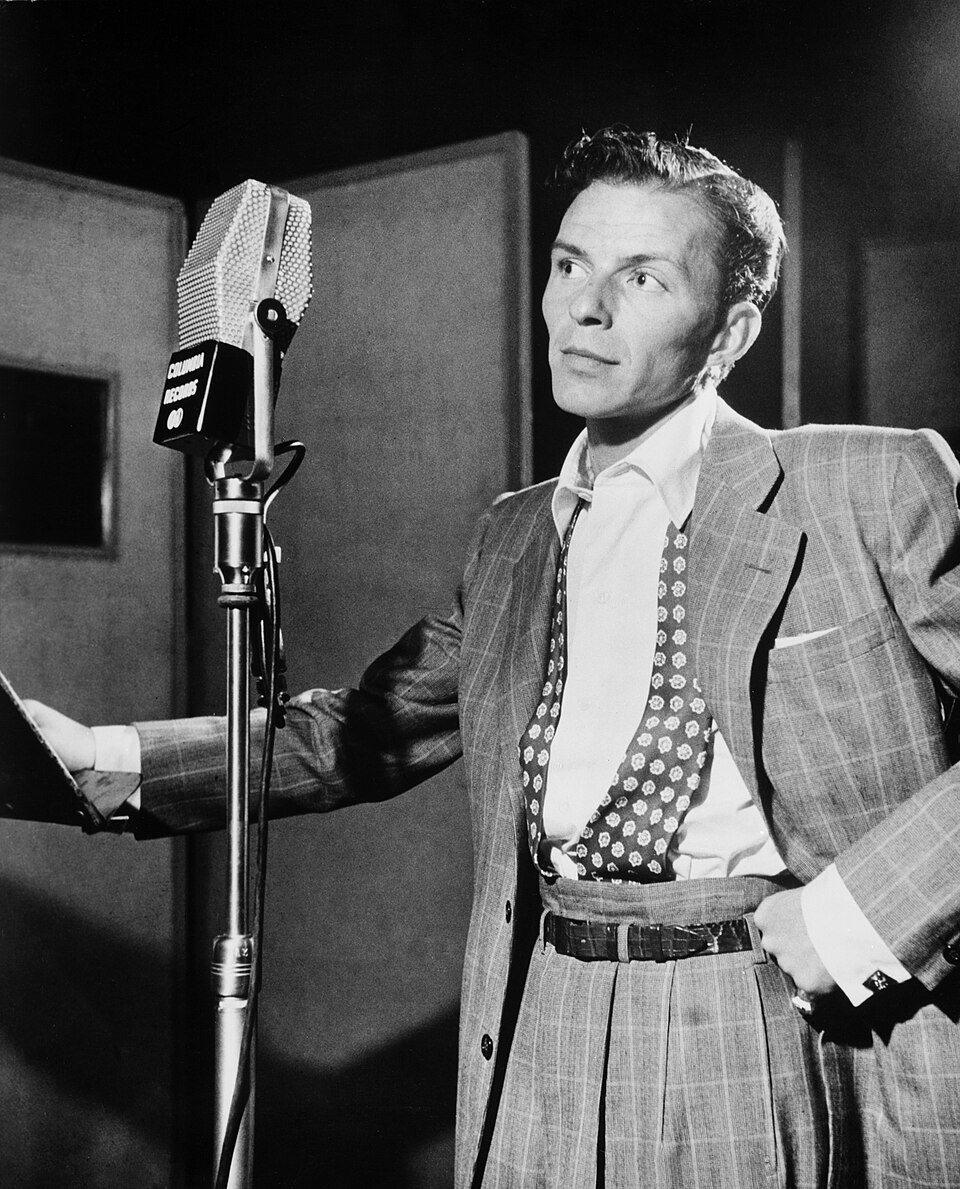
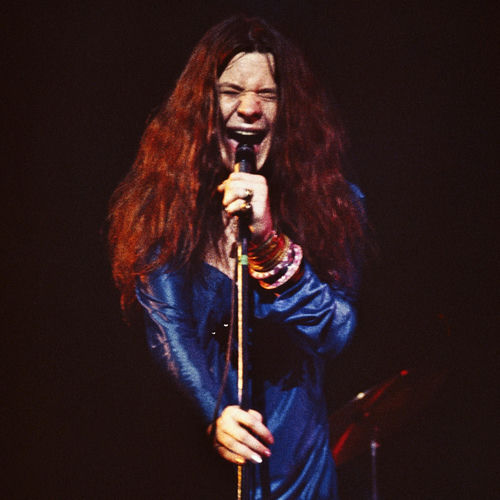
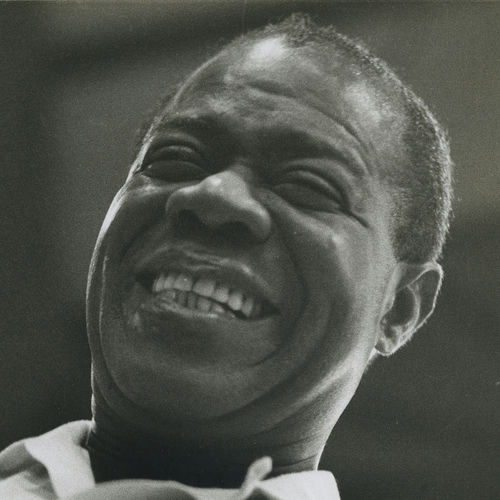
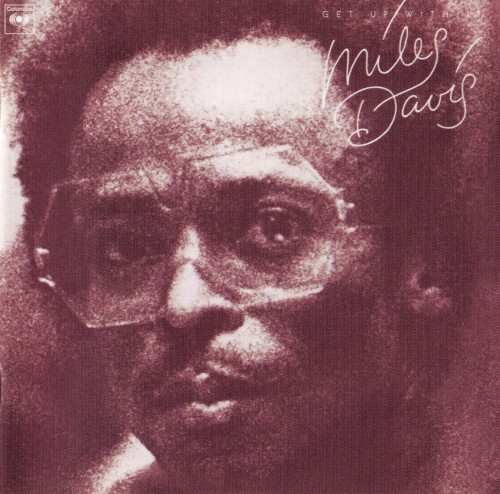
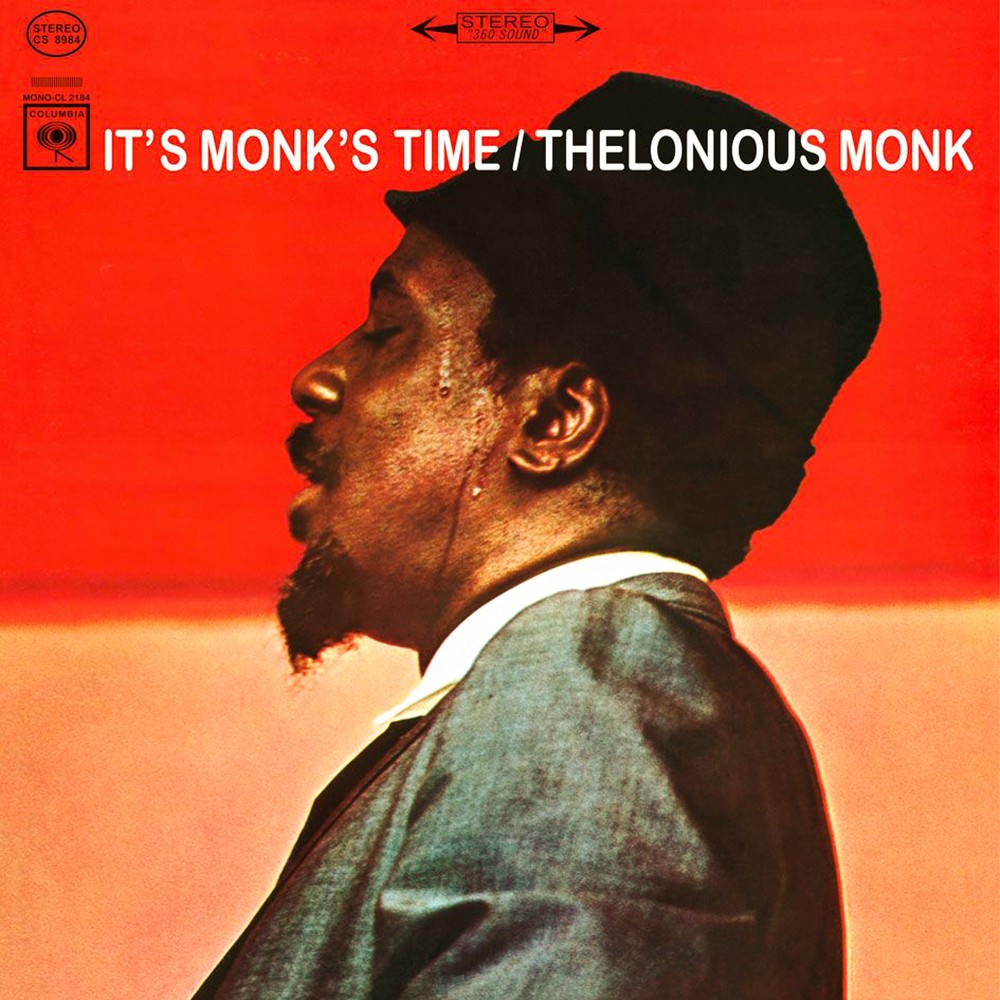
Its catalogue spans much of modern music history. Columbia has released recordings by Frank Sinatra, Louis Armstrong, Billie Holiday, Miles Davis, Thelonious Monk, Charles Mingus, Johnny Cash, Bob Dylan, Santana, Herbie Hancock and Bruce Springsteen. Its repertoire includes jazz, classical music, country, folk, rock, soul and pop.
The label also played a major role in the development of recording formats. In 1948, Columbia introduced the 33⅓ rpm long-playing record, an innovation that helped establish the album as a central format for musical creation and distribution.
Beyond its historical catalogue, Columbia continues to operate within Sony Music, with artists and label divisions active across several international markets.
History
1887-1937 — The beginnings of recorded sound
Columbia's history began in 1887 in the United States with the Columbia Phonograph Company, initially specialising in the sale of phonographs and recorded cylinders.
The company participated in the development of the earliest recorded music markets, at a time when mechanical sound reproduction was still a relatively new technology. It gradually expanded into producing its own recordings and selling disc records.
During the early twentieth century, Columbia contributed to the transition from cylinders to flat discs, which progressively became the dominant medium for recorded music.
The company underwent several industrial transformations and changes of ownership. In 1934, its American operations came under the control of the American Record Corporation, preceding another major development a few years later.
1938-1959 — CBS, the LP and the golden age of jazz
In 1938, Columbia became part of the Columbia Broadcasting System (CBS), which acquired the American Record Corporation. This period strengthened the label's position in the American recording industry.
Columbia expanded its popular, jazz and classical music catalogues. Frank Sinatra's The Voice of Frank Sinatra (1946) illustrates its early artist-focused album releases, at a time when recordings were still primarily marketed on 78 rpm discs.
In 1948, with key contributions from Goddard Lieberson and Edward Wallerstein, Columbia introduced the 33⅓ rpm long-playing microgroove record. This format enabled substantially more music to be recorded on a single disc and profoundly changed listening habits.
During the 1950s, the label worked with several defining figures in jazz. Louis Armstrong Plays W.C. Handy (1954), Miles Ahead (1957), Billie Holiday's Lady in Satin (1958) and Charles Mingus's Mingus Ah Um (1959) demonstrate the diversity of its recordings.
The collaboration between Miles Davis and arranger Gil Evans also produced Porgy and Bess (1958), followed by Sketches of Spain (1960). Columbia additionally released Kind of Blue (1959), which became one of the most influential albums in jazz history.
1960-1987 — Folk, rock, soul and major artists
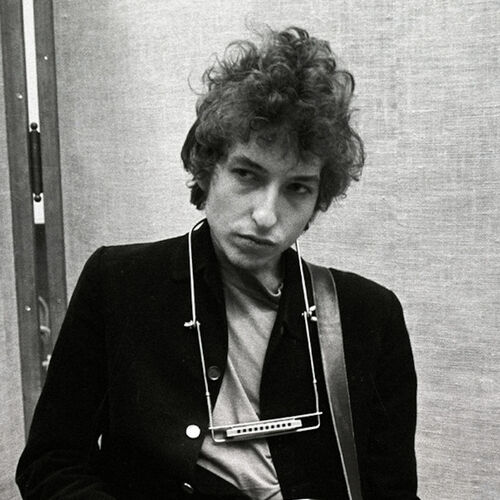
From the 1960s onward, Columbia participated in the transformation of American popular music. Producer John Hammond played an important role in bringing new artists to the label, including Bob Dylan, whose debut album appeared in 1962.
With The Times They Are A-Changin' (1964) and Highway 61 Revisited (1965), Dylan helped reshape the relationship between folk, rock and songwriting.
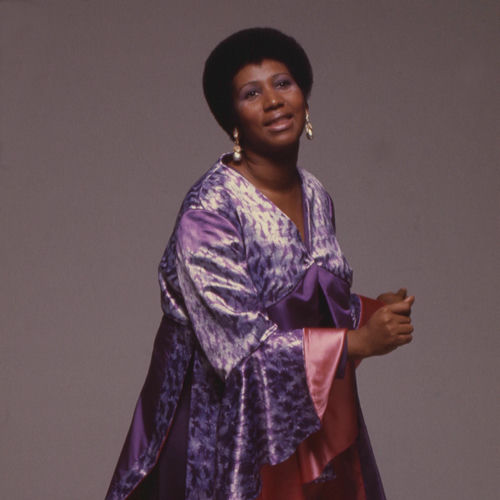
Columbia also worked with Johnny Cash, whose releases included The Fabulous Johnny Cash (1958), The Sound of Johnny Cash (1962) and Hello, I'm Johnny Cash (1970). Aretha Franklin recorded her early albums for the label during the first half of the 1960s before continuing her career at Atlantic Records.
Towards the end of the decade, Columbia embraced new musical directions with Santana (1969), Miles Davis's In a Silent Way (1969) and Janis Joplin's I Got Dem Ol' Kozmic Blues Again Mama! (1969). Pearl (1971), released after Joplin's death, became another landmark in its catalogue.
During the 1970s and 1980s, the label expanded its rock and pop repertoire. Herbie Hancock's Head Hunters (1973) reflected the emergence of jazz-funk, while Bruce Springsteen released albums including Born to Run (1975), The River (1980), Nebraska (1982) and Born in the U.S.A. (1984).
The American label was also associated with the North American distribution of several Pink Floyd albums, including Wish You Were Here (1975).
1988 to the present — The Sony Music era
In 1988, Sony acquired CBS Records, of which Columbia was one of the main labels. The wider record company was subsequently renamed Sony Music Entertainment in 1991.
Columbia continued operating through major changes in the music industry, including the rise of compact discs, music television, digital distribution and streaming platforms.
In the following decades, its catalogue expanded through releases by artists such as Mariah Carey, Beyoncé and Adele, depending on regional licensing and distribution agreements. The label maintained an important presence in international pop while continuing to preserve and reissue recordings from its extensive archives.
The Columbia brand also has a distinct history in the United Kingdom, where the name was historically associated with EMI. As trademark rights and commercial structures changed across territories, different editions of the same album could appear under different record labels.
Today, Columbia Records remains one of Sony Music Entertainment's major labels, involved in the production, promotion and commercial distribution of recorded music.
Distinctive Features
A catalogue spanning the history of recorded music
Columbia maintains a catalogue covering multiple generations of artists and musical movements. Its archives document important developments in jazz, popular songwriting, rock and contemporary music.
A defining contribution to recorded music formats
The introduction of the long-playing record in 1948 represents one of the label's most significant industrial achievements. The format encouraged the development of albums conceived as coherent musical works rather than collections of individual songs.
A wide range of genres and generations
From Louis Armstrong to Miles Davis, Johnny Cash to Bob Dylan, and Bruce Springsteen to contemporary pop artists, Columbia has built its identity around varied repertoires without limiting itself to a single musical genre.
An international presence
Columbia's history includes catalogues, licences and commercial organisations whose geographical scope has changed over time. This international dimension helps explain the existence of different editions and label names across markets.
Key Facts
- Founded: 1887, in the United States.
- Historical name: Columbia Phonograph Company.
- Ownership: CBS from 1938, followed by Sony from 1988.
- Major innovation: introduction of the 33⅓ rpm long-playing record in 1948.
- Jazz artists: Miles Davis, Louis Armstrong, Billie Holiday, Thelonious Monk and Charles Mingus.
- Folk and country: Bob Dylan and Johnny Cash.
- Rock and pop: Santana, Janis Joplin, Bruce Springsteen and many others.
- Landmark album: Miles Davis's Kind of Blue (1959).
- Another major release: Bruce Springsteen's Born in the U.S.A. (1984).
- International distinction: different histories of the Columbia brand across territories, particularly in the United Kingdom and Japan.
- Status: active record label within Sony Music Entertainment.