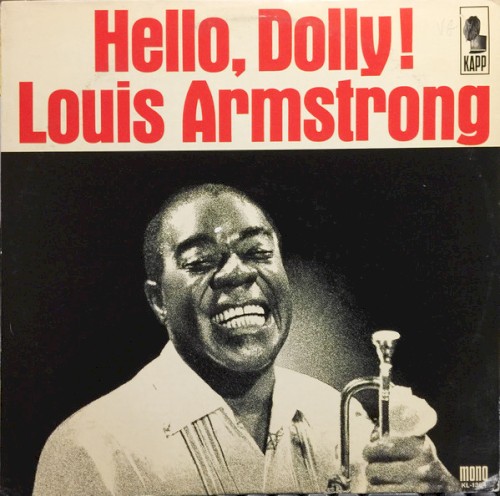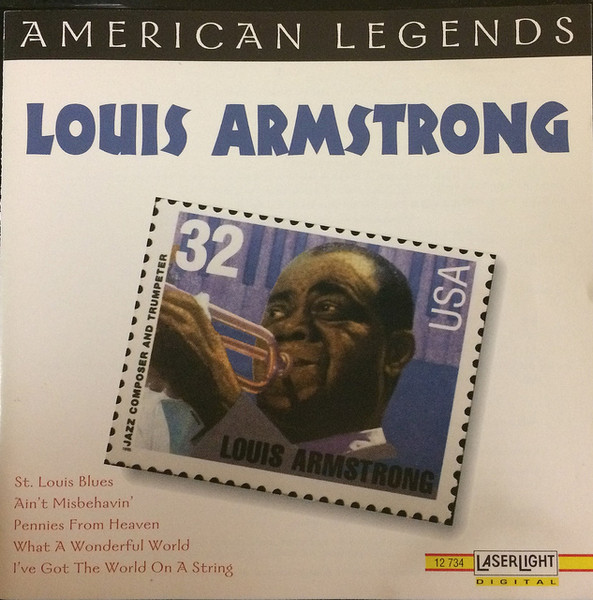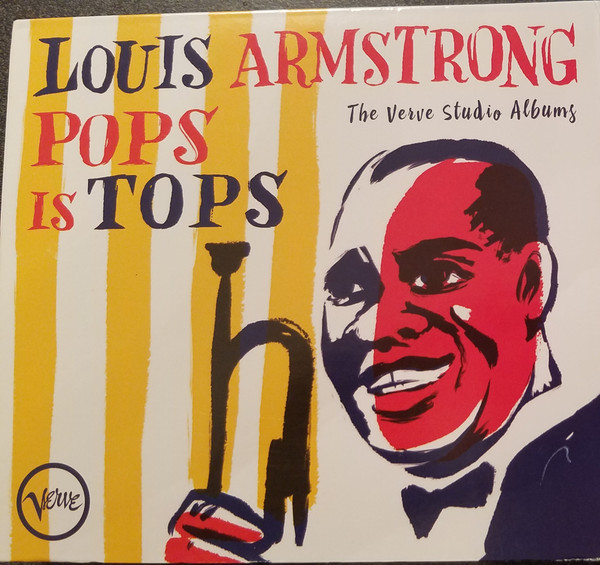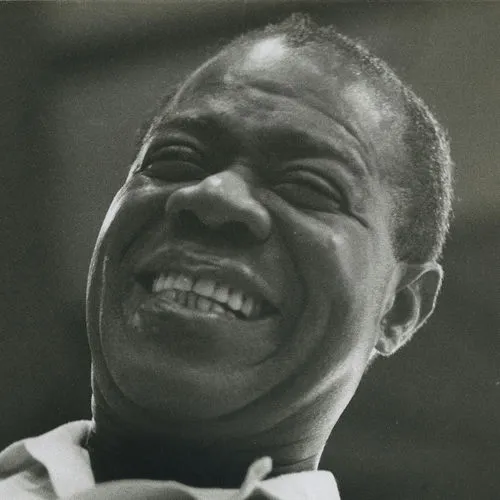
Louis Armstrong was an American trumpeter, singer and bandleader who became a fundamental figure in jazz and swing. Born in New Orleans, he helped transform collective jazz performance by giving improvised solos a new prominence. His recordings with the Hot Five and Hot Seven, including West End Blues and Heebie Jeebies, marked an important stage in the genre's development. Known for his trumpet playing, gravelly voice and use of scat singing, he also achieved international success with What a Wonderful World, Hello, Dolly! and La Vie en rose. His influence extends to vocal jazz and popular music.
Details
- Type
- Music
- Countries
- 🇺🇸 United States
- Genres
- Jazz, Swing
- Albums
- 13
Synopsis
Louis Armstrong
Glossary terms: Album, Blues, Ensemble, Fundamental, House, Jazz, Large orchestra, Low register / bass, Melody, Musical phrase, Phrasing, Pop, Rhythm, Rock, Row / record, Scat, Session, Single, Song, Swing, Take, Tracking (type), Virtuosity
Trailer
Watch the trailer
Overview
Presentation
Louis Armstrong was an American trumpeter, singer and bandleader born in New Orleans, Louisiana, in 1901. Raised in a modest household, he grew up in a city where blues, ragtime, brass bands and early jazz ensembles intersected. He learned to play the cornet at a home for young boys and later received guidance from musician Joe "King" Oliver. In 1922, he joined Oliver's band in Chicago before performing with Fletcher Henderson's orchestra in New York.
Returning to Chicago, Armstrong made a series of recordings with his Hot Five and Hot Seven ensembles between 1925 and 1928. Pieces such as Heebie Jeebies, Potato Head Blues and West End Blues demonstrated his command of improvisation and melodic trumpet playing. These recordings helped shift jazz from a style largely based on collective improvisation toward one that placed greater emphasis on the individual soloist. With Heebie Jeebies, Armstrong also helped popularize scat, a vocal technique based on improvised syllables.
During the 1930s and 1940s, Armstrong expanded his career with big bands, recorded popular songs and appeared in films. In 1947, he formed the All Stars, a smaller ensemble with which he undertook extensive international tours. He collaborated with Ella Fitzgerald on Ella and Louis, Ella and Louis Again and Porgy and Bess, as well as recording with Duke Ellington. His singing voice gradually became as recognizable as his instrumental performances.
Later years brought further successes, including Mack the Knife, Hello, Dolly! and What a Wonderful World. In 1964, Hello, Dolly! reached number one on the American singles chart. His tours established him as an international ambassador for jazz, while his criticism of racial segregation during the 1957 Little Rock school integration crisis reflected his opposition to racial discrimination. He remained musically active into the final years of his life and died in New York in 1971.
Key Takeaways
Louis Armstrong's contribution to jazz was rooted in his approach to improvisation. His trumpet solos combined virtuosity, melodic invention, powerful tone and rhythmic precision. His playing helped establish the soloist as a central figure in jazz, while his sense of swing transformed the articulation and timing of musical phrases.
His vocal influence was equally significant. His deep, gravelly voice, flexible phrasing and use of scat renewed the interpretation of popular songs. By varying melodies and rhythms, Armstrong approached singing with a freedom comparable to instrumental improvisation. His style influenced performers including Ella Fitzgerald, Billie Holiday and Bing Crosby.
Conclusion
Louis Armstrong holds a fundamental place in jazz history. His work as a trumpeter, singer and bandleader helped reshape improvisational practices and introduce jazz to international audiences. His recordings remain important references for the study of swing and vocal jazz.
Did You Know?
- Full name: Louis Daniel Armstrong.
- Origins: New Orleans, Louisiana, United States (1901–1971).
- Nicknames: Satchmo and Pops.
- Instruments: cornet, trumpet and vocals.
- Early orchestras: King Oliver's Creole Jazz Band and Fletcher Henderson's orchestra.
- Historic recordings: the Hot Five and Hot Seven sessions recorded between 1925 and 1928.
- Signature songs: West End Blues, Heebie Jeebies, Potato Head Blues, La Vie en rose, Mack the Knife, Hello, Dolly! and What a Wonderful World.
- Landmark albums: Louis Armstrong Plays W.C. Handy, Satch Plays Fats, Ella and Louis, Porgy and Bess and Hello, Dolly!.
- Collaborations: Joe "King" Oliver, Earl Hines, Ella Fitzgerald, Oscar Peterson and Duke Ellington.
- Vocal innovation: helped popularize scat singing, particularly through Heebie Jeebies in 1926.
- Recognition: won the Grammy Award for Best Male Vocal Performance for Hello, Dolly! in 1965 and received a posthumous Grammy Lifetime Achievement Award in 1972.
- Cultural heritage: his former home in Corona, Queens, New York, is now the Louis Armstrong House Museum.
Link graph
Open in the full graphLoading the graph…
Only the strongest links are shown.
View the list ({count})
Discography
Discography (13)