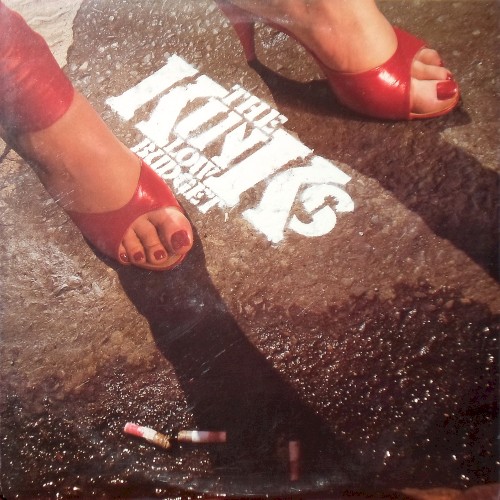
The Kinks was a British rock band formed in London in the early 1960s around brothers Ray Davies and Dave Davies, alongside musicians including Pete Quaife and Mick Avory. Initially associated with the energetic British rock of the British Invasion, the group quickly developed a more distinctive style blending rock, pop, folk and music-hall influences, often shaped by Ray Davies’ ironic and deeply British observations of society. With albums such as Face to Face, Something Else by The Kinks and The Kinks Are the Village Green Preservation Society, The Kinks became one of the most influential bands in British rock.
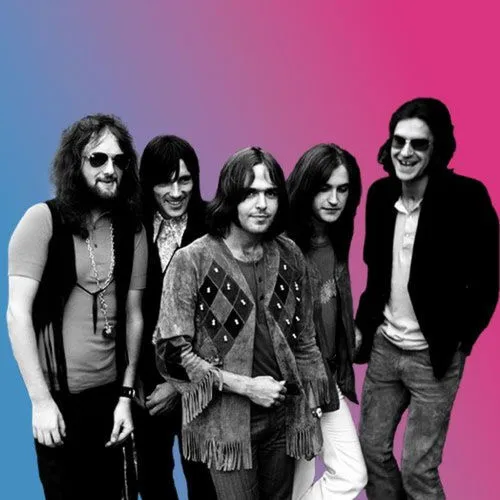
The Kinks
From explosive guitar riffs to portraits of British life, a distinctive voice in English rock.
Details
- Type
- Music
- Countries
- 🇬🇧 United Kingdom
- Genres
- Rock, Rock 'n' roll
- Albums
- 25
Synopsis
The Kinks
Glossary terms: Album, Bass (voice), Drum kit / drums, Folk, Melody, Movement, Observation, Riff, Rock, Social class, Song, Staff / stave
Line-up
Band members (14)
-
1976–1978
-
1984–1996
-
1964–1996
-
1978
-
1979–1996
-
1978–1996
-
Former member
-
1966–1978
-
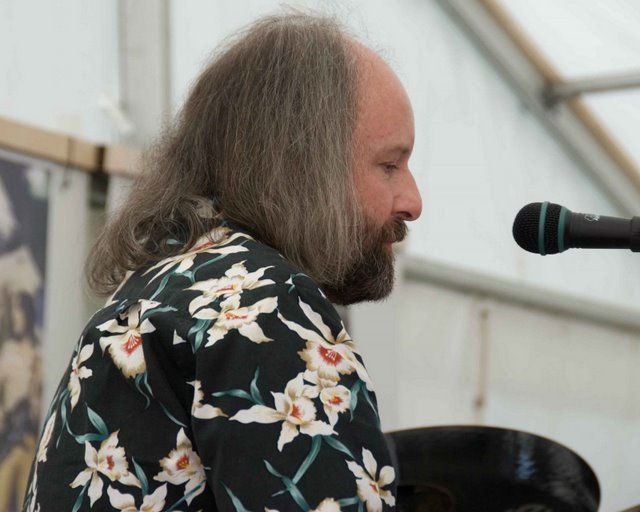
1970–1978
-
1989–1993
-
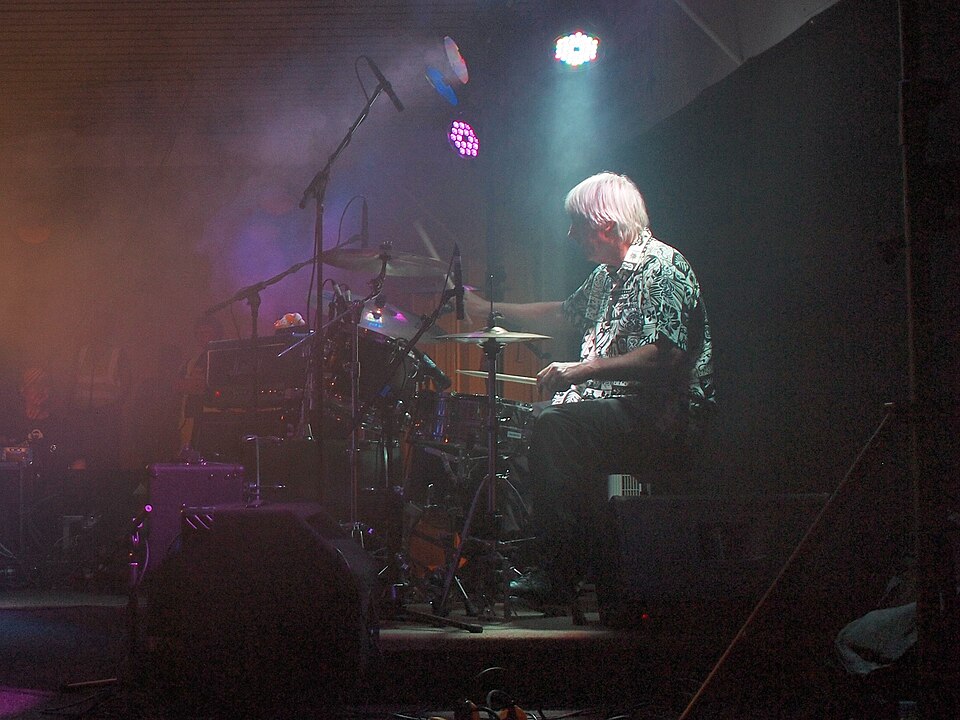
1964–1984
-

1964–1969
-
1964–1969
-

1964–1996
Trailer
Watch the trailer
Overview
Presentation
The Kinks were a British rock band formed in 1963 in Muswell Hill, North London, by brothers Ray and Dave Davies and bassist Pete Quaife. Drummer Mick Avory joined in 1964. The band achieved international success with You Really Got Me (1964), driven by its distorted guitar riff, followed by All Day and All of the Night and Tired of Waiting for You. These songs helped define the sound of British rock during the 1960s.
Led creatively by principal songwriter Ray Davies, The Kinks developed a distinctive approach to songwriting, combining humour, social satire, nostalgia and observations of everyday British life. Albums such as Face to Face (1966), Something Else by the Kinks (1967) and The Kinks Are the Village Green Preservation Society (1968) reflected this artistic development. Songs including Sunny Afternoon, Waterloo Sunset and Days revealed a more melodic and narrative style.
The band continued experimenting with Arthur (Or the Decline and Fall of the British Empire) (1969), Lola Versus Powerman and the Moneygoround, Part One (1970) and Muswell Hillbillies (1971). After exploring conceptual albums, The Kinks returned to a more direct rock sound and enjoyed renewed success with Come Dancing (1983). The band went on hiatus in 1996, while the Davies brothers continued their solo careers.
Key Takeaways
The Kinks combined Dave Davies' powerful guitar playing with Ray Davies' songwriting, exploring social classes, traditions, contradictions and changes in English society. Their music evolved from energetic rock 'n' roll into a distinctive blend of melodic pop, music hall and folk influences.
The guitar sound of You Really Got Me influenced hard rock, garage rock and punk. The band's songwriting also inspired subsequent generations of British musicians, including artists associated with the Britpop movement.
Conclusion
The Kinks helped shape British rock by combining electric guitar riffs, pop melodies and social commentary. Their catalogue connects the early British Invasion with rock movements of later decades.
Did You Know?
- Origins: Muswell Hill, London, United Kingdom; formed in 1963.
- Classic lineup: Ray Davies (vocals, guitar), Dave Davies (guitar, vocals), Pete Quaife (bass) and Mick Avory (drums).
- Signature songs: You Really Got Me, All Day and All of the Night, Sunny Afternoon, Waterloo Sunset, Days, Lola and Come Dancing.
- Notable albums: Face to Face (1966), Something Else by the Kinks (1967), The Kinks Are the Village Green Preservation Society (1968), Arthur (1969) and Muswell Hillbillies (1971).
- Musical identity: a combination of distorted guitars, melodic pop and satirical or nostalgic lyrics.
- Recognition: inducted into the Rock & Roll Hall of Fame in 1990.
- Legacy: influence on garage rock, hard rock, punk and Britpop.
Link graph
Open in the full graphLoading the graph…
Only the strongest links are shown.
View the list ({count})
Discography
Discography (25)