















Overview
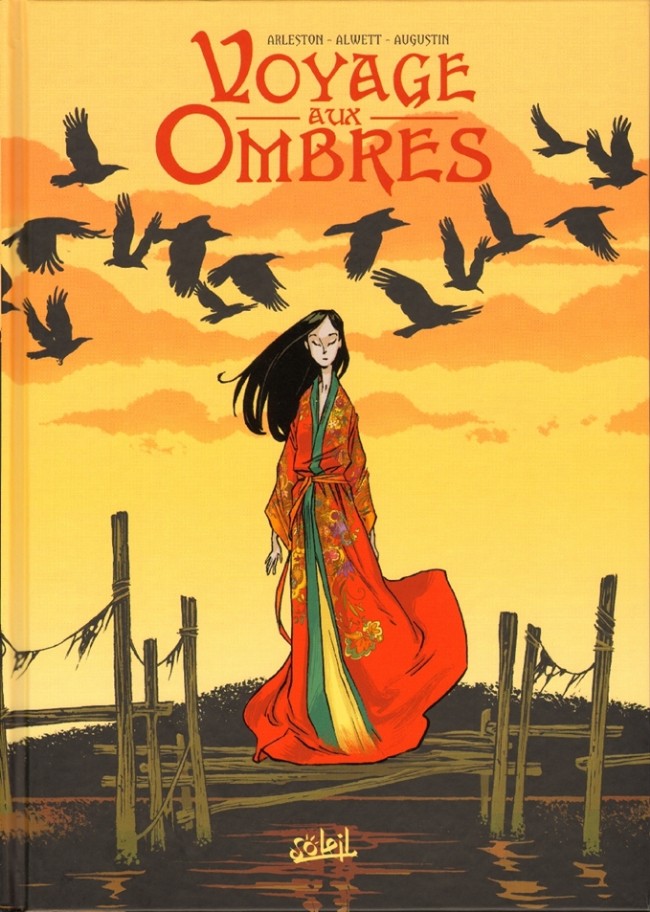
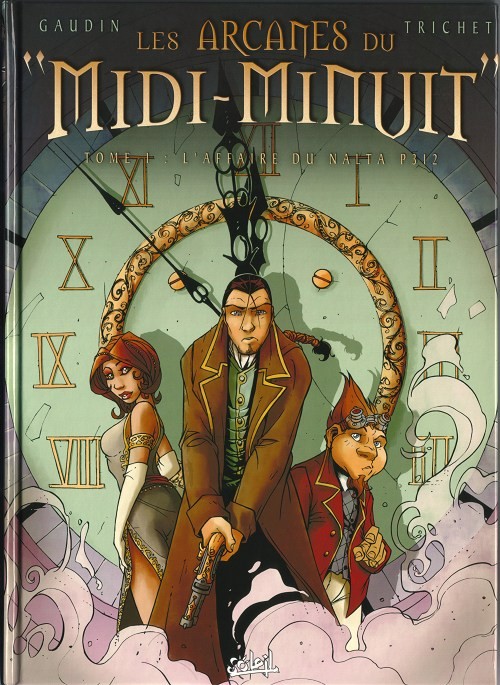
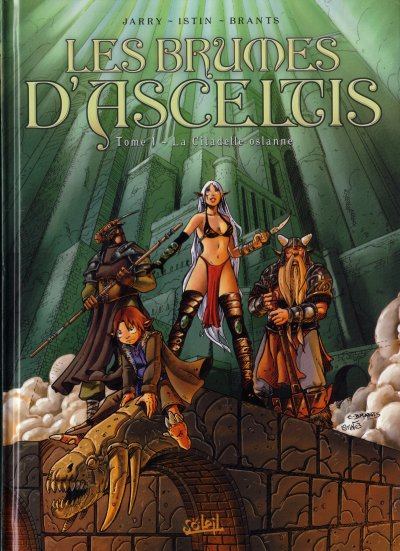
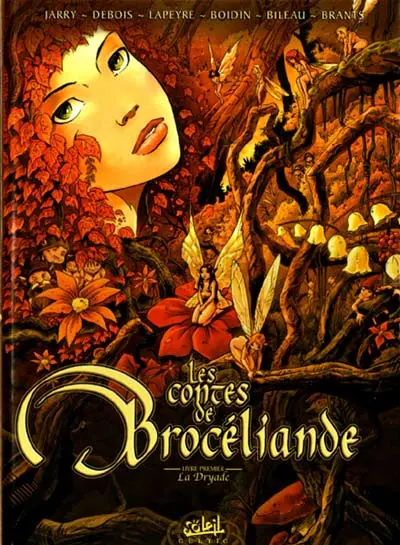
Éditions Soleil is a French publishing house created in 1989 in Toulon by Mourad Boudjellal, which became particularly identifiable in the history of French-language comics through its investment in fantasy, supernatural and adventure universes.
Its catalogue is not limited to these genres, however.
Soleil currently publishes comics, manga, American comics and children’s books, with collections and series also covering humor, science fiction, westerns, historical stories, crime, fantasy, adaptations and works intended for younger readers.
Soleil’s distinctive position comes above all from the way the publishing house has developed editorial universes capable of extending across numerous series.
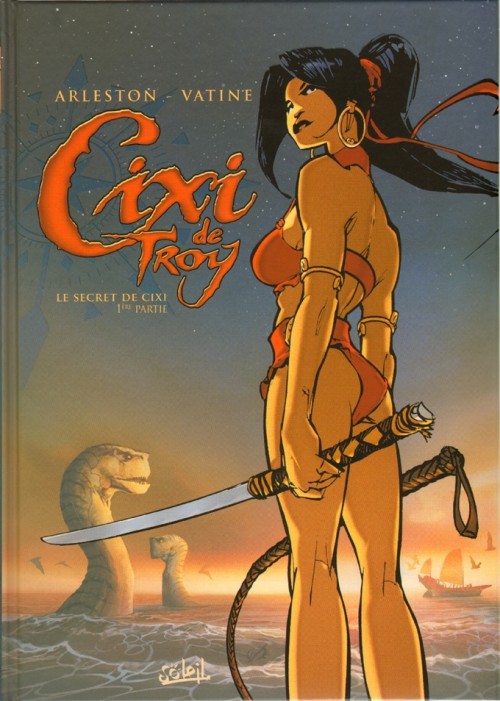
The best example remains Troy.
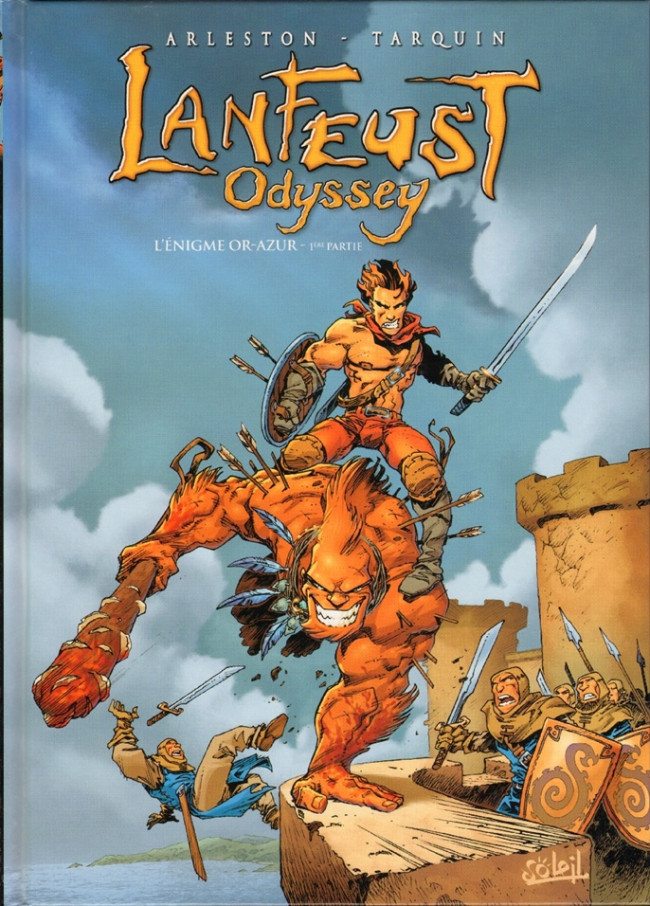
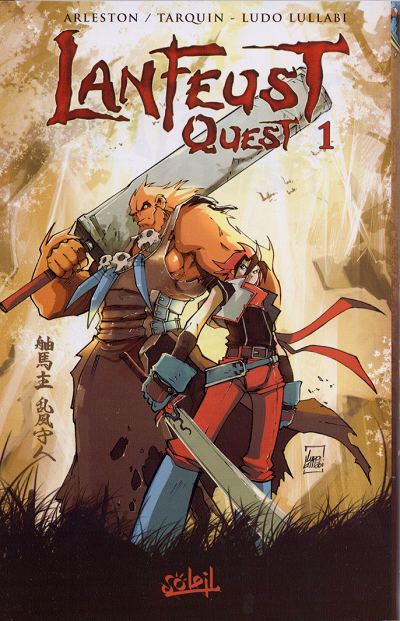
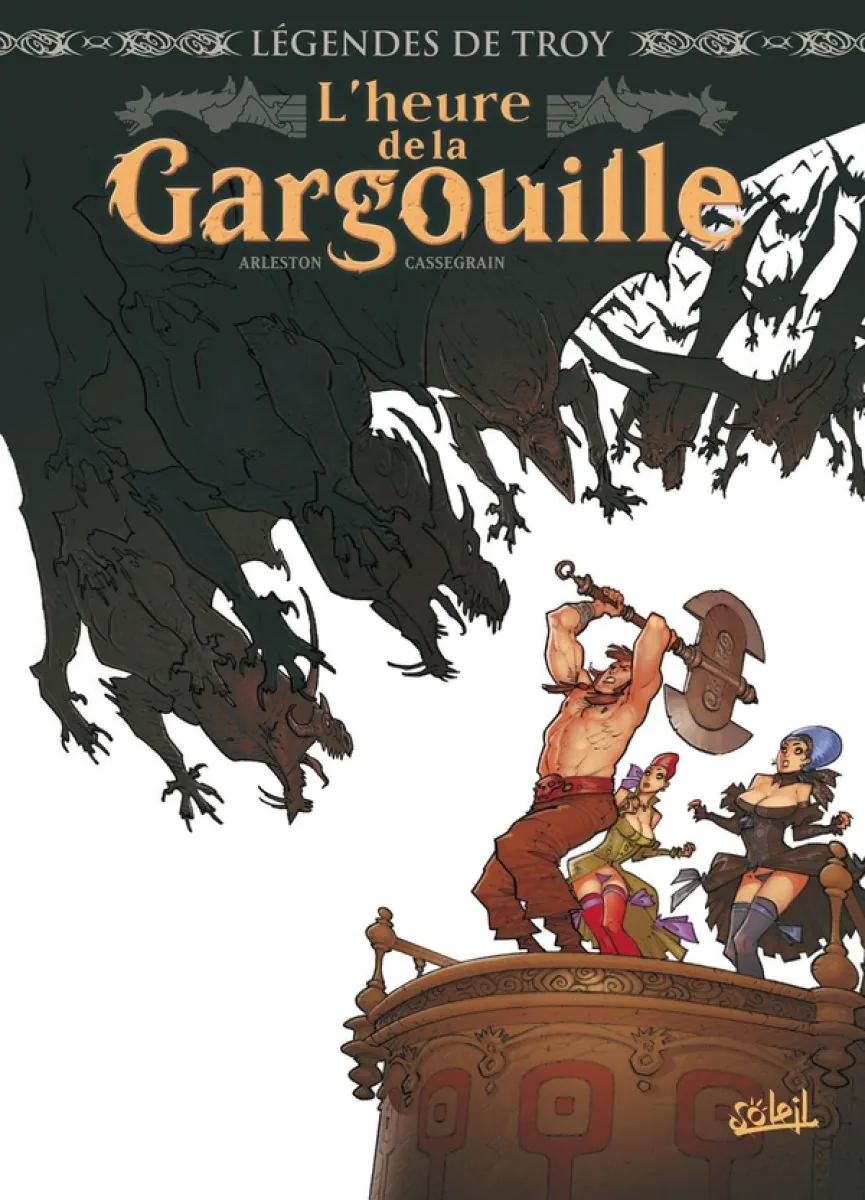
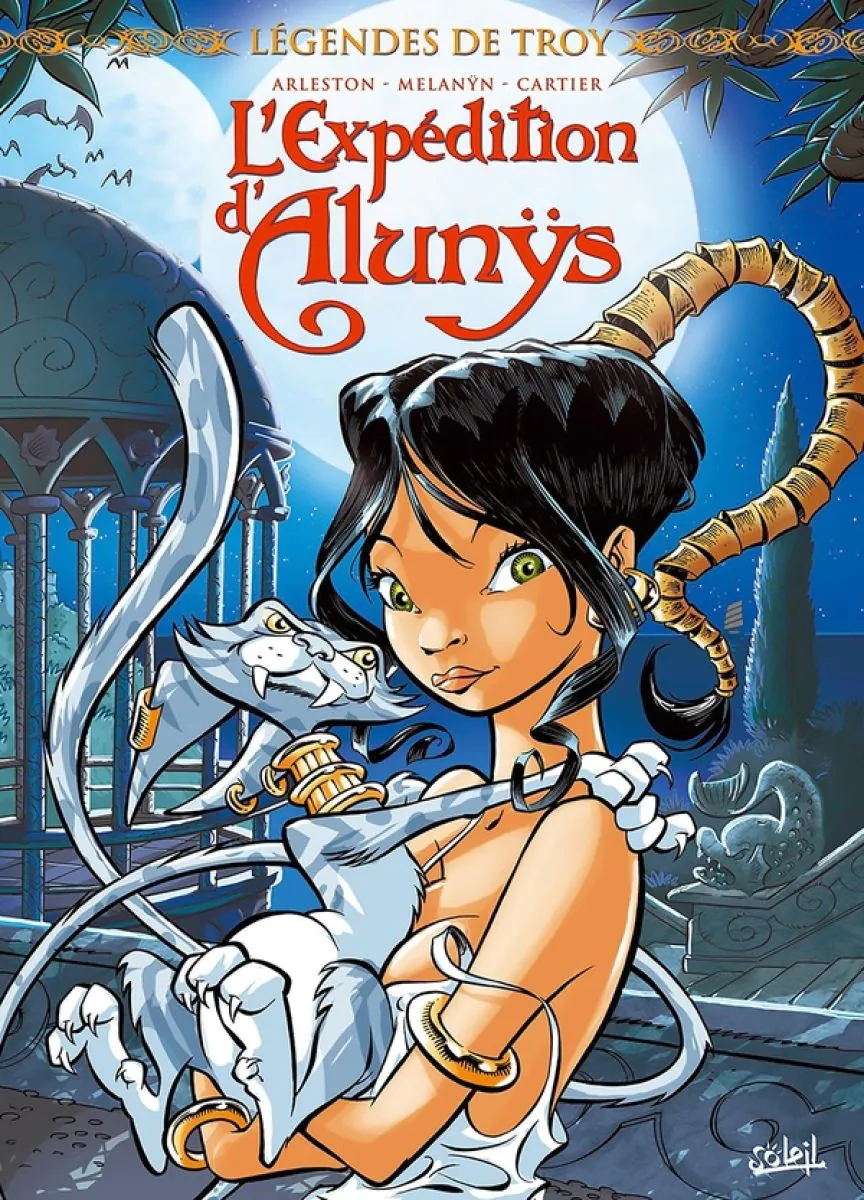
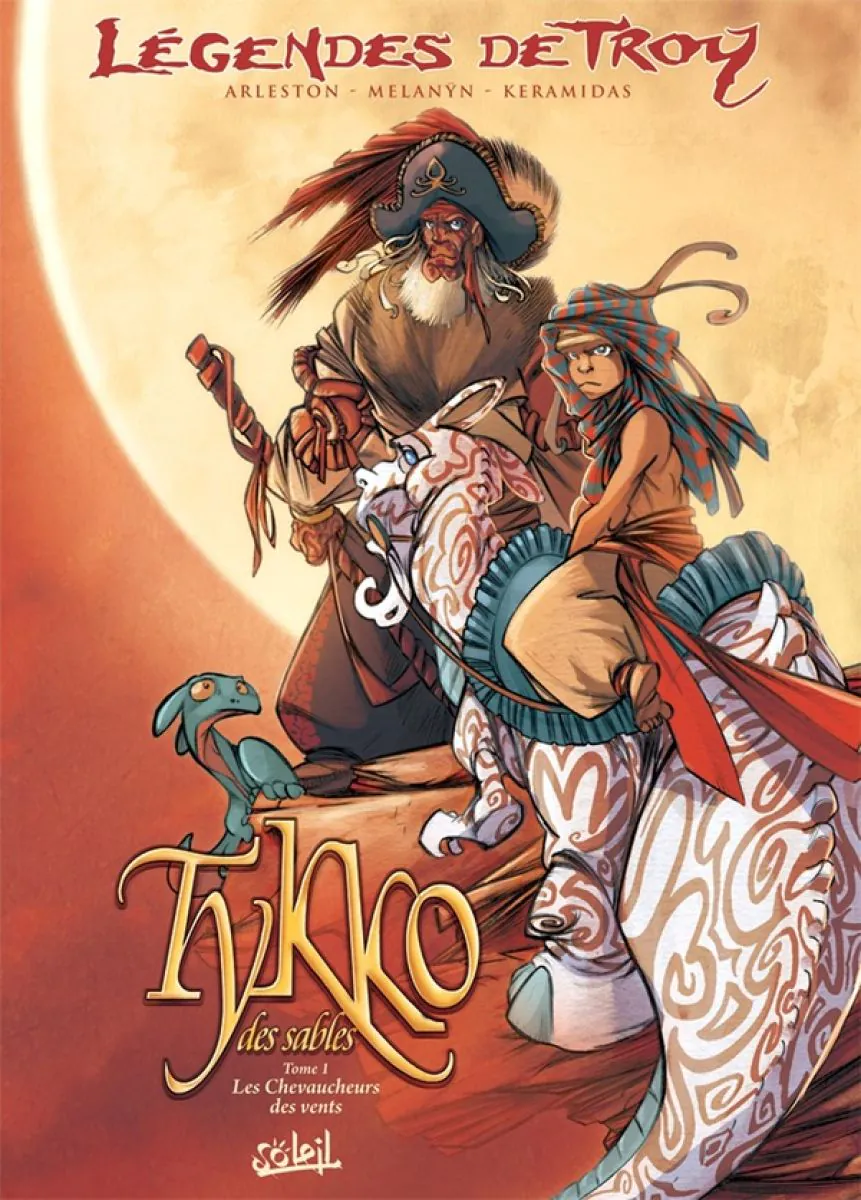
With Lanfeust de Troy, created by Christophe Arleston and Didier Tarquin and published from 1994 onward, Soleil found the series that profoundly transformed its scale and identity.
The universe subsequently expanded with Trolls de Troy, Gnomes de Troy, Lanfeust des Étoiles, Lanfeust Odyssey and other stories connected to the same world.
This way of building a shared fictional setting became one of the publishing house’s editorial signatures.
Later, Soleil developed a comparable approach on an even larger scale with the Terres d’Arran, now integrated into the Monde d’Aquilon.
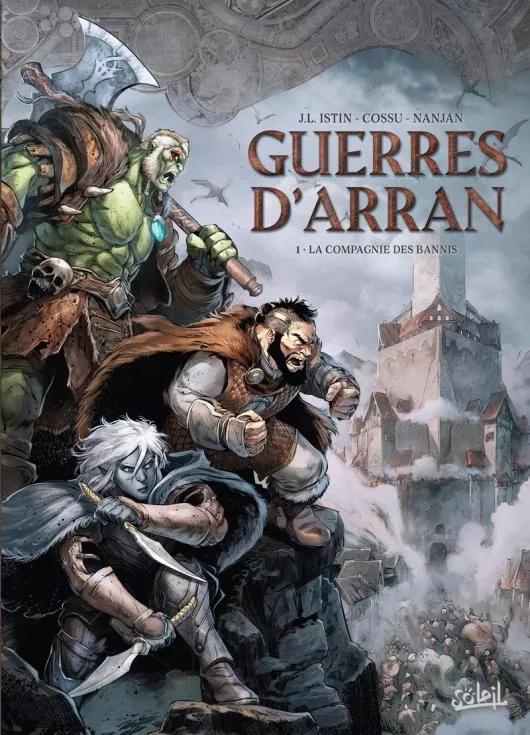
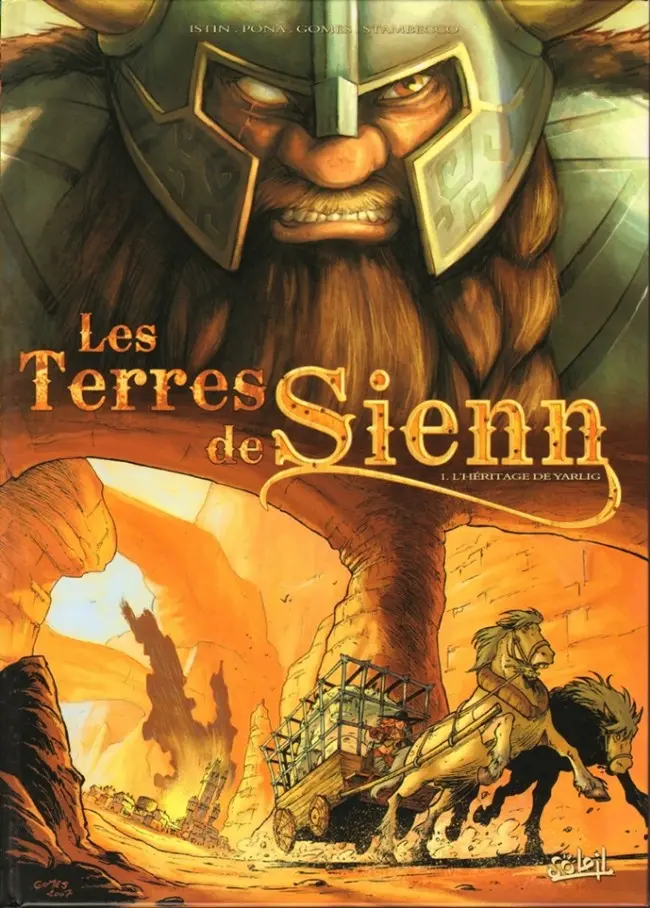
Elfes, Nains, Orcs et Gobelins, Mages, followed by Guerres d’Arran, gradually build the same world through different characters, peoples and creators.
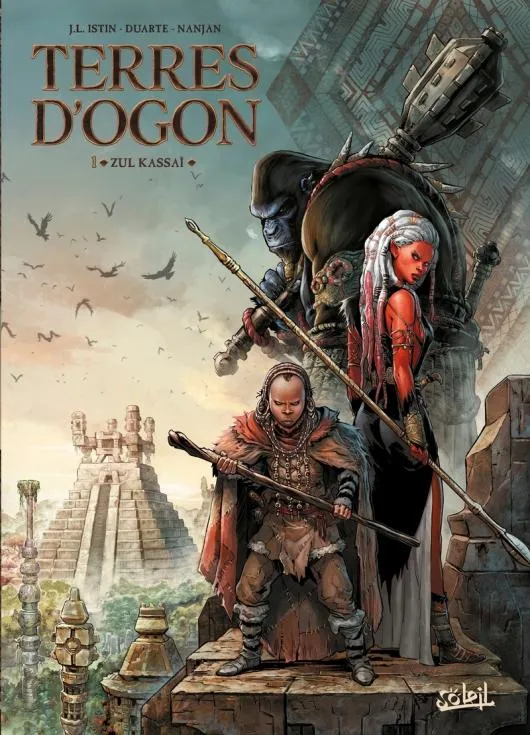
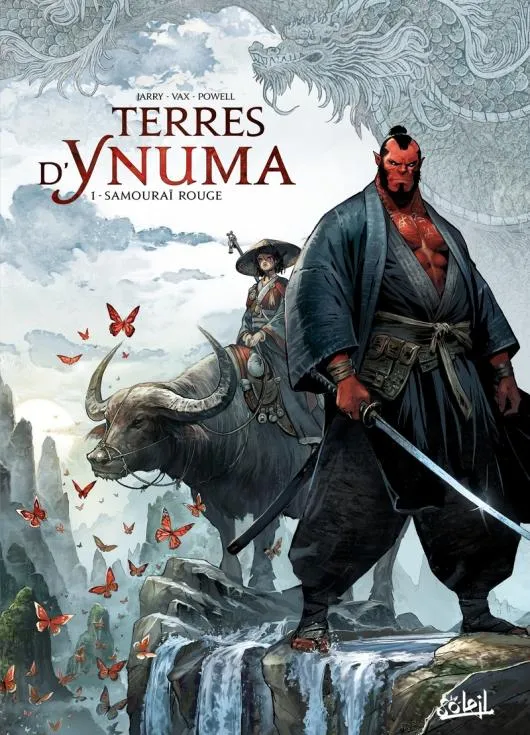
The whole setting then expanded toward the Terres d’Ogon and Terres d’Ynuma, continuing this logic of collective creation.
Fantasy therefore remains strongly associated with Soleil, but it does not summarize its catalogue.
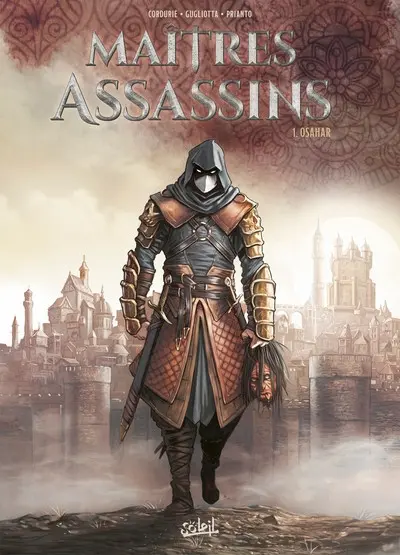
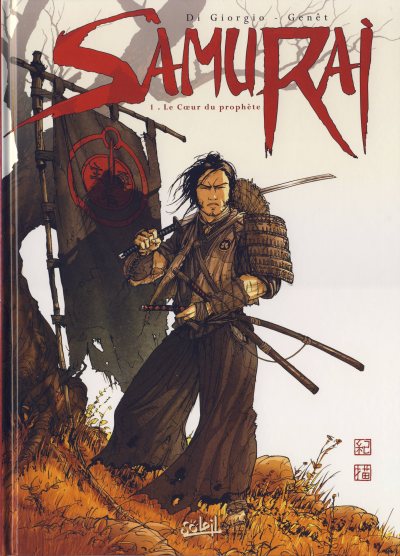
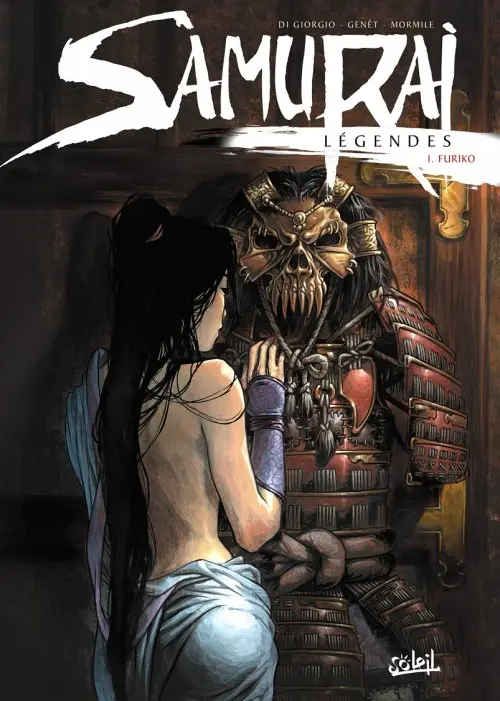
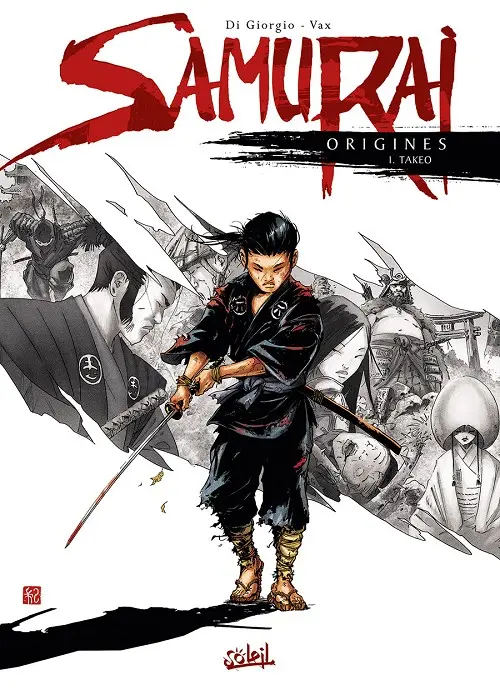
Series such as Les Naufragés d’Ythaq, Samurai, L’Épervier, Les Maîtres Inquisiteurs and Durango develop other forms of adventure.
Humor also occupies an important place with Les P’tits Diables, Les Blondes, Noob and various titles aimed at a broad audience.
Children’s publishing became another identifiable sector.
Les Carnets de Cerise, created by Joris Chamblain and Aurélie Neyret, established itself from 2012 onward as one of the publishing house’s major children’s series.
Soleil also developed collections able to welcome works that are visually or narratively far removed from its traditional image.
The Métamorphose collection, created in 2008 under the impetus of Barbara Canepa and Clotilde Vu, notably welcomes books in which illustration, imagination, storytelling and editorial production occupy an important place.
Noctambule, launched the following year, opens another space for auteur works and literary adaptations.
At the same time, the publishing house built a significant activity around manga.
Developed in the early 2000s and later structured under the name Soleil Manga, this catalogue includes different genres of Japanese publishing.
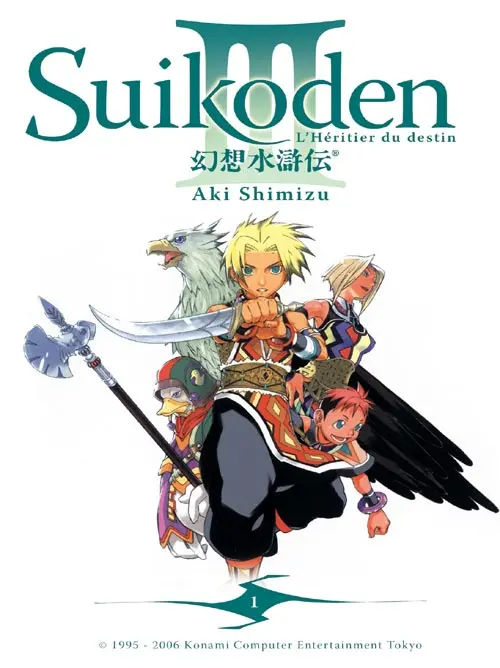
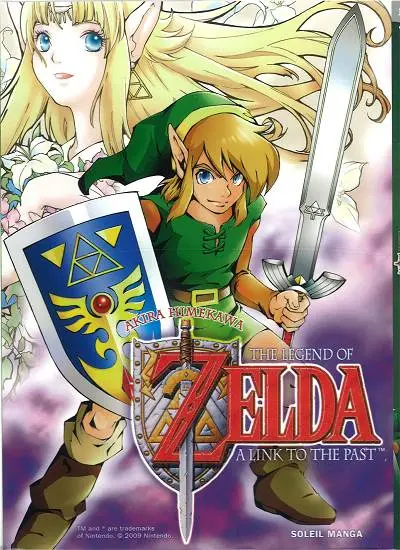
It includes or has included works as different as Dorohedoro, The Legend of Zelda, Splatoon, works by Tezuka and numerous shōjo, shōnen and seinen titles.
Soleil’s current website therefore directly distinguishes its Comics, Manga, American Comics and Children’s activities.
The company’s structure has nevertheless changed profoundly since its creation.
Mourad Boudjellal sold Soleil to Éditions Delcourt in 2011.
This acquisition did not immediately make the publishing house’s identity disappear.
Soleil retained its brand, teams, creators and catalogue, while Delcourt and Soleil continued their development within a shared organization.
In 2017, the legal entities Éditions Soleil and Éditions Delcourt merged to form Groupe Delcourt.
Soleil therefore ceased to exist as a legally independent company, but not as a publishing house or editorial brand.
This distinction explains why annee_fermeture remains empty in PANACHES CULTURE: Éditions Soleil continues publishing and still has its own catalogue, even though the company legally operating it is now Groupe Delcourt.
Since January 2025, Groupe Delcourt itself has belonged to Editis.
The current hierarchy should therefore be understood as follows: Éditions Soleil is an editorial brand of Groupe Delcourt, which is itself integrated into Editis.
This organization should not lead to the catalogues being confused.
A work published under the Delcourt label is not automatically a Soleil work.
Similarly, Tonkam and Kbooks belong to the Groupe Delcourt environment but have their own editorial identities.
In 2026, Groupe Delcourt presents Soleil as a publishing house with 18 comics collections, 4 manga collections, 2 American comics collections and 2 children’s collections.
More than thirty-five years after its creation, Soleil therefore remains recognizable through a particular balance: a strong culture of imaginative fiction and series built around extended universes, combined with a catalogue diverse enough that it can no longer be reduced to the heroic fantasy that established its reputation.
History
1982-1989: from the Bédulle bookstore to publishing
Before becoming a publisher, Mourad Boudjellal worked directly within the comics world.
In 1982, he opened the Bédulle bookstore in Toulon.
This experience allowed him to observe the market, readers’ tastes, the circulation of albums and the place certain works could occupy when they were no longer easily available.
In 1989, he founded Soleil Productions in Toulon.
The project initially developed according to a model different from the image Soleil would acquire a few years later.
The publishing house notably became known for reissuing classics of popular comics.
Series such as Rahan, Blek le Roc and Tarzan allowed Soleil to make characters with an existing history and readership available again.
The album Parodies, in which various creators parody their own universes or those of popular comics, was also among the publishing house’s early releases.
These beginnings created an initial commercial foundation, but Soleil soon sought to develop original creations.
Building a catalogue of creators
After its heritage reissues, Soleil began supporting more contemporary creators.
The publishing house remained strongly connected to southern France and Toulon, which geographically distinguished it from much of French publishing concentrated in Paris.
It gradually developed a network of creators and collaborators capable of producing original series.
One of the fields explored was still relatively underrepresented among the major Franco-Belgian publishers: heroic fantasy.
This direction would become decisive.
1994: Lanfeust de Troy transforms Soleil
In 1994, Soleil published the first album of Lanfeust de Troy, L’Ivoire du Magohamoth.
The series is written by Christophe Arleston and drawn by Didier Tarquin.
It follows Lanfeust’s adventures in a world where every inhabitant possesses a particular magical power.
The work combines adventure quests, fantasy, humor, fantastical creatures and a group dynamic.
This combination quickly found an audience.
The success of Lanfeust de Troy profoundly transformed Soleil.
The publishing house now had a series capable of embodying its catalogue and giving much greater visibility to the other fantasy productions it was developing.
Heroic fantasy was no longer simply one of its genres.
It became an essential part of its public identity.
Troy becomes a genuine editorial universe
The success of Lanfeust de Troy made it possible to further develop its world.
Trolls de Troy, created by Christophe Arleston and Jean-Louis Mourier, shifts the perspective toward the Trolls and develops an approach even more directly based on humor and parody.
Other series gradually appeared.
Gnomes de Troy explores Lanfeust’s childhood.
Lanfeust des Étoiles later takes the character beyond the original setting of Troy and mixes fantasy with science fiction.
Lanfeust Odyssey later brings the hero back for new adventures.
What matters is not only the number of series.
Soleil experiments with a form of shared-universe construction, in which several productions can explore different territories, periods, characters or tones while remaining connected.
This logic would become one of the publishing house’s most characteristic editorial models.
1998: Lanfeust Mag extends the universe into magazines
In May 1998, Soleil launched Lanfeust Mag.
The monthly magazine builds on the popularity of the Troy universe, but does not simply reproduce the albums.
It notably serves as a serialization venue for various series published by the house.
Soleil thus returns to a historical Franco-Belgian comics model: publishing stories in episodes before their release as albums.
The magazine also makes it possible to maintain regular contact with readers between releases.
Around Lanfeust, Soleil therefore simultaneously builds albums, several series and a periodical.
Lanfeust Mag would enjoy a long life and exceed two hundred issues.
Diversifying fantasy and adventure
The success of Troy does not lead Soleil to publish only Lanfeust spin-offs.
The publishing house develops other fantasy, science-fiction and adventure universes.
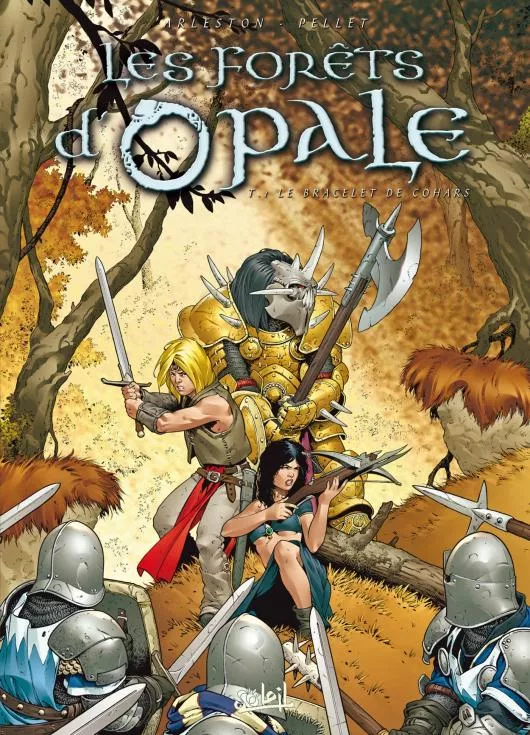
Les Forêts d’Opale, written by Christophe Arleston, creates another independent world.
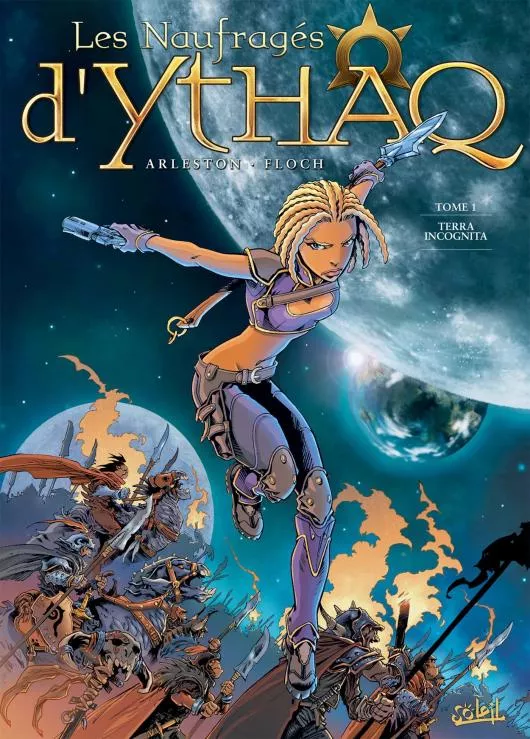
Les Naufragés d’Ythaq, by Arleston and Adrien Floch, combines science fiction, adventure and planetary exploration.
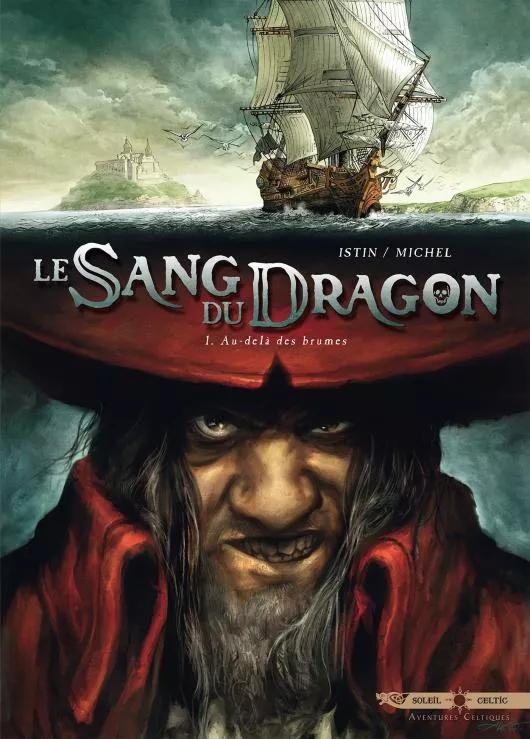
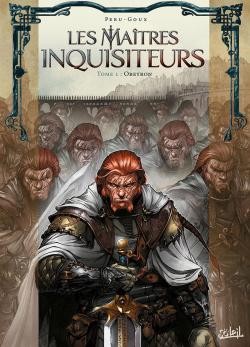
Other series such as Le Sang du Dragon, Samurai, Les Maîtres Inquisiteurs and various fantasy productions gradually reinforce the presence of these genres in the catalogue.
This multiplication consolidates Soleil’s image as one of the French publishers most directly associated with graphic imaginative fiction.
Humor becomes another pillar
At the same time, the publishing house develops humor series capable of reaching a different audience.
Les P’tits Diables builds its gags around the relationship between a brother and sister.
Les Blondes relies on situational humor and recurring characters.
Noob, derived from the universe created by Fabien Fournier, transposes into comics a world strongly connected to online gaming and digital culture.
This activity helps Soleil avoid becoming a publishing house identified only with realistic fantasy covers.
Humor, children’s publishing and mainstream series gradually take a lasting place in its catalogue.
2003: Delcourt and Soleil create Delsol Diffusion
In 2003, Éditions Soleil and Éditions Delcourt jointly created Delsol Diffusion.
The shared structure is responsible for optimizing the commercial distribution of their books.
This cooperation is important because it predates Delcourt’s acquisition of Soleil by several years.
The two publishing houses remain independent at this stage and have different editorial lines, but share part of their distribution operations.
Delsol later welcomes other publishers and becomes an important player in the French comics market.
The operational rapprochement between Delcourt and Soleil therefore exists well before their capital-level integration.
Manga enters the catalogue
In the early 2000s, Soleil also expands into manga.
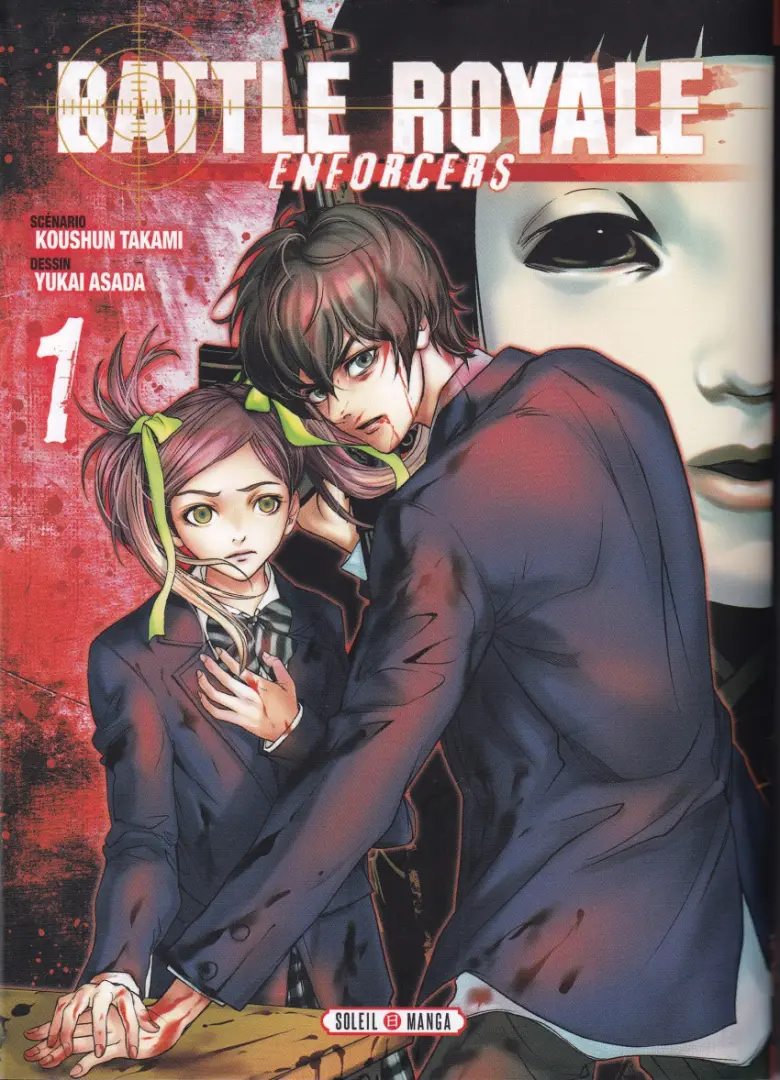
In 2003, the publisher works with the Végétal Manga Shoten label and opens an editorial line notably oriented toward shōjo and seinen.
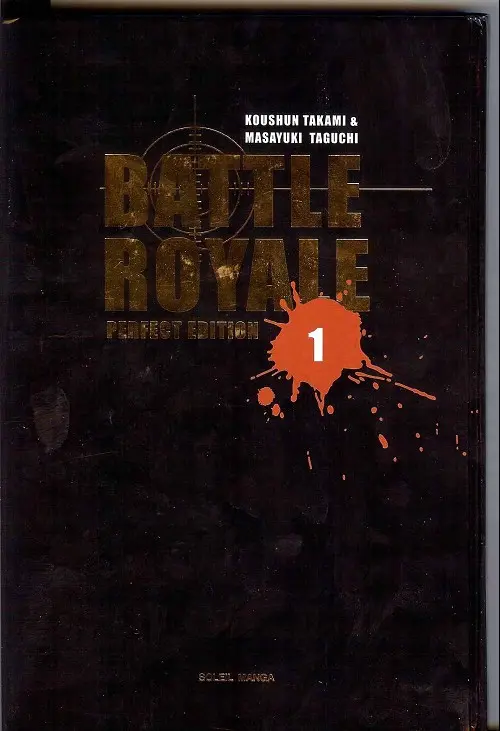
Titles such as Urukyu and Battle Royale belong to this first phase.
In 2005, the collaboration evolves and the catalogue more directly adopts the Soleil Manga identity.
The editorial line gradually diversifies.
It publishes shōjo, seinen, shōnen, horror, heritage works and various genres from the Japanese market.
Soleil notably publishes several works by Osamu Tezuka and over the years builds a catalogue including very different series.
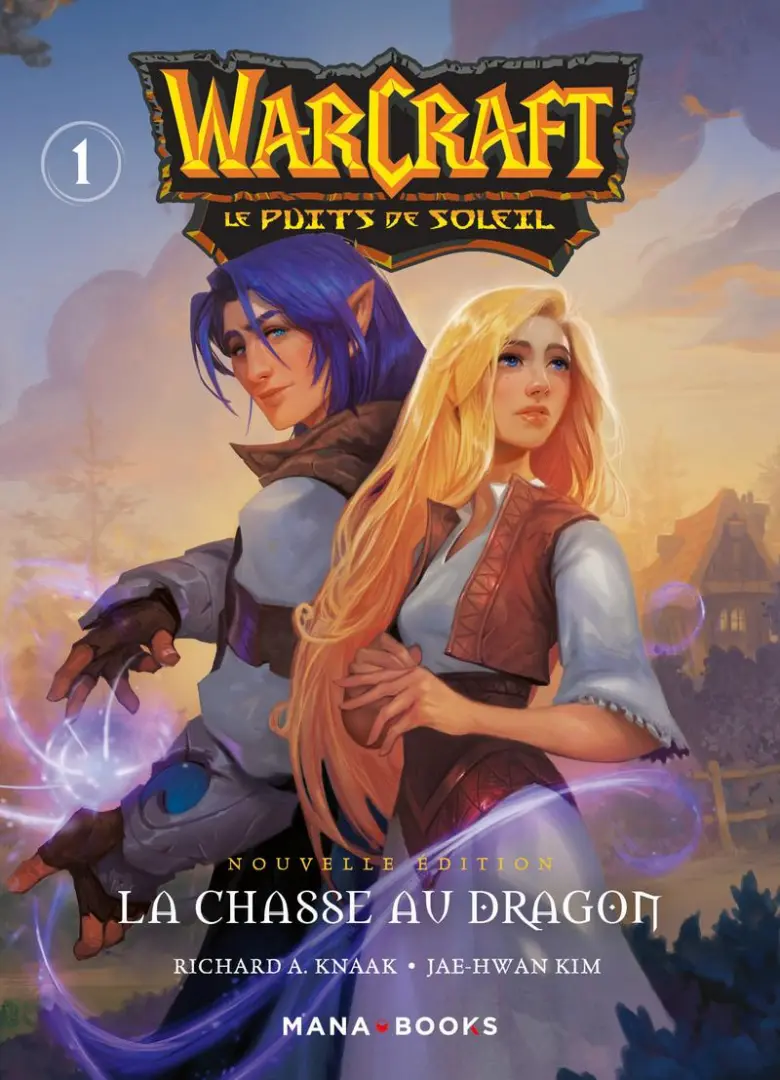
The Legend of Zelda becomes an important Soleil Manga license
Among the most identifiable properties in the manga catalogue appears The Legend of Zelda.
Manga adaptations of Nintendo’s franchise allow Soleil to connect Japanese publishing with video game culture.
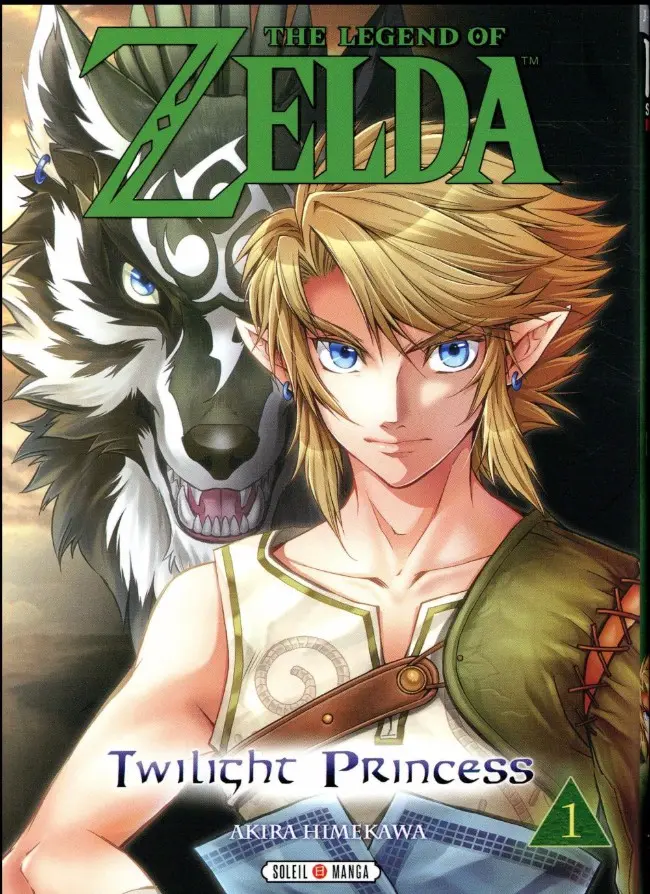
The publishing house notably releases several adaptations by the duo Akira Himekawa.
The Legend of Zelda: Twilight Princess is among the series still highlighted today on the publisher’s website.
The catalogue also includes Nintendo properties such as Splatoon and Animal Crossing.
This direction gives Soleil Manga a particular position at the intersection of manga and video games.
Dorohedoro and the diversification of the Japanese catalogue
Soleil’s manga catalogue does not rely solely on mainstream licenses, however.
Dorohedoro by Q Hayashida becomes one of its most recognizable series in a much darker and more singular register.
Its universe combines violence, magic, black humor, graphic experimentation and a world difficult to compare with the most commercial manga categories.
Its presence demonstrates the diversity Soleil Manga gradually acquires.
The publishing house can publish both a Nintendo adaptation aimed at a broad audience and a highly unconventional seinen.
2008: Métamorphose opens another graphic territory
In 2008, Soleil launched the Métamorphose collection, created by Barbara Canepa and directed with Clotilde Vu.
The project marks a visual break from the image most immediately associated with Soleil.
The collection prioritizes books in which illustration, imagination, the editorial object and an author’s universe occupy a central place.
The first projects notably include Billy Brouillard, Eco and End.
The collection later welcomes creators and illustrators with highly personal approaches.
Les Carnets de Cerise would also be published within this environment.
Métamorphose demonstrates that a publishing house known for large adventure series can also produce works whose identity relies strongly on production, art direction and illustration.
2009: Noctambule brings comics and literature closer together
In 2009, Soleil also developed Noctambule.
The collection is conceived as a bridge between comics and literature.
It can welcome adaptations of literary works as well as more personal original stories.
This direction further broadens the publisher’s image.
Soleil is no longer only a house capable of producing long-running series and extended universes.
It also possesses editorial spaces intended for standalone albums, auteur works and formally different projects.
2011: Delcourt acquires Éditions Soleil
In 2011, a major change occurs.
Mourad Boudjellal sells Éditions Soleil to Éditions Delcourt.
The publishing house therefore joins the group built by Guy Delcourt.
The operation brings together two publishers that had become important in French comics but had different histories and identities.
Delcourt notably has major catalogues in general comics, American comics and manga through Tonkam.
Soleil brings notably its fantasy expertise, its universes, its Toulon roots and several major popular series.
The Soleil brand is retained.
This decision allows the catalogue to remain identifiable as such despite its integration into a larger organization.
2012: Les Carnets de Cerise confirms the importance of children’s publishing
In 2012, Soleil published the first volume of Les Carnets de Cerise, written by Joris Chamblain and drawn by Aurélie Neyret.
The series follows a young girl fascinated by the people and mysteries around her.
The work combines investigation, diary writing, emotion and a particularly recognizable graphic style.
It quickly achieves significant critical and public success.
The first volume notably receives the Youth Award at the Angoulême Festival in 2014.
The series becomes one of Soleil’s major children’s references.
It also shows that the contemporary identity of the publishing house can develop far from the heroic fantasy that dominated its image during the 1990s.
2013: Elfes opens the Terres d’Arran
A new major stage in universe-building begins with Elfes.
The editorial principle differs from that of Lanfeust.
Instead of mainly following the continuing adventures of a single hero, the series offers different stories devoted to several elven peoples, created by different creative teams but situated within the same world.
This structure makes it possible to multiply characters and territories without depending on a single protagonist.
Its success allows the universe to expand.
Nains, Orcs et Gobelins and Mages gradually join the Terres d’Arran.
Guerres d’Arran subsequently brings together consequences and conflicts originating from these different series.
This collective construction becomes one of Soleil’s most important editorial projects.
From the Terres d’Arran to the Monde d’Aquilon
The universe then expands beyond the continent of Arran.
The Terres d’Ogon introduce other peoples, cultures and territories into the same fictional whole.
The Terres d’Ynuma extend it further.
Soleil now groups these different settings under the name Monde d’Aquilon.
This organization illustrates the evolution of a principle already experimented with through Troy.
But the scale changes.
The Monde d’Aquilon relies on numerous writers, artists and characters working within a shared continuity.
The publisher therefore takes on a genuine role of universe coordination, in addition to its traditional role of supporting each album.
2017: the Soleil company disappears legally, the brand remains
In 2017, the legal structures of Delcourt and Soleil are reorganized.
The entities Éditions Soleil and Éditions Delcourt merge to form Groupe Delcourt.
From that date onward, Soleil is no longer an independent company in legal terms.
But its catalogue, logo and editorial function are retained.
Groupe Delcourt still presents Éditions Delcourt and Éditions Soleil separately among its publishing houses today.
This distinction is essential.
Speaking of “Soleil closing in 2017” would be misleading from an editorial perspective.
The company is absorbed, but the publishing house continues operating as an editorial brand.
2025: Groupe Delcourt joins Editis
In January 2025, another ownership change takes place.
Groupe Delcourt joins Editis, France’s second-largest publishing group.
Soleil therefore indirectly enters a much larger publishing organization.
This operation does not, however, eliminate Groupe Delcourt’s brand structure.
Delcourt, Soleil, Tonkam and Kbooks continue to be presented separately.
In 2026, Soleil therefore remains an active editorial identity within a hierarchy now consisting of several levels.
Soleil in 2026
The current catalogue shows a publishing house that clearly retains its roots while having broadened them.
Lanfeust de Troy and Trolls de Troy remain present.
The Monde d’Aquilon occupies a major place with the Terres d’Arran, d’Ogon and d’Ynuma.
Les Naufragés d’Ythaq, Samurai, Les P’tits Diables, Les Carnets de Cerise and other series continue different directions.
Soleil Manga simultaneously continues to publish series such as Dorohedoro, The Legend of Zelda: Twilight Princess, Splatoon and new Japanese licenses.
Groupe Delcourt currently presents Soleil as an ensemble of 18 comics collections, 4 manga collections, 2 American comics collections and 2 children’s collections.
The publishing house born in Toulon in 1989 has therefore become an editorial brand integrated into a major group, while remaining identifiable through its own catalogue.
What sets it apart
Making fantasy a genuine editorial territory
Soleil’s importance in French comics largely comes from the choice made in the early 1990s to develop heroic fantasy for the Franco-Belgian market.
The genre obviously existed before Soleil.
But the publishing house gave it a particularly visible place in its catalogue and built several series capable of lasting over time.
Lanfeust de Troy became the symbol of this strategy.
The work combines adventure, humor, magic and an accessible series structure aimed at a broad audience.
Its success allowed other imaginative projects to find their place.
This historical specialization still gives Soleil an immediately recognizable identity among the major French comics publishers today.
Building universes rather than simply placing series side by side
Soleil takes the principle of the shared universe particularly far.
Troy does not end with Lanfeust de Troy.
Different series can explore its characters, peoples or new territories.
The Monde d’Aquilon pushes this logic much further with dozens of albums linked by the same geography, general history and events capable of crossing several series.
This construction requires specific editorial coordination.
Each creative team must be able to tell its own story while respecting the essential elements of the shared world.
The publishing house therefore becomes, in part, an architect of large-scale narrative continuities.
Having numerous creators work within the same world
The Aquilon model allows Soleil to develop another distinctive feature.
A universe is no longer necessarily tied to a single writer and a single artist.
Several teams can work in parallel.
Some series follow a people, others a region or conflict.
Characters can move from one story to another.
This structure brings certain Soleil projects closer to the operation of shared American comics universes, while retaining the format and editorial traditions of Franco-Belgian comics.
Maintaining very different lines behind a strong identity
Soleil’s fantasy image could easily obscure a large part of its catalogue.
Les Carnets de Cerise does not operate like Lanfeust.
Dorohedoro has almost nothing in common with Les P’tits Diables.
An adaptation of The Legend of Zelda requires editorial methods different from an original French creation.
Métamorphose and Noctambule have also developed books very far removed from classic album-format fantasy.
Soleil therefore retains a strong identity without imposing visual uniformity across all its publications.
Maintaining a connection with Toulon within a highly Paris-centered publishing industry
Soleil’s creation in Toulon is an important feature of its history.
The publishing house developed far from the traditional center of French publishing.
It helped create around itself a network of creators, editors and collaborators in southern France.
Even after its integration into Groupe Delcourt, the group retains employees and activities in Paris and Toulon.
This local foundation contributes to Soleil’s historical identity and also explains the highly personal role played by Mourad Boudjellal during its first decades.
Developing manga, American comics and children’s publishing without erasing comics
Soleil gradually expanded its activity into several publishing traditions.
Soleil Manga involves acquiring Japanese licenses, translating and adapting works designed for another market.
American comics involve different formats and relationships with international rights holders.
Children’s publishing has its own readership and production constraints.
These activities complement the catalogue but have not replaced Franco-Belgian comics.
In 2026, the four sectors remain explicitly separated on the official website: Comics, Manga, American Comics and Children’s.
Remaining Soleil after the Soleil company ceased to exist
Soleil’s case is particularly interesting for entity management within PANACHES CULTURE.
The company founded in 1989 has no longer existed legally in the same form since 2017.
Yet the publishing house continues.
New albums still carry the Soleil brand.
Groupe Delcourt still maintains an institutional page specifically devoted to Éditions Soleil.
The official website continues to operate as the Soleil catalogue.
It is therefore necessary to distinguish legal personality from editorial identity.
When linking a work, the relevant question is not only which company currently owns the brand, but under which publishing house it is actually released.
Good to know
- Éditions Soleil was created in Toulon in 1989 by Mourad Boudjellal, after he opened the Bédulle bookstore in 1982.
- The publishing house first became known through reissues of classics such as Rahan, Blek le Roc and Tarzan before massively developing original creation.
- Lanfeust de Troy, written by Christophe Arleston and drawn by Didier Tarquin, began at Soleil in 1994 and became one of the defining series in the publishing house’s history.
- The Troy universe subsequently expanded notably through Trolls de Troy, Gnomes de Troy, Lanfeust des Étoiles and Lanfeust Odyssey.
- Lanfeust Mag launched in May 1998 and notably served to serialize several of the publisher’s productions.
- Delcourt and Soleil jointly created Delsol Diffusion in 2003, several years before their capital-level integration.
- Manga activity developed in the early 2000s and became Soleil Manga, with a catalogue notably including Dorohedoro and several adaptations of The Legend of Zelda.
- The Métamorphose collection launched in 2008, while Noctambule appeared in 2009 to welcome other forms of storytelling and graphic works.
- Éditions Delcourt acquired Soleil in 2011, while retaining the brand and its editorial identity.
- The Terres d’Arran, developed from Elfes, expanded through Nains, Orcs et Gobelins, Mages and Guerres d’Arran before becoming integrated into the Monde d’Aquilon with the Terres d’Ogon and d’Ynuma.
- In 2017, the Soleil and Delcourt legal entities merged; Soleil nevertheless continues as an active editorial brand of Groupe Delcourt, which is why the fiche contains no closure year.
- Since January 2025, Groupe Delcourt has belonged to Editis; in 2026, Soleil retains a distinct catalogue structured around comics, manga, American comics and children’s publishing.