Major Philosophical Movements: Understanding Schools of Thought
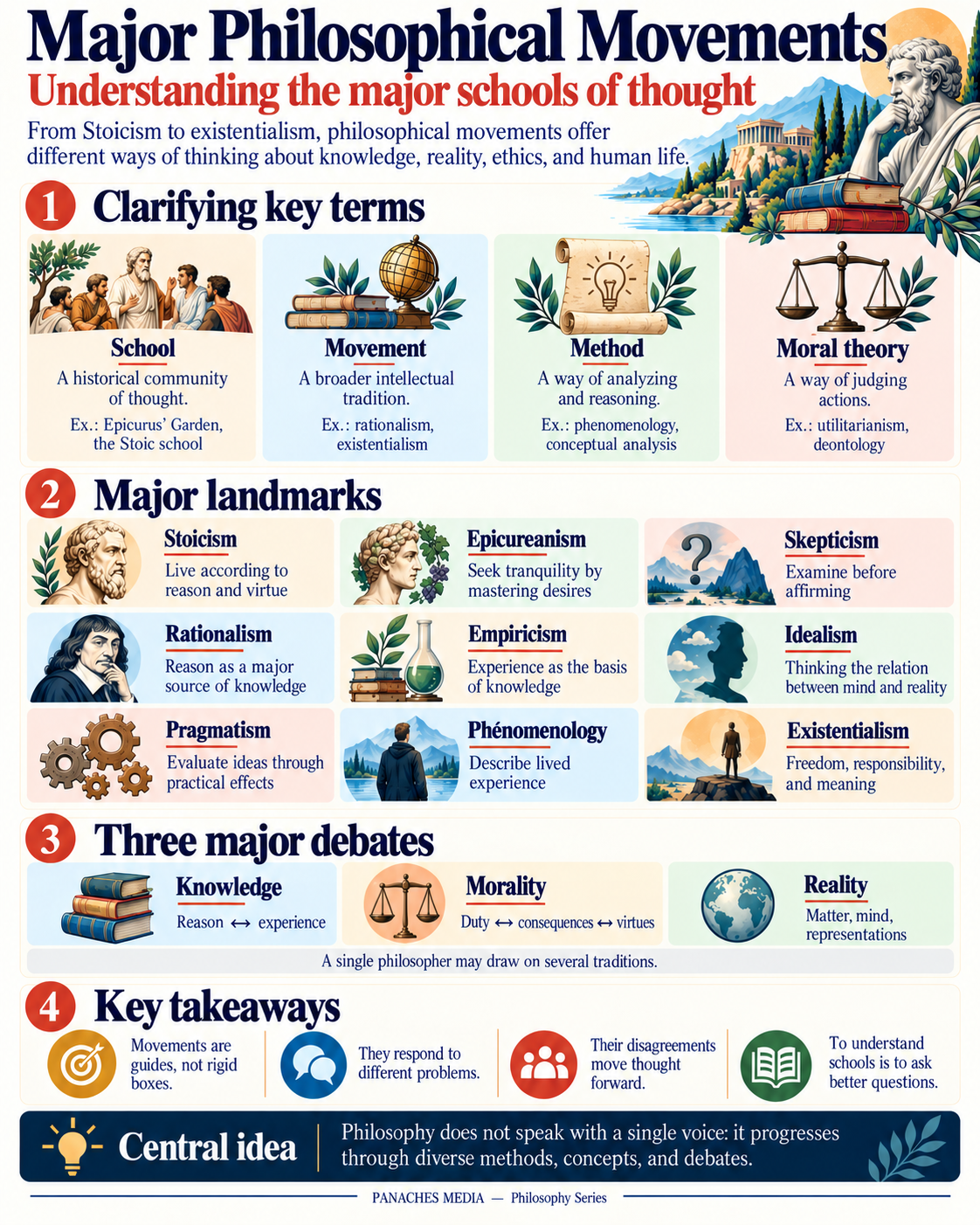
Stoicism, Epicureanism, rationalism, empiricism, idealism, existentialism, pragmatism, and phenomenology: explore the major philosophical schools, their ideas, debates, and differences.
PANACHES Media
Articles, analysis and creative monitoring: PANACHES Media explores practices, tools and digital culture to help you understand, learn and move forward.
14 articles in Reading
Stoicism, Epicureanism, rationalism, empiricism, idealism, existentialism, pragmatism, and phenomenology: explore the major philosophical schools, their ideas, debates, and differences.
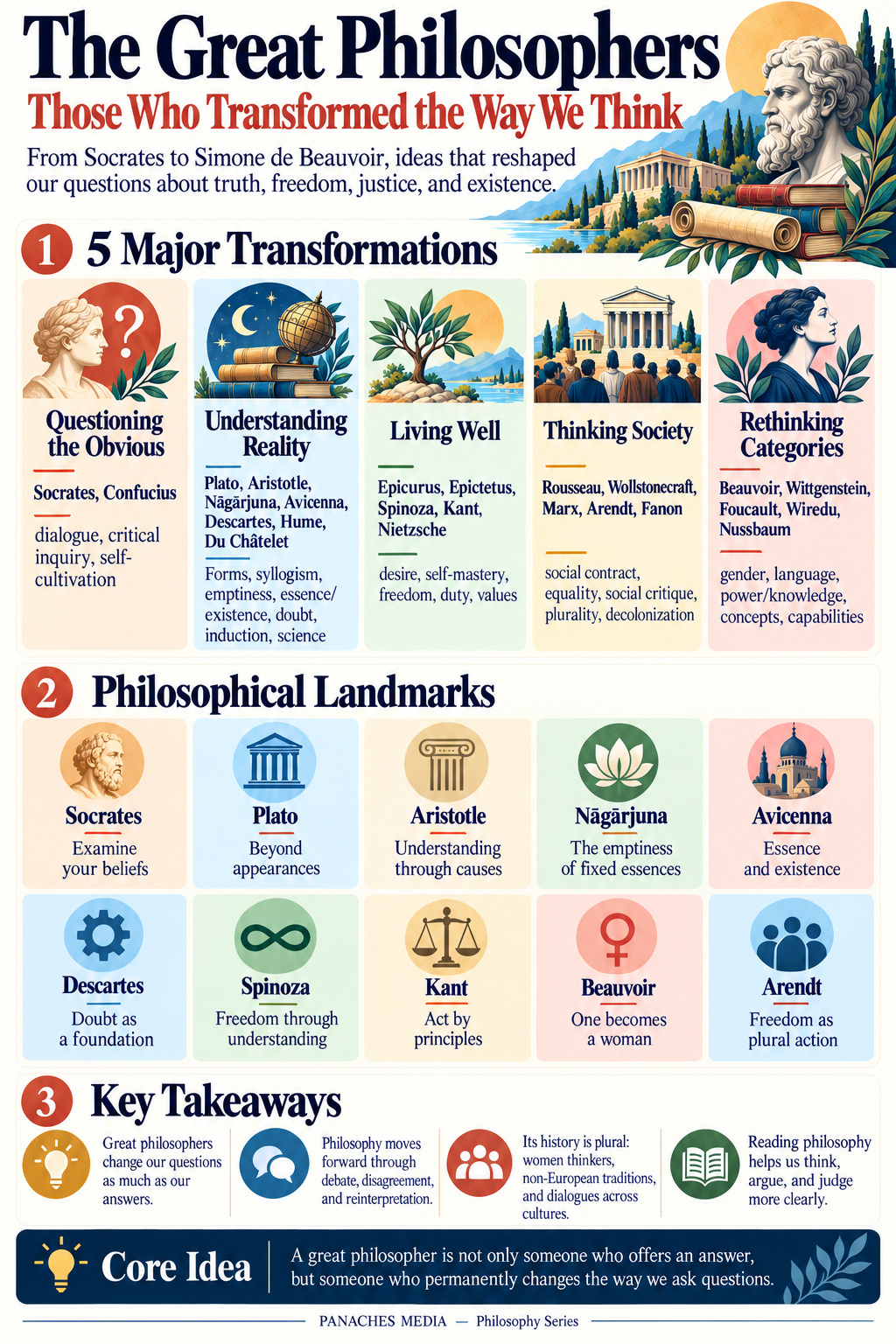
From Socrates to Simone de Beauvoir, from Confucius to Hannah Arendt, discover the philosophers whose ideas transformed our understanding of truth, freedom, justice, and existence.
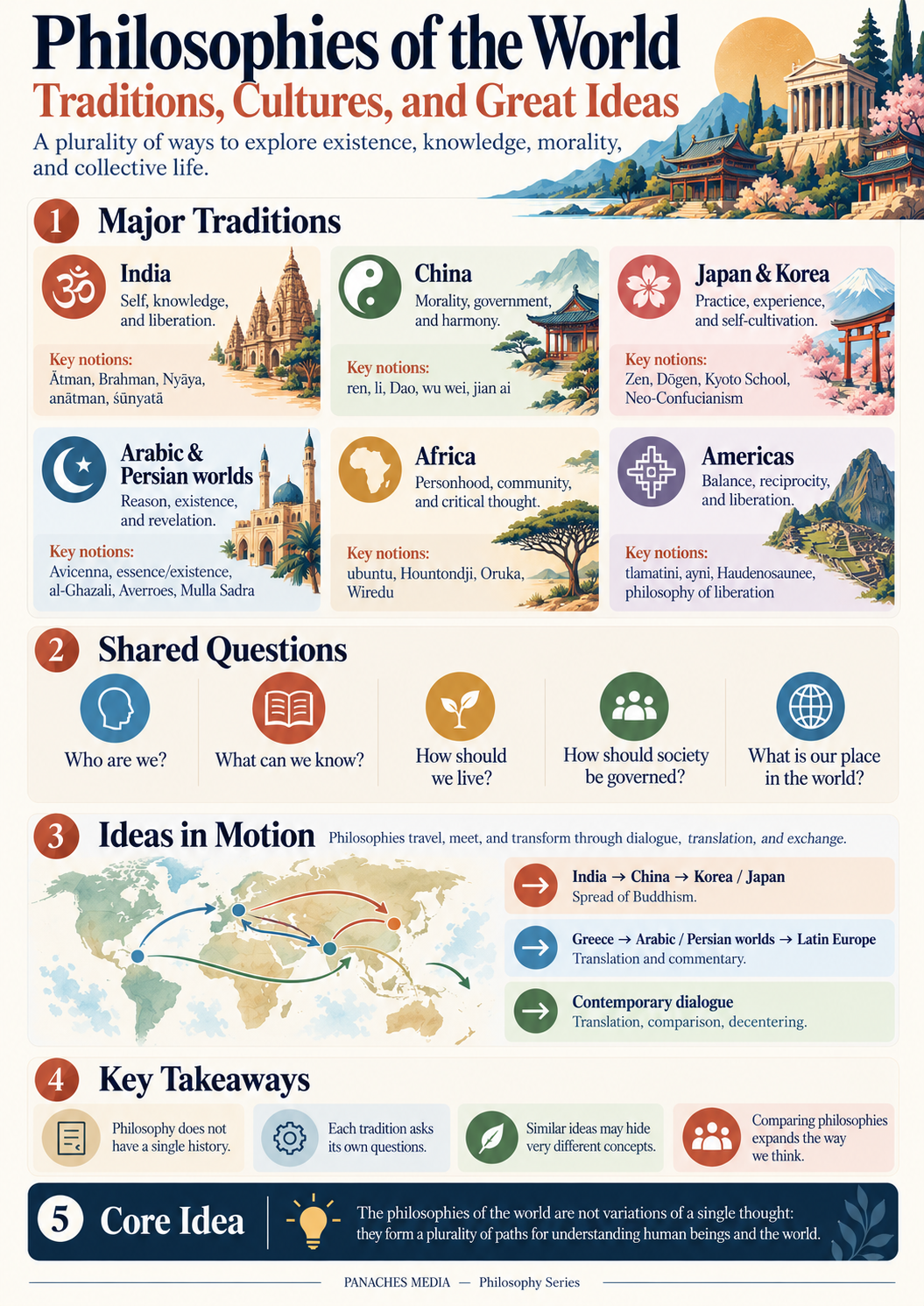
From Indian and Chinese philosophy to African, Arabic, Japanese, and Indigenous American traditions, explore the diversity of philosophical thought around the world, its fundamental ideas, debates, and mutual influences.
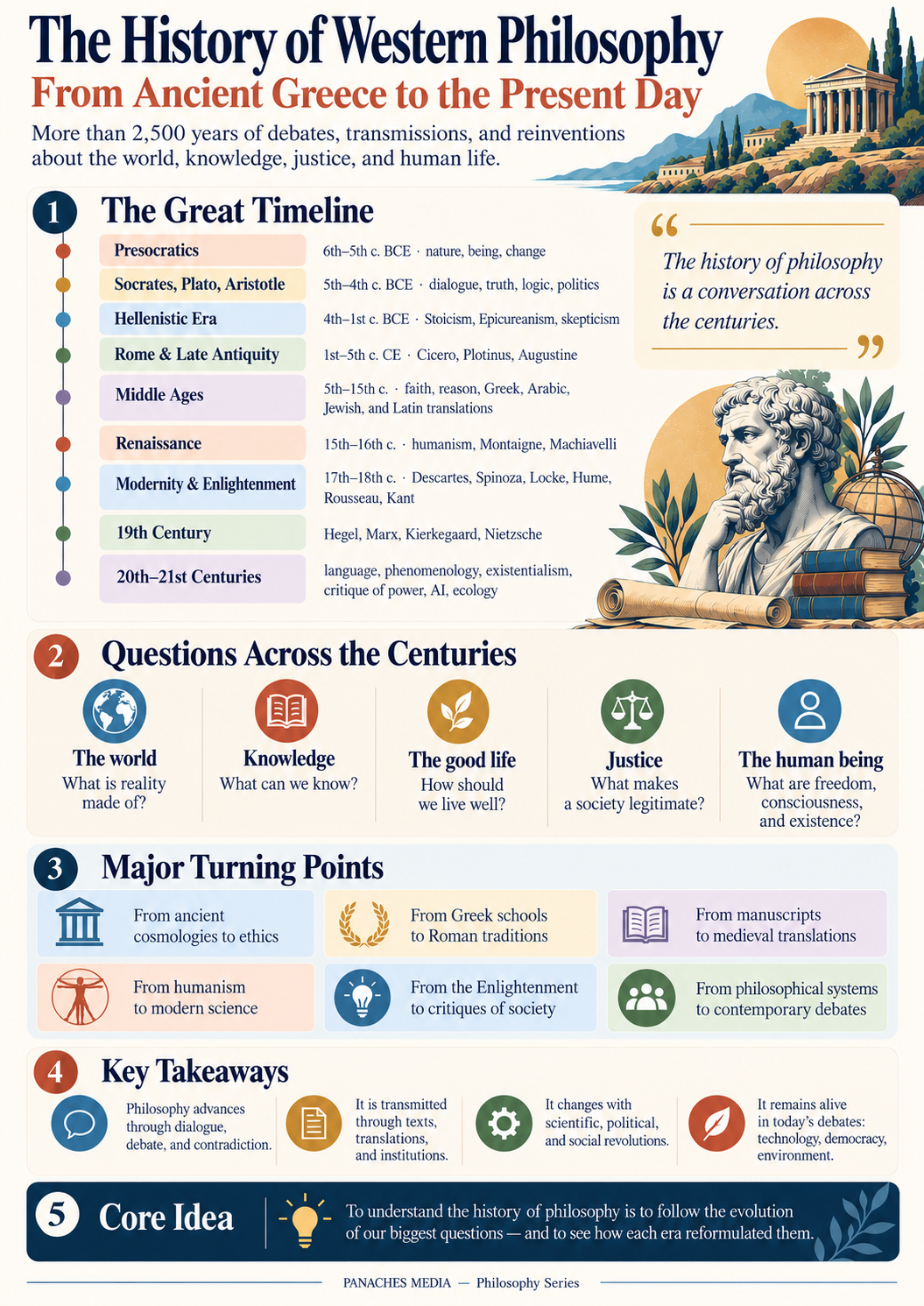
From ancient Greece to contemporary debates, discover how Western philosophy developed, transformed, and evolved over the centuries through civilizations, intellectual exchanges, and major revolutions in thought.
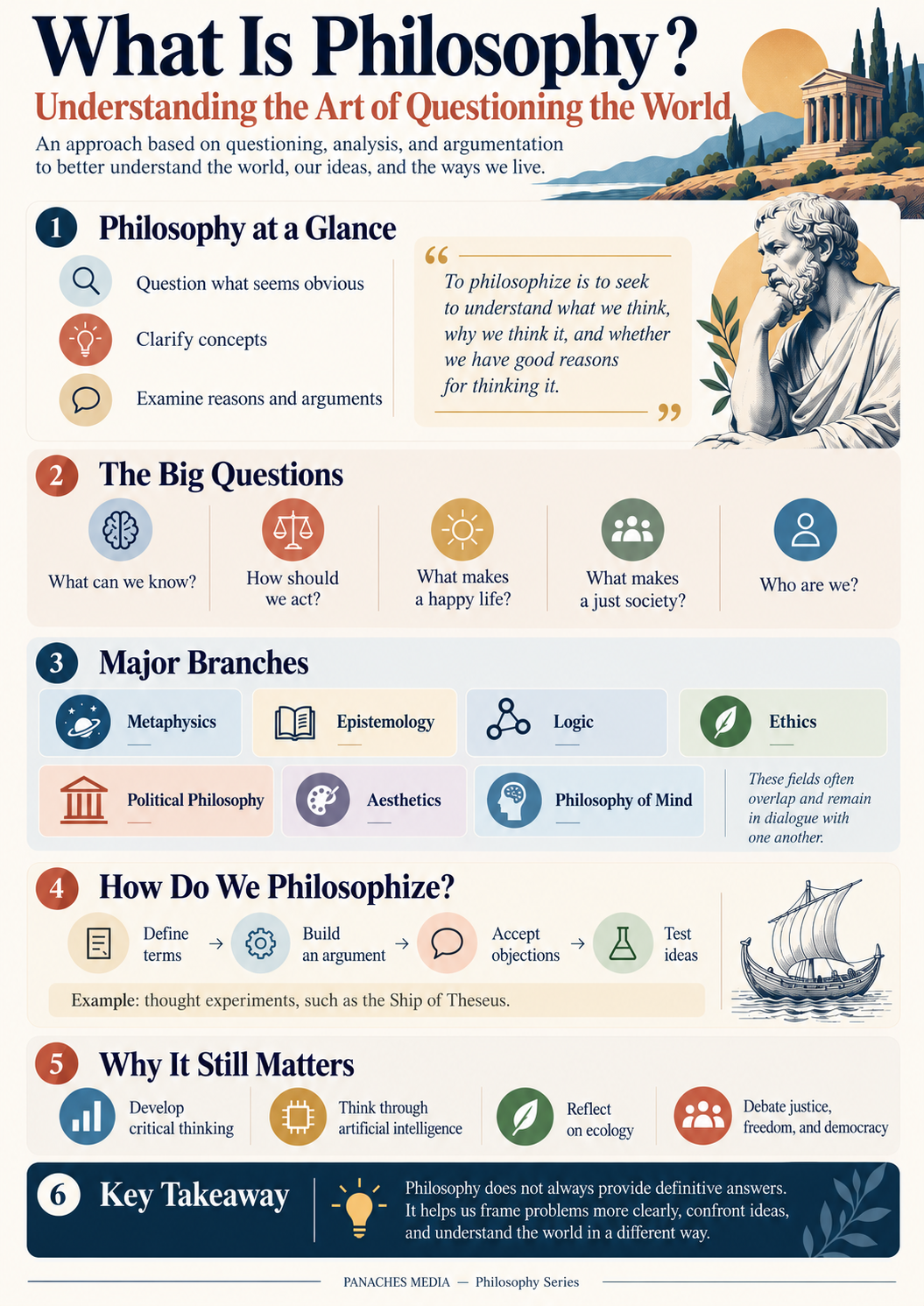
For centuries, philosophy has explored our existence, knowledge, and values. Discover its origins, fundamental questions, and distinctive ways of thinking.
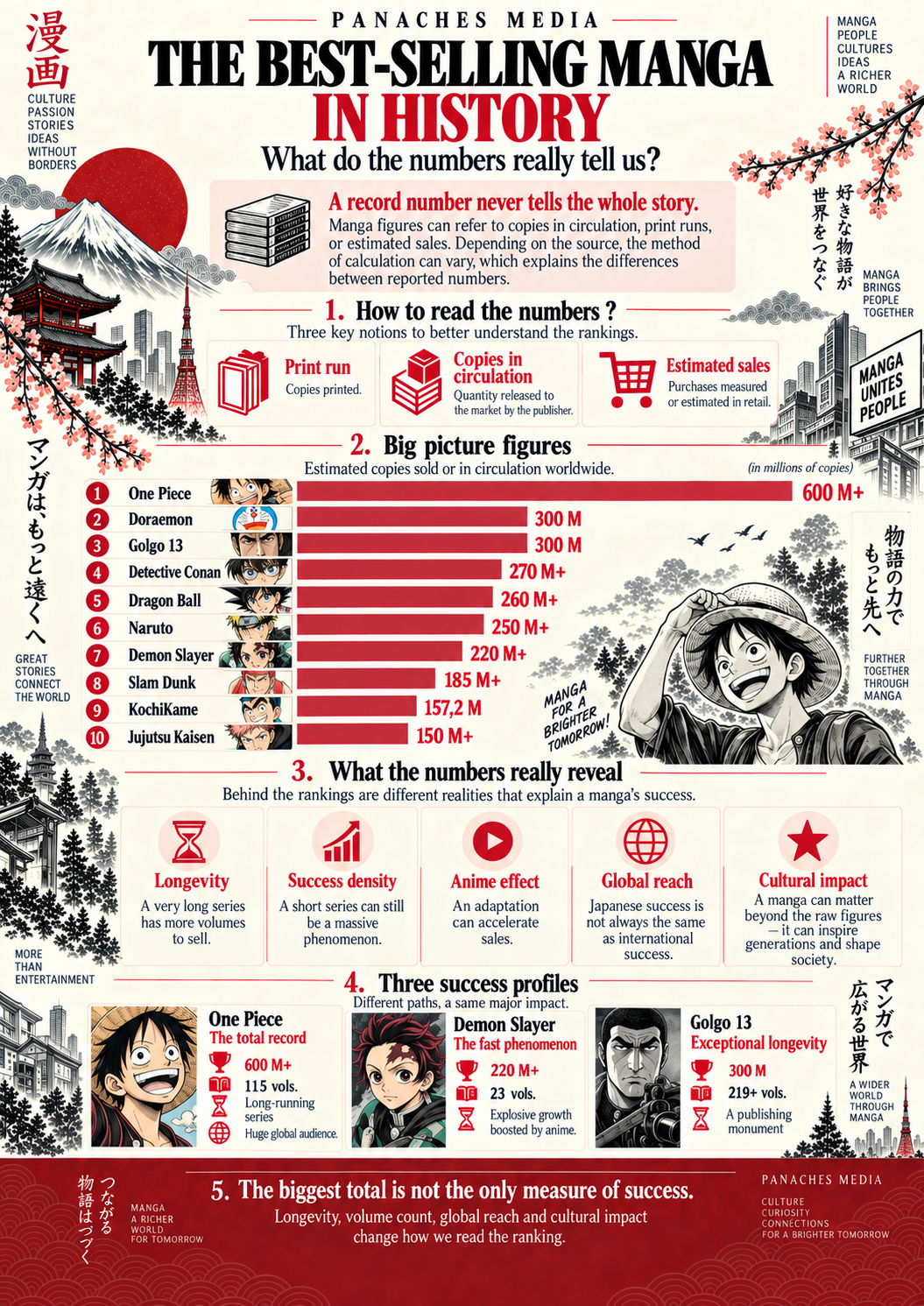
One Piece has surpassed 600 million copies in circulation, but a raw record tells only part of the story. Print runs, actual sales, number of volumes, publication length, anime adaptations and international distribution completely change how the greatest manga successes should be compared.
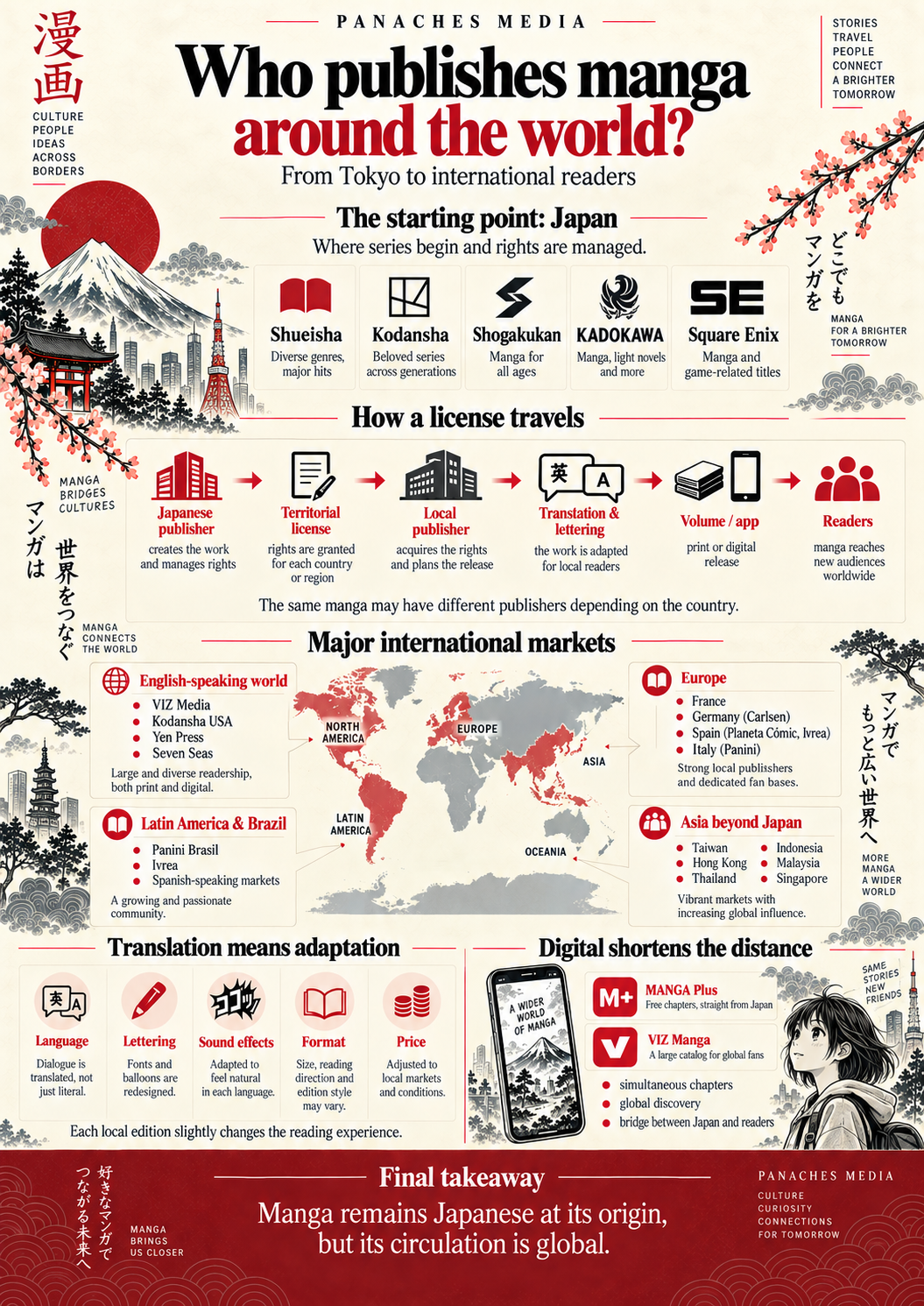
A manga can begin in a Japanese editorial office, be licensed to several foreign publishers, translated into dozens of languages and then released simultaneously on a global platform. Behind this circulation lies an international network of publishing houses, rights holders, translators and local partners.
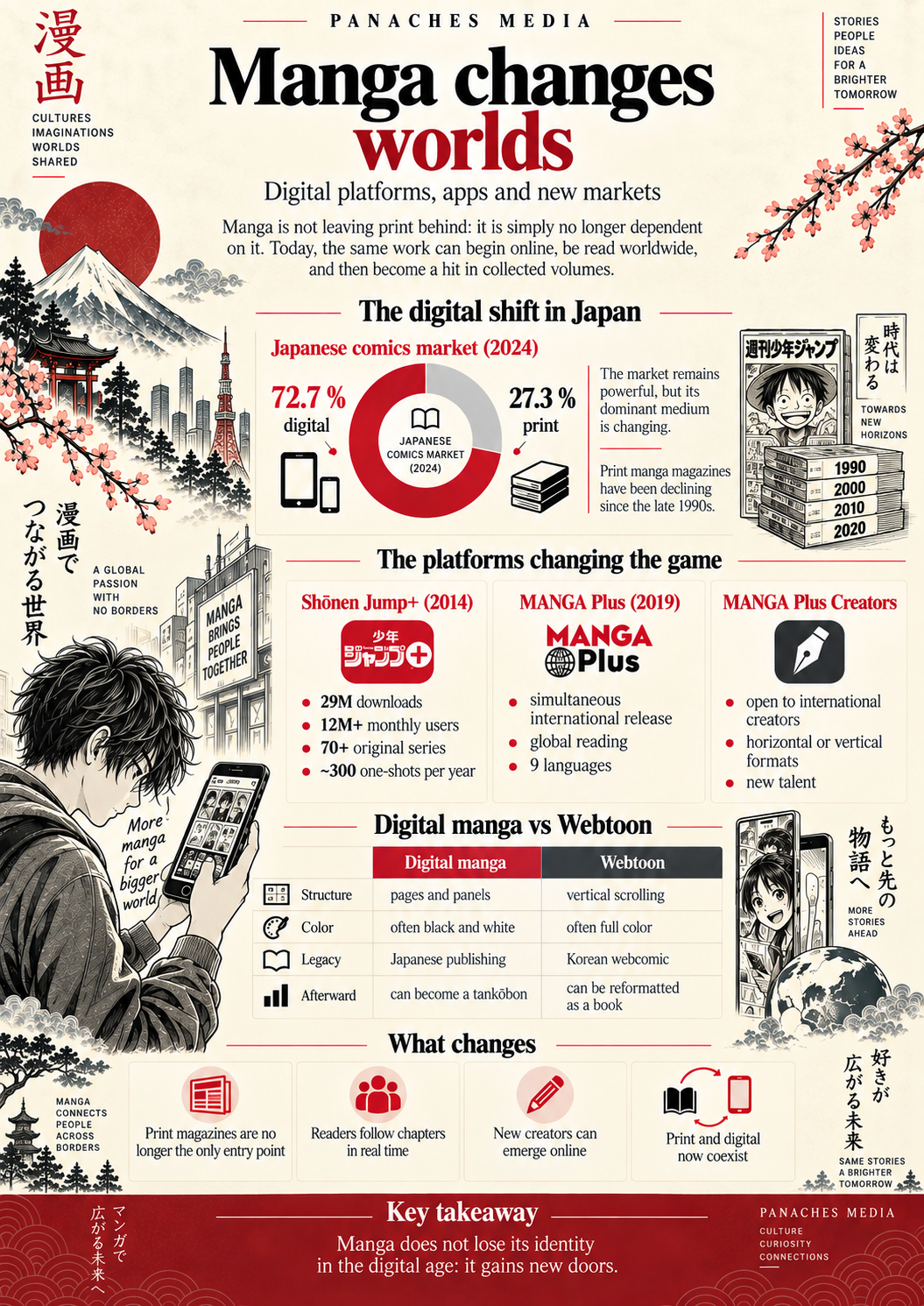
Manga no longer depends only on print magazines and bookstores. Apps, e-manga, simultaneous publication, creator platforms and new formats are bringing authors, publishers and readers around the world closer together while redefining the boundaries of manga itself.
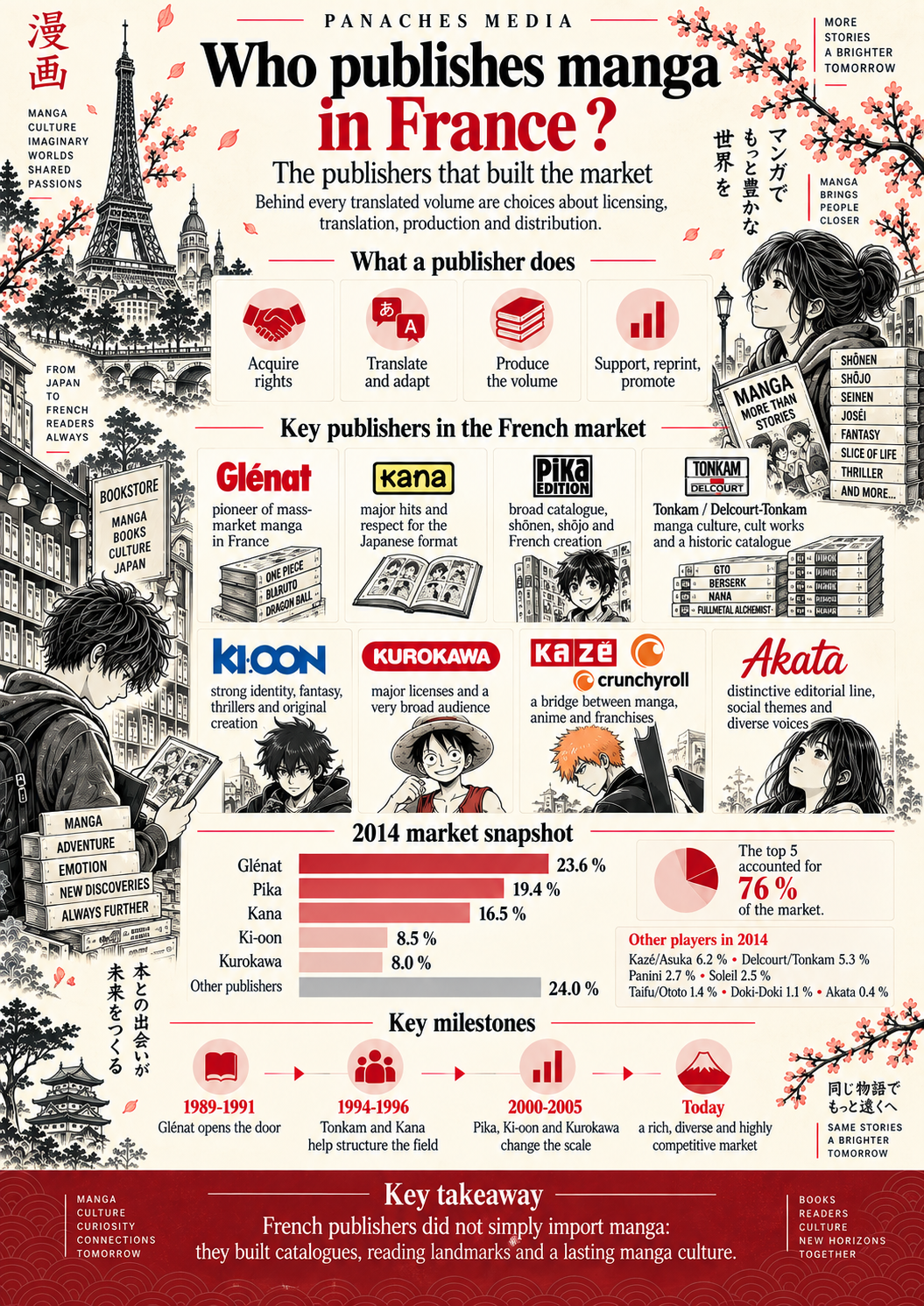
Glénat, Kana, Pika, Ki-oon, Kurokawa, Tonkam, Kazé and Akata have all helped shape the French manga market. Behind their catalogues lie licensing choices, distinct editorial identities and several decades of transformation across the industry.
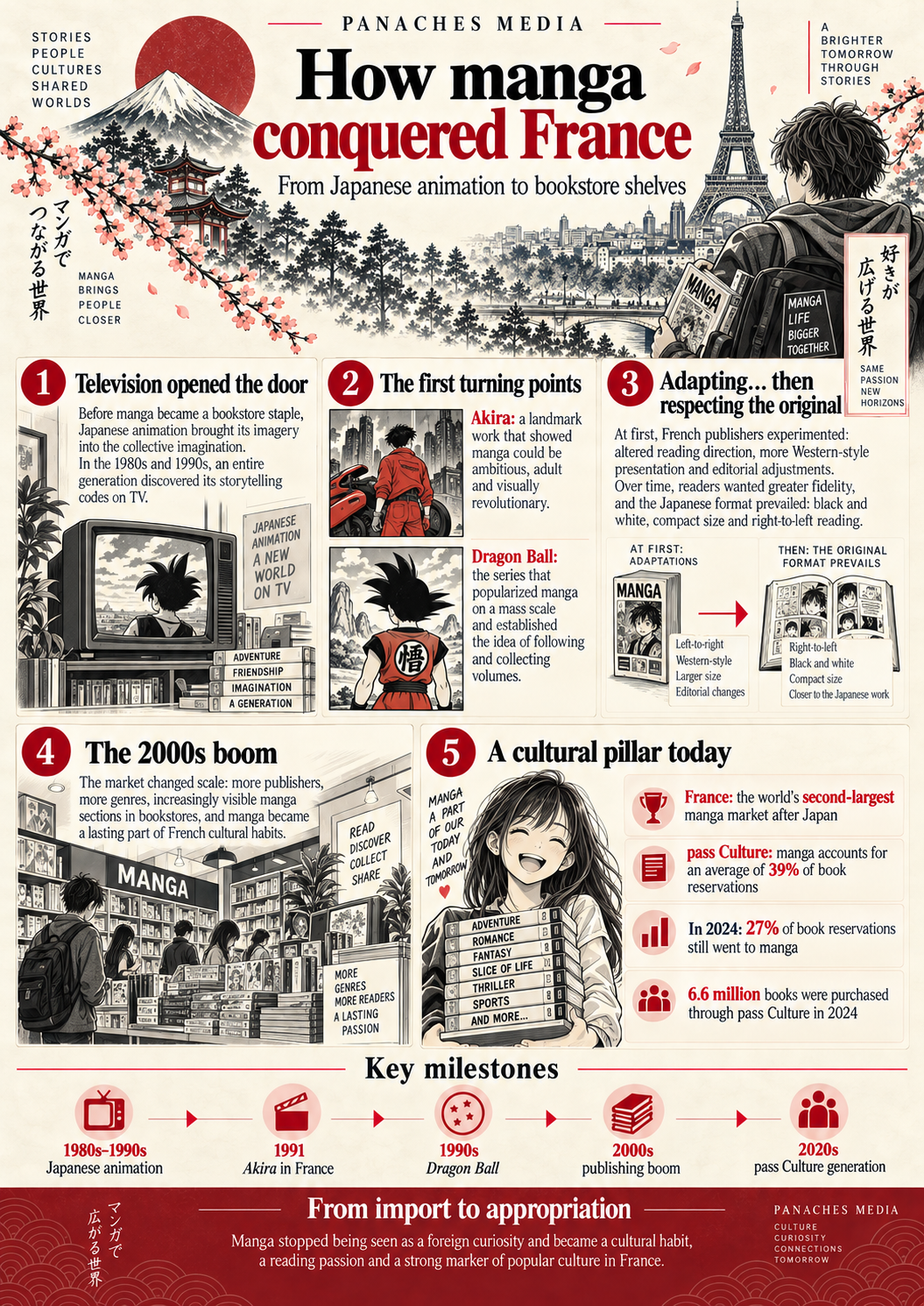
Long seen as a curiosity from Japan, manga found a particularly receptive audience in France. Through Japanese animation, pioneering publishers, sometimes highly Westernized adaptations, the gradual return to the original reading format and the spectacular growth of the 2000s, its French history reflects both a transformation of the book market and a major shift in cultural tastes.
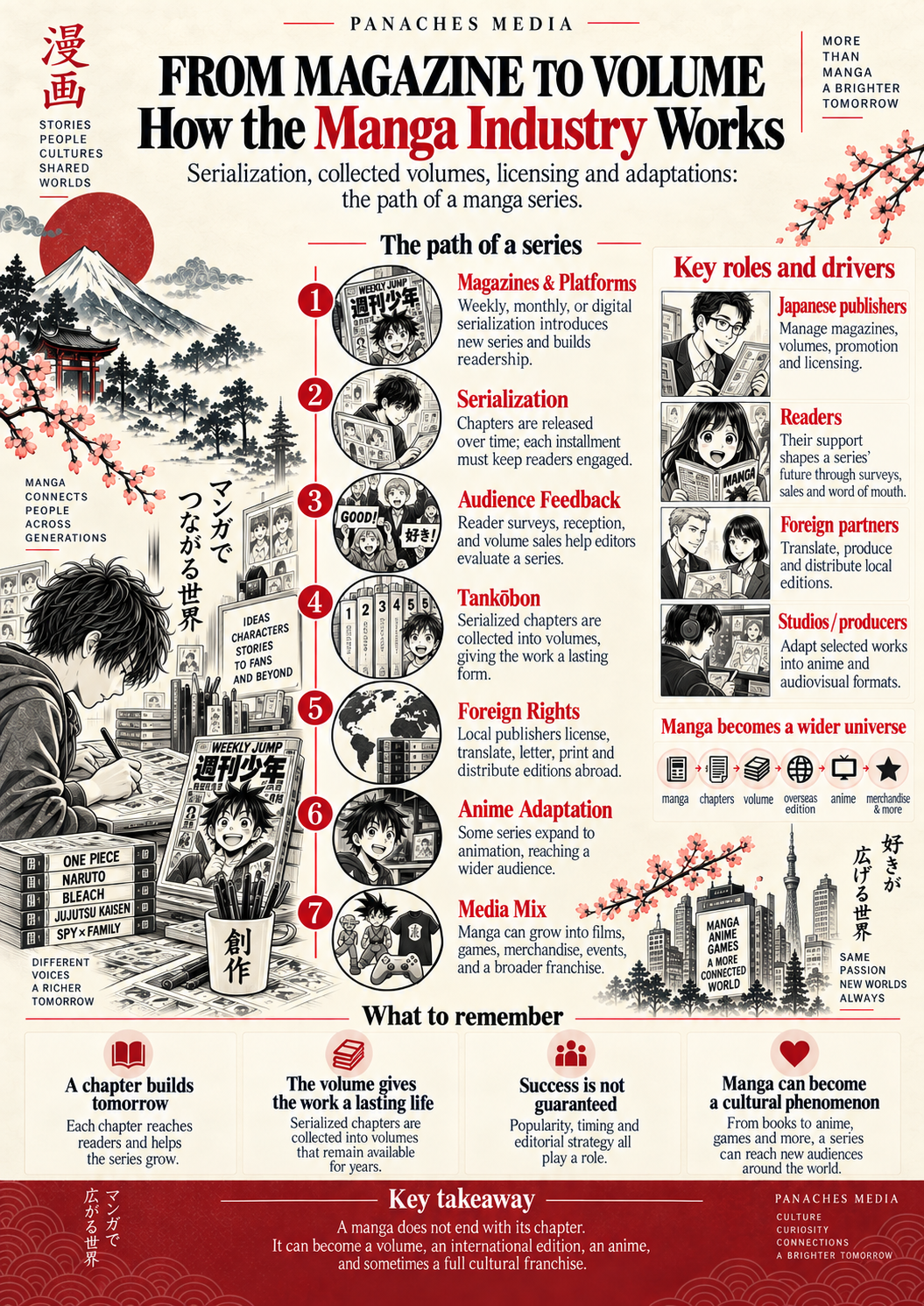
Once a chapter is finished, manga enters a much larger system: serialization in magazines or on digital platforms, audience response, collected volumes, licensing, translation and sometimes anime adaptation. Behind every series lies an entire publishing ecosystem.
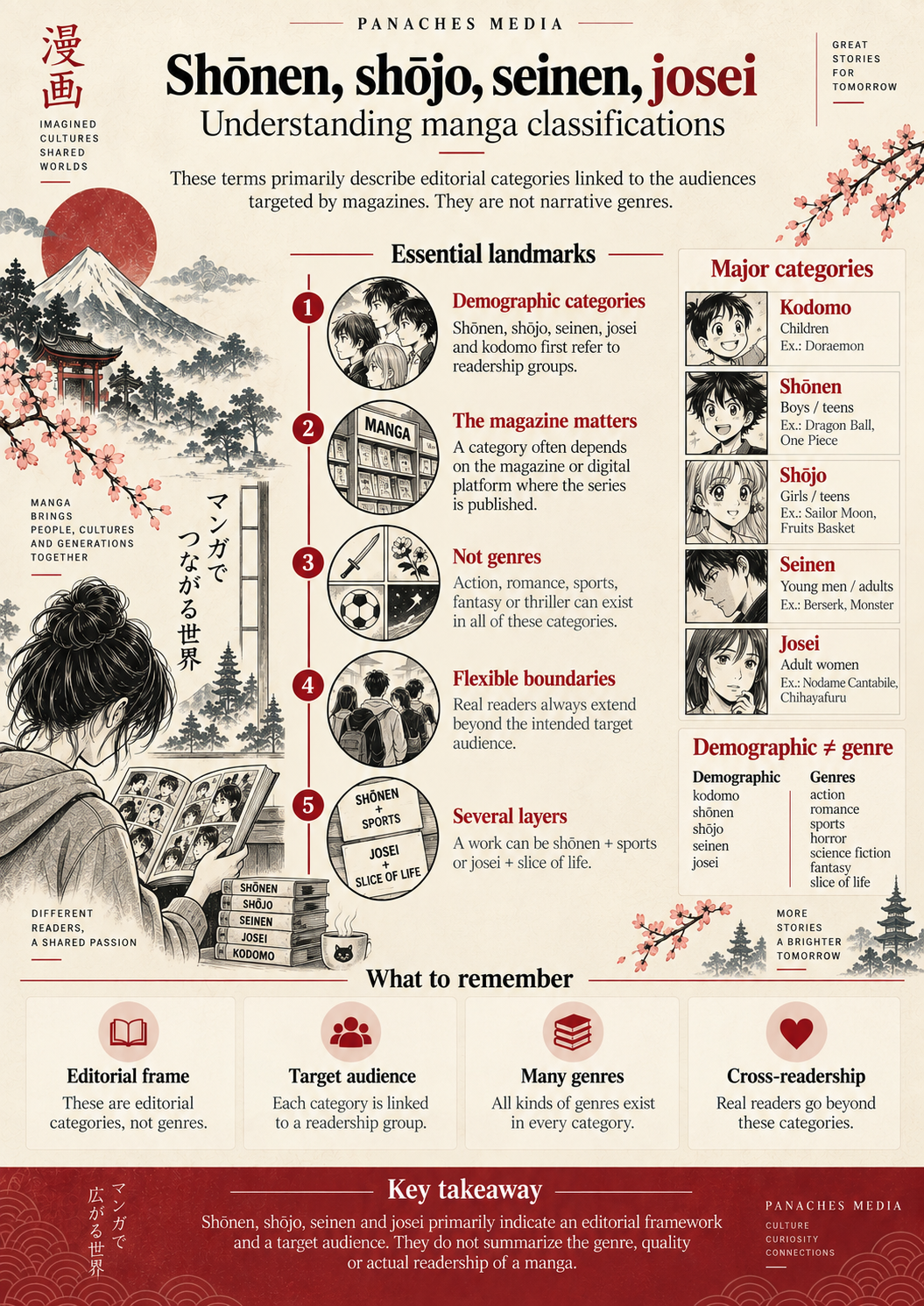
Shōnen, shōjo, seinen and josei are often mistaken for genres, even though they primarily come from the organization of Japanese publishing and the audiences targeted by magazines. Understanding this distinction makes the diversity of manga much easier to read.
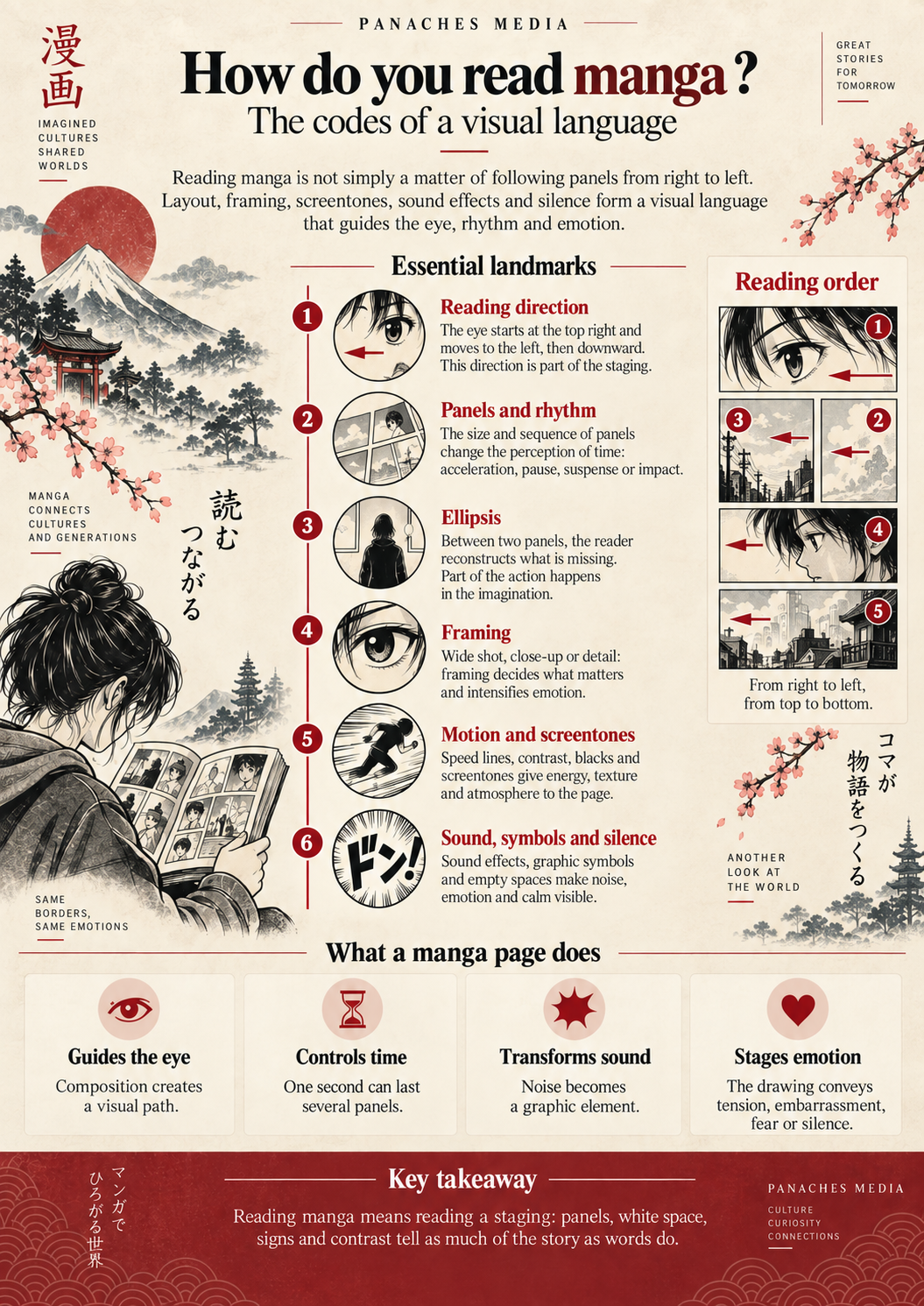
Reading manga is not simply a matter of following panels from right to left. Panel layout, framing, silence, speed lines, screentones, sound effects and graphic symbols form a true visual language that controls rhythm, movement and the reader’s emotions.
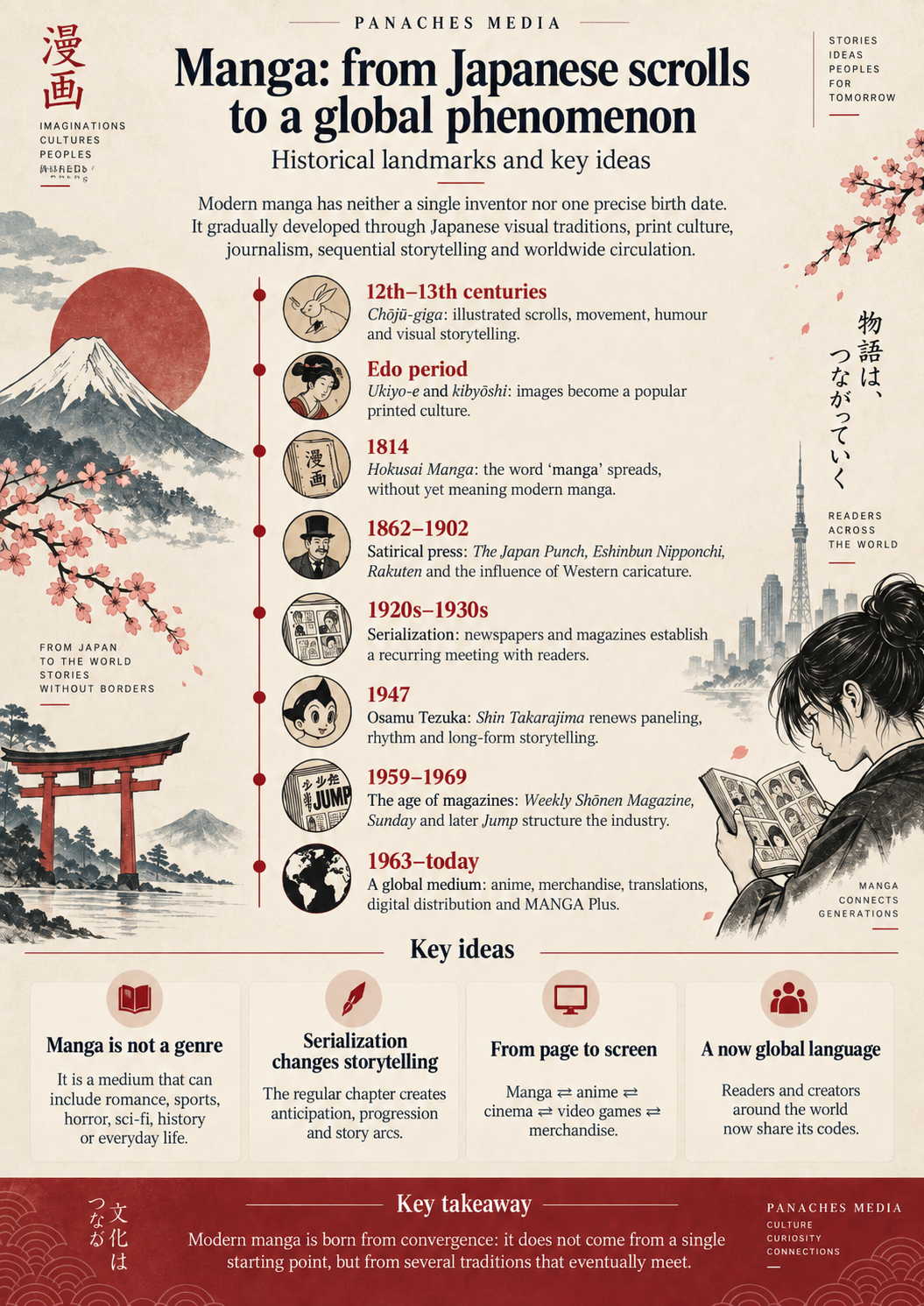
Modern manga was not born from a single artist or on one precise date. From popular imagery of the Edo period to major magazines, then from Tezuka to worldwide distribution, its history tells the story of a visual language that gradually became one of the pillars of contemporary popular culture.