














Presentation
Le Livre de Poche holds a fundamental place in the history of French publishing. Launched in February 1953 by Henri Filipacchi, it profoundly changed the way books were published, distributed, purchased and read. Its founding ambition was to offer quality literary works in manageable, affordable formats, making them accessible to a much broader audience. This initiative accompanied the social transformations of postwar France, particularly the expansion of education, the growing number of readers and the development of new cultural habits.
Le Livre de Poche did not invent the idea of the small-format book. Popular editions, inexpensive collections and publications intended for wide circulation had existed since the nineteenth century. Its originality lay in combining several elements: a prestigious literary catalogue, industrial production techniques, affordable prices and an exceptionally extensive distribution network. This model made contemporary novels, classics and works regarded as challenging available to readers without restricting them to more expensive traditional editions.
The project was conceived by Henri Filipacchi, then secretary-general of Librairie Hachette. He brought together several major French publishing houses, notably Albin Michel, Calmann-Lévy, Grasset and Gallimard, to build a catalogue drawing on established literary backlists. The earliest volumes included Kœnigsmark by Pierre Benoit, Les Clefs du royaume by Archibald Joseph Cronin, L’Ingénue libertine by Colette and Vol de nuit by Antoine de Saint-Exupéry. This selection immediately established the collection’s general-interest vocation, bringing together French literature, international novels, popular works and acclaimed writing.
The enterprise developed rapidly. Paperbacks became familiar objects in private libraries, on public transport, in schools and on holidays. Their success helped transform the very image of reading: a book was no longer necessarily an expensive, fragile object reserved for a library. It could be carried, annotated, lent, collected and replaced. This material change was accompanied by a cultural transformation, as works previously considered difficult or intended for a limited audience became accessible to new generations.
The house gradually built a particularly diverse catalogue. French and international literature formed its foundation, with authors such as Émile Zola, Gustave Flaubert, Colette, Stefan Zweig, Agatha Christie, Georges Simenon, Henri Troyat, Françoise Sagan, Amélie Nothomb, Pierre Lemaitre and Mélissa Da Costa. These publications were complemented by philosophy, history, humanities, crime fiction, thrillers, science fiction, fantasy, practical books and language-learning materials.
This diversity rests on an organisation built around specialised collections, developed over several decades. Classiques de Poche supports the discovery and study of major literary works. Biblio notably highlights modern and contemporary literary heritage, while Biblio essais and Références make works of philosophy, history and the humanities accessible. La Pochothèque brings together substantial literary works in large volumes, while crime fiction and speculative fiction collections respond to different reading interests.
Le Livre de Poche also plays a major role in education. Its editions of classics, frequently enriched with introductions, notes, documentary material and bibliographies, support school pupils, university students and readers seeking a deeper understanding of a text. Some collections provide bilingual editions or annotated translations, particularly for medieval literature and philosophical works. Accessibility therefore does not depend solely on price: it also concerns the resources made available to help readers understand literary works.
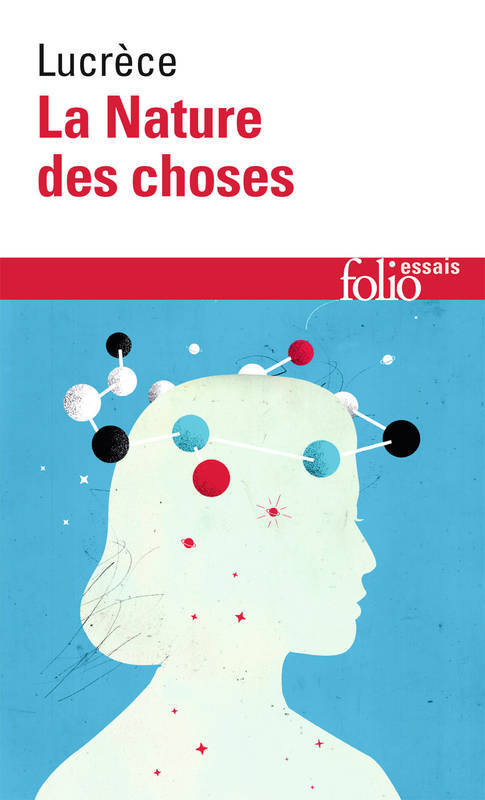
The publishing house operates through Librairie générale française, a company historically associated with Hachette Livre and its distribution activities. Its business model relies extensively on paperback editions of works originally published by other houses. It is therefore important to distinguish the original publisher, which first discovers and supports a work, from the paperback publisher, which gives it a new commercial and cultural life. Le Livre de Poche must not be confused with other major French paperback brands such as Folio, J’ai lu, Pocket or 10/18, which have different histories and corporate affiliations.
More than seventy years after its foundation, Le Livre de Poche remains a central participant in French publishing. Its catalogue brings together heritage works and contemporary successes, while its digital, graphic and cultural initiatives extend its original ambition. Its history demonstrates that democratising reading involves more than reducing book prices: it also means rethinking how books circulate, how they are presented and the place they occupy in everyday life.
History
Before 1953: The origins of popular publishing and Henri Filipacchi’s ambitions
The emergence of Le Livre de Poche belongs to a much longer history of inexpensive publishing. As early as the nineteenth century, popular collections enabled readers to acquire novels and classics at prices lower than those of traditional editions. Books published in instalments, small formats and publications designed for mass distribution were all experiments that prepared the development of the modern paperback.
In the early twentieth century, advances in printing and book production made it possible to envisage larger print runs at lower costs. In the United States and the United Kingdom, collections such as Penguin Books, founded in 1935, demonstrated that a high-quality literary catalogue could attract a large audience through appropriate pricing and distribution.
In France, Henri Filipacchi possessed extensive knowledge of the book trade. Born in 1900, he worked in publishing and participated in several important initiatives before assuming responsibilities at Librairie Hachette. He notably played a role in the early development of the Bibliothèque de la Pléiade and Série noire, two ventures that combined a recognisable editorial concept with a particular approach to authors and collections.
Following the Second World War, Filipacchi recognised the opportunities created by changes in French society. The expansion of secondary education, rising purchasing power among part of the population and growing demand for cultural leisure activities created the conditions for a new expansion of the reading public.
His project was to apply industrial and commercial methods already used in popular publishing to major literary works. The objective was not merely to sell more novels, but also to enable classic and intellectually demanding texts to reach new readers.
1953: The birth of Le Livre de Poche
On 9 February 1953, Le Livre de Poche published its first volumes under the leadership of Henri Filipacchi.
The project was supported by Librairie générale française, with the backing of Librairie Hachette and several major publishing houses. Albin Michel, Calmann-Lévy, Grasset and Gallimard notably made selected titles from their backlists available to the new venture.
The first book, bearing number 1, was Kœnigsmark by Pierre Benoit, an adventure and mystery novel whose success had already left its mark on French popular literature. The earliest titles also included Les Clefs du royaume by Archibald Joseph Cronin, Vol de nuit by Antoine de Saint-Exupéry, L’Ingénue libertine by Colette and Pour qui sonne le glas by Ernest Hemingway.
This selection demonstrated that the project was not restricted to novels considered easy reading. The catalogue brought together popular authors, established writers and works that occupied an important place in twentieth-century literature.
The books were offered at particularly low prices, comparable to those of newspapers or magazines at the time. Their compact format made them easy to transport and allowed them to become part of everyday activities: commuting, holidays, leisure time and personal reading.
The initial reception was nevertheless mixed. Some writers and critics questioned the cultural consequences of this policy: might books lose their value by becoming ordinary consumer goods?
Henri Filipacchi defended the opposite view, arguing that a literary work lost none of its quality by becoming accessible. This conviction formed the foundation of the new venture.
1953–1957: Early successes and the construction of an industrial model
The first years saw the establishment of an original editorial and commercial organisation.
Le Livre de Poche benefited from Hachette’s distribution network, whose reach made the books available in numerous bookshops and retail outlets. Large-scale production helped reduce the unit cost of individual volumes.
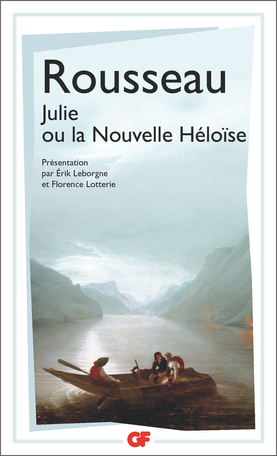
Illustrated covers also played an essential role. Unlike the often understated presentation of traditional literary editions, the earliest books featured visual compositions designed to attract attention. Portraits, narrative scenes and bright colours made the volumes immediately noticeable.
The house developed a numbering system that accompanied its publications and made individual books easier to identify. The volumes gradually became objects that readers could collect, organise and search for by number.
The publication schedule increased over the years, allowing the catalogue to be renewed regularly and maintaining a constant presence in the market.
Commercial success confirmed the relevance of the model. Already established novels gained renewed circulation, while certain works that had previously been less visible in popular distribution channels attracted fresh interest.
This first phase transformed what was still an experimental collection into a fully fledged publishing enterprise capable of supplying a rapidly expanding market over the long term.
1955–1958: Practical books and the first specialised collections
The early success encouraged Le Livre de Poche to expand rapidly beyond general literature.
In 1955, the creation of Le Livre de Poche pratique opened the catalogue to works intended to support everyday activities. Cooking, DIY, household advice and other practical skills gradually found a place in an offering no longer based exclusively on fiction.
This direction extended Henri Filipacchi’s founding ambition. The inexpensive small format could be used to disseminate directly applicable knowledge, just as it could literary works.
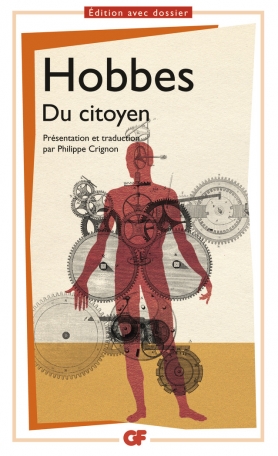
In 1958, the house launched Le Livre de Poche classique, a collection founded by writer and critic Roger Nimier. Its aim was to make major works of literary heritage accessible while providing appropriate support for their reading.
Classics were no longer simply reproduced in economical editions. They could be introduced by specialists, accompanied by prefaces and enriched with information explaining their historical and literary context.
This approach helped bring paperback publishing closer to schools and universities. It also revealed an important development: a popular format could become a genuine tool for study and cultural transmission.
The late 1950s: A new generation embraces paperback reading
By the end of the 1950s, Le Livre de Poche was experiencing particularly strong growth.
Young readers played a central role in this development. Longer periods of study, wider access to education and changing cultural habits encouraged the purchase of inexpensive books.
The collection made it possible to build a personal library gradually without investing in costly volumes. Students could discover classic novels, contemporary literature and major foreign works while keeping the books they had read.
The success was not limited to younger readers, however. Established readers also found that these editions allowed them to purchase more books and discover texts they might not otherwise have considered.
Some works began a new commercial life. Un amour de Swann by Marcel Proust, for example, reached a considerable readership, demonstrating that a work regarded as demanding could achieve popular success when offered under favourable conditions.
Le Livre de Poche thus contributed to a lasting transformation in cultural consumption: books became objects purchased more frequently, carried more easily and integrated into everyday life.
1960–1964: Crime fiction, intellectual debates and the expansion of the classics
At the beginning of the 1960s, the house continued diversifying with the creation of Le Livre de Poche policier in 1960.
The collection welcomed crime fiction, detective novels and suspense narratives. This direction responded to the growing importance of the crime genre in popular reading habits.
Writers such as Agatha Christie, Georges Simenon, Arthur Conan Doyle and Maurice Leblanc gradually helped build a catalogue in which recurring characters and criminal investigations occupied a lasting place.
At the same time, the classics continued to develop, responding to demand from schools and universities. The house gradually assembled a range of older and modern texts that enabled readers to discover French and international literature.
The success of paperbacks nevertheless provoked considerable intellectual debate. Some critics believed that large-scale commercialisation risked turning literature into an ordinary consumer product. Others defended the need to make works accessible to readers who could not otherwise afford them.
These discussions questioned the very meaning of cultural democratisation. The paperback format made books materially easier to obtain, but its appearance alone could not eliminate social differences in reading practices.
Le Livre de Poche therefore became a subject of reflection on the relationship between culture, economics and society, extending well beyond questions of editorial production.
1964–1969: The dissemination of knowledge and commercial expansion
During the mid-1960s, Le Livre de Poche continued developing its intellectual and educational activities.
In 1964, the creation of Le Livre de Poche Université, directed by Maurice Bruézière, helped distribute texts and books intended for students and readers wishing to deepen their knowledge.
The house also strengthened its catalogue of history, literary classics and reference works. Academic publications and annotated editions demonstrated that the paperback format could accommodate works requiring more substantial scholarly support.
In 1967, a series devoted to Jules Verne reissued the writer’s works with illustrations from the historic Hetzel editions. This initiative combined literary heritage with graphic heritage, preserving part of the visual identity of the original publications.
The year 1968 saw the appearance of Méthode 90, devoted to independent language learning. Le Livre de Poche thereby confirmed its intention to offer books for purposes extending beyond traditional literary reading.
Commercial growth continued rapidly. By the end of the decade, sales had reached considerable levels, making Le Livre de Poche one of the major participants in the French market.
Its success also inspired competitors. J’ai lu, launched in 1958, and Presses Pocket, developed from the 1960s onwards, helped establish a genuine paperback publishing sector.
The model launched in 1953 was therefore no longer an exception: it had become an essential component of the French book economy.
1972: The birth of Folio transforms the market
At the beginning of the 1970s, Le Livre de Poche experienced a significant change in its publishing environment.
From its beginnings, the collection had benefited from partnerships with several major houses, including Gallimard, which entrusted it with paperback editions of numerous titles from its catalogue.
This relationship ended when Gallimard decided to develop its own paperback publishing policy.
In 1972, the house founded by Gaston Gallimard launched Folio, under the impetus of Claude Gallimard, with a graphic identity designed by Robert Massin.
This change led to the withdrawal of a substantial part of Gallimard’s backlist that had previously been available through Le Livre de Poche. Works by Albert Camus, Jean-Paul Sartre, André Malraux and Antoine de Saint-Exupéry gradually moved into the Folio publishing environment.
The event represented a strategic rupture. Le Livre de Poche now had to operate in a market where publishing houses increasingly sought direct control over paperback editions of their own catalogues.
This development helped restructure the French market. Major collections were no longer distinguished solely by price or format: they sought to establish their own editorial, graphic and commercial identities.
For Le Livre de Poche, the challenge was to renew its partnerships, diversify its publications and preserve a sufficiently broad general-interest catalogue to meet readers’ expectations.
The 1970s: Science fiction, guides and catalogue diversification
The 1970s saw the development of several new editorial directions.
In 1974, the Guides du Livre de Poche expanded practical and nonfiction publishing. They responded to readers seeking accessible information on a wide variety of subjects.
Speculative fiction also acquired increasing importance. During this period, Le Livre de Poche welcomed major works of science fiction and helped disseminate narratives devoted to possible futures, technological transformations and imaginary worlds.
Anthologies and reissues introduced literary traditions that were already well established in English-speaking countries, while supporting their reception in France.
Crime fiction also continued developing, with classic and contemporary writers whose series attracted a substantial and loyal readership.
These activities demonstrated the house’s ability to expand its catalogue without abandoning its original direction. General literature remained central, but now coexisted with sectors possessing their own conventions, authors and audiences.
This diversification prepared the way for the major specialised collections that would emerge over the following decades.
1979: Le Livre de Poche Jeunesse supports young readers
In 1979, the launch of Le Livre de Poche Jeunesse marked an important stage in the brand’s history.
The collection, developed within the publishing environment of Hachette Jeunesse, made literary works available to children and teenagers in affordable formats.
This initiative belonged to a broader transformation of French children’s literature. Books for younger readers were no longer limited to picture books or traditional collections: paperback fiction became a means of supporting reading development and encouraging independence among young readers.
The catalogue gradually welcomed adventure stories, fantasy narratives, crime fiction, classics and contemporary works suited to different age groups.
Over the following years, various series made it possible to distinguish audiences according to their reading abilities and interests.
Le Livre de Poche Jeunesse therefore helped make novels more accessible to families and school libraries while accompanying the development of literature specifically intended for children and teenagers.
However, this activity, historically associated with Hachette Jeunesse, must be distinguished from the adult catalogue published by Librairie générale française.
1982–1983: Biblio and Biblio essais give literature and ideas a new place
At the beginning of the 1980s, Le Livre de Poche developed two collections that would leave a lasting mark on its intellectual identity.
In 1982, Jean-Claude Brisville established Biblio, devoted particularly to major modern and contemporary literary works.
The collection made it possible to discover or rediscover writers whose works possessed enduring importance but did not always enjoy the same commercial visibility as new releases.
Authors such as Stefan Zweig, Sándor Márai, Primo Levi, Karen Blixen, Yasunari Kawabata and Marina Tsvetaeva gradually helped build a literary collection open to different languages and traditions.
Biblio was based on a heritage-oriented conception of paperback publishing: certain texts deserved to return to circulation not merely because they had enjoyed past success, but because they retained literary power capable of reaching new generations.
In 1983, Bernard-Henri Lévy founded Biblio essais, which welcomed works of philosophy, humanities and contemporary thought.
The collection helped make the work of thinkers such as Emmanuel Levinas, René Girard and François Jullien, among other important intellectuals, more accessible.
Biblio and Biblio essais reflected a shared ambition: turning paperback publishing into a means of intellectual transmission, capable of preserving literary works and ideas beyond their initial publication.
1983–1989: Thrillers, science fiction and foreign languages
During the second half of the 1980s, Le Livre de Poche strengthened several specialised sectors.
In 1983, the Thriller collection helped distinguish contemporary suspense narratives from more traditional forms of crime fiction. It welcomed stories centred on narrative tension, danger and psychological mechanisms, responding to developments in a particularly popular genre.
In 1986, Le Livre de Poche developed its science fiction collection under the direction of Gérard Klein, a writer, critic and important figure in French speculative fiction publishing.
This direction helped organise a catalogue devoted to speculative narratives, future worlds, space travel and questions about scientific and social transformation.
In 1988, Les Langues modernes offered monolingual and bilingual books intended to support the learning of languages such as English, German, Spanish and Italian.
The following year saw the creation of Lettres gothiques, a collection directed by Michel Zink and devoted to medieval literature.
Its originality notably lay in the publication of bilingual editions that allowed readers to discover older texts in their original language, accompanied by translations and scholarly commentary.
These different initiatives demonstrated that Le Livre de Poche was no longer content merely to offer inexpensive books. It was developing collections in which selection, translation, annotation and documentary presentation became essential elements of editorial work.
1990–1992: Philosophy, Références and La Pochothèque
At the beginning of the 1990s, the house continued its policy of transmitting knowledge.
In 1990, the Classiques de la philosophie collection, directed by Jean-François Balaudé, strengthened the presence of major philosophical texts in the catalogue.
It offered works accompanied by resources designed to help readers understand concepts, intellectual traditions and difficulties specific to philosophical reading. This approach addressed both students and readers wishing to deepen their knowledge of philosophy.
In 1992, Le Livre de Poche developed Références, a collection devoted to humanities, history, literature and intellectual reflection.
Unlike a simple reprint collection, some volumes offered surveys or original texts designed to present a field of knowledge clearly.
The same year saw the emergence of La Pochothèque, established by Dominique Goust.
This collection adopted an approach different from that of the traditional small paperback. It brought together essential texts, literary collections or works by a single author in substantial volumes.
Writers such as Miguel de Cervantes, Stefan Zweig, Georges Perec, Irène Némirovsky and Doris Lessing were among the authors associated with this approach.
La Pochothèque demonstrated that the identity of Le Livre de Poche did not depend exclusively on the small size of its books. It also rested on the ambition to make substantial literary and intellectual collections available in editions suited to their content.
The 1990s–2000s: New authors and the strength of general literature
Throughout the 1990s and 2000s, Le Livre de Poche continued developing its activities in French and international literature.
Publications by Amélie Nothomb, Philippe Claudel, Erik Orsenna, Tatiana de Rosnay, Katherine Pancol and Pierre Lemaitre gradually illustrated the diversity of a catalogue in which contemporary fiction occupied a major place.
The house also supported international authors and translated works, extending their circulation well beyond their initial large-format publication.
This activity relied on relationships with numerous original publishers, which entrusted selected titles to Le Livre de Poche to provide them with a new commercial life.
Cover designs evolved to reflect public tastes, aesthetic changes and new literary genres. Promotional campaigns also developed, particularly around prize-winning novels, major bookshop successes and film or television adaptations.
At the same time, Le Livre de Poche continued developing its backlist. Works by Colette, Zola, Maupassant, Stefan Zweig and Agatha Christie remained in circulation, sometimes through new translations or updated editions.
This coexistence of heritage works and recent literature formed one of the fundamental elements of its publishing model.
2007–2010: Fantasy, comics and new forms of literary heritage
During the 2000s, Le Livre de Poche continued diversifying into contemporary popular culture.
In 2007, the creation of a collection specifically devoted to fantasy accompanied the considerable growth of imaginary worlds, major sagas and narratives combining mythology, magic and adventure.
The catalogue gradually welcomed major authors and fictional worlds, notably J. R. R. Tolkien, Brandon Sanderson and other writers representative of the genre.
Publishing policy had to take account of the distinctive characteristics of these works: extensive cycles, multiple volumes, translation consistency and the need to keep the different instalments of a series available.
In 2008, the creation of Bulles en poche also reflected a desire to explore comics in formats different from traditional albums.
The initiative addressed specific production challenges: the readability of panels, adaptation of dimensions and preservation of the relationship between artwork and text.
In 2010, the La Lettre et la Plume collection proposed another way of exploring history through memoirs, correspondence, diaries and chronicles.
This interest in personal documents complemented major historical narratives and traditional essays. It allowed events to be approached through individual experiences and firsthand accounts.
Together, these initiatives confirmed a constant direction: adapting paperback publishing to different cultural forms without limiting its identity to general literary fiction.
2013: Sixty years of history and the development of digital publishing
In 2013, Le Livre de Poche celebrated its sixtieth anniversary.
The occasion made it possible to assess the transformations achieved since 1953. Originally conceived as an inexpensive collection, Le Livre de Poche had become a publishing house with an extensive catalogue, numerous authors and several specialised sectors.
The celebrations notably revisited the role of Henri Filipacchi, the creation of the earliest collections and changes in reading habits.
The anniversary also accompanied a new stage with the development of L’E-book du Livre de Poche, devoted to digital publications.
The house adapted part of its catalogue to e-readers and new reading practices. This evolution did not replace printed books, but added another means of making works available.
Digital publishing raised new questions concerning formats, publication rights and access to texts.
For Le Livre de Poche, it represented an extension of its original ambition: enabling readers to discover literary works in conditions suited to their reading practices.
2015–2019: Le Camion qui livre and the renewal of major popular successes
In 2015, Le Livre de Poche launched Le Camion qui livre, an initiative intended to meet readers in different locations, particularly during the summer.
The project took the form of a travelling bookshop that toured France, offering literary encounters, recommendations and events devoted to reading.
It extended an idea present since the house’s beginnings: books should be able to reach their readers, including outside traditional bookshops.
This approach complemented established distribution networks by giving book circulation an event-based and welcoming dimension.
At the same time, Le Livre de Poche continued developing contemporary literature through authors who attracted particularly broad audiences.
In 2019, the arrival of novels by Guillaume Musso in its catalogue marked an important commercial milestone.
The house also distributed works by writers such as Valérie Perrin, Aurélie Valognes, Virginie Grimaldi, Pierre Lemaitre, Mélissa Da Costa and Sorj Chalandon, helping extend their success among readers.
General literature therefore remained an essential pillar of the catalogue, even as specialised collections became increasingly visible.
2023: The seventieth anniversary of a publishing revolution
In 2023, Le Livre de Poche celebrated its 70th anniversary with a campaign devoted to its history and its place in readers’ lives.
Figures released for the occasion highlighted the scale reached by the enterprise. At the end of 2022, its catalogue contained approximately 6,000 available titles, while some 25,000 titles had been published since its foundation.
The house reported that approximately 1.2 billion copies had been distributed throughout its history, illustrating the significance of its influence on the French market.
The celebrations gave particular prominence to authors whose works had accompanied several generations of readers.
Figures such as Agatha Christie, Colette, Stefan Zweig, Régine Deforges, Émile Zola, Pierre Lemaitre and Amélie Nothomb illustrated the variety of the catalogue and its ability to keep works available for decades.
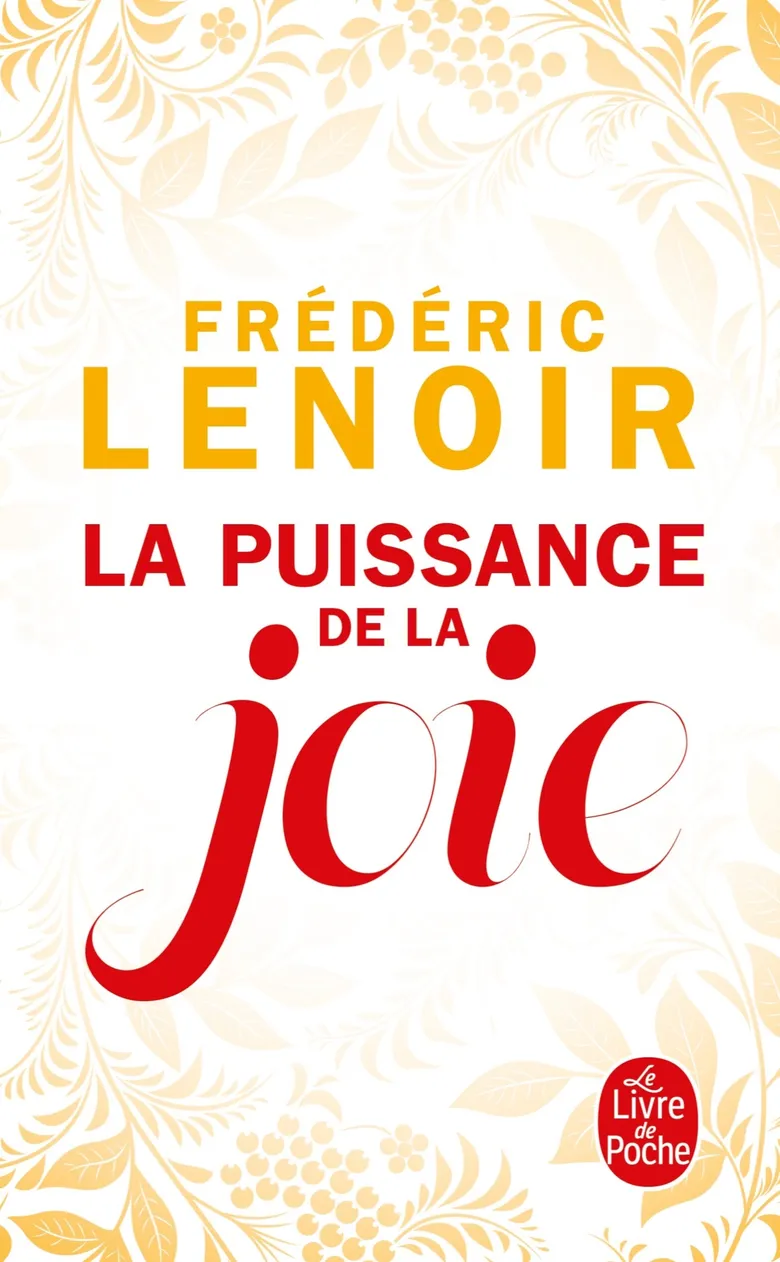
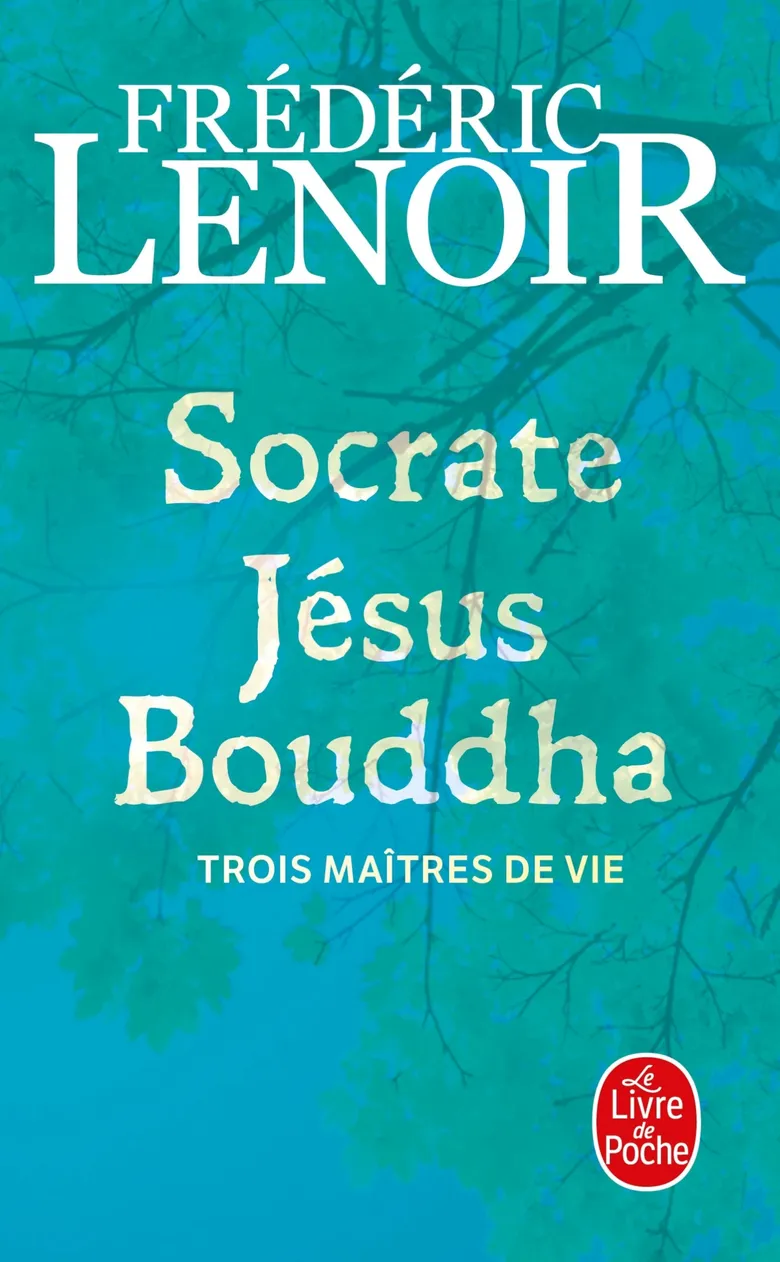
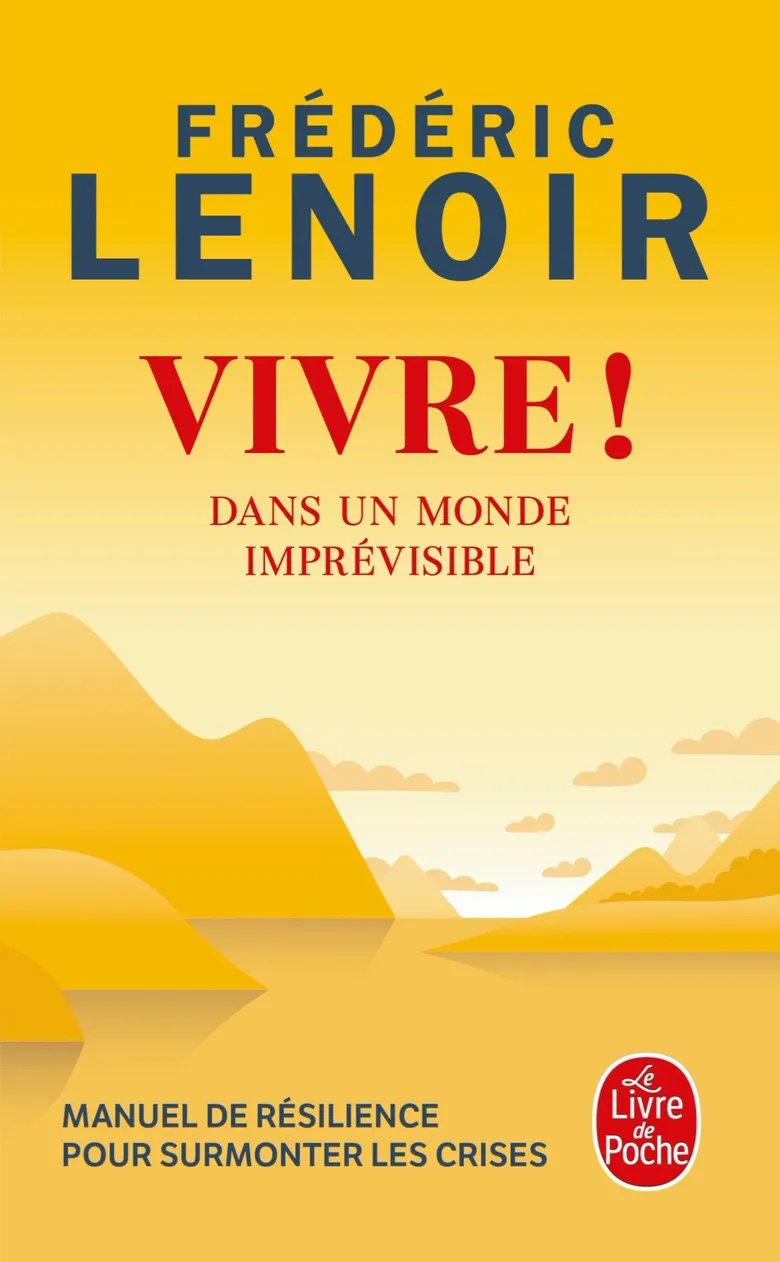
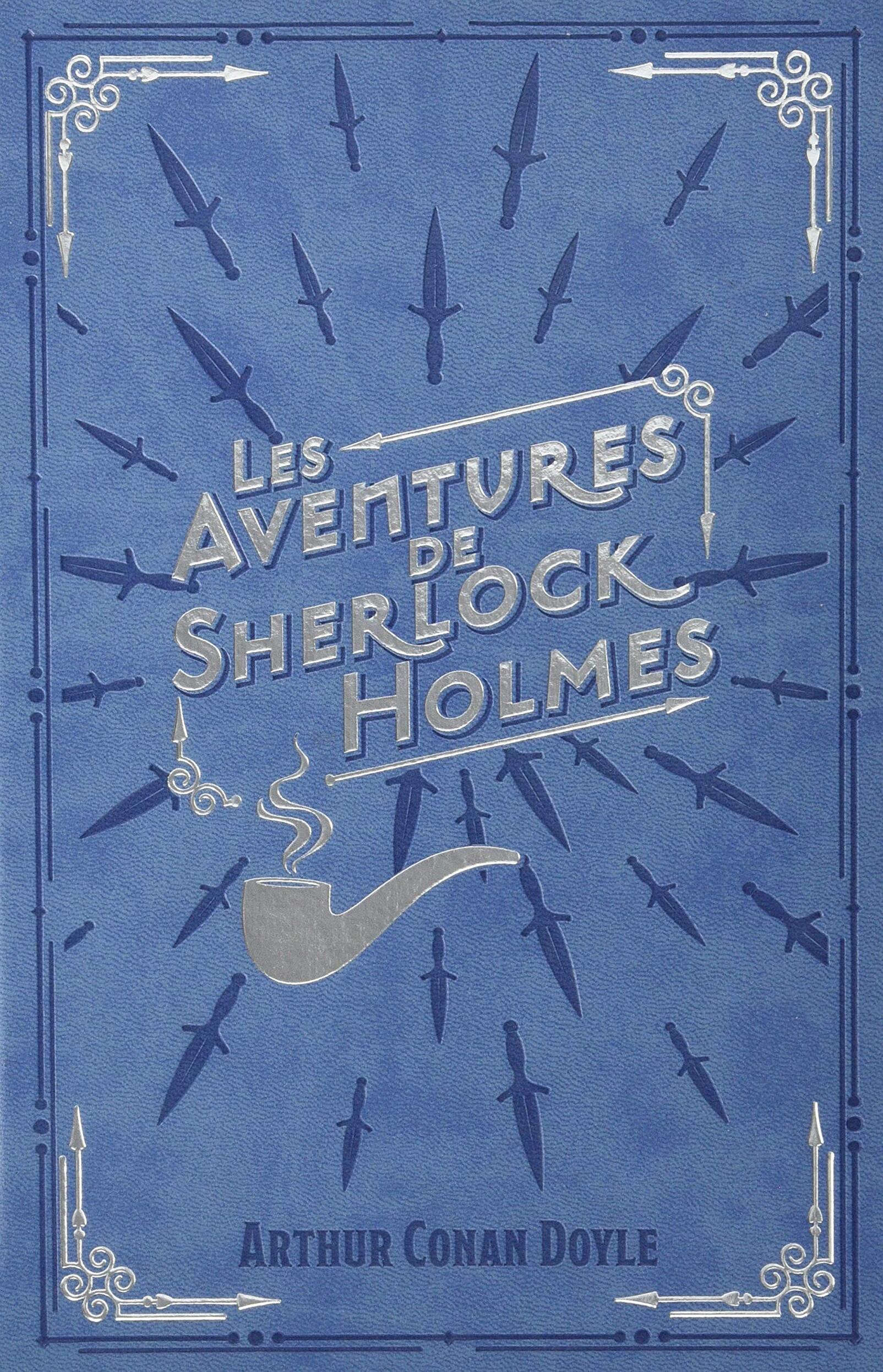
Cover design and special editions were also highlighted. Some publications received new graphic presentations, while others retained historic illustrations associated with their reception.
The anniversary also recalled that Le Livre de Poche had done more than transform book prices. It had changed their cultural status, their distribution and the reading habits of several generations.
Since 2024: Literary heritage, new audiences and diversified reading interests
During the mid-2020s, Le Livre de Poche continued operating in an environment shaped by changing reading practices and competition between formats.
The house continued publishing contemporary novels, classics, essays, thrillers and works of speculative fiction.
Editions of works by Pierre Lemaitre, Agatha Christie, Georges Simenon, Stefan Zweig, Valérie Perrin and Mélissa Da Costa demonstrated the coexistence of an established backlist and recent successes.
The catalogue also continued opening up to new fantasy worlds. In 2025, the arrival of The Witcher by Andrzej Sapkowski at Le Livre de Poche illustrated the increasing importance of major sagas within speculative fiction publishing.
Editorial policy combined republication, graphic renewal and the preservation of older works while continuing to develop books for school audiences and readers interested in specialised genres.
The Prix des Lecteurs du Livre de Poche also continued evolving. Its reader juries notably recognised literature, crime fiction, nonfiction and essays, as well as speculative fiction, giving readers an active role in recognising works.
Meanwhile, Le Camion qui livre continued its travels and encounters, emphasising the importance of relationships between publishers, booksellers and the public.
More than seven decades after its creation, Le Livre de Poche remains associated with a founding conviction: major literary works, new discoveries and knowledge should be able to circulate widely, regardless of the prestige or price of their original editions.
What Sets It Apart
A revolution in access to books
Le Livre de Poche’s principal contribution to French publishing history lies in transforming material access to literary works.
Before its launch, traditional literary editions could represent a substantial expense, particularly for younger readers, students and people with modest incomes.
Le Livre de Poche made it possible to purchase novels and classics in inexpensive formats without sacrificing the diversity of the works available.
Its originality did not simply consist of reducing the dimensions of books. It rested on a complete organisation combining industrial production, editorial selection, large-scale distribution and attractive presentation.
This transformation helped make the book an object of everyday life. It could be carried on public transport, slipped into a bag, lent, annotated or collected without being treated as a precious object that had to be kept at a distance.
Le Livre de Poche thus contributed to a profound change in cultural practices by bringing literary works closer to readers and their ordinary activities.
A catalogue built through cooperation between publishers
The founding model of Le Livre de Poche rests on an important characteristic: cooperation with several publishing houses.
From 1953 onwards, Henri Filipacchi brought together publishers with prestigious literary backlists, notably Albin Michel, Calmann-Lévy, Grasset and Gallimard.
This organisation made it possible to offer a much broader catalogue than that of a publisher issuing only its own new works.
It was based on a fundamental distinction between a text’s original publication and its subsequent editions.
A novel could first be discovered and published by one house before benefiting from renewed circulation in a paperback collection. Its format, cover and sometimes presentation would change, allowing it to reach a different readership.
This cooperation largely explains the breadth of the Le Livre de Poche catalogue, but it also requires accurate attribution of works. Paperback publication should not obscure the history of their original editions.
A library combining popular literature and demanding works
From its earliest years, Le Livre de Poche refused to limit its catalogue to entertainment fiction.
Texts such as Un amour de Swann by Marcel Proust or the Mémoires du cardinal de Retz demonstrated that works regarded as complex could reach a substantial audience when they became financially accessible.
This direction represents an essential difference from a strictly commercial conception of popular publishing.
Le Livre de Poche brought together adventure novels, literary classics, essays, poetry, practical books and reference works.
This diversity allowed readers to move between genres, discover unfamiliar writers and gradually develop their interests.
The catalogue thus functioned as an open library in which popular works and literary heritage were not separated by an insurmountable boundary.
Classiques de Poche: Bringing literary heritage to life
Classiques de Poche represents one of the most important dimensions of Le Livre de Poche’s cultural policy.
The collection is based on a dual ambition: keeping major works available and supporting their understanding.
Texts may be enriched with historical introductions, prefaces, notes, timelines, bibliographies and documents that place a work in its context.
This approach particularly benefits readers discovering older texts, whose language, references and concerns may require explanation.
Authors such as Molière, Racine, Voltaire, Balzac, Flaubert, Zola, Maupassant, Shakespeare and Oscar Wilde therefore appear in editions suited to the needs of different audiences.
The collection is not limited to school reading. It also enables adult readers to return to familiar works, discover them in new translations or deepen their understanding.
Le Livre de Poche thus helps keep literary heritage alive within contemporary reading practices.
Biblio and the rediscovery of major literary voices
Through Biblio, Le Livre de Poche developed a particular approach to transmitting modern and contemporary literature.
The collection gives considerable prominence to writers whose works possess enduring value but who may have enjoyed less visibility in bookshops during certain periods.
Publications by Sándor Márai, Stefan Zweig, Karen Blixen, Primo Levi, Yasunari Kawabata, Marina Tsvetaeva and Elizabeth Gaskell illustrate the geographical and literary diversity of this policy.
Biblio makes it possible to discover writing removed from immediate market trends without restricting it to scholarly editions or prestigious collections.
It helps extend the life of texts whose reception can change over successive generations.
Its value therefore lies as much in preserving literary heritage as in enabling new discoveries.
An enduring commitment to philosophy and the humanities
Le Livre de Poche also occupies an important place in disseminating knowledge.
Through Biblio essais, Références and its philosophical collections, it offers works intended to explain ideas, historical events and social transformations.
Its editorial policy does not consist solely of reproducing already available texts. Some collections offer surveys, annotated editions and books specifically designed to support learning.
Publications by writers such as Emmanuel Levinas, René Girard, François Jullien, Élisabeth Badinter and Élisabeth Roudinesco illustrate the house’s openness to several fields of thought.
This activity demonstrates that the paperback can serve as a demanding intellectual tool, suited to personal research, education and the exploration of major contemporary questions.
Price and reduced dimensions become means of transmission without determining the intellectual level of the works themselves.
La Pochothèque: Moving beyond the limitations of small formats
The creation of La Pochothèque reveals another dimension of Le Livre de Poche’s identity.
This collection brings together complete works, extensive groups of texts or representative selections by a writer in substantial volumes.
It allows readers to approach an author through the continuity of their work rather than discovering their books solely as separate publications.
Writers such as Cervantes, Georges Perec, Stefan Zweig, Irène Némirovsky and Doris Lessing illustrate the possibilities offered by this approach.
La Pochothèque does not correspond to the small, portable volume that originally established the brand’s reputation. Nevertheless, it serves the same fundamental ambition: making substantial literary material available under conditions of consultation and purchase suited to readers.
The collection demonstrates that Le Livre de Poche gradually moved beyond the strictly physical definition of its name to develop a genuine policy of accessible literary collections.
An important place in crime fiction, thrillers and speculative fiction
Le Livre de Poche has contributed to the circulation of several popular literary genres.
Crime fiction has long occupied an important place in its catalogue, with authors such as Agatha Christie, Georges Simenon, Arthur Conan Doyle and Maurice Leblanc.
The subsequent development of thrillers made room for contemporary forms of suspense, particularly psychological narratives, criminal investigations and plots combining danger, secrets and social tensions.
Writers such as Mary Higgins Clark, Michael Connelly, Jean-Christophe Grangé, Lisa Gardner and Ken Follett contribute to this diversity.
Science fiction and fantasy also occupy an important position, with works by Stephen King, Bernard Werber, J. R. R. Tolkien, Brandon Sanderson and other speculative fiction writers.
These genres present particular editorial challenges: maintaining series consistency, managing translations, organising volumes and keeping individual instalments available.
The paperback format makes these narrative worlds accessible to readers wishing to discover extensive fictional universes progressively.
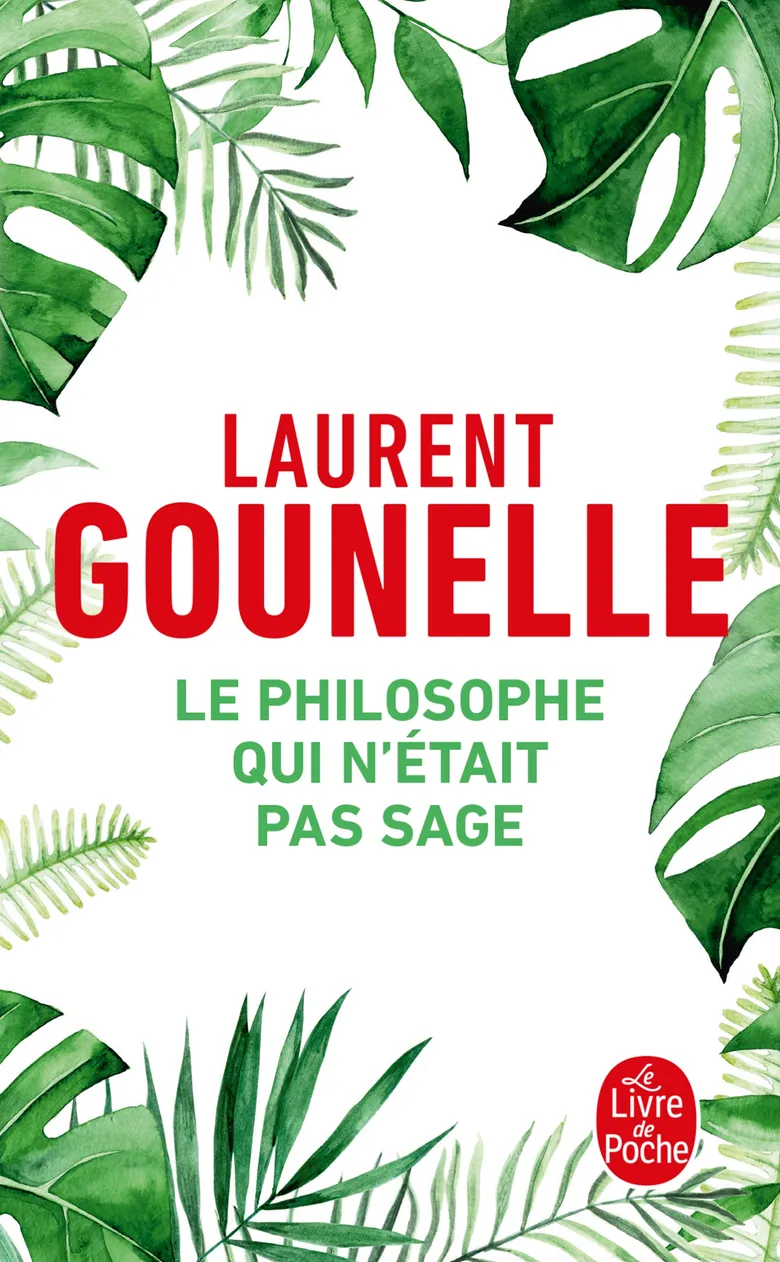
The importance of covers and graphic identity
The history of Le Livre de Poche is inseparable from the evolution of its covers.
From 1953 onwards, illustrations played an essential role in the commercial visibility of its books. They had to attract attention, suggest a fictional world and enable readers to identify a work quickly.
This approach partly broke with the understated presentation of traditional literary collections.
Over the decades, Le Livre de Poche regularly renewed its graphic conventions, typography and visual compositions.
Specialised collections adopted distinct identities, making classics, crime fiction, essays and speculative fiction easier to recognise.
Some editions retained historic illustrations that had become iconic, while others received new covers or special presentations.
This work demonstrates that republication is not simply a matter of reproducing a text in a smaller format. It also involves reconsidering its presentation and the way it will be discovered by a new audience.
Books accompanying several generations of readers
Le Livre de Poche possesses a distinctive cultural dimension linked to its presence in everyday life.
Its books have accompanied several generations of school pupils, students, travellers, occasional readers and dedicated book lovers.
For some, they represent their first personal literary purchases. For others, they offer a way to rediscover older works or explore new authors without substantial expense.
The volumes may preserve traces of their use: annotations, folded page corners, underlined passages or worn covers.
This material relationship helps transform the experience of books. They are no longer simply objects intended for preservation on a shelf; they become reading companions associated with personal experiences and memories.
This dimension explains part of the cultural attachment to the Le Livre de Poche brand, far beyond its economic importance.
Readers as participants in literary life
The development of the Prix des Lecteurs du Livre de Poche illustrates another aspect of the publishing house.
Through this initiative, readers are invited to participate directly in the selection and recognition of works published in its collections.
The prize is organised around several areas, notably literature, crime fiction, nonfiction and essays, and speculative fiction.
Jury members discover books, read them, exchange impressions and participate in selecting the winners.
This approach complements the work of publishers and booksellers by giving a specific place to the reading experience itself.
It demonstrates that the success and longevity of a literary work depend not only on the decisions of book industry professionals, but also on the ways readers engage with texts.
An identity extending beyond book prices
The enduring success of Le Livre de Poche cannot be explained solely by its pricing policy.
Other publishers gradually developed inexpensive collections, while reading practices evolved with digital publishing and changes in the market.
The distinctiveness of Le Livre de Poche lies in its combination of an extensive literary backlist, specialised collections, broad distribution and a cultural identity developed over several decades.
The house gives works a new life, keeps older texts available and offers readers very different fields of discovery.
Its evolution also demonstrates that accessibility has several dimensions: economic, material, intellectual and cultural.
Le Livre de Poche helped change the place of books in French society by making reading an activity more easily integrated into everyday life.
This contribution constitutes its most important legacy, extending far beyond the creation of a publishing format that has since become familiar.
Did You Know?
-
A landmark date: Le Livre de Poche was launched on 9 February 1953 under the impetus of Henri Filipacchi, then secretary-general of Librairie Hachette. It was not the first experiment with inexpensive small-format books, but it permanently transformed the French market.
-
A famous first volume: The first book was Kœnigsmark by Pierre Benoit. The earliest publications also included Les Clefs du royaume by Archibald Joseph Cronin, Vol de nuit by Antoine de Saint-Exupéry and L’Ingénue libertine by Colette.
-
An alliance between publishers: Albin Michel, Calmann-Lévy, Grasset and Gallimard participated in the project’s origins by making part of their backlists available. This cooperation allowed a prestigious literary catalogue to be assembled quickly.
-
An important legal distinction: Le Livre de Poche is the publishing brand operated by Librairie générale française. The company belongs to the Hachette Livre publishing environment and has historically included both Hachette and Albin Michel among its shareholders.
-
An unusual original address: Librairie générale française was initially located at 15, boulevard de la Madeleine in Paris, in a building associated with Marie Duplessis, who inspired the character of Marguerite Gautier in La Dame aux camélias by Alexandre Dumas fils.
-
A place in the consumer price index: In the early 1960s, paperbacks were among the products included in France’s consumer price index, demonstrating their integration into everyday consumption.
-
Major collection milestones: Le Livre de Poche pratique appeared in 1955, the Classics collection in 1958, crime fiction in 1960, Biblio in 1982, Biblio essais in 1983, La Pochothèque and Références in 1992, and a collection specifically devoted to fantasy in 2007.
-
Roger Nimier and the classics: The writer helped establish Le Livre de Poche classique in 1958. The collection subsequently passed through several scholarly and editorial directorships, continuing its work of introducing and annotating literary texts.
-
Gallimard’s departure: The creation of Folio in 1972 led to the withdrawal of a substantial number of Gallimard works previously published through Le Livre de Poche. The two collections belong to different publishing organisations and must not be confused.
-
A distinctive graphic heritage: The Jules Verne series, launched in 1967, reissued works accompanied by the historic illustrations from the Hetzel editions, demonstrating the importance given to the visual heritage of books.
-
A collection for medieval literature: Established in 1989 under the direction of Michel Zink, Lettres gothiques offers bilingual editions of medieval texts, enabling readers to encounter works in their original language and in translation.
-
A library of substantial volumes: La Pochothèque, established in 1992, brings together major works or extensive collections of texts in volumes designed to support a deeper discovery of individual authors.
-
A historically distinct children’s publishing activity: Le Livre de Poche Jeunesse appeared in 1979 within the Hachette Jeunesse publishing environment. Its history is connected to the brand, but its editorial organisation should not automatically be confused with that of the adult catalogue.
-
Digital publishing since 2013: The L’E-book du Livre de Poche initiative accompanied the development of the digital catalogue, complementing printed editions.
-
A travelling bookshop: Created in 2015, Le Camion qui livre is a mobile bookselling initiative combining the circulation of books, events and encounters with readers.
-
A major anniversary: In 2023, Le Livre de Poche celebrated its 70th anniversary. Figures presented at the time indicated approximately 6,000 titles available at the end of 2022, 25,000 titles published since 1953 and 1.2 billion copies distributed since its foundation. These figures correspond to the historical assessment released for the anniversary.
-
The readers’ prize: The Prix des Lecteurs du Livre de Poche involves reader juries in recognising works of literature, crime fiction, nonfiction and essays, and speculative fiction.
-
A leading name in crime fiction: Editions of works by Agatha Christie and Georges Simenon occupy an important place in the catalogue, alongside numerous contemporary thriller and crime fiction writers.
-
A return to major fantasy worlds: The catalogue notably includes works by J. R. R. Tolkien and Brandon Sanderson. In 2025, the arrival of The Witcher by Andrzej Sapkowski illustrated the continued renewal of this publishing sector.
-
A publisher of new editions: Numerous books published by Le Livre de Poche originally appeared through other publishing houses. For PANACHES CULTURE, each work should be linked to the publisher responsible for the documented edition, without confusing the original publisher, the paperback publisher and the group to which either belongs.