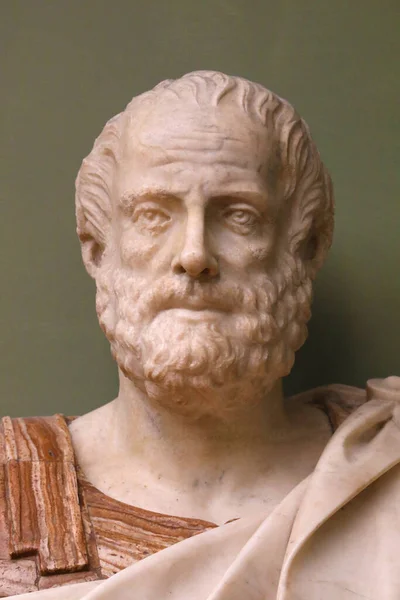
Aristote
Details
- Roles
- Author
Referenced works
Referenced works (12)
Aristotle: On the Soul
Author
What is the soul, and what distinguishes a living being from an inanimate body? In this treatise, Aristotle examines the views of earlier philosophers before defining the soul as the fundamental principle of life. From the nutritive functions shared by plants and animals to sensation, desire, movement, and thought, he explores the faculties that characterize different forms of living beings. His investigation into t…
- Philosophy
Aristotle: Does Happiness Come Naturally?
Author
Is happiness a natural disposition, the result of learning, or something achieved through our actions? In Does Happiness Come Naturally?, a selection of Aristotle's writings invites readers to examine the conditions of a truly fulfilling life. The philosopher explores the roles of virtue, pleasure, knowledge, and fortune in the pursuit of happiness. He distinguishes temporary satisfactions from a life directed towar…
- Philosophy
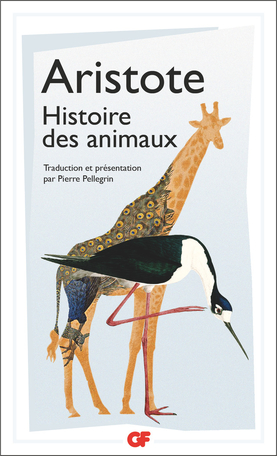
Aristotle: History of Animals
Author
How can we understand the diversity of the animal world and the characteristics that distinguish different species? In History of Animals, Aristotle undertakes an extensive investigation into living creatures, their bodily structures, behaviors, and methods of reproduction. He compares terrestrial and aquatic animals, examining their organs, movements, feeding habits, and relationships with their environments. By id…
- Philosophy

Aristotle: Politics
Author
Why do human beings live in communities, and what makes a government just? In Politics, Aristotle examines the origins of the city-state, the role of citizens, and the different ways political power can be organized. Through his study of constitutions, he distinguishes governments directed toward the common good from those serving the private interests of their rulers. His investigation also addresses justice, the d…
- Philosophy
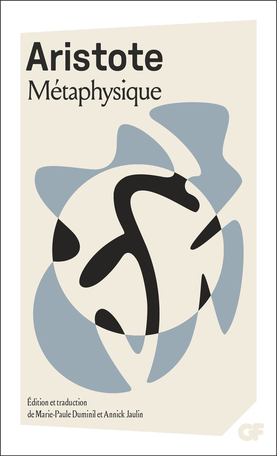
Aristotle: Metaphysics
Author
What is being, and what are the fundamental principles of reality? In Metaphysics, Aristotle seeks to define a science capable of studying what exists insofar as it exists, independently of the particular domains explored by other disciplines. He examines first causes, the nature of substances, and the principles that make it possible to understand the existence of things. This investigation, which he calls first ph…
- Philosophy

Aristotle: Short Treatises on Natural History
Author
How do we perceive the world, why do we retain memories, and what happens when we sleep? In Short Treatises on Natural History, Aristotle brings together several investigations into functions shared by the soul and body. He examines the mechanisms of sensation, memory, sleep, and dreams, while also exploring respiration, aging, and the conditions of life and death. By studying these phenomena in living beings, he se…
- Philosophy
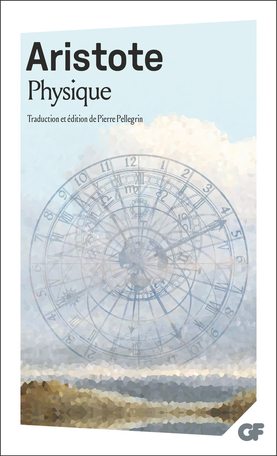
Aristotle: Physics
Author
What is nature, and how can movement and change be explained? In Physics, Aristotle seeks to understand the principles governing transformations in the natural world. He examines different forms of motion, the relationships between matter and form, and the causes that explain natural phenomena. His investigation also addresses time, place, continuity, and infinity, while exploring the fundamental conditions that mak…
- Philosophy

Aristotle: Poetics
Author
What makes a story compelling, and how can a work of art evoke emotions? In Poetics, Aristotle examines the principles of poetic creation and the different ways of representing human actions. Focusing particularly on tragedy and epic poetry, he analyzes plot construction, the role of characters, the sequence of events, and the effects produced on an audience. His investigation distinguishes a mere succession of inci…
- Writing
- Essay
- Philosophy
Aristotle: Rhetoric
Author
How can words persuade, and what mechanisms make a speech convincing? In Rhetoric, Aristotle examines the means by which a speaker can defend an idea, develop an argument, and influence an audience's judgment. He distinguishes logical reasoning, the credibility of the speaker, and the emotions of listeners, while studying the different forms of discourse used in political and judicial life. His investigation gives p…
- Philosophy
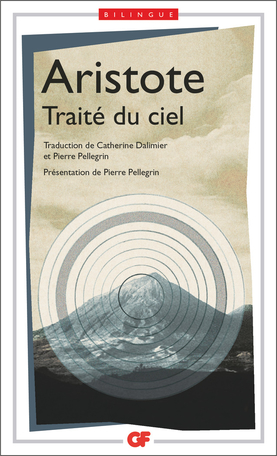
Aristotle: On the Heavens
Author
How is the universe organized, and what principles govern the movement of celestial bodies? In On the Heavens, Aristotle examines the structure of the cosmos, the nature of heavenly bodies, and the principles distinguishing the terrestrial world from the regions above. He defends a conception of a unique, spherical, and eternal universe, with an immobile Earth at its center. While terrestrial elements undergo change…
- Philosophy

Aristotle: Eudemian Ethics
Author
What constitutes a happy life, and which qualities allow human beings to achieve it? In Eudemian Ethics, Aristotle examines the conditions of happiness and the role of virtue in human existence. He explores the relationships between pleasure, courage, justice, and friendship, while considering freedom of choice, responsibility for one's actions, and the influence of external circumstances. For Aristotle, happiness i…
- Philosophy
Aristotle: Nicomachean Ethics
Author
How can we lead a good life, and what activity gives human existence its ultimate meaning? In Nicomachean Ethics, Aristotle investigates the highest good toward which human actions are directed: happiness, understood as the fulfillment of a life lived in accordance with virtue. He examines the formation of character, courage, temperance, justice, and practical wisdom, while exploring the roles of pleasure, friendshi…
- Philosophy
Information may change.