Overview
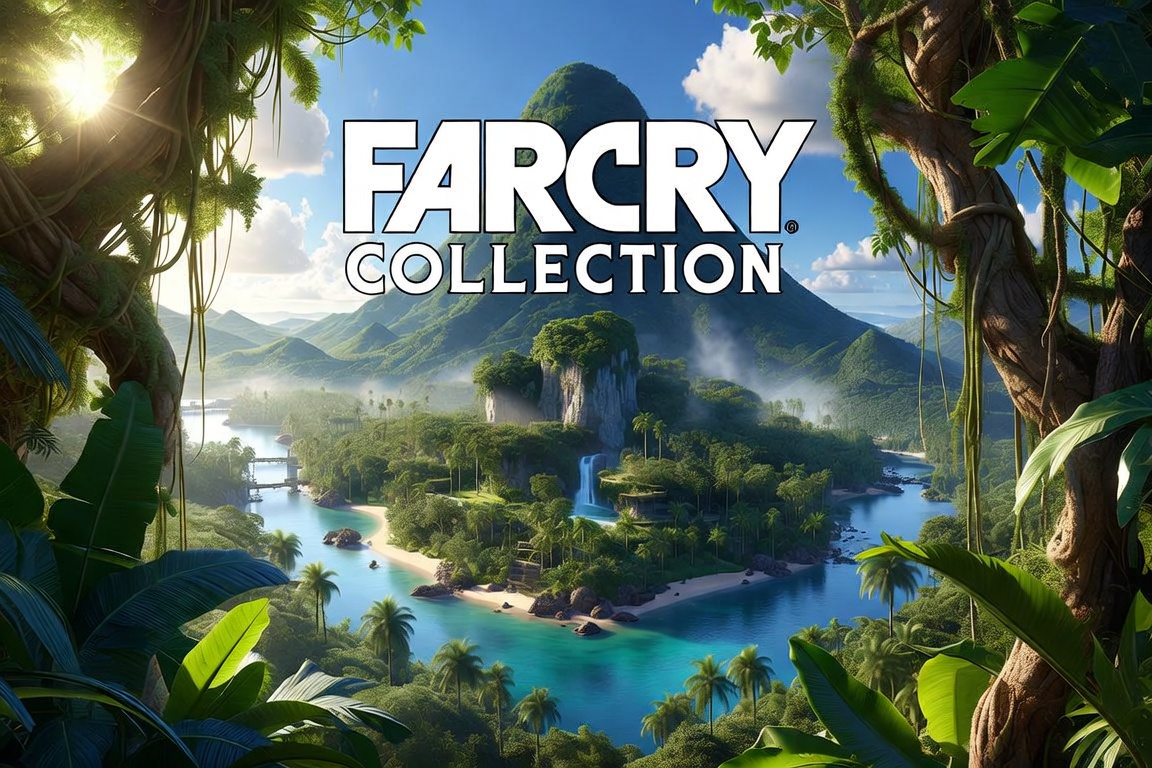
Far Cry regularly changes country, era and protagonist, but keeps one central idea: placing the player in a territory under tension and giving them considerable freedom to decide how to navigate the conflict. Jungles, savannas, mountains, rural plains and prehistoric landscapes are more than simple backdrops; they directly shape the exploration, confrontations and unexpected situations that define the series.
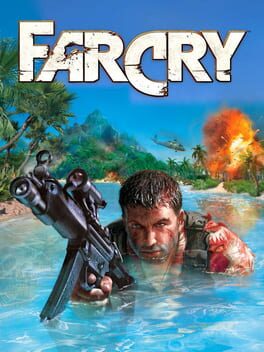
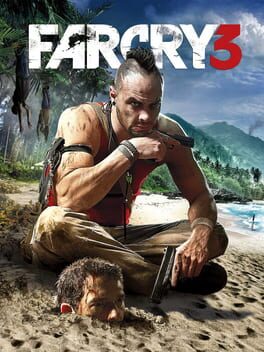
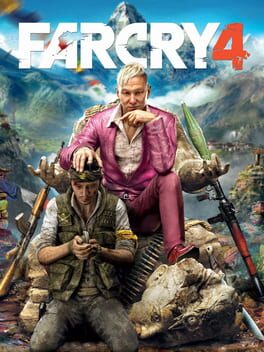
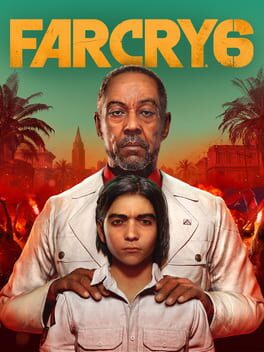
The first game establishes its foundations in a tropical environment, while Far Cry 2 pushes the experience toward a harsher and more systemic vision of Africa. Far Cry 3 then establishes much of the series' modern formula, which Far Cry 4 develops and transforms in the Himalayas. Primal abandons firearms to travel back to prehistory, before Far Cry 5 moves the conflict to rural America. New Dawn returns to that territory in a post-apocalyptic setting, while Far Cry 6 takes the formula to the fictional island of Yara.
Through these changes of setting, Far Cry experiments with different ways of creating chaos in its open worlds: stealth or direct confrontation, vehicles, wildlife, outposts, improvised weapons and unexpected encounters. Taken together, these entries show the gradual transformation of a series that has made freedom of approach and strongly defined territories two of its main trademarks.