Presentation
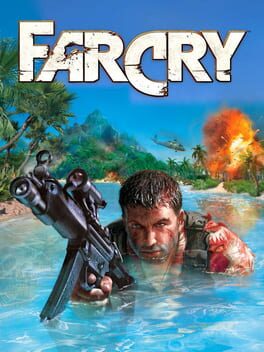
Developed by Crytek and published by Ubisoft, Far Cry was released for Windows in March 2004. Cevat Yerli served as Creative & Technical Director and Executive Producer alongside Avni Yerli and Faruk Yerli, while Christopher Natsuume, Jack Mamais and Richard Tsao are credited as Producers. It was Crytek's first commercially released game and the starting point of the Far Cry franchise.
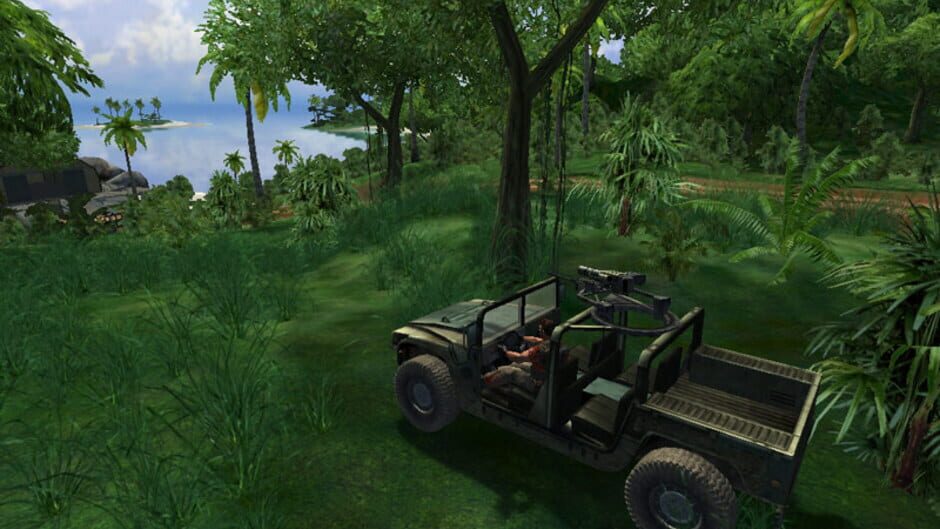
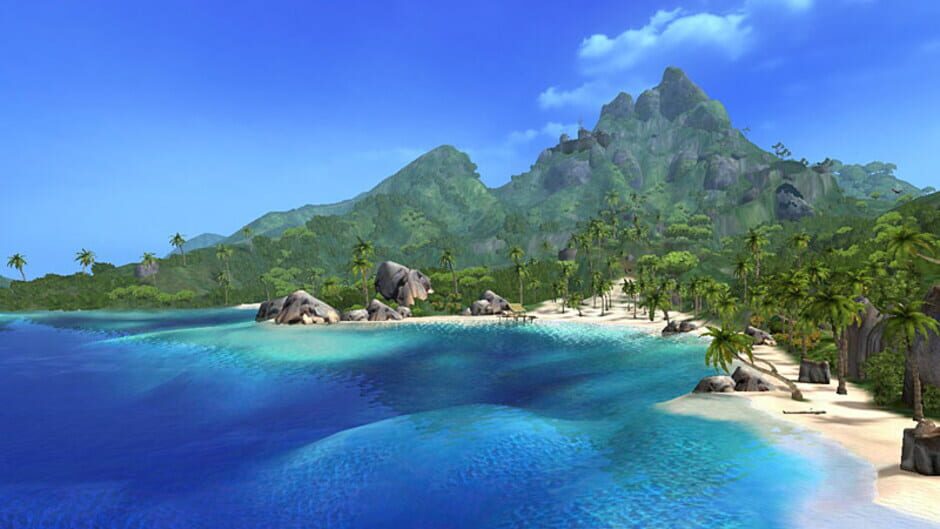
The title is a first-person shooter, but immediately distinguishes itself through the scale of its environments. Rather than building the entire campaign around connected corridors and rooms, Crytek created large outdoor levels made up of beaches, jungle, hills, military installations and routes that often allow the same objective to be approached in several ways.
This openness is not yet the continuous open world of later Far Cry games. The campaign remains divided into individual levels, but many cover substantial areas and provide multiple routes. Players can follow a road, move around a camp through vegetation, reach positions by boat or use higher ground to study defenses before attacking.
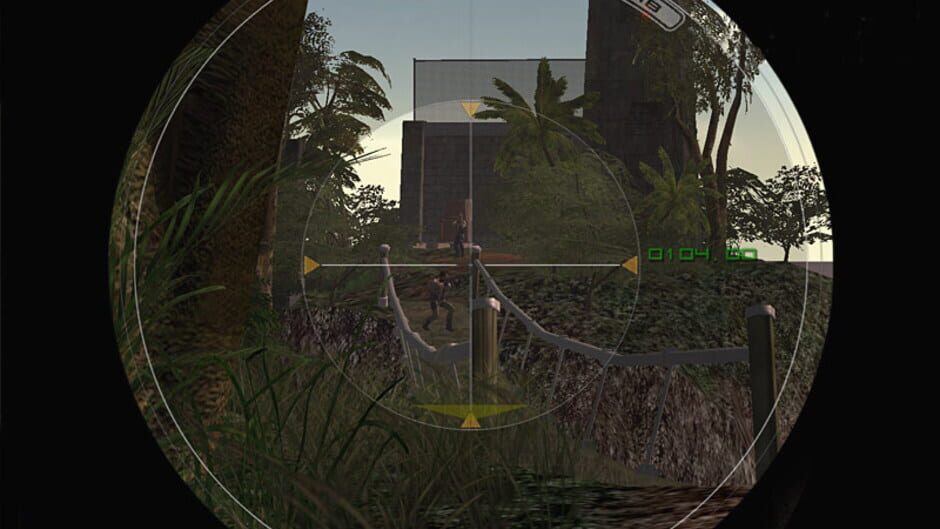
Binoculars play an essential role in this preparation. They allow enemy positions to be observed from long distances and soldiers to be identified before entering their area. The combination of long visibility, elevation and vegetation therefore encourages players to study an environment rather than simply advance in a straight line.
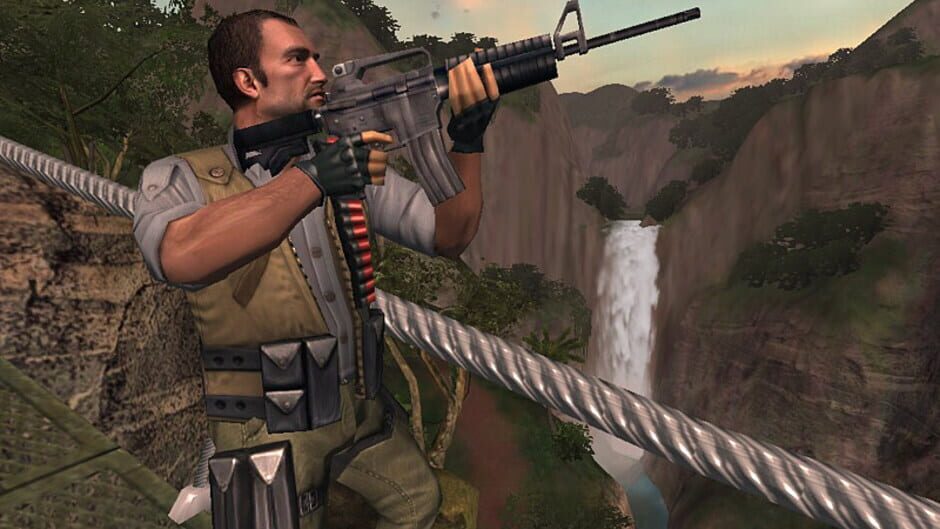
Stealth is an option without becoming an absolute stealth system. Jack can move carefully, use foliage and terrain to reduce exposure or eliminate certain opponents before they raise the alarm. Once detected, however, situations can quickly develop into open firefights.
Mercenaries use artificial intelligence designed to take advantage of these larger environments. They can communicate, search for the player, use cover positions and attempt to move around Jack's location. Their behavior is not entirely organized around a single scripted corridor, helping outdoor battles feel less predictable.
The arsenal includes pistols, assault rifles, sniper rifles, shotguns, machine guns, explosives and various specialized weapons. The number of weapons Jack can carry is limited, regularly requiring choices between range, firepower and available ammunition.
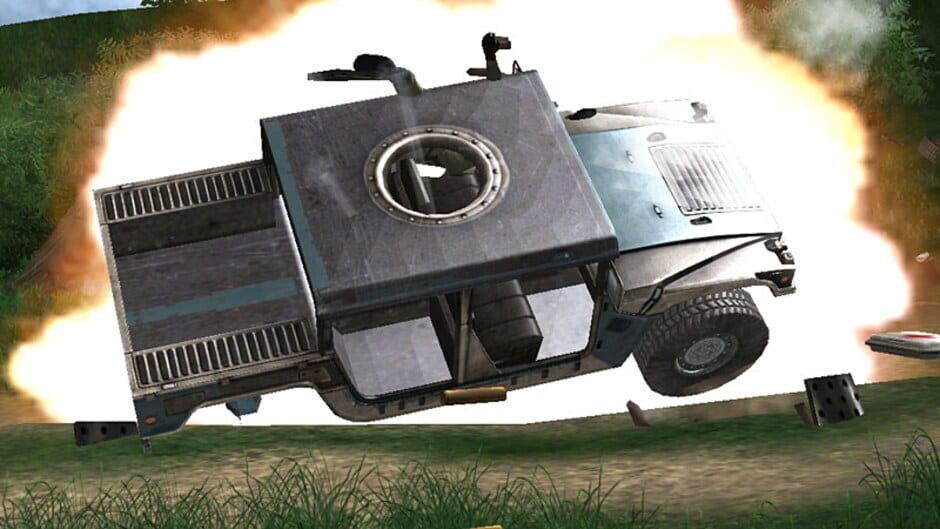
Far Cry also provides several land and water vehicles. Jeeps, buggies and boats allow large areas to be crossed quickly, and several vehicles feature weapons that can be used directly. Hang gliders occasionally provide another way to cross the terrain and reinforce the importance of verticality.
The campaign gradually changes with the appearance of the Trigens, creatures created through research conducted on the islands. Their abilities and mobility force players to adjust habits developed against mercenaries. Large outdoor areas suited to reconnaissance and long-range combat increasingly alternate with laboratories, enclosed complexes and much more direct encounters.
This contrast between tropical paradise and scientific facilities forms an important part of the game's visual identity. CryEngine allows Crytek to display dense vegetation, long viewing distances, brightly lit beaches, water and terrain that were particularly ambitious for a PC first-person shooter in 2004.
The engine is accompanied by the Sandbox Editor, used by Crytek to build its environments and also made available to the community. It allows custom terrain, environments and maps to be created, extending the project's technical dimension beyond the campaign itself.
Far Cry finally includes multiplayer with Free For All, Team Deathmatch and Assault. The first two provide traditional individual and team combat, while Assault places attackers and defenders against one another across successive objectives and uses classes such as Grunt, Sniper and Support.
What to remember
- The first Far Cry, developed by Crytek before later installments in the franchise became primarily associated with Ubisoft's own studios.
- Exceptionally large levels for a 2004 FPS, allowing enemy positions to be scouted, bypassed or attacked through several possible routes.
- Binoculars, vegetation, long viewing distances and elevation as important reconnaissance tools before combat.
- Mercenaries using artificial intelligence capable of communicating, searching and flanking the player across less linear environments.
- A combination of weapons, land vehicles, boats and hang gliders across a tropical archipelago mixing open terrain with scientific facilities.
- CryEngine and its Sandbox Editor, alongside multiplayer featuring Free For All, Team Deathmatch and Assault.
Conclusion
Far Cry first stands out through the way it uses space. Its levels still form part of a linear campaign, but their width transforms conventional FPS progression by allowing much more room for observation, flanking and control over engagement distance.
This design works particularly well against the mercenaries. Scouting a camp from a hill, identifying guard positions and then choosing between infiltration, long-range fire or a direct attack gives many encounters a different structure despite a relatively conventional weapon selection.
Vehicles extend this freedom by making the environments more than a succession of combat arenas. Roads, coastlines and elevation become traversal systems, while the gradual arrival of the Trigens forces players to abandon some of the habits established against human opponents.
CryEngine directly supports this identity. Vegetation, water, long draw distances and the lighting of the islands create a strong contrast between tropical landscapes and the violence hidden inside their facilities. The technology therefore does more than provide impressive visuals: it enables the scale around which the gameplay is designed.
Far Cry consequently represents an origin quite different from the installments that followed. It does not yet feature the open-world structure, outposts and systemic progression that would later define the franchise, but several lasting ideas are already present: large spaces, freedom of approach, vehicles and natural environments used as genuine parts of combat.
Good to know
- Far Cry was developed by Crytek and published by Ubisoft; it was the German studio's first commercially released game.
- Cevat Yerli is credited as Creative & Technical Director and as an Executive Producer alongside Avni Yerli and Faruk Yerli.
- The game was released for Windows on March 23, 2004 in North America and on March 26, 2004 in Europe.
- The original Far Cry uses the first generation of CryEngine and was accompanied by the Sandbox Editor used for level creation.
- Multiplayer features three primary modes: Free For All, Team Deathmatch and Assault.
- Far Cry Instincts, released for Xbox in 2005, is a substantially reworked adaptation developed by Ubisoft Montreal rather than a straightforward port of the PC campaign.
- The original was adapted for PlayStation 3 and Xbox 360 as Far Cry Classic in 2014; that release should be distinguished from the 2004 PC game covered by this entry.
```