Presentation
Far Cry 3 takes the fundamental idea of an FPS set in an open environment and gives it a structure that becomes highly influential on the rest of the series. The Rook Islands are not simply a backdrop for a sequence of missions: they form a playground where exploration, combat, hunting and progression constantly intersect.
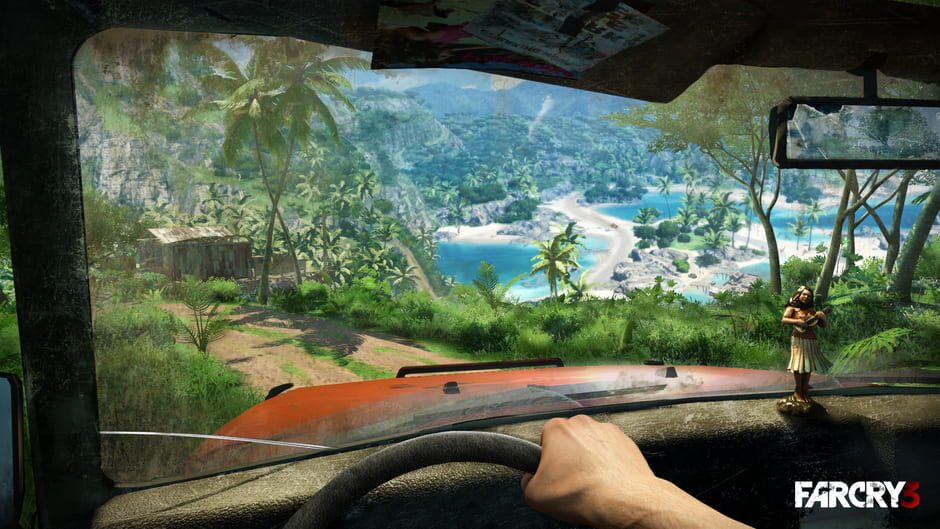
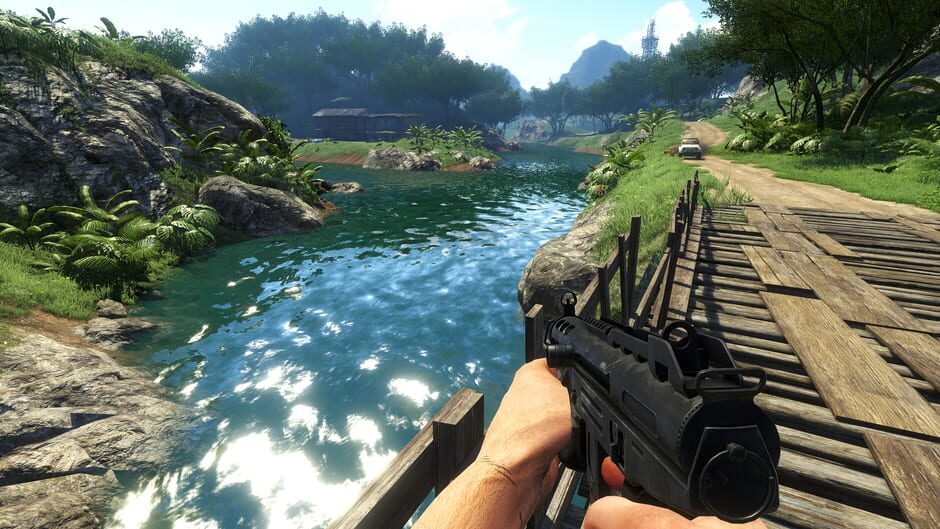
The archipelago combines beaches, jungles, mountains, swamps, villages, temples and more modern facilities. This variety gives movement across the world a clear identity and allows a quiet journey to turn quickly into an encounter with a patrol, a dangerous animal or an enemy camp.
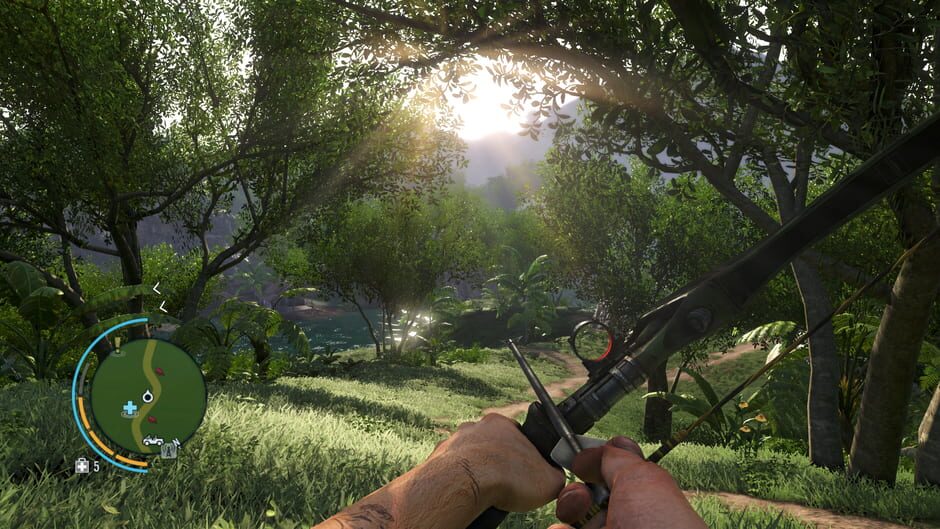
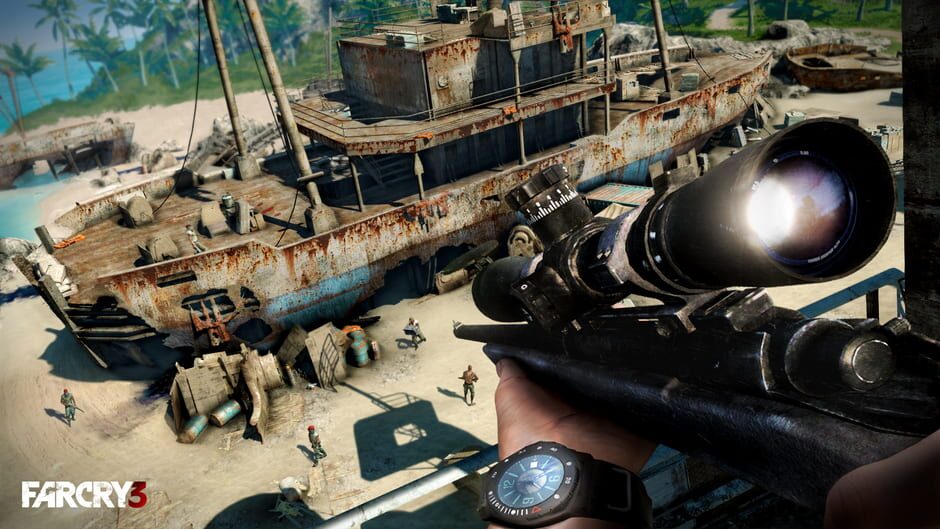
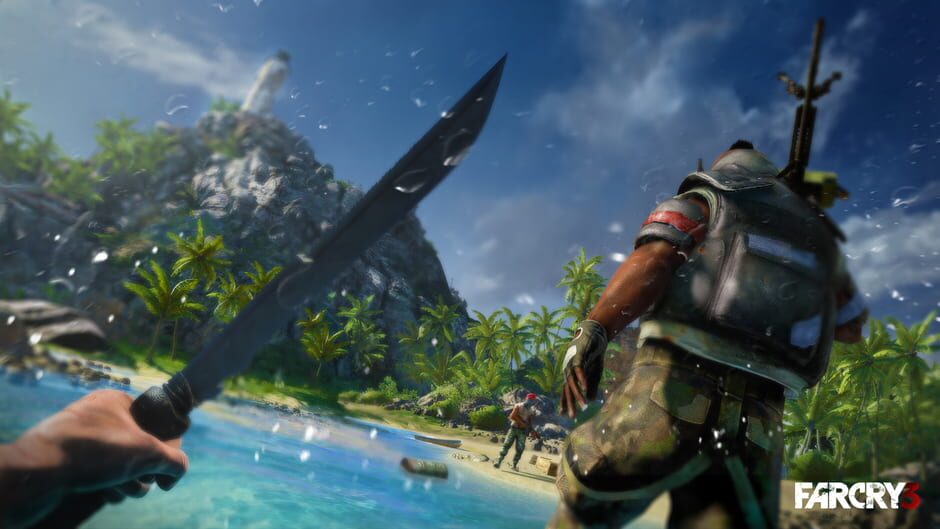
Outposts are one of the clearest expressions of this freedom. Each hostile position can be observed before an attack in order to identify guards, alarms and possible approaches. A player can use a sniper rifle from high ground, infiltrate silently with a bow and close-range takedowns, begin a direct assault or use local wildlife to create chaos.
This flexibility is reinforced by the weapons and their attachments. Pistols, assault rifles, sniper rifles, bows, rocket launchers and other equipment allow the player to gradually build an arsenal suited to a preferred style. Suppressors, sights and various upgrades make certain weapons significantly more effective for particular approaches.
Hunting introduces progression directly tied to the world. Animal skins are used to craft equipment that increases the number of weapons Jason can carry, ammunition capacity, inventory space or wallet size. Exploration and hunting therefore do more than fill a list of side activities: they directly strengthen the character.
Vegetation also provides resources used to prepare different syringes. Some restore health, while others provide temporary effects useful for hunting, combat or exploration. The crafting system remains simple, but it helps connect several open-world activities to one another.
Skill progression takes the form of the Tatau, the tattoo gradually covering Jason’s arm. Abilities spread across several branches improve takedowns, movement, resilience and combat effectiveness. The system therefore serves two purposes at once: it mechanically represents Jason’s growing power while visually expressing his transformation within the story.
Radio towers complete this structure. Climbing them reveals more information about part of the map and gradually unlocks free weapons in stores. Together with outposts, they create an immediately recognizable exploration rhythm: enter a new area, reveal its territory, unlock its landmarks and then decide which activities to pursue.
This organization becomes one of the most enduring legacies of Far Cry 3. The combination of an open map, capturable enemy positions, scattered activities, character progression and freedom of approach provides a framework that later entries in the series would repeatedly reuse and modify.
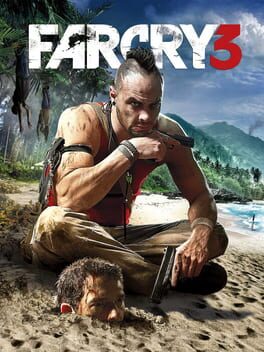
The game also works because of its story, particularly the relationship between Jason and Vaas. The pirate leader repeatedly appears to humiliate, provoke or attempt to kill his escaped prisoner. His unpredictability, violence and Michael Mando’s performance give the character a presence far greater than the actual amount of time he spends in the story.
Vaas also acts as a reflection of Jason. The more capable Jason becomes in the jungle, the more familiar the violence he initially feared begins to feel. The player’s growing enjoyment of weapons, takedowns and outpost assaults is therefore deliberately placed in tension with the story of a character who seems to discover that he enjoys what he is becoming.
Citra and the Rakyat deepen this ambiguity. Jason is increasingly celebrated as a warrior and receives a form of recognition he did not have in his previous life. Saving his friends remains his stated goal, but the story gradually questions what returning to an ordinary existence would actually mean after everything he has experienced and done on the islands.
The second half of the adventure shifts attention toward Hoyt Volker and a more organized criminal operation. This change broadens the conflict and allows Jason to infiltrate the enemy network directly, but it also alters the narrative dynamic: Vaas’s reduced presence is noticeable because his personality had defined so much of the game’s opening hours.
Outside the solo campaign, the original release also included a separate cooperative campaign for up to four players, competitive multiplayer and a map editor. These components expanded the idea of the islands as a shared playground, even though they remained separate from Jason’s story and are no longer all accessible today.
What to remember
- An open-world FPS set on the Rook Islands, where Jason Brody tries to save his friends after they are captured by pirates.
- Vaas Montenegro as the main face of the first half of the adventure and one of the antagonists most strongly associated with the identity of the series.
- Outposts that can be attacked through stealth, long-range shooting, direct combat or by exploiting the environment.
- Progression built around Tatau skills, hunting, crafting and increased equipment capacity.
- Radio towers and outposts as major systems structuring exploration and the gradual reclaiming of the map.
- A constant tension between Jason’s rescue mission and his growing attraction to the power and violence he discovers on the archipelago.
- An open-world formula that strongly influences the structure of later Far Cry games.
Conclusion
Far Cry 3 draws much of its strength from the way its systems reinforce one another. Exploration provides resources, hunting improves equipment, skills expand combat options and capturing outposts gives the player greater control over the archipelago. Not every activity has the same depth, but their combination creates a particularly effective rhythm.
The freedom offered during combat strengthens that cohesion. The same camp can become a quiet stealth exercise, a long-range shooting challenge or complete chaos caused by explosives and wild animals. The game provides enough tools for preparation to matter without preventing improvisation when a plan goes wrong.
This rise in power directly supports Jason’s development. The player becomes more capable at the same pace as the character, but the story refuses to present that transformation as entirely positive. Saving a group of friends provides the initial motivation; Jason’s growing attraction to war and the recognition offered by the Rakyat gradually gives the story a more uncomfortable dimension.
Vaas embodies that ambiguity particularly well. His presence gives the early hours a strong personality and turns the confrontation into a psychological conflict as much as a physical one. The transition toward Hoyt is more conventional and loses some of that intensity, but it does not undermine Jason’s overall arc.
Far Cry 3 therefore remains a pivotal entry in the series. It brings together open-world exploration, outposts, progression and freedom of approach in a formula clear enough to become a lasting foundation, while linking those systems to a story that questions the very pleasure the player can take in becoming increasingly effective within a world built around violence.
Good to know
- Far Cry 3 was developed primarily by Ubisoft Montréal, with support from studios including Massive Entertainment and Ubisoft Shanghai.
- The original game was released in 2012 for PlayStation 3, Xbox 360 and PC.
- Jason Brody is the protagonist of the main campaign, which takes place on the Rook Islands.
- Vaas Montenegro is played by Michael Mando and became one of the franchise’s most recognizable antagonists.
- The original version also included a separate cooperative campaign for up to four players, competitive multiplayer and a map editor.
- Online services for the original version of Far Cry 3 were discontinued by Ubisoft in October 2022.
- Far Cry 3 Classic Edition was released in 2018 for PlayStation 4 and Xbox One and includes only the solo campaign.