Origins
Hard rock and metal belong to a shared history: that of rock music pushing the boundaries of sonic power during the late 1960s. Guitars became more distorted, drums more imposing, and compositions increasingly emphasized riffs, the instrumental patterns that form the backbone of many songs.
This transformation did not take place in a single location or under the influence of one particular band. It resulted from parallel developments in electric blues, British rock, psychedelic rock and live performance practices.
The oldest roots can notably be traced back to African American blues.
Musicians such as Muddy Waters and Howlin’ Wolf helped establish a musical language built around vocal intensity, amplified guitars and repetitive patterns. Their recordings would exert a considerable influence on young British bands during the 1960s.
The development of amplifiers, effects pedals and distortion techniques gradually allowed guitarists to obtain more aggressive sounds.
As early as 1958, Link Wray explored the possibilities of electric guitar with "Rumble," an instrumental whose distortion and powerful chords anticipated several characteristics of the rock music to come.
In 1964, The Kinks released "You Really Got Me," built around a particularly direct guitar riff.
During the middle of the decade, Cream, The Who and Jimi Hendrix helped transform the conception of rock concerts.
Solos became longer, amplifiers became tools for sonic creation, and musicians explored feedback, electronic effects and increasingly sophisticated instrumental virtuosity.
Blue Cheer also participated in this search for heavier music, notably with their cover of "Summertime Blues" in 1968.
That same year, Steppenwolf popularized the expression heavy metal thunder in "Born to Be Wild." This phrase would later contribute to discussions about the origin of the genre's name, without itself marking the musical birth of heavy metal.
By the end of the 1960s, several British bands would give these innovations a new sense of coherence.
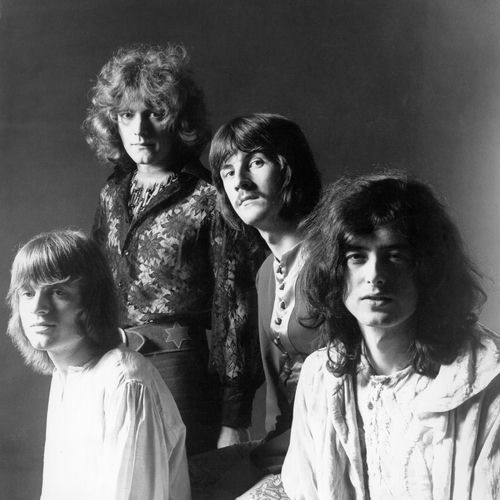
Led Zeppelin, Deep Purple and Black Sabbath occupied a fundamental place in this transformation.
Their approaches, however, differed considerably.
Led Zeppelin developed powerful rock deeply informed by blues, folk and acoustic experimentation. Deep Purple combined massive riffs, electric organ and instrumental virtuosity. Black Sabbath emphasized darker atmospheres, heavy tempos and particularly dense guitar sounds.
These differences anticipated a distinction that would become clearer during the following decades.
Hard rock would generally maintain important relationships with blues, rock melodies and traditional song structures. Metal would progressively develop its own rhythmic, harmonic and aesthetic languages, often moving further away from these origins.
However, the boundary has never been perfectly fixed.
Some bands belong to both histories, while the terms hard rock and heavy metal were long used almost interchangeably.
This close relationship forms one of the foundations of their evolution.
Emergence and Early Musical Scenes
1968–1972 — Led Zeppelin and Deep Purple Establish Hard Rock
In 1968, Led Zeppelin formed around guitarist Jimmy Page.
The band combined a particularly powerful conception of blues rock with considerable freedom in its arrangements.
Their debut album, Led Zeppelin, was released in 1969.
The compositions combined distorted riffs, improvisation, changes in dynamics and expressive vocal performances.
That same year, Led Zeppelin II confirmed this identity with tracks such as "Whole Lotta Love."
The guitar playing relied on immediately recognizable riffs, while the drums and bass contributed to a particularly expansive sound.
However, the band was not limited to its heaviest compositions.
Led Zeppelin III, released in 1970, gave considerable importance to acoustic and folk influences.
With [Led Zeppelin IV], released in 1971, Led Zeppelin brought together several dimensions of its musical language.
"Black Dog" and "Rock and Roll" demonstrated the band's energy, while "Stairway to Heaven" developed a progression moving from an acoustic introduction to a particularly intense electric conclusion.
The band thus helped establish hard rock as music capable of filling large venues and producing ambitious albums.
Meanwhile, Deep Purple pursued another direction.
The British group developed an aesthetic in which the Hammond organ and electric guitar constantly interacted.
With Deep Purple in Rock, released in 1970, it established a particularly powerful direction.
The album Machine Head, released in 1972, notably included "Smoke on the Water," whose riff would become one of the most famous in rock history.
Deep Purple combined energy, virtuosity and structures sometimes close to progressive rock.
These two bands helped establish several essential characteristics of hard rock: the importance of riffs, instrumental power, extended solos and spectacular stage presence.
Birmingham — Black Sabbath Lays the Foundations of Heavy Metal
In England, the industrial city of Birmingham became the birthplace of another transformation.
Black Sabbath formed there during the late 1960s around Tony Iommi, Ozzy Osbourne, Geezer Butler and Bill Ward.
The group developed music deeply rooted in blues, but its heavy tempos, dark sounds and unsettling themes distinguished it from many contemporaries.
Its debut album, Black Sabbath, was released in February 1970.
The opening track used a slow riff, a threatening atmosphere and sound effects that helped create a distinctive musical universe.
The group combined distorted guitars with themes inspired by horror, social anxieties and spiritual concerns.
That same year, Paranoid confirmed this new identity.
Compositions such as "War Pigs," "Iron Man" and "Paranoid" gradually became fundamental references of heavy metal.
Tony Iommi's guitar playing contributed strongly to this evolution.
His riffs frequently emphasized low-register patterns, dissonant intervals and exceptionally precise interaction between guitar and bass.
Emerging metal therefore did not rely exclusively on speed.
Slowness, repetition and sonic density could produce equally powerful intensity.
Black Sabbath exerted a decisive influence on several musical families that would emerge later, notably doom metal.
The group also helped establish an aesthetic in which music, lyrics and imagery contributed to a shared universe.
It remains one of heavy metal's principal historical references, even though the genre resulted from a broader collective evolution.
The 1970s — Hard Rock Becomes International
During the 1970s, hard rock quickly expanded beyond its British origins.
In Australia, AC/DC developed a particularly direct approach.
The band emphasized guitar riffs, powerful rhythms and an energy largely inherited from blues and rock 'n' roll.
Their albums High Voltage, Let There Be Rock and Powerage helped establish this identity.
With Highway to Hell, released in 1979, AC/DC gained increasing international recognition.
The death of singer Bon Scott in 1980 marked a major turning point.
Nevertheless, the group continued with Brian Johnson and released Back in Black that same year.
The album became one of hard rock's great landmarks, notably through its rhythmic efficiency and immediately recognizable compositions.
In Europe, Scorpions contributed to the development of German hard rock that would reach an exceptionally wide audience.
UFO also participated in the genre's evolution, particularly through its guitar arrangements and concerts.
Thin Lizzy, an Irish band, developed an approach characterized by the complementary use of two lead guitars.
In the United States, Aerosmith combined blues rock with stage energy, while Kiss constructed an identity based on makeup, costumes and particularly spectacular concerts.
Alice Cooper also helped develop a theatrical conception of hard rock.
Van Halen introduced a major instrumental innovation toward the end of the decade.
Guitarist Eddie Van Halen notably popularized virtuoso techniques based on tapping, effects and fast solos.
His approach would exert a considerable influence on guitarists during the 1980s.
Hard rock thus became an international family of bands sharing a powerful instrumental language while developing very different identities.
1975–1982 — Judas Priest and the New British Wave
From the middle of the 1970s onward, heavy metal began to distinguish itself more clearly from traditional hard rock.
Judas Priest played a major role in this evolution.
The British band developed music built around precise riffs, complementary guitars and particularly powerful vocal performances.
Singer Rob Halford helped establish a vocal aesthetic that would become a reference for several generations.
With British Steel, released in 1980, Judas Priest established a form of metal that was direct, melodic and deeply connected to the rhythms of electric guitar.
The late 1970s also witnessed the emergence of the New Wave of British Heavy Metal, generally abbreviated as NWOBHM.
This new wave developed in a context where young bands sought to renew heavy music sometimes associated with the major groups of the previous decade.
Punk energy helped accelerate tempos and encouraged more direct production methods.
Iron Maiden became one of the principal figures of this scene.
Their album The Number of the Beast, released in 1982, marked a turning point in their international recognition.
The group developed compositions combining fast riffs, guitar harmonies and narratives inspired by literature, history and fantastic imagery.
Motörhead occupied a distinctive position between hard rock, heavy metal and punk.
Led by Lemmy Kilmister, the band developed extremely energetic music, with Ace of Spades, released in 1980, representing one of its major landmarks.
Saxon, Diamond Head and Def Leppard also contributed, each in their own way, to this new British wave.
Fanzines, small venues and specialized labels played an essential role in spreading this culture.
The NWOBHM helped establish a musical language that would soon encourage the emergence of thrash metal.
The Golden Age
The 1980s — Stadium Hard Rock and Glam Metal
During the 1980s, hard rock enjoyed enormous commercial success.
Concerts became more spectacular, music videos gained increasing importance, and several bands developed an aesthetic combining instrumental power with accessible melodies.
The growth of MTV contributed strongly to this transformation.
Bands such as Bon Jovi and Def Leppard built productions in which choruses, vocal harmonies and studio arrangements occupied an essential place.
In California, the Sunset Strip in Los Angeles became one of the principal centers of the hard rock scene.
Mötley Crüe contributed to the popularity of glam metal, which combined powerful riffs, extravagant imagery and compositions designed for large venues.
Skid Row also belonged to this tradition, while sometimes emphasizing a more aggressive energy.
The genre also included female musicians who helped renew its stage presence.
Girlschool participated in the history of British hard rock and heavy metal, while Doro Pesch gradually established herself as one of European metal's major voices.
Whitesnake and Scorpions also contributed to the popularity of power ballads, which became one of the commercial characteristics of the period.
In 1987, Guns N’ Roses released Appetite for Destruction.
The album reintroduced a rawer form of hard rock, informed by blues, punk and an urban aesthetic less polished than certain contemporary productions.
"Welcome to the Jungle," "Paradise City" and "Sweet Child o' Mine" contributed to its enormous success.
With Use Your Illusion I and Use Your Illusion II, released in 1991, Guns N’ Roses subsequently developed more varied arrangements, notably incorporating piano and orchestration.
Hard rock now possessed several commercial expressions, ranging from instrumental virtuosity and melodic songwriting to energy inherited from blues.
1983–1988 — Thrash Metal Accelerates the Revolution
While hard rock dominated part of the media, another scene was developing faster and more aggressive metal.
Thrash metal emerged during the early 1980s, primarily in the United States, combining heavy metal riffs with the energy of hardcore punk.
Guitars employed highly precise attacks, fast rhythms and frequent tempo changes.
Metallica became one of the principal figures of this evolution.
Their debut album, Kill ’Em All, released in 1983, established a particularly energetic approach.
Ride the Lightning, released in 1984, developed more complex compositions and varied atmospheres.
With Master of Puppets, released in 1986, the band deepened this exploration.
The tracks combined fast riffs, elaborate instrumental passages and structures frequently extending beyond the traditional rock song format.
The album …And Justice for All, released in 1988, continued this development toward dense and technical compositions.
Meanwhile, Slayer developed a more radical aesthetic.
Their album Reign in Blood, released in 1986, became a major reference for thrash's speed and intensity.
Megadeth contributed a particularly technical approach, notably with Peace Sells... but Who's Buying?, also released in 1986.
Anthrax developed another identity, more directly shaped by exchanges between metal, punk and urban culture.
Their album Among the Living, released in 1987, illustrated this direction.
These four bands would gradually be grouped under the designation Big Four of American thrash.
However, they did not represent the entire movement.
Exodus and Testament also played important roles in the Californian scene.
In Germany, Kreator and Sodom contributed to the development of particularly intense European thrash.
Thrash permanently transformed guitar, drumming and composition techniques.
It also opened the way for several more extreme forms of metal.
The 1980s–1990s — Extreme Metal Takes Shape
As thrash developed, several bands sought to explore even more intense sounds.
Extreme metal does not constitute a single genre.
It brings together different traditions that emphasize speed, harsh vocals, dark atmospheres or particularly complex musical structures, depending on the style.
Venom contributed to this evolution from the early 1980s onward, notably through its provocative aesthetic and influence on the first extreme scenes.
Mercyful Fate also developed a dark musical universe characterized by elaborate compositions and a distinctive vocal approach.
Bathory and Celtic Frost participated in transformations that would notably influence black metal.
These bands helped establish a new conception of musical intensity in which instruments and voices could deliberately adopt rough sounds.
Death metal gradually emerged during the middle of the 1980s.
Possessed released Seven Churches in 1985, an important album in the transition between thrash and death metal.
Death, led by Chuck Schuldiner, became one of the movement's great references.
Their album Scream Bloody Gore, released in 1987, helped establish several characteristics of the genre: fast riffs, guttural vocals and particularly aggressive rhythmic structures.
Toward the end of the decade, Morbid Angel released Altars of Madness in 1989.
The band developed dense, technical music that would contribute to the establishment of American death metal.
Obituary and Cannibal Corpse also contributed to this scene.
Extreme metal gradually became a network of international musical communities supported by independent labels, concerts and cassette trading.
The 1990s — Death Metal, Black Metal and New Frontiers
During the 1990s, extreme metal scenes underwent considerable diversification.
Death metal developed in several regions around the world.
In the United States, bands explored increasingly technical and intense forms.
In Britain, Napalm Death contributed to the history of grindcore, music combining hardcore punk energy with extremely fast rhythms.
Carcass also played an important role in these exchanges before participating in the development of new forms of extreme metal.
In Sweden, Entombed helped establish an aesthetic built around particularly distorted guitars.
At the Gates, In Flames and Dark Tranquillity subsequently contributed to the development of melodic death metal, in which guitar harmonies and structured compositions occupied an important place.
Meanwhile, black metal underwent a major transformation in Scandinavia.
In Norway, Mayhem, Darkthrone and Emperor became leading references of this scene.
The album De Mysteriis Dom Sathanas, released by Mayhem in 1994, represents one of the landmark works of Norwegian black metal.
The style developed its own characteristics, notably guitars played using tremolo picking, shrieked vocals and frequently dark or epic atmospheres.
The Norwegian scene of the 1990s was also marked by several criminal cases and ideological extremism, which contributed to its controversial reputation.
These events constitute a documented part of its history, but they do not define black metal as a whole or all its musicians.
Over the decades, the various extreme metal scenes developed musical and cultural approaches far more diverse than those early media representations.
Doom, Power and Progressive Metal — Other Creative Directions
Metal's evolution cannot be reduced to a constant search for greater speed.
Doom metal notably extends certain principles developed by Black Sabbath: slow tempos, heavy riffs and dark atmospheres.
Candlemass helped establish epic doom with Epicus Doomicus Metallicus, released in 1986.
Paradise Lost and My Dying Bride subsequently developed approaches bringing together doom, melancholy and gothic influences.
Electric Wizard and Sleep participated in another tradition built around low-register guitars, repetitive riffs and particularly dense atmospheres.
Kyuss, meanwhile, contributed to the establishment of stoner rock, closely connected to certain developments of stoner metal.
At the opposite end of this spectrum of slower tempos, power metal often emphasizes fast compositions, strong melodies and themes inspired by history or fantasy literature.
Helloween played a major role in its European formation.
The album Keeper of the Seven Keys Part II, released in 1988, helped define a musical language combining speed with melodic choruses.
Blind Guardian continued this direction by developing compositions particularly rich in harmonies and literary references.
Progressive metal, meanwhile, explored complex structures, changing time signatures and considerable instrumental freedom.
Queensrÿche participated in this evolution during the 1980s.
Dream Theater gained significant recognition with Images and Words, released in 1992.
These different movements demonstrated that metal could emphasize melody and virtuosity just as much as slowness or sonic intensity.
The 1990s — Groove Metal and New Fusions
During the early 1990s, several bands sought to renew metal without simply increasing tempos.
Pantera developed music built around heavy riffs, particularly syncopated rhythms and an assertively aggressive vocal style.
Their album Vulgar Display of Power, released in 1992, helped establish groove metal as a major direction.
In South America, Sepultura also participated in this evolution.
The Brazilian band initially developed music close to thrash and death metal before incorporating other rhythmic influences.
With Chaos A.D., released in 1993, it established an approach built around massive grooves and social concerns.
Roots, released in 1996, explored more directly encounters with certain Brazilian musical traditions.
The period also witnessed numerous exchanges between metal, alternative rock, funk and hip-hop.
Faith No More contributed to popularizing music that moved beyond traditional classifications.
Helmet emphasized repetitive riffs and particularly precise rhythmic construction.
Tool developed progressive, atmospheric and often complex compositions.
Rage Against the Machine combined powerful riffs, funk rhythms and a vocal approach close to rap.
The band used this musical fusion to develop a particularly assertive political and social message.
These approaches contributed to the emergence of alternative metal, whose boundaries with other forms of rock remained very open.
The 1990s–2000s — The Explosion of Nu Metal
During the middle of the 1990s, a new scene emerged in the United States.
Nu metal combined elements of metal, alternative rock, funk, hip-hop and electronic production.
It often emphasized lower guitar tunings, syncopated rhythms and vocal performances alternating between singing, screaming and rapped passages.
Korn was among the founding bands of this evolution.
Their debut album, Korn, was released in 1994.
The band developed an aesthetic characterized by low-tuned guitars, particularly heavy rhythms and intense vocal expression.
Follow the Leader, released in 1998, contributed to their international recognition.
Limp Bizkit also participated in the genre's popularity, notably through its combination of rap and metal.
Slipknot, meanwhile, developed a much more extreme approach.
Their debut album, Slipknot, released in 1999, established music built around percussion, massive guitars and an immediately recognizable stage presence.
With Iowa, released in 2001, the band deepened this aesthetic.
Linkin Park represented another expression of the movement.
Their debut album, Hybrid Theory, released in 2000, combined alternative metal, rap, electronic music and melodic compositions.
Meteora, released in 2003, continued this direction.
System of a Down developed a distinctive identity, combining aggressive riffs, diverse musical influences and unpredictable rhythmic constructions.
Their album Toxicity, released in 2001, became one of the major references of the period.
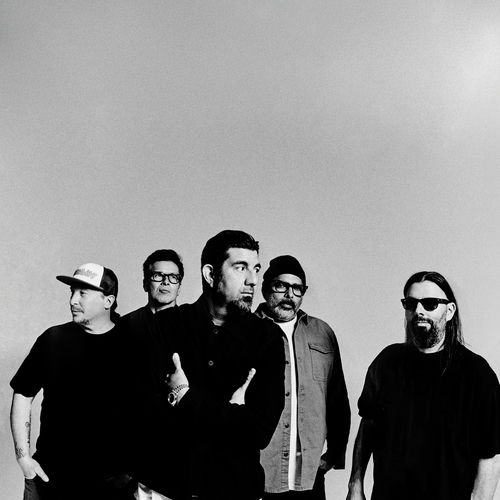
Deftones also occupied an important place in the evolution of alternative metal.
With White Pony, released in 2000, the band explored more experimental atmospheres, between heavy guitars and melodic textures.
Nu metal achieved considerable popularity before gradually losing its dominant position in the media.
Nevertheless, its influence would continue through several generations of contemporary bands.
The 2000s–2010s — Metalcore, Technical Complexity and New Productions
At the beginning of the 21st century, several scenes sought to renew metal's intensity by incorporating, among other elements, the energy of hardcore punk.
Metalcore became one of the major musical families of this period.
It combined metal riffs, rhythms inherited from hardcore and particularly heavy passages, often called breakdowns.
Poison the Well contributed to this evolution during the late 1990s, notably with The Opposite of December… A Season of Separation.
Killswitch Engage subsequently helped popularize a form of metalcore incorporating influences from melodic death metal.
Their album Alive or Just Breathing, released in 2002, constitutes a major reference.
Trivium also developed an approach combining metalcore, thrash and traditional heavy metal.
Lamb of God represented another direction, particularly characterized by syncopated riffs and complex rhythms.
Progressive metal simultaneously underwent further transformations.
Opeth combined extended compositions, acoustic atmospheres and death metal influences, notably on Blackwater Park, released in 2001.
Mastodon developed music bringing together sludge metal, progressive rock and particularly ambitious compositions.
Their album Leviathan, released in 2004, constituted an important step in this evolution.
Meshuggah, meanwhile, explored complex rhythmic structures that would influence numerous modern metal bands.
This exploration would notably contribute to the development of djent, a term associated with certain highly precise guitar sounds and strongly syncopated rhythms.
During the following years, Bring Me the Horizon participated in the transformation of metalcore by progressively incorporating more electronics and pop influences.
The album Sempiternal, released in 2013, illustrated this openness.
Architects also continued an approach to metalcore characterized by modern production and contemporary themes.
The scene was no longer limited to traditional metal techniques: it now incorporated production methods borrowed from electronic music and pop.
Symphonic Metal and Its Great Voices
Another important development emerged from the 1990s onward, primarily in Europe.
Symphonic metal combined metal guitars and rhythms with orchestral arrangements, choirs and sometimes vocal techniques drawn from classical music.
Nightwish helped popularize this aesthetic.
Their album Oceanborn, released in 1998, illustrated the meeting between melodic metal, keyboards and particularly elaborate singing.
Within Temptation also developed an approach built around orchestral atmospheres and melodic arrangements.
Epica continued this evolution by combining symphonic metal, choirs and heavier influences.
The genre embraced very different vocal performances, from operatic singing to rock voices, sometimes combined with guttural passages.
This development also highlighted the importance of women in the history of contemporary metal.
Symphonic metal helped diversify representations of the genre while developing close relationships with power metal and gothic metal traditions.
The 2010s–2020s — A Global Scene and New Identities
During the 2010s and 2020s, metal continued to diversify.
Several bands combined its traditions with electronic, progressive or pop influences without abandoning the instrumental characteristics that define it.
Spiritbox developed an approach combining metalcore, electronic atmospheres and vocal variations.
Their album Eternal Blue, released in 2021, demonstrated the creativity of this new generation.
Jinjer also explored compositions built around rhythmic virtuosity and the alternation of vocal techniques.
Ghost represented another direction, combining references to classic hard rock, accessible melodies and a theatrical stage universe.
The French band Alcest contributed to developing encounters between atmospheric black metal and sounds close to shoegaze.
These different approaches demonstrate that metal's boundaries remain open.
The genre no longer evolves in a single direction: several traditions coexist and transform simultaneously.
Movements and Subgenres
Hard Rock and Heavy Blues Rock
Hard rock relies primarily on powerful guitar riffs, energetic drumming and structures inherited from rock and blues.
Instrumental solos and vocal performance often occupy an important place.
Led Zeppelin, AC/DC and Guns N’ Roses illustrate different periods of its development.
Heavy blues rock retains more directly the structures and techniques of electric blues while employing the amplification and intensity characteristic of hard rock.
Traditional Heavy Metal
Traditional heavy metal developed from the innovations of Black Sabbath and British bands of the 1970s.
It emphasizes massive riffs, guitar harmonies and considerable instrumental power.
Judas Priest and Iron Maiden helped establish its identity during the 1980s.
Its aesthetic remains a fundamental reference for numerous movements today.
Glam Metal and Melodic Hard Rock
Glam metal enjoyed great popularity during the 1980s.
It combined hard rock riffs, virtuoso solos, accessible choruses and carefully developed stage presence.
Mötley Crüe and several Los Angeles bands contributed to its development.
Melodic hard rock placed greater emphasis on compositions intended for radio and large venues, without necessarily adopting the same visual codes.
Speed Metal and Thrash Metal
Speed metal developed fast tempos and particularly energetic performances.
Thrash metal combined these characteristics with the aggression of hardcore punk and more syncopated riffs.
Metallica, Slayer, Megadeth and Anthrax are among its principal references.
The two categories overlap historically, but they do not designate exactly the same musical practices.
Death Metal and Grindcore
Death metal is often characterized by heavily distorted guitars, guttural vocals and complex rhythmic structures.
Death, Morbid Angel and Obituary contributed to its historical development.
Grindcore has a more direct relationship with hardcore punk and frequently emphasizes very short tracks and extreme tempos.
Napalm Death is among its major references.
Black Metal
Black metal developed a distinctive musical and visual aesthetic.
It frequently uses guitars played with tremolo picking, shrieked vocals and dark or epic atmospheres.
Bathory, Mayhem, Darkthrone and Emperor contributed to different stages of its evolution.
Today, the genre possesses highly diverse international scenes, sometimes far removed from the representations associated with its earliest decades.
Doom Metal, Stoner and Sludge
Doom metal emphasizes slow tempos, particularly heavy riffs and oppressive atmospheres.
It extends part of Black Sabbath's legacy.
Stoner metal often combines these characteristics with heavily distorted guitars and grooves influenced by psychedelic rock.
Sludge metal develops a more abrasive approach, notably through its relationships with hardcore punk.
These movements share certain traditions but possess distinct musical identities.
Power Metal and Symphonic Metal
Power metal often emphasizes speed, guitar harmonies and strong melodies.
Helloween and Blind Guardian contributed greatly to its European development.
Symphonic metal incorporates orchestral arrangements and choirs into metal compositions.
Nightwish, Within Temptation and Epica are among the important figures of this tradition.
Progressive Metal and Technical Metal
Progressive metal combines metal's instrumental power with complex structures, changing time signatures and extended compositions.
Dream Theater and Opeth represent different expressions of this approach.
Technical metal places greater emphasis on instrumental precision and the complexity of riffs.
These two sensibilities can overlap without necessarily being equivalent.
Alternative Metal and Nu Metal
Alternative metal encompasses different approaches combining metal with alternative rock and other musical traditions.
Nu metal developed more specifically during the 1990s through relationships with hip-hop, funk and electronic production.
Korn, Slipknot, Linkin Park and Deftones contributed to different expressions of this evolution.
However, the boundaries of nu metal remain variable depending on the bands and periods involved.
Metalcore and Contemporary Derivatives
Metalcore developed from the meeting between metal and hardcore punk.
It combines powerful riffs, breakdowns and varied vocal styles.
Poison the Well and Killswitch Engage are among the important bands in its development.
The genre subsequently underwent several transformations, incorporating more melodies, electronics and techniques drawn from progressive metal.
Industrial Metal and Experimental Metal
Industrial metal combines distorted guitars, mechanical rhythms and electronic production techniques.
Ministry and Rammstein represent different approaches to this combination.
Experimental metal more broadly refers to approaches that seek to move beyond the genre's usual structures.
It can incorporate improvisation, electronic music, atmospheric sounds or particularly abstract compositions.
Legacy and Influence Today
Hard rock and metal have profoundly transformed popular music.
Their influence extends far beyond the use of distorted guitars or the intensity of concerts.
They helped renew instrumental techniques, production methods and relationships between artists and their audiences.
Guitarists developed new practices based on precise riffs, speed, effects and the mastery of amplification.
Drummers also expanded their techniques, notably through the use of double bass drums, changing time signatures and particularly fast rhythms.
Bass became an instrument capable of reinforcing riffs while also developing independent lines and complex melodic structures.
These innovations influenced other forms of rock and several contemporary musical traditions.
Metal also helped expand the place of extended instrumental compositions and albums conceived around a shared artistic universe.
This diversity explains why it cannot be reduced to a simple pursuit of power or speed.
France — From Historic Hard Rock to Major International Scenes
France possesses a history of hard rock and metal dating back to the 1970s.
Trust became one of the principal references of French hard rock from the end of that decade onward.
The band developed music characterized by rock energy and lyrics attentive to social tensions.
During the 1980s, Sortilège contributed to the establishment of French heavy metal, while several underground scenes encouraged the development of more extreme forms.
Loudblast became one of the important bands in this evolution.
During the 1990s, Mass Hysteria and Lofofora developed encounters between metal, alternative rock and contemporary rhythmic influences.
These bands helped establish distinctive French musical identities.
Gojira subsequently became one of the most internationally recognized French bands.
Their album From Mars to Sirius, released in 2005, developed particularly dense music combining death metal, rhythmic exploration and environmental concerns.
The band continued its evolution by progressively incorporating more melody and atmospheric construction.
The expansion of festivals and international tours simultaneously encouraged recognition of numerous French bands.
Hellfest, held in Clisson, became one of Europe's principal events for metal and hard rock.
This scene also relies on numerous associations, independent venues, labels and local initiatives.
Metal Around the World
The history of metal is not limited to the United States and the United Kingdom.
From the 1980s onward, important scenes developed in Europe, South America and Asia.
In Germany, heavy, power and thrash metal traditions helped establish a particularly influential scene.
Scandinavian countries subsequently occupied an important position in the development of death, black and melodic metal.
Brazil contributed to this international expansion through Sepultura, whose productions progressively explored local musical influences.
In Japan, X Japan helped popularize metal combining instrumental energy, melodies and a distinctive visual aesthetic.
Ningen Isu also developed a heavy metal tradition deeply influenced by classic hard rock.
Maximum the Hormone explored combinations of metal, punk and other forms of contemporary rock.
Babymetal emerged in 2010 with a concept combining heavy metal and the conventions of Japanese pop.
Their debut album, BABYMETAL, released in 2014, helped bring this approach international recognition.
The group subsequently continued its experimentation on METAL GALAXY, THE OTHER ONE and METAL FORTH, while developing an international stage presence.
In Mongolia, The Hu developed music combining metal with Mongolian instrumental traditions.
In India, Bloodywood offered a meeting between contemporary metal and Indian musical influences.
These bands do not represent a single international direction.
Rather, they demonstrate how different scenes adopt metal instruments and structures to develop their own cultural identities.
Women in a History Long Dominated by Men
Hard rock and metal have long been portrayed as predominantly male worlds.
However, this image does not reflect their entire history.
From the earliest decades, female musicians participated in the development of scenes, bands and instrumental practices.
Girlschool occupies an important place in the history of British heavy metal.
Doro Pesch helped establish a major female presence within European metal.
The following decades witnessed the emergence of very different approaches.
Nightwish and Within Temptation helped popularize symphonic metal, while Halestorm developed contemporary hard rock centered on instrumental and vocal power.
Arch Enemy also contributed to the recognition of women occupying central roles in more extreme forms of metal.
Spiritbox and Jinjer illustrate new generations of artists exploring several vocal techniques and particularly heavy compositions.
These careers do not constitute a separate musical category.
They belong fully to the history of hard rock and metal, helping expand the ways these genres are represented.
Concerts and Metal Culture
Concerts occupy an essential place in hard rock and metal culture.
Sonic intensity, the relationship between musicians and audiences, and instrumental performances constitute major elements of their identity.
From the 1970s onward, major tours helped transform hard rock into an international spectacle.
Bands developed more elaborate stage designs using lighting, sets and visual effects.
Meanwhile, metal retained an important tradition of concerts in small venues and independent spaces.
Festivals also played an essential role in connecting bands and audiences.
Wacken Open Air in Germany and Hellfest in France are among the best-known gatherings within this culture.
These events bring together often very different movements, from melodic hard rock to extreme black metal.
Audience participation takes several forms.
Headbanging, collective movement in the pit and practices inherited from punk form part of the experience at many concerts.
These behaviors vary between scenes and do not characterize every audience in the same way.
Metal also possesses a particularly developed visual culture.
Album covers, logos, posters and clothing help establish recognizable identities.
References to history, fantasy literature, science fiction and horror films occupy an important place.
This culture is not limited to provocation.
It also constitutes a space for graphic creation, world-building and social connections between enthusiasts.
Provocation, Protest and Diversity of Expression
Hard rock and metal have regularly generated controversy.
Sound volume, representations of horror and references to occultism have sometimes caused concern or hostile reactions.
During the 1980s, several artists were accused of exerting a negative influence on young people.
These controversies form part of the genre's history, but they are not sufficient to explain the diversity of its lyrics and practices.
Some compositions draw inspiration from mythologies or fantasy narratives.
Others address war, social injustice, internal conflicts or human relationships.
Metal can also provide a means of expressing environmental, philosophical or political concerns.
Rage Against the Machine and Gojira represent two very different expressions of this socially engaged dimension.
Other bands place greater emphasis on entertainment, musical virtuosity or the creation of imaginary universes.
There is therefore no single metal discourse.
The diversity of subgenres is also reflected in the subjects they address and the sensibilities of their artists.
The 2020s — Between Heritage and New Generations
During the 2020s, hard rock and metal continue to bring together several generations.
Historic bands retain an important presence on stage and within contemporary productions.
AC/DC released Power Up in 2020, continuing an aesthetic based on guitar riffs and hard rock energy.
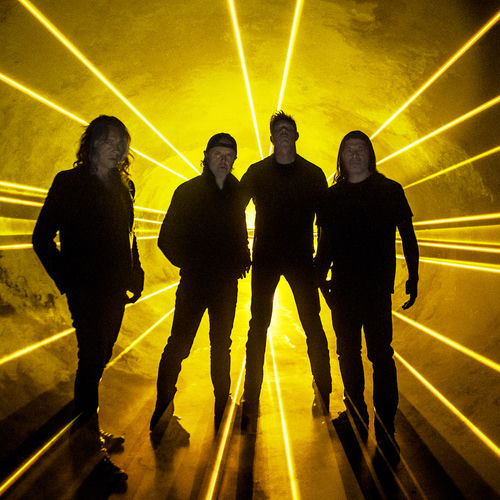
Metallica also continued its activity with 72 Seasons, released in 2023.
These albums demonstrate the endurance of musical traditions developed several decades earlier.
Meanwhile, several bands are exploring more recent forms of production.
Linkin Park continued its evolution with From Zero, released in 2024, combining different characteristics of its musical identity.
Contemporary hard rock also retains representatives who continue the traditions of the 1970s.
Wolfmother developed an aesthetic strongly influenced by the genre's pioneers, notably on their debut album Wolfmother, released in 2005.
Queens of the Stone Age explored a more alternative approach built around repetitive riffs and particularly carefully crafted productions.
Their album Songs for the Deaf, released in 2002, constitutes an important reference for this evolution.
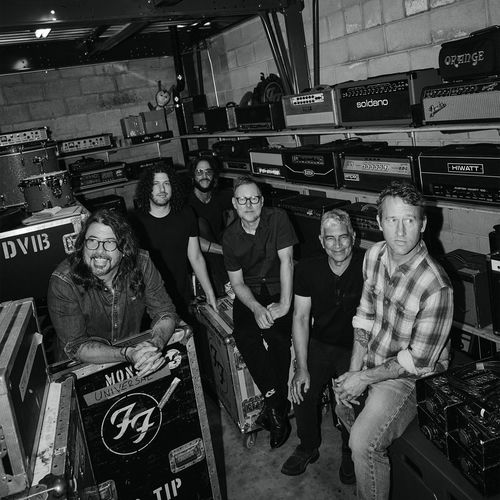
Foo Fighters also continued a tradition of powerful rock, notably with Wasting Light, released in 2011.
These bands illustrate the continuously open relationships between hard rock, alternative rock and metal.
Meanwhile, new generations continue their own experimentation.
Contemporary productions sometimes combine complex guitar techniques, synthesizers, electronic atmospheres and melodic arrangements.
The development of recording software also allows independent bands to produce ambitious recordings with more accessible resources.
Digital platforms encourage the international circulation of recordings, while concerts remain essential for building lasting communities.
A History Still in Motion
Hard rock and metal do not correspond to a single sound.
Their history began with transformations of electric blues and rock during the 1960s, before giving rise to several profoundly different traditions.
Hard rock retains an important relationship with riffs, melodies and the energy of classic rock.
Heavy metal progressively developed more specific structures before diversifying into a multitude of subgenres.
Thrash emphasizes speed and precision, doom explores slowness, death and black metal develop different forms of extreme intensity, while power and symphonic metal place greater emphasis on melodies and arrangements.
Other movements combine metal with punk, hip-hop, electronic music or regional musical traditions.
These transformations do not constitute a succession of styles simply replacing their predecessors.
The different families continue to coexist and interact.
The history of hard rock and metal is also that of the musicians, producers, sound engineers, illustrators and communities who contributed to their development.
From Led Zeppelin to Black Sabbath, from AC/DC to Iron Maiden, from Metallica to Slipknot, and then to contemporary scenes around the world, this history demonstrates a constant capacity for renewal.
More than half a century after the first riffs that transformed rock, hard rock and metal remain major spaces for musical creation.
Their legacy rests not only on the power of amplifiers or the speed of instruments, but on an artistic freedom that continues to encourage musicians to push the boundaries of sound.