
Overview
Semic was a French comics publishing house active from 1989 to 2005, primarily known for its role in publishing American comics in France.
Its history is directly connected to Éditions Lug, the Lyon-based publisher founded in 1950 by Marcel Navarro and Auguste Vistel. When Marcel Navarro retired in 1989, Lug’s activities were taken over by the Scandinavian Semic group and continued under the name Semic France.
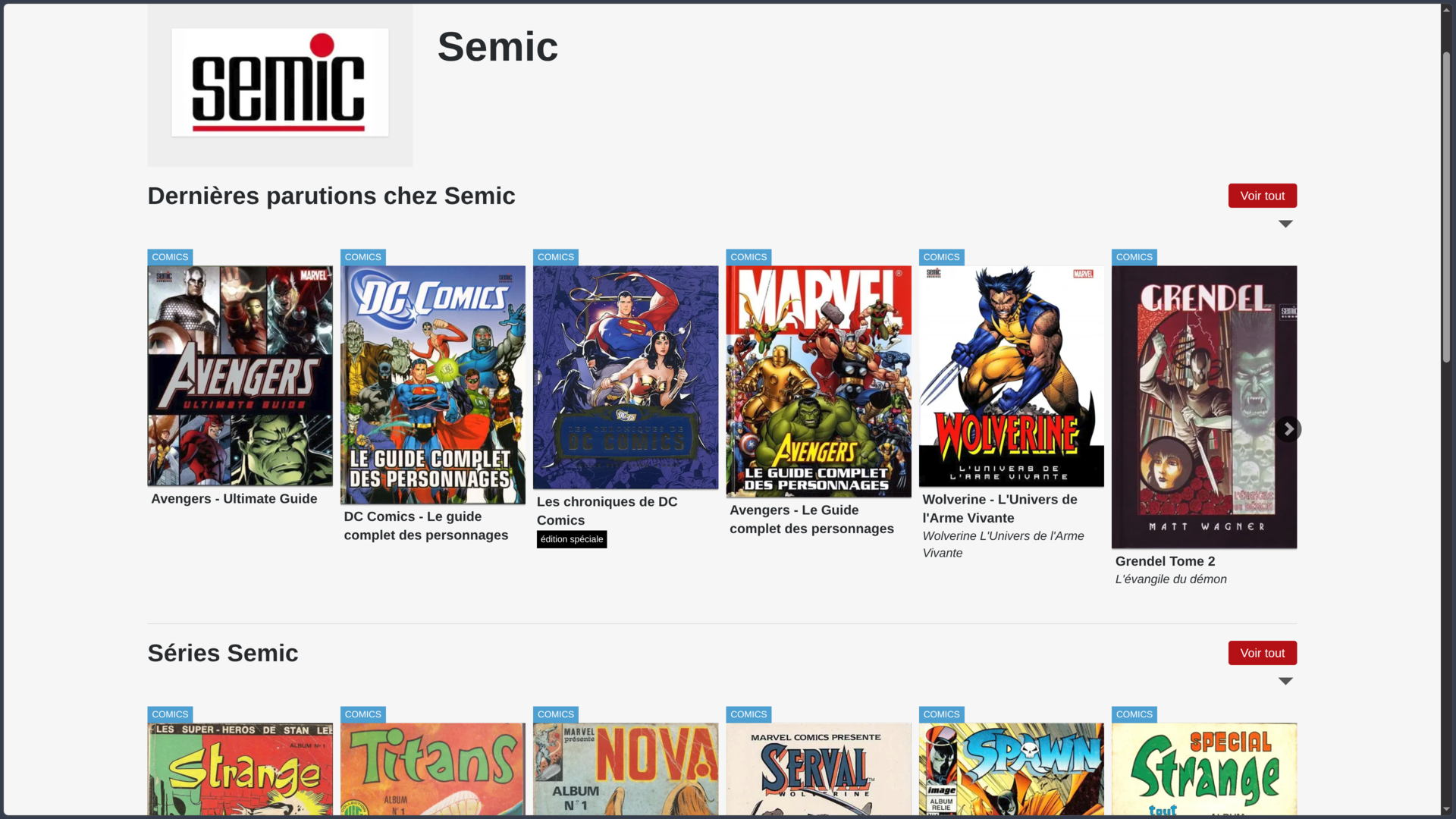
This continuity allowed the publisher to maintain several titles that had become historic for French readers, including Strange, Titans, Nova, Spécial Strange and various magazines devoted to Marvel superheroes.
The loss of the Marvel Comics license at the end of 1996 profoundly changed the catalog. From 1997 onward, Marvel comics moved to Panini through Marvel France. Semic then turned increasingly toward other American publishers, notably DC Comics, Image Comics, WildStorm, Top Cow Productions, Dark Horse and later CrossGen.
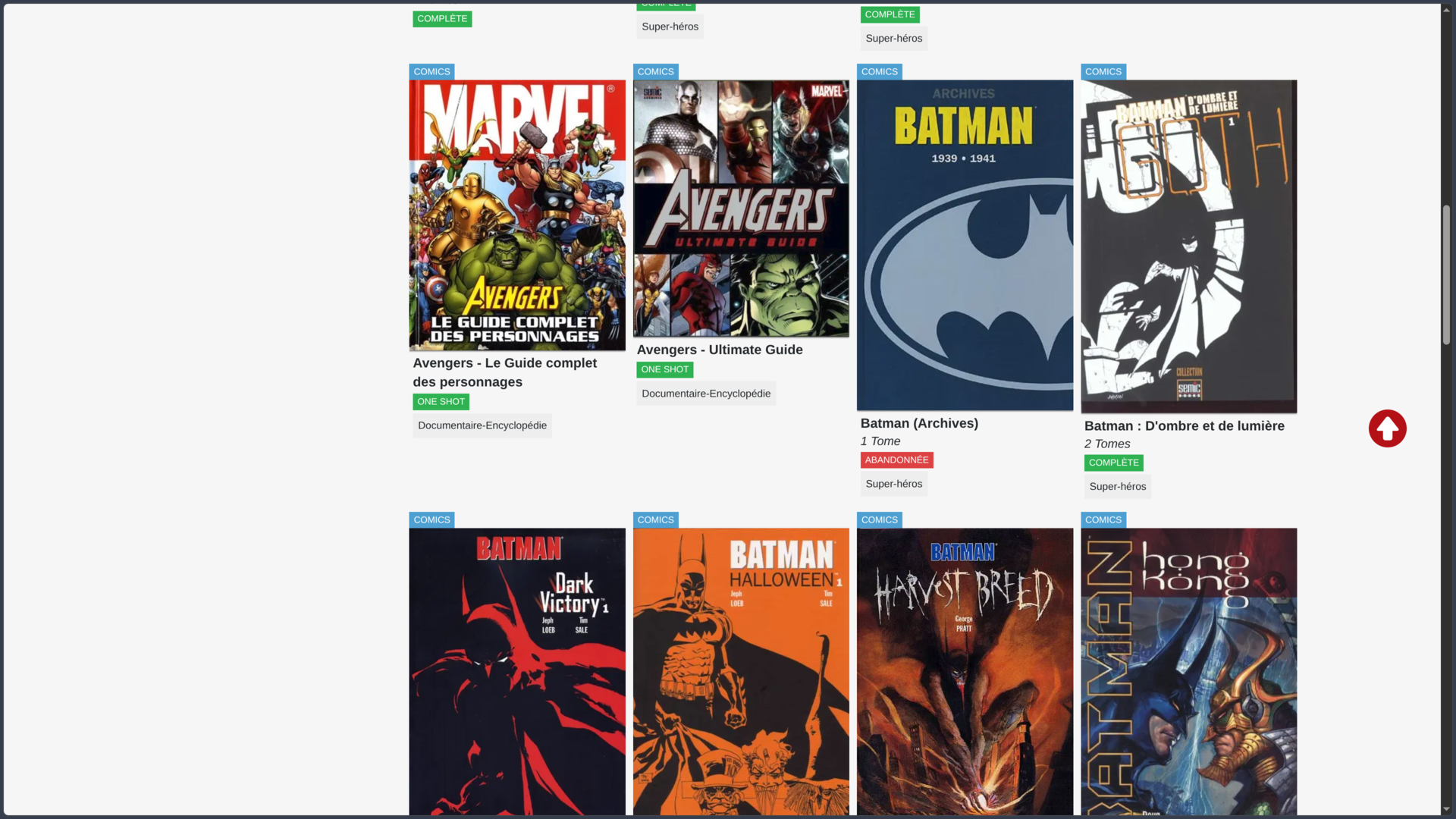
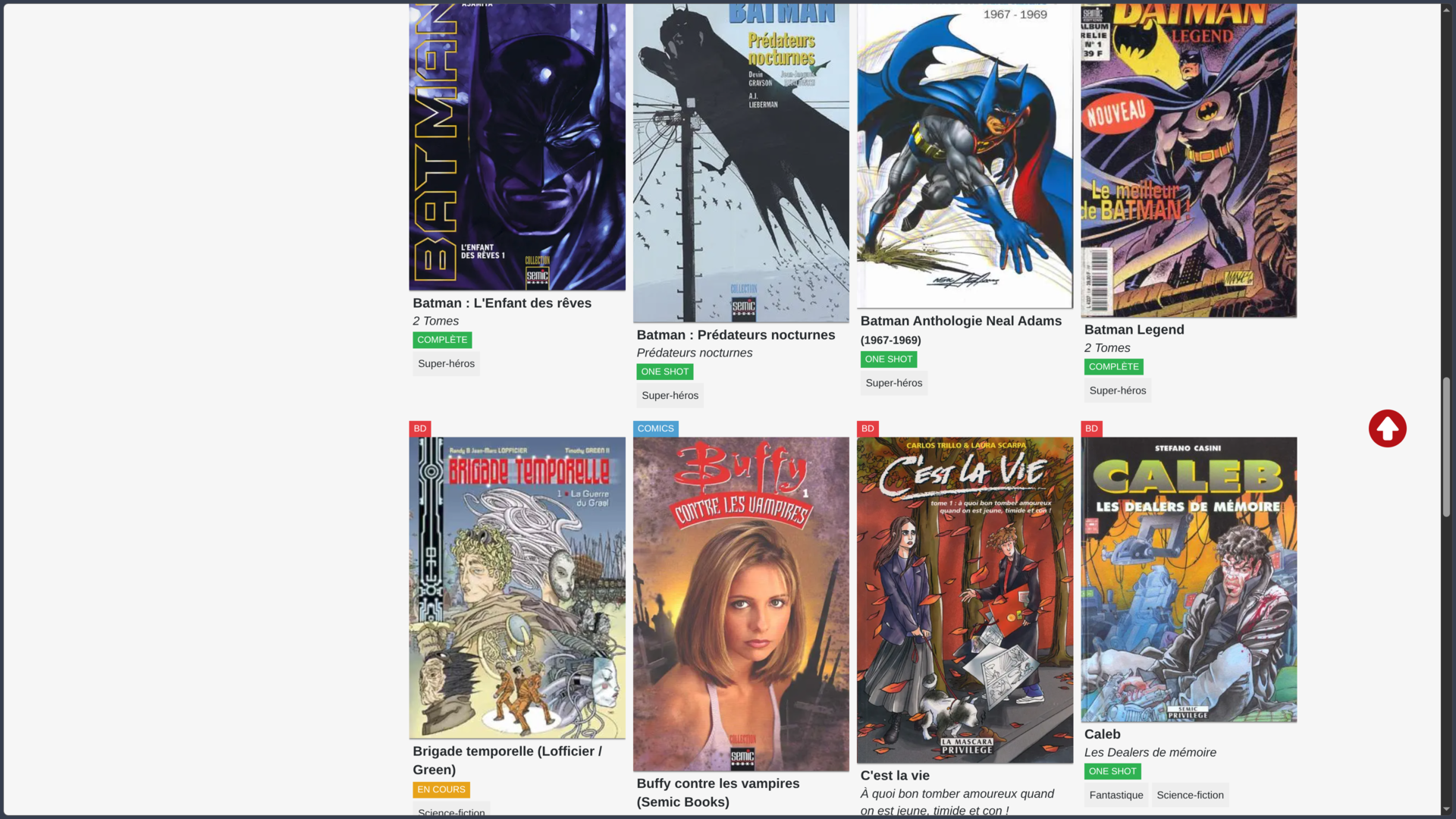
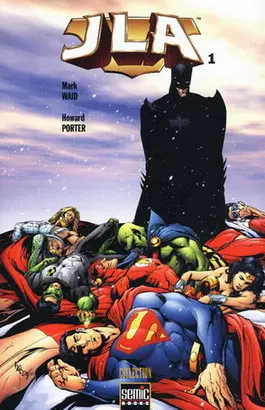
Its catalog therefore came to include series such as Batman, Superman, JLA, Spawn, Gen13, WildC.A.T.s, Cyberforce, Witchblade, The Darkness, Authority and Powers, while still preserving part of Lug’s editorial legacy.
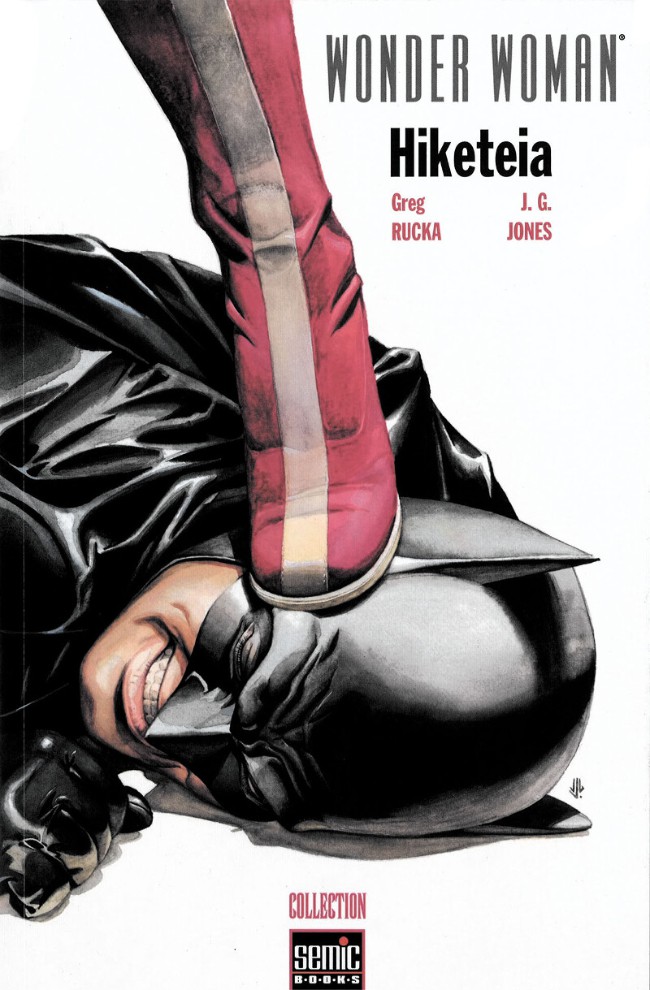
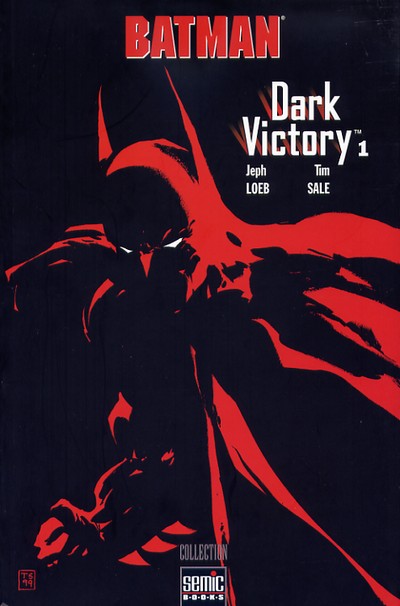
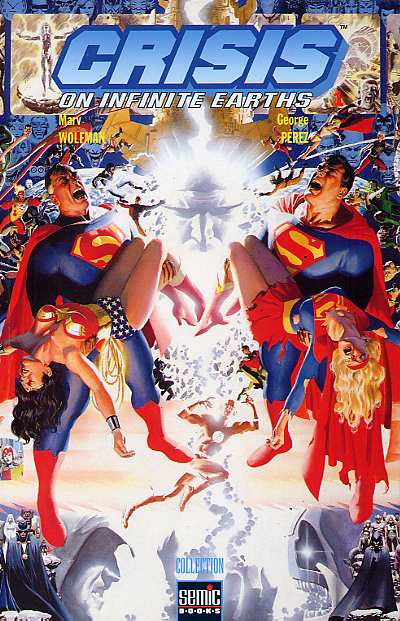
Around the turn of the 2000s, Semic also expanded its bookstore presence through collections such as Semic Books, Semic Album, Semic Noir, Semic Deluxe and Semic Archives, while attempting to revive several historic French characters inherited from Lug.
The accumulation of lost licenses and the discontinuation of several publishing lines gradually weakened the company. Semic ended its publishing activity in 2005.
History
1989 — From Lug to Semic France
In 1989, Marcel Navarro left Éditions Lug after several decades devoted to popular comics and American superhero publications.
The activities of the Lyon-based publisher were taken over by the Scandinavian Semic group, which continued French publications under the name Semic France.
The transition was especially significant for the French comics market. Since the late 1960s, Lug had played a major role in introducing Marvel characters to France through titles including Fantask, Marvel, Strange, Titans, Nova, Spidey and Spécial Strange.
Semic therefore inherited not only existing titles but also a readership accustomed to a distinctly French way of publishing American comics: several series grouped together in regular magazines, adapted formats and ongoing translations of major American storylines.
During the early years, this continuity with Lug remained particularly visible.
The 1990s — The Marvel legacy
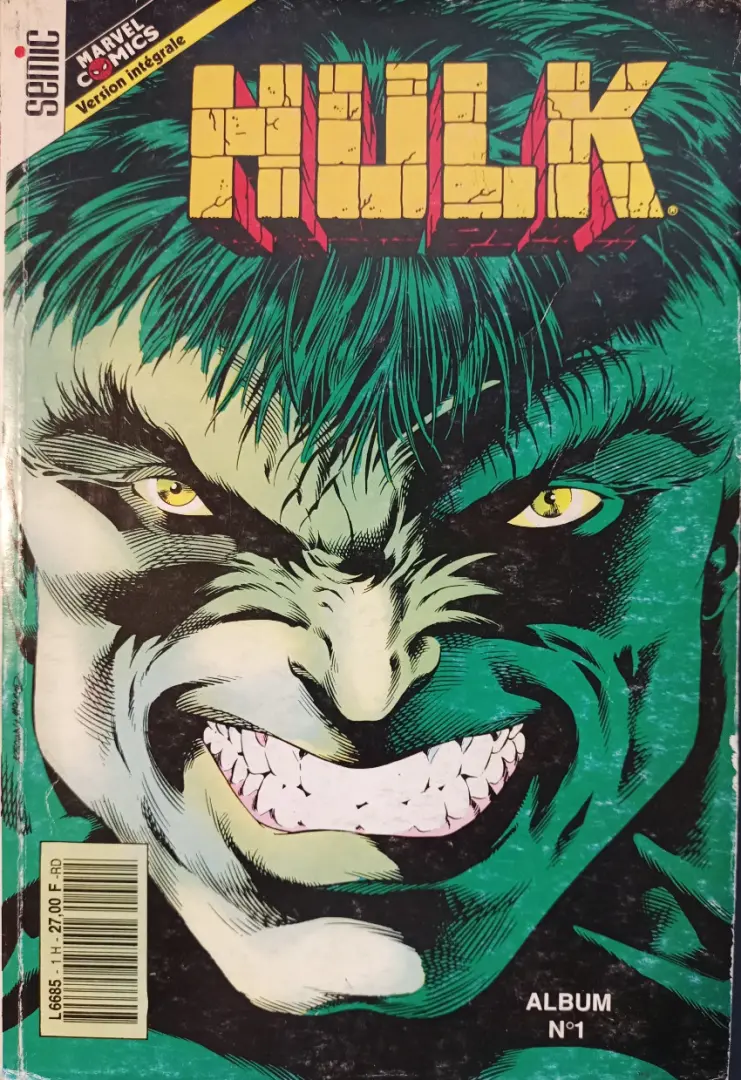
Throughout much of the 1990s, Semic continued publishing many Marvel Comics characters in France.
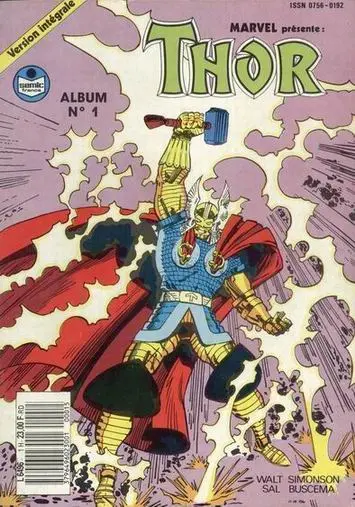
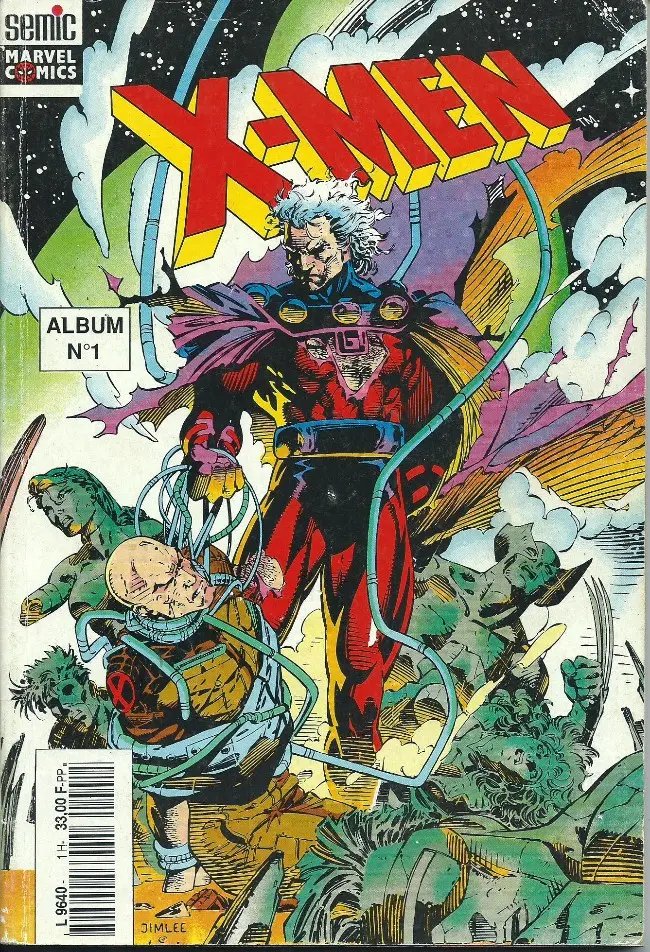
The X-Men, Spider-Man, Wolverine, Hulk, Thor, Daredevil, Avengers and Fantastic Four therefore continued to appear across various magazines and collections.
The BDbase catalog retains this strong legacy through publications such as Strange, Titans, Nova, Spécial Strange, Serval-Wolverine, Récits Complets Marvel, X-Men, Thor, Hulk and Daredevil.
Semic thus directly extended the publishing history built by Lug while gradually developing its own collections.
1996-1997 — Losing Marvel changes everything
At the end of 1996, Semic lost the French publishing rights to Marvel Comics.
The impact was considerable, because Marvel represented an essential part of the identity inherited from Lug. Several historic titles ended, including Strange in its traditional Marvel-focused form.
From 1997, Panini took over French Marvel publishing through the Marvel France label.
Semic therefore had to rebuild a large part of its offer around other American catalogs.
The publisher expanded its DC Comics output and turned toward the new players that had reshaped the American comics industry during the 1990s, particularly Image Comics and its associated studios.
A new generation of American comics
The second half of the 1990s therefore gave the Semic catalog a new identity.
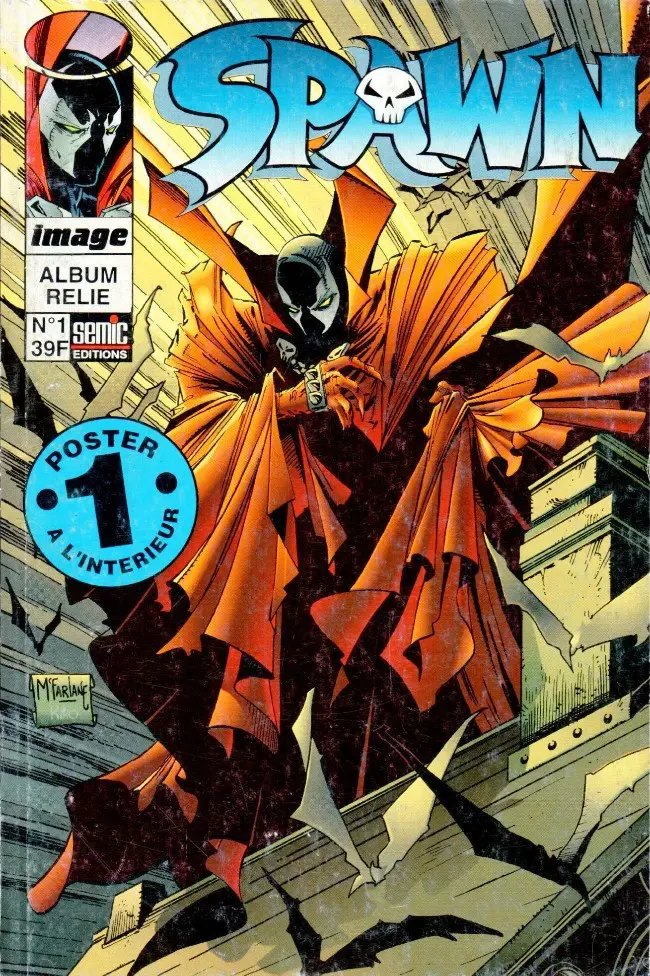
Series such as Gen13, WildC.A.T.s, Cyberforce and Spawn became increasingly prominent alongside DC characters.
Productions from Top Cow, including Witchblade, also allowed the publisher to follow the spectacular transformation of the American comics market during the decade.
This diversification later continued with WildStorm, Dark Horse, CrossGen and various independent publishers and labels.
Semic gradually moved from being a French publisher strongly associated with Marvel to becoming a more general distributor and publisher of American comics.
1998-1999 — Groupe Tournon takes over Semic
At the end of the 1990s, another transformation occurred.
The French operations came under the control of Groupe Tournon, which established Semic S.A.. The corresponding French legal entity was created in 1998.
In 1999, the editorial staff moved from Lyon to Paris, symbolically marking another break with the historic Lug era.
The editorial team also evolved, notably with the arrival of Thierry Mornet as editor-in-chief.
This period opened a new phase in which Semic sought to modernize its publications and strengthen its bookstore presence.
2000 — Semic Books and the expansion into bookstores
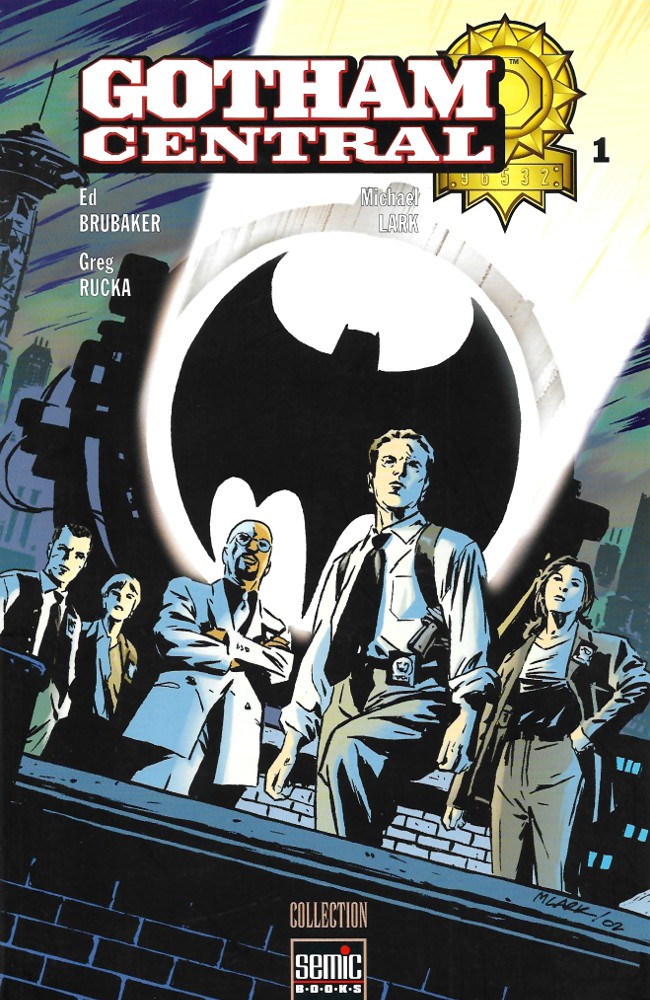
From 2000, Semic notably developed the Semic Books collection.
This line allowed comics to be published in formats designed more specifically for bookstores, alongside the periodicals traditionally sold through newsstands.
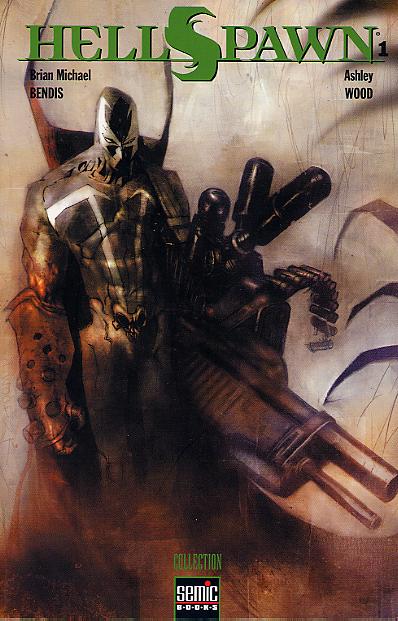
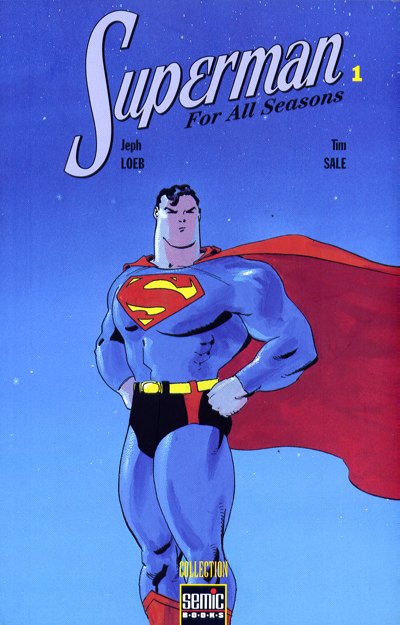
Batman, Superman, JLA, Authority, Green Arrow, Spawn and Sam & Twitch were among the universes published through these new lines.
Other collections also appeared or grew in importance, including Semic Album, Semic Noir, Semic Deluxe, Semic Archives, Semic Digest and Privilège.
This diversification brought Semic closer to a comics publishing model that would gradually become dominant in France: more albums and bookstore volumes, without immediately abandoning periodical magazines.
The return of Lug heroes and the SemicVerse
Semic also attempted to reconnect with another part of its heritage: the original characters once created for Lug.
Under the influence of several creators, including Jean-Marc Lofficier, historic characters were modernized and new stories were produced.
These series were gradually conceived as belonging to a shared universe sometimes referred to as the SemicVerse.
The goal was to revive a French tradition of original creation that had long coexisted at Lug with translations of American comics.
The experiment remained relatively short-lived, however, and several creators later recovered the rights to their characters, which continued outside Semic.
2003 — The end of Bonelli pocket editions
Semic also maintained another tradition inherited from Lug: the publication of comics from Sergio Bonelli Editore in small-format editions.
This longstanding relationship helped preserve in France part of the “pocket” comics culture that had once been a major pillar of Lug.
In 2003, the collaboration with Bonelli ended.
The disappearance of these titles brought an end to another important part of the popular publishing tradition inherited from the former Lyon-based company and further reduced Semic’s editorial scope.
2004-2005 — Loss of the remaining major licenses and closure
At the end of 2004, Thierry Mornet left Semic and the management of its comics activity changed.
At the same time, the agreement allowing Semic to publish the main DC Comics series was not renewed.
The final DC publications appeared in early 2005. Panini later took over the French DC catalog before it changed publishers again several years later.
After Marvel, Bonelli and then DC, Semic had lost several of the catalogs that structured its business.
In 2005, Groupe Tournon ended the Semic company. Publishing activity ceased and the legal entity was removed from the register that same year.
The name itself did not disappear entirely: it remained associated with Groupe Tournon and was reused from 2011 onward by Semic Distribution, a company dedicated to merchandise distribution and not a continuation of the former publishing house.
What sets it apart
The direct link between Lug and a new generation of readers
Semic occupies a particular place because it was the main editorial successor to Lug.
For several years, readers continued to find under its name magazines, characters and publishing habits directly inherited from the Lyon-based company.
This continuity makes Semic a bridge between the historic age of Strange and the transformation of the French comics market beginning in the 1990s.
A catalog that followed the transformation of American comics
Semic operated during a period of major change in the American comics industry.
After publishing Marvel extensively, the company accompanied the rise of new publishers and studios such as Image, WildStorm and Top Cow.
Spawn, Gen13, WildC.A.T.s, Cyberforce and Witchblade symbolized this new generation, characterized by the rise of creators and universes capable of competing with the two historic giants.
The Semic catalog therefore gave French readers access to an important part of the transformation of American comics during the 1990s.
From newsstands to bookstores
Semic’s history also illustrates the transformation of comics distribution in France.
The publisher inherited a strong culture of newsstands and periodicals, but gradually developed collections designed more specifically for bookstores.
The Semic Books, Semic Album, Semic Noir, Semic Deluxe and Privilège lines reflect this evolution.
This shift partly anticipated the contemporary French comics market, now largely structured around collected volumes and bookstore editions.
A publisher combining translations and original creations
Semic did not simply import American series.
By reviving several historic Lug characters in the early 2000s, the publisher also attempted to produce new original comics and build a shared universe.
This characteristic is a reminder that the history of Lug and Semic was not based solely on Marvel or DC: it also included a French tradition of genre characters and popular comics.
A history shaped by licenses
Semic also illustrates the particular fragility of a publisher specializing in works whose rights belong to other companies.
The loss of Marvel, followed by the end of Bonelli publications and finally the loss of DC Comics, successively reduced its catalog.
These changes show how strongly the balance of a licensed-comics publisher can depend on decisions made by international rights holders.
Good to know
- Semic France emerged in 1989 when the Scandinavian Semic group took over the activities of Éditions Lug.
- The publisher continued many historic Lug titles, including Strange, Titans, Nova and Spécial Strange.
- During the 1990s, Semic remained a major publisher of Marvel comics in France.
- Semic lost the Marvel license at the end of 1996; Marvel France/Panini took over in 1997.
- The publisher then increasingly turned toward DC Comics, Image Comics, WildStorm, Top Cow, Dark Horse and CrossGen.
- Spawn, Gen13, WildC.A.T.s, Cyberforce, Witchblade, Batman, Superman and JLA were among the many series associated with its catalog.
- Groupe Tournon took over the French operations at the end of the 1990s, and the editorial staff moved from Lyon to Paris in 1999.
- From 2000, Semic notably developed the Semic Books, Semic Album, Semic Noir, Semic Deluxe and Semic Archives collections.
- The publisher also attempted to revive several historic Lug characters within what became known as the SemicVerse.
- The collaboration with Italian publisher Bonelli ended in 2003.
- Semic subsequently lost most of its DC Comics catalog in early 2005.
- Semic ended its publishing activity in 2005, and the company was removed from the register that same year.
- The name has been reused since 2011 by Semic Distribution, a merchandise distribution company distinct from the former publishing house.