

























Overview
RCA is an American record label whose origins can be traced to the Victor Talking Machine Company, founded in 1901. Renamed RCA Victor following its acquisition by the Radio Corporation of America in 1929, it has experienced more than a century of technological, artistic and industrial change. Today, it belongs to Sony Music Entertainment and remains one of the major names in recorded music.
Its history is closely connected to the development of records and the evolution of popular music. RCA has worked with artists including Elvis Presley, Harry Belafonte, David Bowie, John Denver, Dolly Parton and Eurythmics. Its historical catalogue also includes jazz, classical music and recordings by numerous international performers.
From the 1990s onward, the label expanded its presence in alternative rock, hip-hop and pop. It worked with Foo Fighters and The Strokes, while associated companies such as Loud Records released influential recordings by Wu-Tang Clan and Mobb Deep. Later decades brought artists including Alicia Keys, P!nk, Sia, SZA, Doja Cat and Tate McRae.
RCA also played an important role in the evolution of recording formats. In 1949, RCA Victor introduced the 45 rpm microgroove record, which became one of the principal formats for distributing popular songs. Today, the label operates in an industry shaped by digital distribution, streaming and international collaborations.
History
1901-1929 — Victor and the origins of RCA
RCA's recording history began in 1901 with the establishment of the Victor Talking Machine Company by Eldridge R. Johnson in the United States. The company manufactured phonographs and records, participating in the development of the modern recording industry.
Victor rapidly built a catalogue of classical and popular music recordings. Tenor Enrico Caruso was among its earliest celebrated performers. The company also contributed to the spread of jazz, notably through recordings by the Original Dixieland Jazz Band in 1917.
The image of Nipper the dog listening to a phonograph, associated with the His Master's Voice trademark, became one of the most recognisable symbols of its heritage.
In 1929, the Radio Corporation of America acquired Victor. The combination of radio and recording businesses established RCA Victor, a brand that would accompany much of twentieth-century American music history.
1930-1969 — Technical innovation and the success of Elvis Presley
During the 1930s and 1940s, RCA Victor expanded its activities in classical music, jazz and popular entertainment. The company used its industrial resources to manufacture recordings and playback equipment for a growing consumer market.
In 1949, RCA Victor introduced the seven-inch 45 rpm vinyl record. Designed particularly for individual songs, the new format competed with the 33⅓ rpm long-playing record introduced by Columbia the previous year. The 45 gradually became an essential format for popular music.
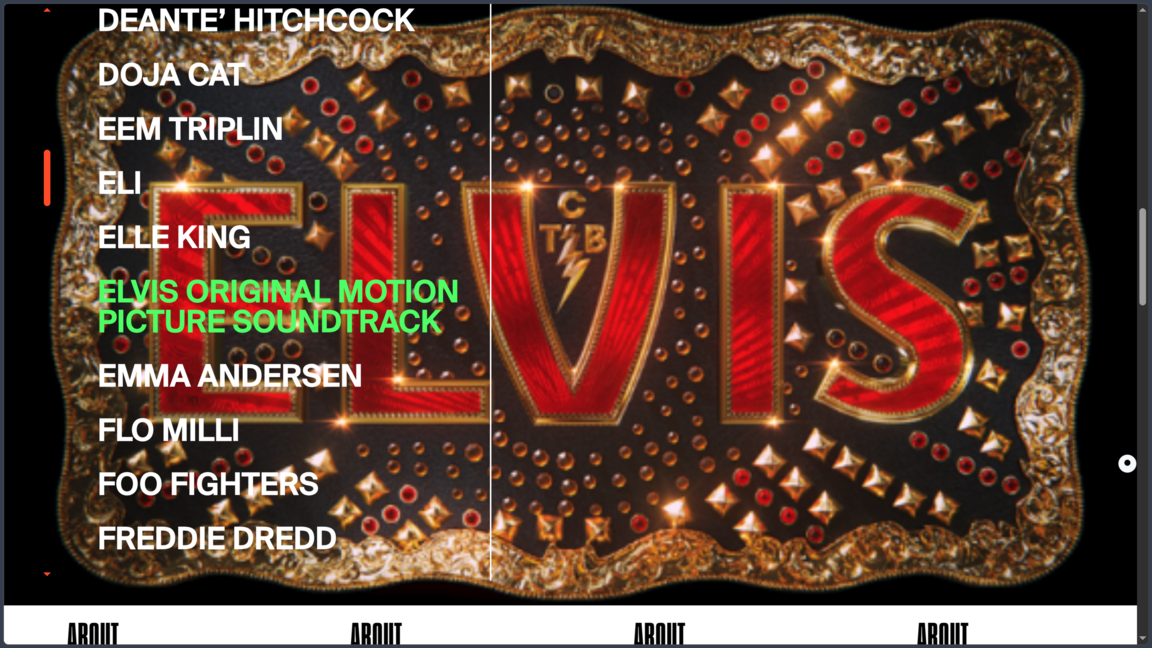
A decisive turning point came in 1955, when RCA acquired Elvis Presley's recording contract from Sun Records. The success of Heartbreak Hotel (1956), followed by his albums and soundtrack releases, accompanied the international expansion of rock and roll.
The label also released recordings by Harry Belafonte and Miriam Makeba, including An Evening with Belafonte/Makeba (1965), while maintaining an important position in classical music and jazz.
By the late 1960s, RCA had assembled an extensive catalogue spanning American popular performers and major orchestral productions.
1970-1989 — David Bowie, country and new popular music trends
During the 1970s, the RCA Victor name gradually gave way to the simpler RCA Records identity. The label supported numerous rock, country and popular music artists.
David Bowie maintained an important relationship with RCA throughout the decade, releasing albums including Hunky Dory (1971), The Rise and Fall of Ziggy Stardust and the Spiders from Mars (1972), Station to Station (1976) and Heroes (1977).
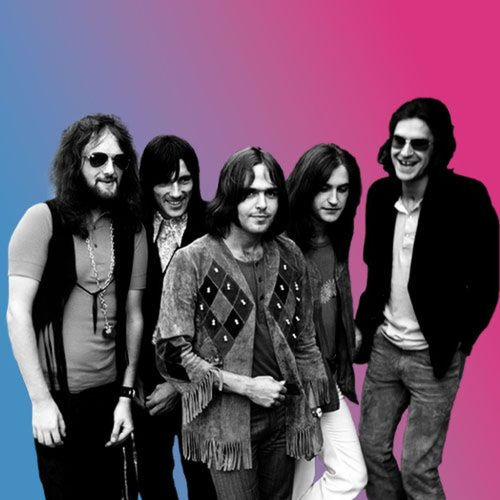
Country remained another major area through performers such as Dolly Parton and John Denver. The catalogue also included bands such as The Kinks, whose Soap Opera (1975) appeared on RCA.
During the 1980s, the company continued developing its roster with artists including Hall & Oates and Eurythmics, whose music combined pop, rock and electronic elements.
In 1986, the acquisition of RCA Corporation by General Electric led to a reorganisation of its businesses. The music division passed under the control of the German company Bertelsmann and became part of the organisation later known as Bertelsmann Music Group (BMG).
This change marked the definitive separation of the record label from its origins in the American radio and electronics industries.
1990-2008 — Hip-hop, alternative rock and integration into Sony
During the 1990s, RCA adapted its catalogue to emerging trends in popular music. Through its association with Loud Records, the label participated in the distribution of influential American hip-hop releases.
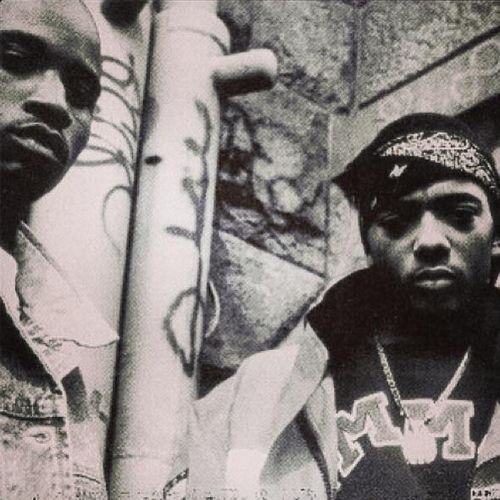
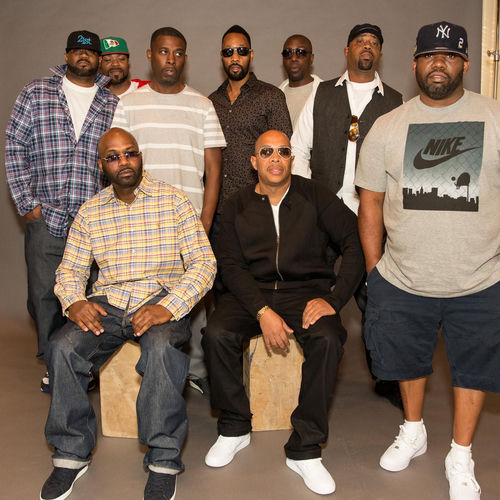
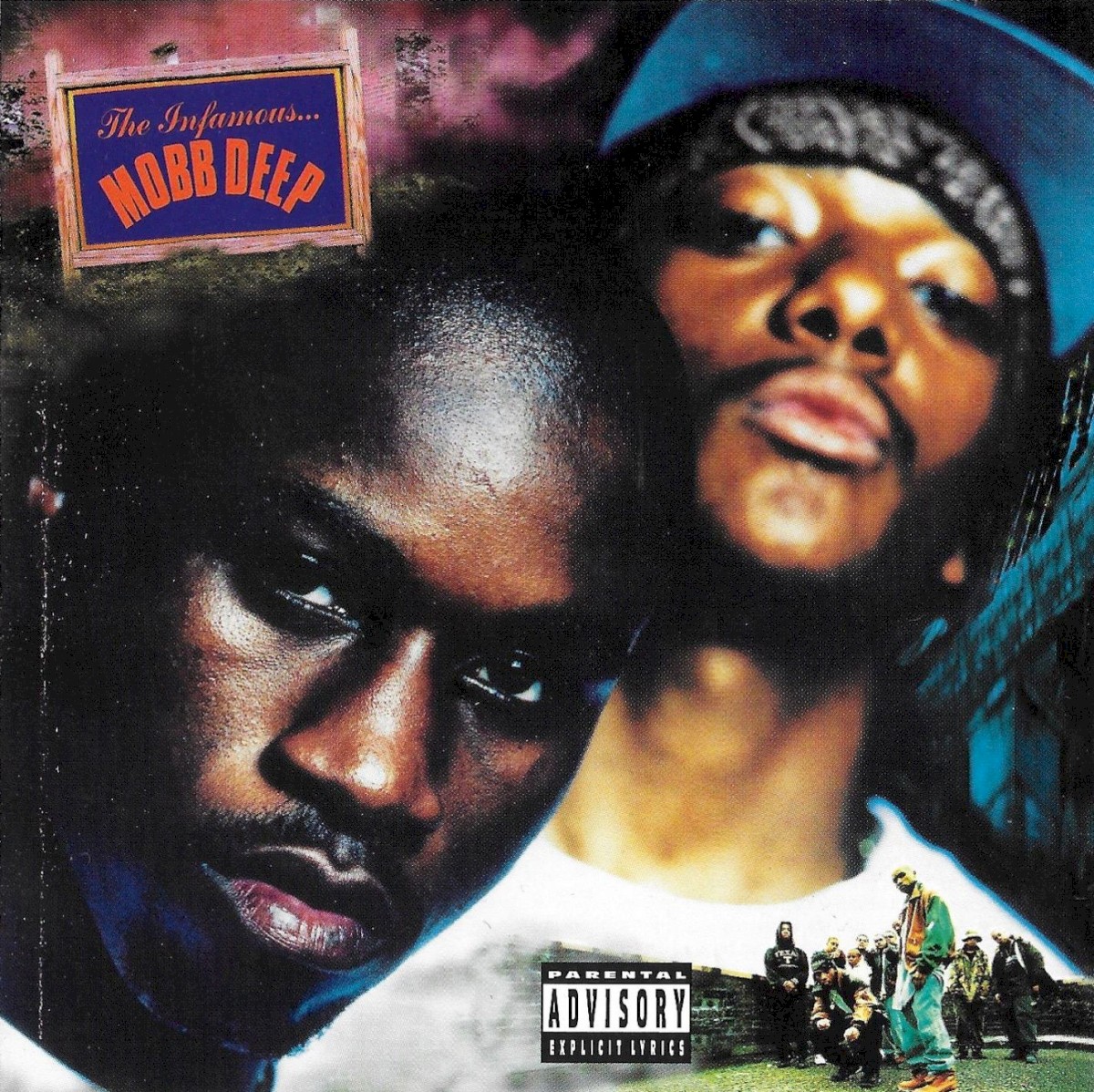
Wu-Tang Clan's Enter the Wu-Tang (36 Chambers) (1993) and Wu-Tang Forever (1997), alongside Mobb Deep's The Infamous (1995) and Hell on Earth (1996), illustrate this period. These productions helped popularise a hip-hop aesthetic characterised by dark instrumentals and urban storytelling.
Alternative rock also became increasingly important. Foo Fighters developed a long-standing relationship with RCA, particularly through Roswell Records. The band released There Is Nothing Left to Lose (1999), One by One (2002) and In Your Honor (2005).
RCA also worked with The Strokes on Room on Fire (2003) and First Impressions of Earth (2005), two albums associated with the revival of independent rock in the 2000s.
At the corporate level, Sony and BMG combined their recording operations in 2004 to establish Sony BMG Music Entertainment. In 2008, Sony acquired Bertelsmann's share, bringing RCA fully under Sony Music Entertainment.
2009-2026 — New generations and international development
In 2011, Sony reorganised several of its American labels and consolidated their activities around RCA Records. The restructuring included repertoires previously associated with J Records, Jive and Arista.
The label strengthened its position in contemporary pop, rock and R&B. Foo Fighters continued releasing albums including Wasting Light (2011), Sonic Highways (2014) and But Here We Are (2023), while The Strokes released The New Abnormal (2020).
Alicia Keys contributed albums such as Girl on Fire (2012), HERE (2016), ALICIA (2020) and KEYS (2021). RCA also participated in the release of Sia's 1000 Forms of Fear (2014) and This Is Acting (2016), alongside several P!nk albums.
Contemporary R&B and hip-hop became increasingly prominent through SZA, whose Ctrl (2017) and SOS (2022) were released in association with Top Dawg Entertainment. Doja Cat achieved major success with Hot Pink (2019), Planet Her (2021), Scarlet (2023) and Vie (2025), notably through Kemosabe Records.
RCA also supported younger pop artists such as Tate McRae, whose THINK LATER (2023) and So Close to What (2025) contributed to the catalogue's continuing evolution.
In 2026, the label released Foo Fighters' Your Favorite Toy in association with Roswell Records, and The Strokes' Reality Awaits alongside Cult Records.
That same year, RCA announced the relaunch of Jive Records as a standalone label under its supervision, continuing its development through specialised recording brands and creative teams.
Distinctive Features
A history connected to the origins of the recording industry
Through its Victor heritage, RCA's history reaches back to the earliest commercial developments of recorded music. Its catalogue spans the eras of phonographs, 78 rpm records, vinyl, compact discs and digital music.
A major role in popularising the 45 rpm record
The introduction of the 45 rpm record in 1949 represents one of RCA Victor's most significant industrial contributions. This format became essential for commercial singles and accompanied the growth of rock and roll and popular music.
Musical diversity across generations
From Elvis Presley's recordings to David Bowie's albums and the music of Foo Fighters, Alicia Keys, SZA and Doja Cat, RCA has developed a catalogue spanning different styles and periods without specialising in a single musical genre.
A network of labels and partnerships
RCA's more recent history is closely connected to companies such as Loud, J Records, Jive, Roswell, Top Dawg Entertainment and Kemosabe. These partnerships support distinct catalogues while drawing on Sony Music's commercial resources and international distribution network.
Key Facts
- Origins: 1901, with the Victor Talking Machine Company.
- Victor founder: Eldridge R. Johnson.
- Creation of RCA Victor: 1929, following Victor's acquisition by the Radio Corporation of America.
- Historic symbol: Nipper, the dog associated with His Master's Voice.
- Major innovation: introduction of the 45 rpm record in 1949.
- Signature artist: Elvis Presley, signed to RCA in 1955.
- Rock and country: David Bowie, John Denver, Dolly Parton and The Kinks.
- Hip-hop: distribution of Wu-Tang Clan and Mobb Deep albums through Loud Records.
- Alternative rock: Foo Fighters and The Strokes.
- Ownership changes: integration into BMG in the 1980s, followed by Sony Music Entertainment in 2008.
- Contemporary R&B and pop: Alicia Keys, SZA, Doja Cat, P!nk, Sia and Tate McRae.
- Leadership: Peter Edge, chairman and CEO since 2011.
- Label relaunch: Jive Records in February 2026.
- Recent releases: Your Favorite Toy and Reality Awaits (2026).
- Status: active record label within Sony Music Entertainment.