


Overview
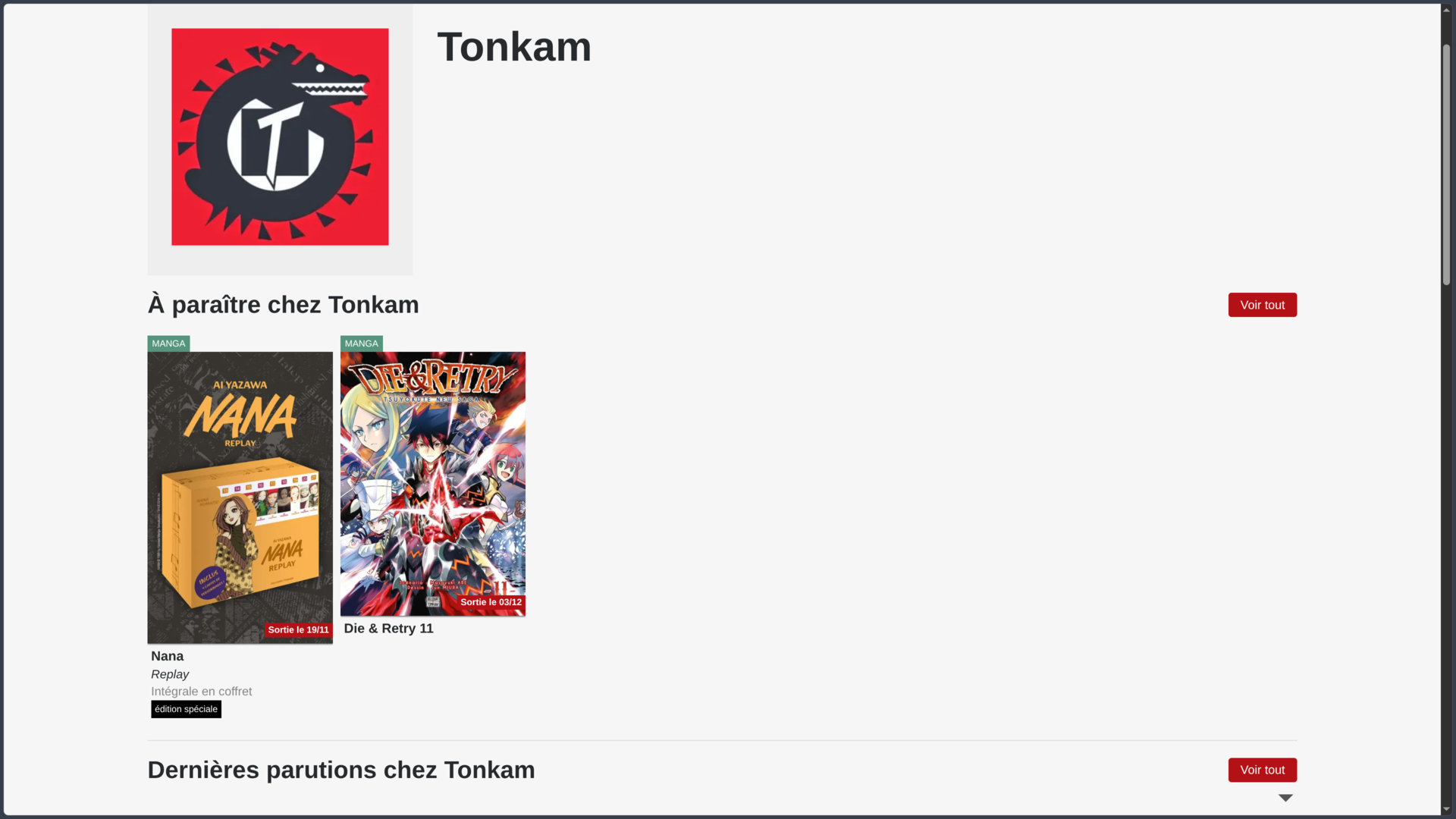
Tonkam is a historic name in manga publishing in France. The publishing house was founded in 1993, following several years of bookstore and import activity that had already helped introduce Japanese publications to a French audience still relatively unfamiliar with manga.
The project was notably developed by Dominique Véret and Sylvie Chang, alongside Françoise Chang and Éric Faurie. Even before becoming a publisher, Tonkam imported manga, comics, videos, records and Japanese art books, gradually building a network of readers and specialist booksellers.
Its first French-language publications appeared in 1994, including Video Girl Ai by Masakazu Katsura. Tonkam quickly distinguished itself through a catalog that was not limited to series already popularized by television. The publisher introduced French readers to creators and works from very different genres, from shōnen and shōjo to seinen and titles aimed at adult audiences.
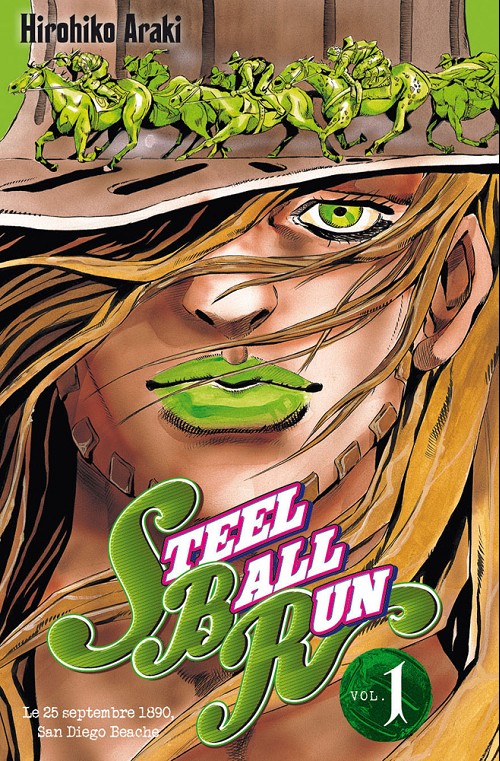
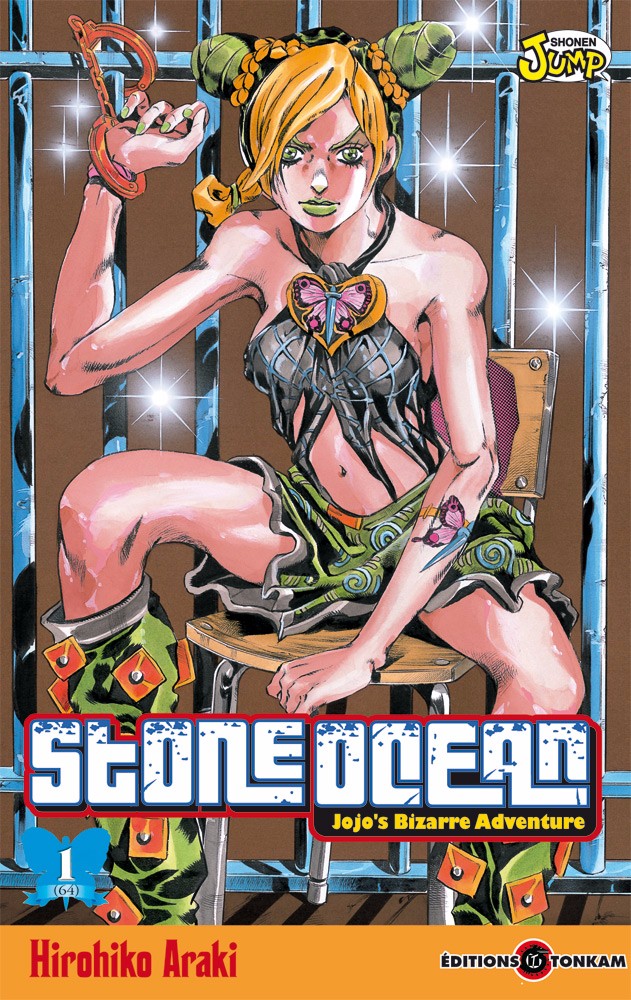
Over the years, its catalog featured creators including CLAMP, Osamu Tezuka, Masakazu Katsura, Kaori Yuki, Takehiko Inoue, Hiroya Oku, Hirohiko Araki, Hideo Yamamoto, Junji Ito and Tsukasa Hojo.
After its acquisition by Delcourt in 2005, Tonkam retained a distinct editorial identity for several years. It was later integrated more closely into the group, leading to the consolidation of the manga catalogs under the Delcourt/Tonkam identity in 2016.
Today, the Tonkam name remains associated with the manga heritage of the Delcourt Group and with a catalog combining major classics and contemporary series.
History
From bookstores to manga imports
Before becoming a publishing house, Tonkam was first connected to a bookstore business.
During the 1980s, Dominique Véret and Sylvie Chang developed the sale of American comics and later imported manga. The business gradually expanded toward Japanese popular culture more broadly, including original-language manga, animation, music and related products.
By the early 1990s, Tonkam was no longer selling only directly to readers. The company also helped distribute imported manga to other French bookstores.
This direct experience with readers allowed the team to see that there was already an audience for Japanese works far more diverse than the titles then available in translation.
1993-1994 — Tonkam becomes a publisher
In 1993, Françoise Chang, Sylvie Chang, Dominique Véret and Éric Faurie founded the Tonkam publishing house, with financial support from Yu-Chi Chang.
The first titles reached the French market in 1994.
Video Girl Ai by Masakazu Katsura was among the emblematic titles of this launch. Rather than relying only on licenses already known through television, Tonkam also sought to introduce Japanese works and creators that were still largely unknown to French readers.
The publisher quickly released other significant titles and notably helped introduce several works by CLAMP in France, including RG Veda and later Tokyo Babylon.
The 1990s — Broadening the perception of manga
Tonkam played a role during a decisive period when manga was beginning to be viewed in France as a genuine publishing sector rather than simply as an extension of Japanese animated series shown on television.
Its catalog presented a wide variety of genres and audiences.
Creators such as Masakazu Katsura, Osamu Tezuka, Masamune Shirow, CLAMP and Taiyō Matsumoto helped demonstrate the range of forms manga could take.
Tonkam also developed other activities around Japanese culture. The publisher became involved in video and specialist press, extending the cultural approach that had already existed during its bookstore years.
Press and serialization
Tonkam did not restrict itself to bound volumes.
The publisher also developed several editorial initiatives designed to support manga discovery. The magazine Mangavoraces appeared during the 1990s, while Tsunami helped circulate information and criticism about manga and Japanese culture.
In 2003, Tonkam launched Magnolia, a magazine devoted to the serialization of shōjo manga.
The project was relatively short-lived, but it illustrated the publisher’s willingness to experiment in France with practices inspired by the Japanese publishing model.
The 2000s — A substantial catalog
By the beginning of the 2000s, Tonkam had already built a particularly diverse catalog.
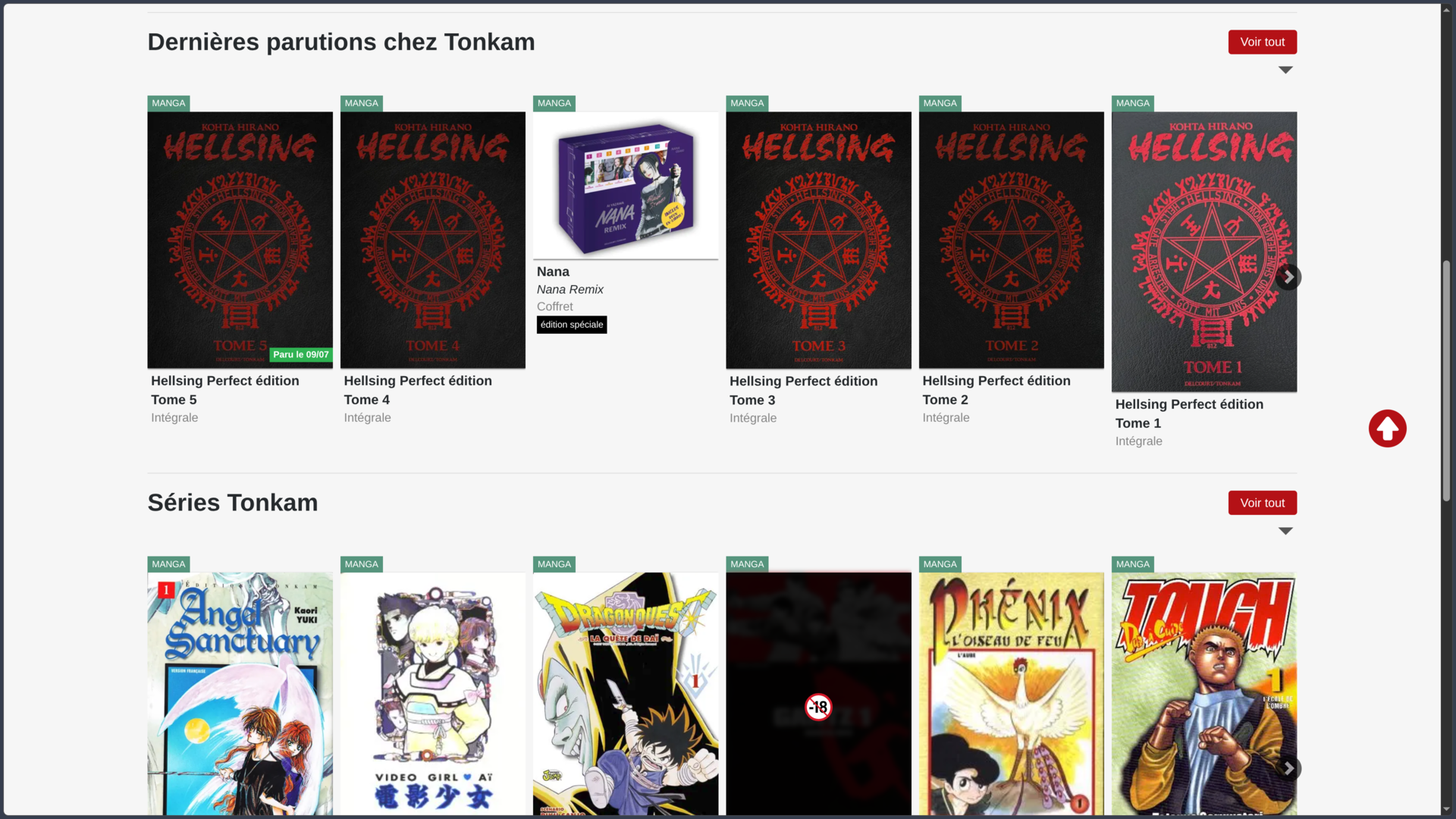
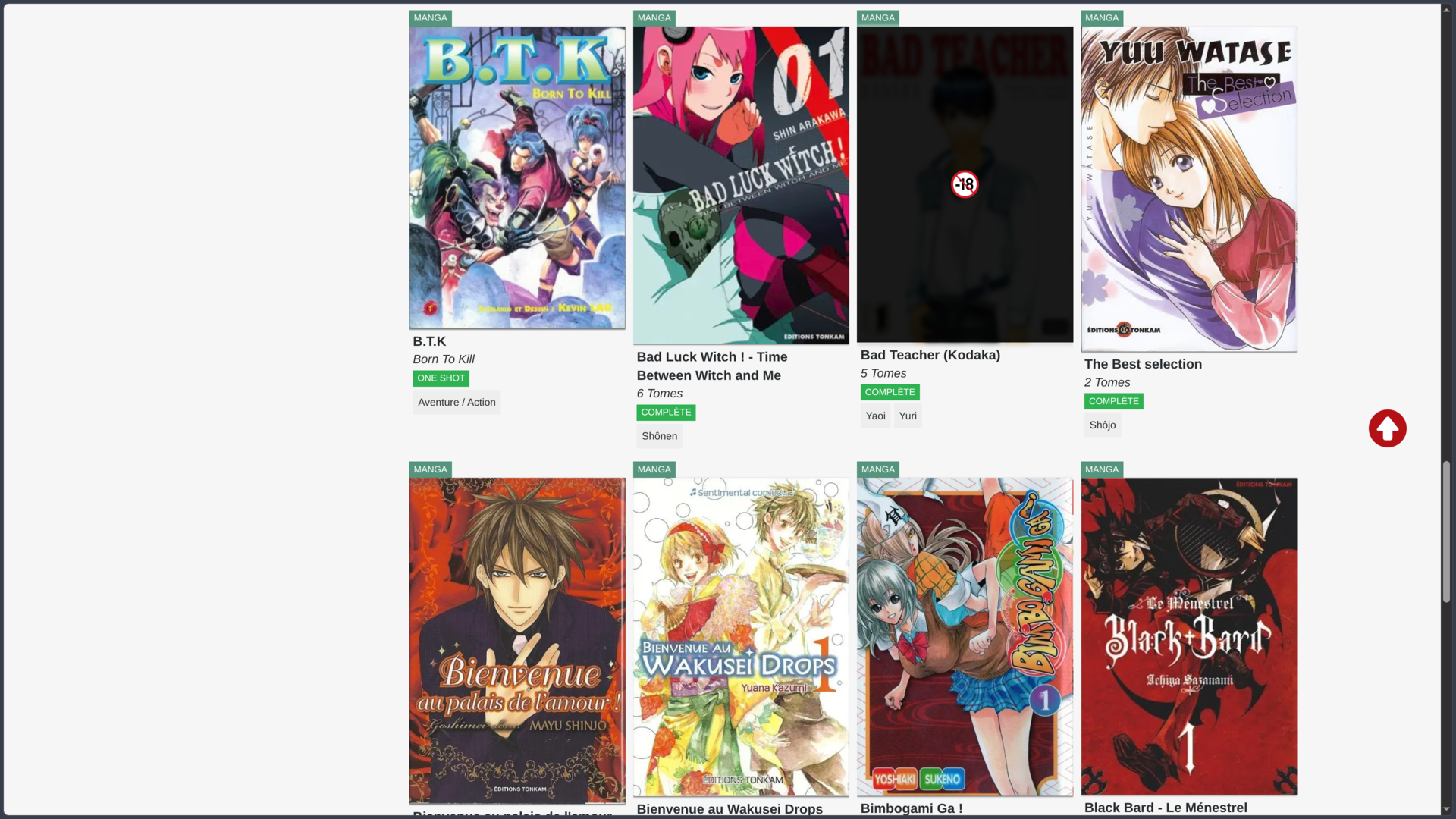
Series such as Angel Sanctuary, Vagabond, Gantz, Hellsing, Hikaru no Go, Homunculus, I''s, Fushigi Yûgi, Family Compo and Dragon Quest: The Adventure of Dai became associated with different periods of its history.
The publisher also worked with creators who would become major figures for French manga readers, including Takehiko Inoue, Hiroya Oku, Kaori Yuki, Hideo Yamamoto, Mitsuru Adachi, Junji Ito and Tsukasa Hojo.
This diversity became one of Tonkam’s most lasting characteristics: the catalog did not seek to represent a single definition of manga, but instead several audiences and editorial sensibilities.
2005 — Acquisition by Delcourt
In 2005, Éditions Delcourt acquired Tonkam.
The acquisition did not immediately erase its identity. Tonkam continued to operate with its own catalog and editorial line, while integration into the group gave it access to a larger distribution and publishing structure.
From 2006 onward, the Tonkam catalog was notably distributed by Delsol.
The acquisition gave Delcourt a brand already firmly established in the French manga market, several years before the group brought its manga activities together more broadly.
2014-2016 — From Tonkam to Delcourt/Tonkam
In 2014, Éditions Tonkam was integrated into Éditions Delcourt and Tonkam became a collection within the company.
A new stage followed in 2016, when Delcourt Manga and Tonkam were brought together under the Delcourt/Tonkam identity.
This evolution marked the end of Tonkam as an independent publishing house, but not the end of its editorial legacy. A significant part of its catalog continued to be managed within Delcourt’s manga division.
Series historically associated with Tonkam now coexist with other titles from the group under a shared identity.
A legacy that remains visible
Today, Delcourt/Tonkam continues to publish manga across many genres.
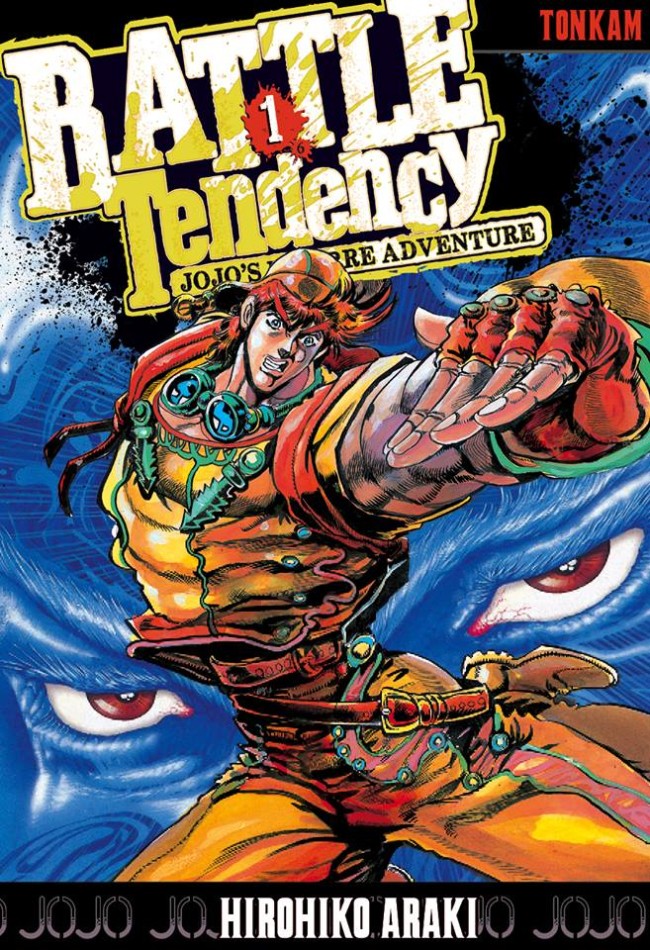
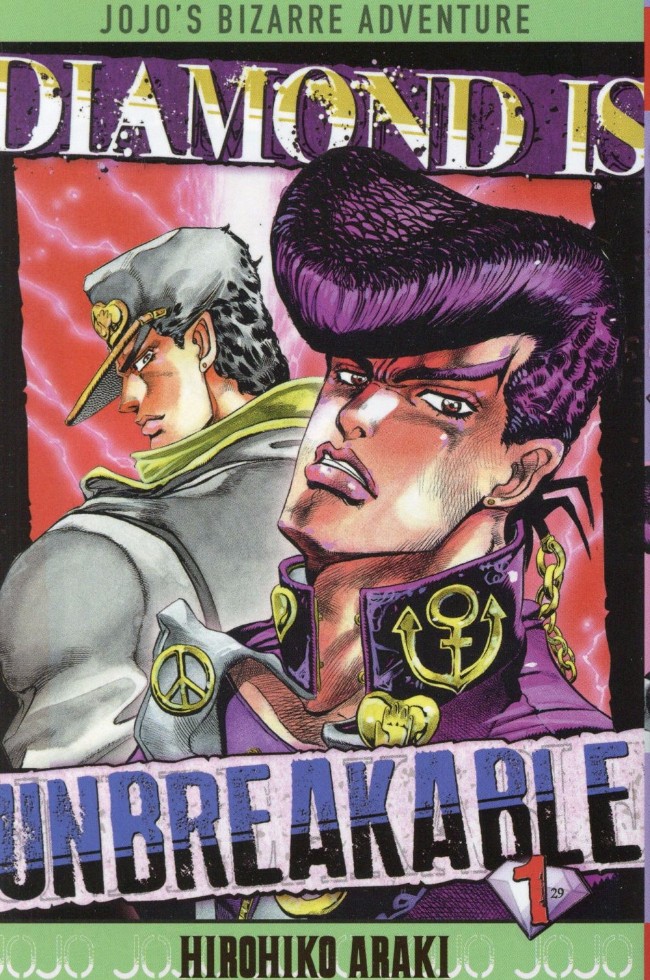
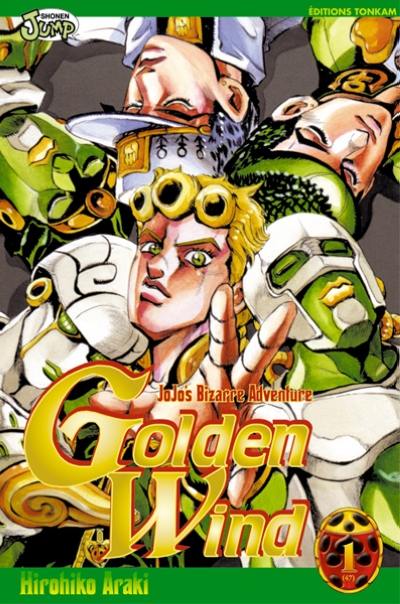
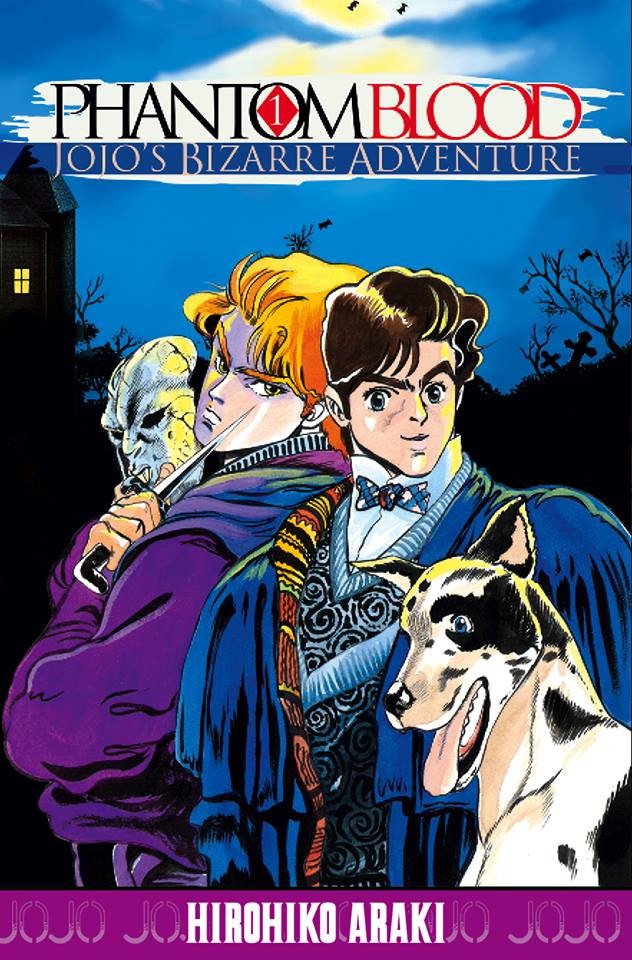
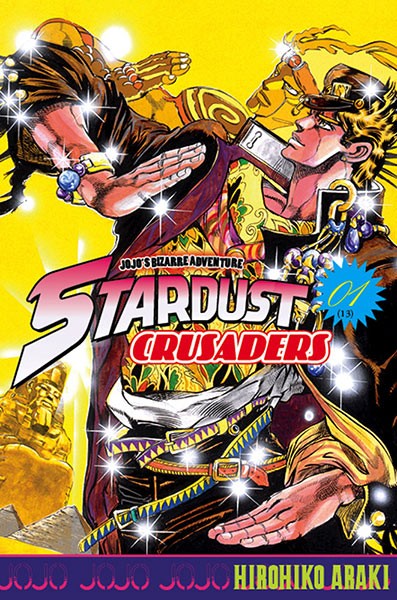
Its catalog includes titles such as JoJo’s Bizarre Adventure, Vagabond, Nana, Hellsing, Gantz, Fruits Basket, Food Wars! and works by Junji Ito, alongside more recent series.
Tonkam therefore no longer exists in exactly the same legal and editorial form as in its early years, but its name remains a Delcourt Group brand and its historical catalog represents an important part of the publisher’s manga heritage.
What sets it apart
A pioneering role in establishing manga in France
Tonkam emerged at a time when the French manga market was still being built.
Its importance lies not only in the number of titles it published, but also in its origins: before becoming a publisher, Tonkam was in direct contact with readers through imports and bookstore activity.
This proximity allowed the company to develop an editorial line that did not depend exclusively on series already made popular by animated adaptations.
Introducing creators before they became essential names
Tonkam helped establish several manga creators in France whose works now occupy an important place in manga history.
Masakazu Katsura, CLAMP, Osamu Tezuka, Takehiko Inoue, Hiroya Oku, Hirohiko Araki, Kaori Yuki, Hideo Yamamoto and Junji Ito are among the many creators featured in its catalog over the years.
This focus on discovery became one of the defining traits of the publisher’s historical identity.
A particularly broad vision of manga
Tonkam consistently worked to show that manga was not a single genre.
Shōnen, shōjo, seinen, boys’ love, horror, romance, sports, science fiction, fantasy and works aimed at adults all coexisted across its various collections.
This variety contributed to gradually broadening French readers’ perception of manga.
Attention to the physical edition
Tonkam also distinguished itself through its interest in the design and presentation of its editions.
Special editions, unusual formats, dust jackets and enhanced releases accompanied several series and helped give the publisher’s books a strong physical identity.
This approach reflected a view of manga as a genuine editorial object rather than simply a standardized translation of a Japanese title.
A historic brand preserved by Delcourt
Delcourt’s acquisition of Tonkam did not immediately erase its identity.
For more than a decade, Tonkam continued to exist as a distinct brand before the creation of Delcourt/Tonkam in 2016.
The Delcourt Group still preserves Tonkam as part of its publishing heritage, making the name a link between the early development of manga publishing in France and the contemporary market.
Good to know
- The Tonkam publishing house was founded in 1993 after several years of activity in bookstores and the importation of Japanese products.
- Its first French-language manga publications appeared in 1994.
- Video Girl Ai by Masakazu Katsura was among the publisher’s first emblematic titles.
- Tonkam played an early role in introducing works by CLAMP to French readers.
- Its catalog included creators such as Osamu Tezuka, Masakazu Katsura, Takehiko Inoue, Hiroya Oku, Hirohiko Araki, Kaori Yuki, Hideo Yamamoto, Junji Ito and Tsukasa Hojo.
- Series associated with its history include Angel Sanctuary, Gantz, Vagabond, Hellsing, Hikaru no Go, Homunculus, Fushigi Yûgi and JoJo’s Bizarre Adventure.
- Tonkam also developed activities related to video and specialist press.
- In 2003, the publisher launched Magnolia, a magazine dedicated to shōjo manga serialization.
- Delcourt acquired Tonkam in 2005.
- In 2014, Tonkam became a collection within Éditions Delcourt.
- In 2016, Delcourt Manga and Tonkam were brought together under the Delcourt/Tonkam brand.
- In 2026, Tonkam remains a Delcourt Group brand, while its editorial legacy continues within the group’s manga catalog.