


























Overview
EMI, also known as EMI Records, is a British record label developed from 1972 within the EMI music group. Its identity belongs to a much longer corporate history that began in 1931 with the merger of the Gramophone Company and Columbia Graphophone Company. However, the formation of that group must be distinguished from the EMI Records label, whose earliest releases under the EMI name appeared in the early 1970s.
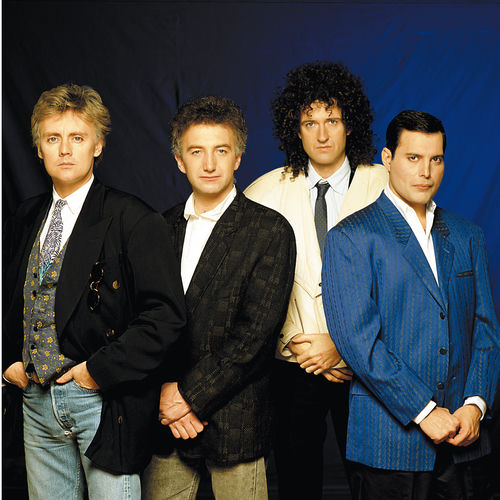
EMI Records is particularly associated with Queen, whose debut album appeared in 1973. Over the following decades, the brand worked with numerous British and international artists, while the wider EMI group developed a large network of labels including Parlophone, Harvest, Capitol and Virgin Records.
The catalogue associated with EMI reflects this diversity. Queen's albums, from Sheer Heart Attack (1974) to Innuendo (1991), occupy an essential place in its history. Other recordings, including those by Pink Floyd, Radiohead, Blur and Norah Jones, illustrate the scope of the group's operations and associated labels, although they were not necessarily issued under the EMI Records imprint on their original release.
Following Universal Music Group's acquisition of EMI's recorded music operations in 2012 and subsequent restructuring, EMI Records regained a prominent position in the United Kingdom in 2020. The label remains active in pop, rock and contemporary music.
History
1972-1980 — Establishing the label and working with Queen
EMI Records emerged from the reorganisation of the EMI group in the early 1970s. In 1973, the Gramophone Company officially became EMI Records Ltd., while the EMI name began appearing on new British releases.
Queen joined EMI during this period and released its debut album in 1973. The band subsequently developed a discography combining hard rock, vocal arrangements, progressive influences and theatrical songwriting.
With Sheer Heart Attack (1974), A Night at the Opera (1975) and News of the World (1977), Queen became one of the major international acts associated with the label. The success of Bohemian Rhapsody in 1975 was particularly important to its growing reputation.
Meanwhile, the EMI group continued working with Pink Floyd, especially through the Harvest label, while other artists including Kate Bush and Iron Maiden entered its recording network towards the end of the decade.
1981-1999 — British rock and the expansion of EMI
During the 1980s, Queen continued its relationship with EMI through Hot Space (1982), The Works (1984), A Kind of Magic (1986) and The Miracle (1989). This period was followed by Innuendo (1991), one of the band's final albums recorded during Freddie Mercury's lifetime.
The wider EMI group also developed an international catalogue spanning rock, pop and classical music. It acquired Chrysalis Records and subsequently Virgin Records in 1992, expanding its network of labels.
During the 1990s, Radiohead and Blur became two important artists within EMI's British operations. OK Computer (1997) and Blur (1997) appeared within this recording network, notably through the Parlophone and Food imprints depending on the release.
The appearance of the EMI name on different recordings reflected its dual role as both a record label and a company owning or distributing other recording brands.
2000-2013 — New catalogues and corporate restructuring
In the early 2000s, EMI continued operating across a wide range of genres. Radiohead released Amnesiac (2001) and Hail to the Thief (2003) on Parlophone, while the group also supported releases by Blur and Gorillaz.
In the United States, Capitol Records and Blue Note Records were also part of EMI. Albums by Norah Jones, including Feels Like Home (2004), demonstrated the significance of these labels in pop, jazz and acoustic music.
On September 28, 2012, Universal Music Group completed its acquisition of EMI's recorded music operations. The transaction was subject to commitments made to European competition authorities.
In 2013, Warner Music Group acquired Parlophone Label Group, which included several labels and catalogues previously owned by EMI. Recording rights were therefore divided between different companies according to artists, territories and contractual arrangements.
Since 2020 — The return of EMI Records
On June 16, 2020, Universal Music UK announced the return of EMI Records as a major British label, rebranding Virgin EMI Records. Rebecca Allen was appointed its president.
The label brought together British and international artists from different musical genres. In 2022, the Capitol Records UK team was incorporated into a shared organisation with EMI, under the leadership of Rebecca Allen and Jo Charrington.
New recordings associated with the EMI name include Messy (2023), the debut album by British singer Olivia Dean. Its combination of soul, pop and R&B reflects the label's contemporary direction.
Following the reorganisation of Universal Music Group's British operations in 2024, EMI became part of Island-EMI Label Group. It retains its own identity while benefiting from the group's recording, promotion and distribution infrastructure.
Distinctive Features
A brand central to British rock history
EMI Records is directly associated with Queen's career, particularly the band's influential albums from the 1970s and 1980s. The wider EMI group also worked with numerous British artists through its different labels.
An extensive network of record labels
EMI's history is connected to Parlophone, Harvest, Capitol, Virgin and Blue Note. These labels have distinct identities and catalogues: their historical ownership by EMI does not mean that all their recordings were released directly on EMI Records.
Major corporate changes
Universal's acquisition of the recorded music operations in 2012, followed by the sale of Parlophone to Warner in 2013, changed the ownership of multiple catalogues. The EMI name therefore no longer represents the former independent EMI group in its entirety.
Continuity between heritage and new music
The 2020 relaunch brought the EMI Records name back into use for contemporary artist development. The label now combines its historical identity with ongoing activities within Universal Music Group.
Key Facts
- Label established: 1972, with releases under the EMI name appearing in the early 1970s.
- Corporate origins: the EMI group was formed in 1931, decades before the label.
- Defining artist: Queen, associated with EMI from its earliest albums.
- Historically connected labels: Parlophone, Harvest, Capitol and Virgin.
- British rock: Pink Floyd, Radiohead and Blur within the wider EMI organisation, depending on imprint and edition.
- Universal Music Group acquisition: September 28, 2012.
- Parlophone Label Group sale: 2013, to Warner Music Group.
- Brand relaunch: June 16, 2020, replacing the Virgin EMI Records name.
- Contemporary release: Olivia Dean's Messy (2023).
- Current organisation: EMI is part of Island-EMI Label Group within Universal Music Group.