




Overview
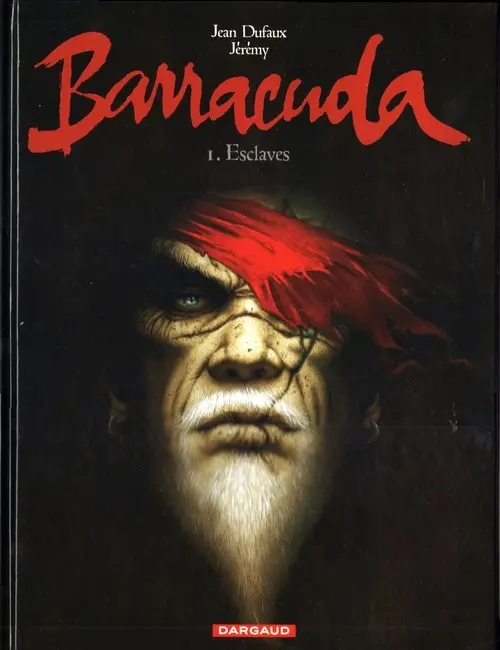
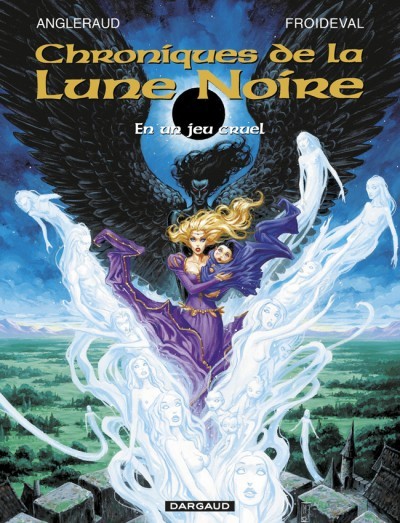
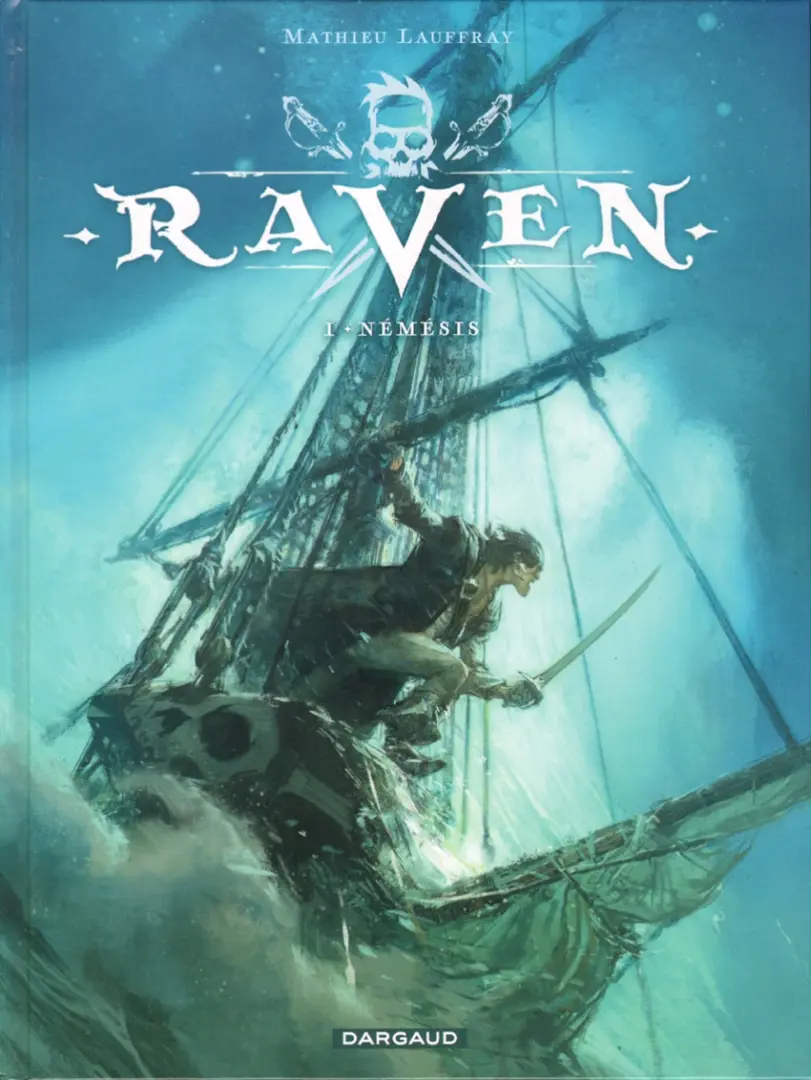
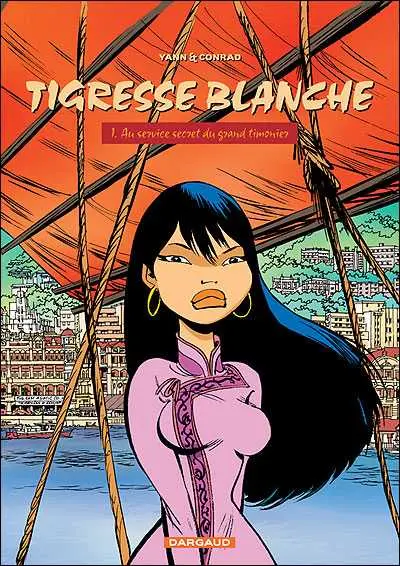
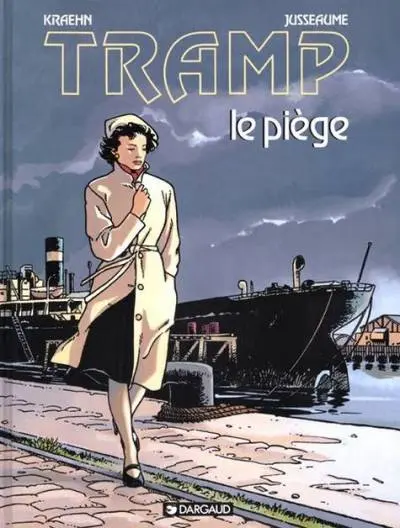
Dargaud is a French publishing house specializing in comics, whose history spans a large part of the evolution of Franco-Belgian comics since the mid-20th century.
Its origins date back to 1936, when Georges Dargaud created his own company in Paris after working notably in advertising and the press. At that time, the business was not yet exclusively devoted to comics. It was from 1943 onward that Dargaud truly began developing publications in this field, before becoming one of France’s leading comics publishers.
This chronological distinction helps avoid a frequent confusion: 1936 corresponds to the creation of the Dargaud structure, while 1943 marks the establishment of its activity as a comics publisher.
The publishing house subsequently played an important role in several stages of the sector’s history.
From 1948, Georges Dargaud handled the French edition of the Journal de Tintin, created two years earlier in Belgium around Le Lombard. This activity allowed Dargaud to work with an important catalogue of Franco-Belgian comics and considerably strengthen its position in the illustrated press.
But it was especially the takeover of Pilote magazine in the early 1960s that permanently transformed its identity.
Created in 1959 by a team including René Goscinny, Albert Uderzo and Jean-Michel Charlier, Pilote was not originally created by Dargaud. The magazine quickly encountered financial difficulties despite its editorial success, and Dargaud took control of it in 1960.
This nuance is essential: Dargaud did not create Pilote, but the publishing house rapidly became the editorial environment in which the magazine would experience most of its development.
Pilote hosted or developed several series that became fundamental to the history of comics: Astérix, Blueberry, Achille Talon, Valérian, Barbe-Rouge, Tanguy et Laverdure, Philémon, along with the work of numerous creators such as René Goscinny, Albert Uderzo, Jean-Michel Charlier, Jean Giraud, Fred, Marcel Gotlib, Pierre Christin and Jean-Claude Mézières.
Some of these works were created before Dargaud took over the magazine, while others were born directly during the period when the publishing house managed it. Their publishing history also changed over time: not all of them are still directly published by Dargaud today.
This evolution explains the importance of distinguishing the history of a work, its first publication and its current publisher.
Astérix, for example, is inseparable from the history of Pilote and Dargaud, but the series is no longer part of the publishing house’s current catalogue.
Lucky Luke joined Pilote in 1968 and several albums by Morris and René Goscinny were then published by Dargaud, before the series’ publishing activity was later organized around Lucky Comics.
Blake et Mortimer appears on the Dargaud website and within the group’s environment, but today has its own publishing house, Éditions Blake et Mortimer.
This distinction is particularly important for PANACHES CULTURE.
Dargaud now belongs to Média-Participations, alongside other publishing houses such as Dupuis, Le Lombard, Kana, Éditions Blake et Mortimer, Urban Comics, Fleurus, Seuil and La Martinière. These companies may share certain distribution, logistics or management structures, but they retain their own editorial identities.
A work published by Kana should therefore not be attributed directly to Dargaud simply because both publishing houses belong to the same group.
Dargaud itself retains a particularly broad catalogue.
It continues to maintain historic series such as Blueberry, Valérian and Achille Talon, while also publishing much more recent works that differ considerably in form.
Blacksad, by Juan Díaz Canales and Juanjo Guarnido, combines American noir fiction with anthropomorphic characters.
Le Chat du Rabbin by Joann Sfar develops a work that is simultaneously humorous, philosophical and autobiographical around Jewish and Mediterranean culture.
Les Vieux Fourneaux by Wilfrid Lupano and Paul Cauuet combines social comedy, old age, political engagement and friendship.
Le Loup en slip, derived from that universe but aimed at younger readers, uses humor to address fear, economics, work and collective life.
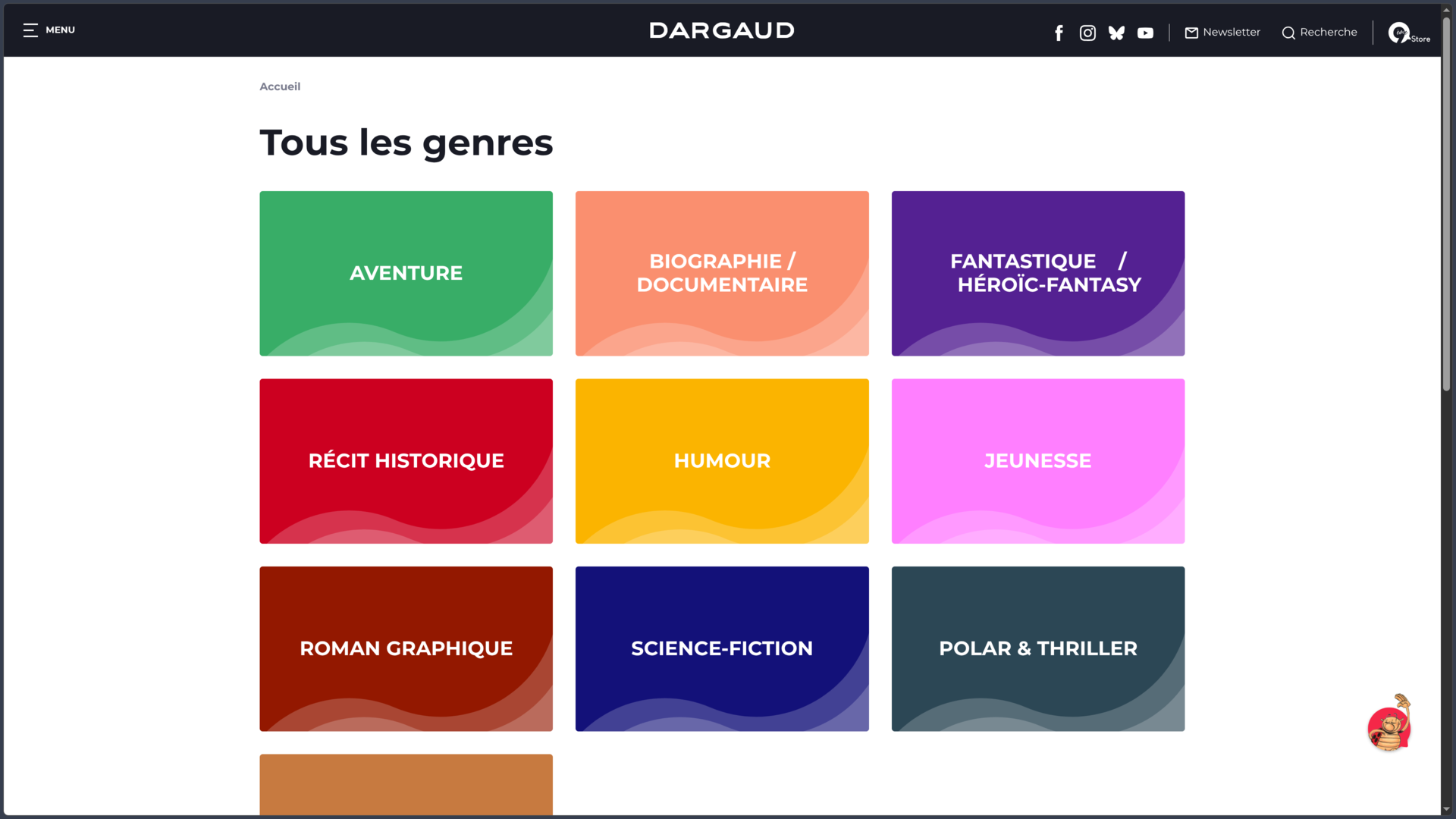
At the same time, Dargaud publishes adventure, westerns, historical stories, science fiction, crime, graphic novels, autobiography, humor, nonfiction and children’s creations.
This breadth explains why Média-Participations now presents Dargaud as a generalist comics publisher rather than as a house tied to a single genre or generation of creators.
In 2026, the publishing house is headquartered at 57 rue Gaston Tessier, in Paris’s 19th arrondissement. Its managing director is Stéphane Aznar.
Its catalogue therefore continues to operate across two timelines at once: preserving and reissuing a heritage built over several decades while welcoming new series, new creators and forms of comics very different from those that existed during the era of the Journal de Tintin or the earliest issues of Pilote.
History
1936: Georges Dargaud creates his own company
The story begins in 1936, when Georges Dargaud creates a company bearing his name.
At the time, its activity exists within a much broader environment than comics.
Press, advertising and communication all belong to a sector where the boundaries between publishing, periodicals and commercial activities are still particularly porous.
Comics do not immediately form the core of the business.
It is only during the 1940s that Georges Dargaud gradually directs part of his activity toward illustrated publications.
1943: comics publishing takes shape
From 1943, Dargaud begins publishing periodicals and works oriented toward comics and younger readers.
This date is often regarded as the birth of Éditions Dargaud in the strict publishing sense.
The house develops within a market still very different from the Franco-Belgian album system that would later become dominant.
Magazines play a central role.
They make it possible to publish stories regularly before some are collected in albums, introduce characters to readers and create an ongoing relationship with the audience.
This logic of magazine serialization followed by album publication would become fundamental to Dargaud’s development for several decades.
1948: publishing the Journal de Tintin in France
A major step takes place on October 28, 1948, with the first French edition of the Journal de Tintin published by Dargaud.
The magazine had already existed in Belgium since 1946 around Raymond Leblanc and Le Lombard.
The French version considerably expands its reach.
Dargaud therefore becomes associated with a magazine hosting some of the leading figures of Franco-Belgian comics.
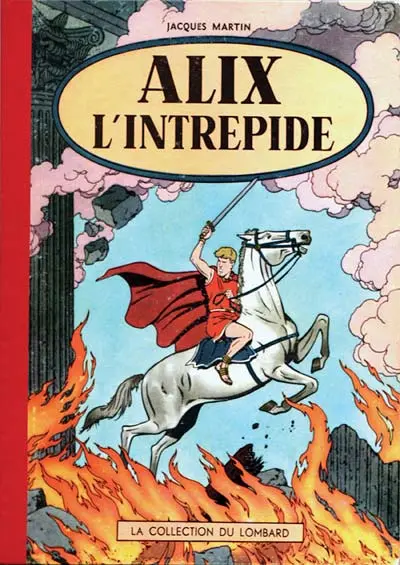
Tintin, Blake et Mortimer, Alix, Ric Hochet, Michel Vaillant and many other series gradually shape the magazine’s identity depending on the period.
This collaboration also permanently connects Dargaud with the Belgian comics ecosystem.
For several decades, the Franco-Belgian market functions precisely through this kind of circulation between creators, magazines, French publishers and Belgian publishing houses.
1959-1960: Pilote opens a new generation
The first issue of Pilote appears on October 29, 1959.
The magazine is launched by a team including notably René Goscinny, Albert Uderzo and Jean-Michel Charlier.
Astérix, created by Goscinny and Uderzo, appears in the very first issue.
But despite its success with readers, the magazine quickly encounters financial difficulties.
Dargaud takes control of it in 1960.
This takeover represents one of the most important turning points in the publishing house’s history.
Dargaud does not simply acquire a magazine title.
It gains an editorial space capable of bringing together an exceptionally important generation of creators and developing new series before their publication as albums.
Pilote becomes a workshop for major series
Under the Dargaud environment, Pilote gradually becomes one of the major laboratories of French comics.
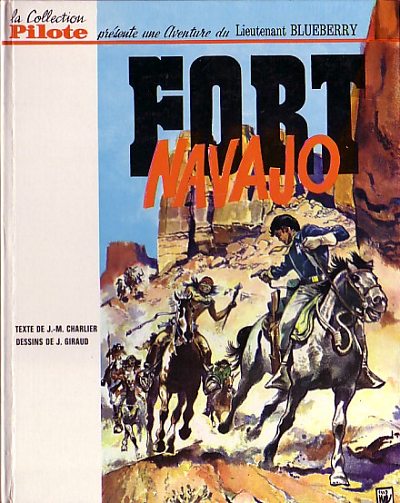
Blueberry, created in 1963 by Jean-Michel Charlier and Jean Giraud, profoundly renews the realistic western.
Achille Talon, created the same year by Greg, develops humor based on language, satire and an intentionally overbearing character.
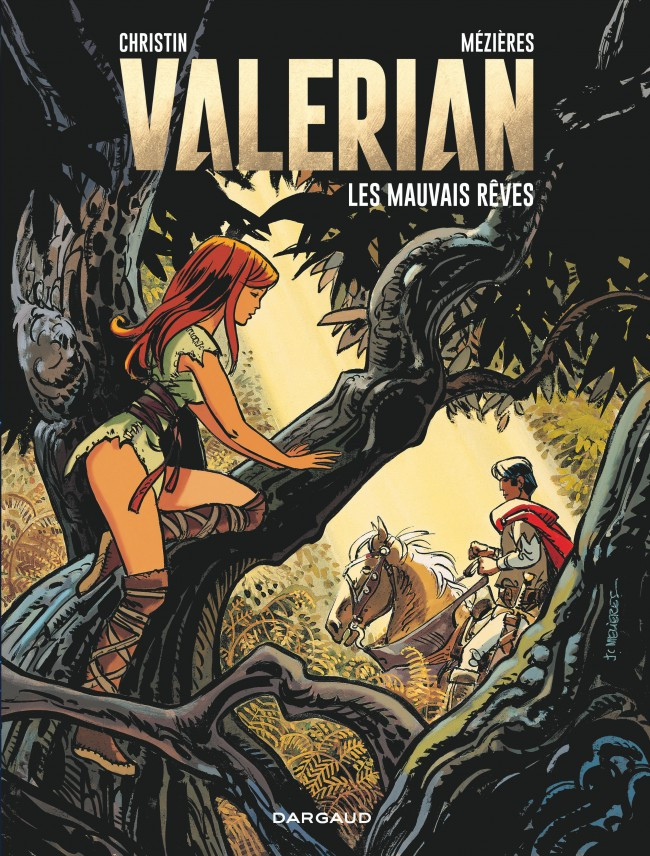
Valérian, created in 1967 by Pierre Christin and Jean-Claude Mézières, builds a vast science-fiction series around journeys through space and time.
Fred develops Philémon, while Marcel Gotlib contributes notably to Les Dingodossiers with Goscinny before creating Rubrique-à-Brac.
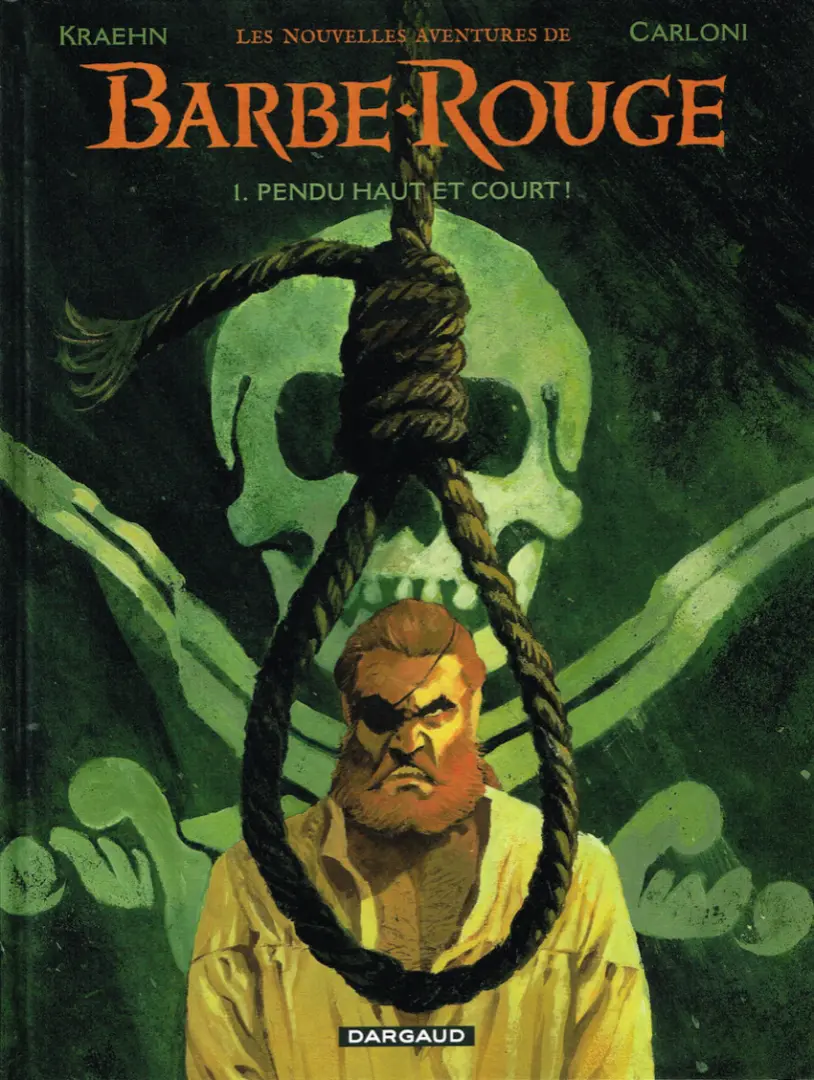
At the same time, the magazine hosts Barbe-Rouge, Tanguy et Laverdure and many other series.
This accumulation does not mean that Dargaud owns or will necessarily retain all these properties.
It mainly shows the role of the publishing house as publisher and organizer of a creative environment.
1968: Lucky Luke joins Pilote and Dargaud
Lucky Luke, created by Morris in 1946 and long published in Spirou and by Dupuis, undergoes an important publishing change at the end of the 1960s.
From 1968, the series joins Pilote.
La Diligence, created by Morris and René Goscinny, is published as an album by Dargaud that same year.
Several major adventures follow: Dalton City, Jesse James, Western Circus, Canyon Apache, Ma Dalton and Chasseur de primes.
This period brings the works of Goscinny even closer together around Pilote and Dargaud.
The situation later evolves.
Lucky Luke albums are now divided between Dupuis for part of the historical catalogue and Lucky Comics for the rest of the series.
Dargaud therefore remains essential to the character’s publishing history without being its current direct publisher.
The 1970s: Pilote gradually turns toward adults
The success of Pilote also accompanies a transformation in readership.
The children and teenagers who discovered the magazine in the early 1960s grow older.
The creators themselves want to explore new forms of storytelling, more satire, politics, graphic experimentation and adult subjects.
The magazine gradually evolves.
In 1974, Pilote abandons its weekly schedule and becomes monthly.
Around the magazine and its creators develops a generation that profoundly transforms French comics.
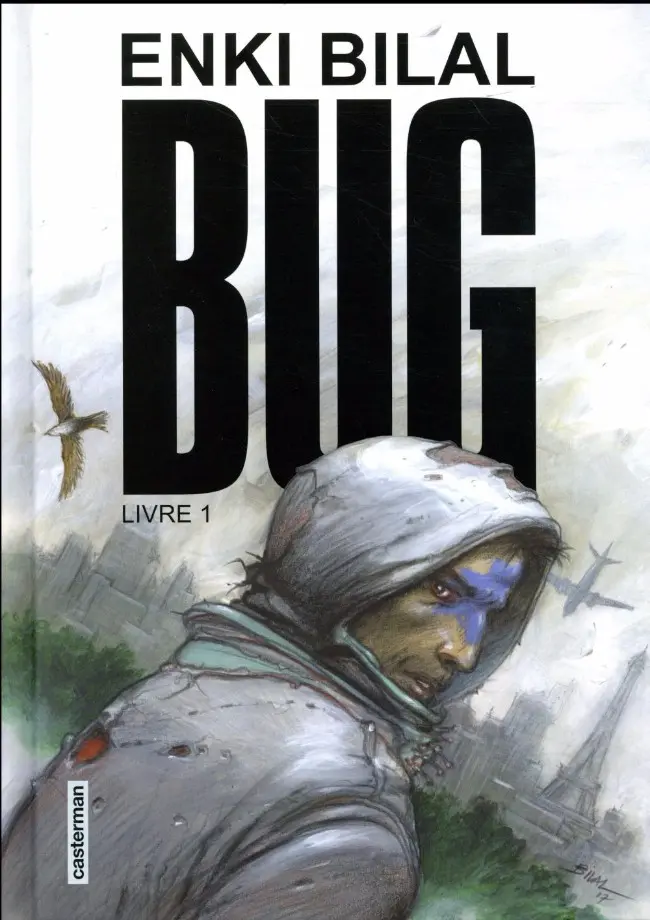
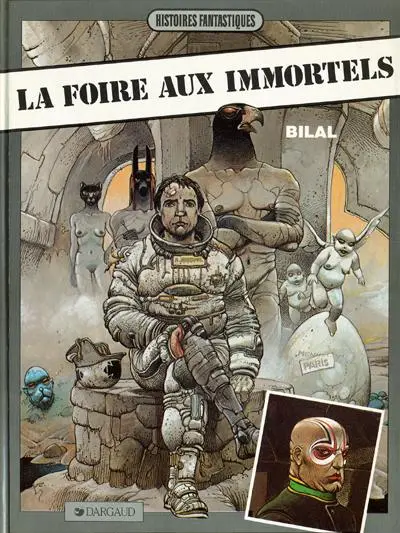
Gotlib, Fred, Jean Giraud, Enki Bilal, Claire Bretécher, Philippe Druillet, Jacques Tardi, F’Murr and others contribute directly or indirectly to this evolution.
Several also leave Pilote to create their own magazines or join other publishing ventures.
This circulation reflects a broader transformation: comics are no longer conceived exclusively as literature for children.
The album gradually becomes more important than the magazine
As the market evolves, the economic model of comics also changes.
Magazine serialization remains important, but the album takes an increasingly prominent place.
Dargaud now owns a sufficiently substantial back catalogue to publish, reissue and exploit its series independently of their regular presence in a magazine.
Blueberry, Valérian, Achille Talon and other series therefore acquire their own continuity in bookstores.
This transformation prepares the contemporary operation of the publishing house, now more organized around albums, series, collected editions, graphic novels and collections.
1988: joining Média-Participations
At the end of the 1980s, Georges Dargaud prepares the transfer of his company.
In 1988, the Dargaud group is acquired by Média-Participations.
The transaction represents a major step both for Dargaud and for the group that acquires it.
Created in 1986, Média-Participations already owns notably Le Lombard, Fleurus and Mame.
The arrival of Dargaud considerably strengthens its comics activity.
Georges Dargaud gradually steps away from the company before his death in 1990.
Dargaud nevertheless retains its name, catalogue and editorial identity within the new organization.
The 1990s: organizing the catalogue’s major properties
The following years see Média-Participations and its associated structures organize certain major franchises more precisely.
In 1992, the group acquires Éditions Blake et Mortimer.
In 1999, the creation of Lucky Comics makes it possible to organize publishing and rights relating specifically to Lucky Luke.
These developments show why the Dargaud name should not be used as a synonym for the group as a whole.
Dargaud may be historically linked to a work without still being the publishing house that directly publishes it today.
This structure becomes even more important with the integration of Dupuis in 2004, the development of Kana for manga and Urban Comics for American comics.
Maintaining the major historical series
Dargaud nevertheless continues to directly maintain an important part of its own heritage.
Blueberry remains one of the major references of European western comics.
Valérian and Laureline remains a pillar of science-fiction comics.
Achille Talon, Philémon, Barbe-Rouge and the works of Gotlib receive reissues, complete editions and heritage-focused publications allowing new generations to discover them.
The catalogue is therefore not limited to keeping the original albums available.
It gradually organizes their transmission through different forms: complete editions, new versions, documentary books, illustrated editions and projects that place the history of creators into perspective.
Blacksad: a new major series at the turn of the 2000s
From 2000, Blacksad by Juan Díaz Canales and Juanjo Guarnido becomes one of Dargaud’s most identifiable modern series.
The work uses anthropomorphic characters in an America inspired by the 1950s and develops stories involving crime, corruption, politics and social tensions.
Its highly detailed artwork and noir approach demonstrate an important evolution in the catalogue.
Dargaud’s identity no longer rests mainly on series born in the major Franco-Belgian magazines.
The publishing house can now develop works directly in album form for an adult and international audience.
Le Chat du Rabbin and the rise of the auteur graphic novel
In 2002, Joann Sfar launches Le Chat du Rabbin at Dargaud.
The series develops a universe very different from the traditional adventure model.
Religion, identity, philosophy, family, colonial history, the Mediterranean and humor mix together through the discussions of a cat that has become able to speak.
The work becomes one of Joann Sfar’s major successes and extends beyond the album format, notably through its film adaptation.
It illustrates one of Dargaud’s contemporary directions: publishing works in which the author’s voice and subject matter can matter as much as belonging to a traditional genre.
A new generation between popular series and auteur works
During the 2000s and 2010s, Dargaud continues to broaden its catalogue.
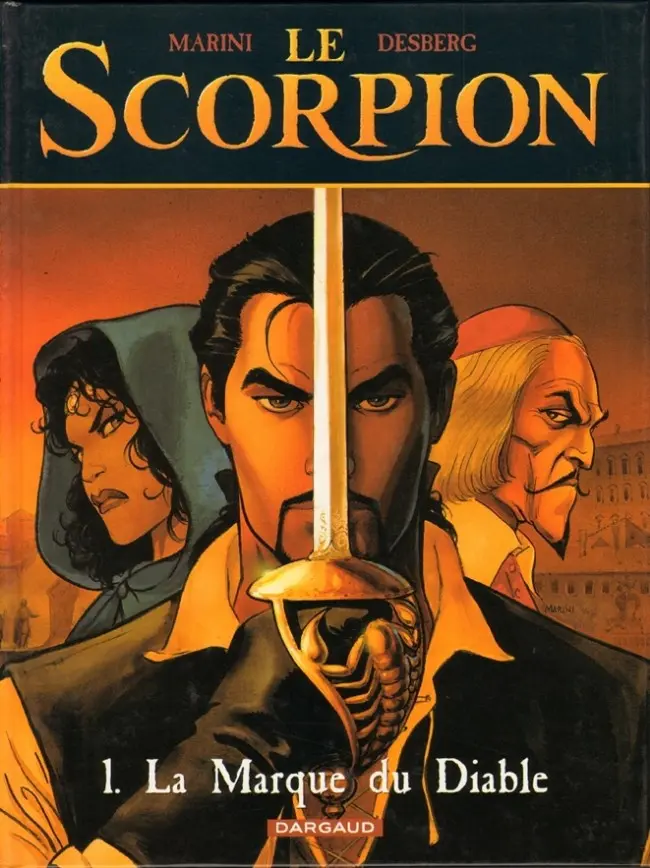
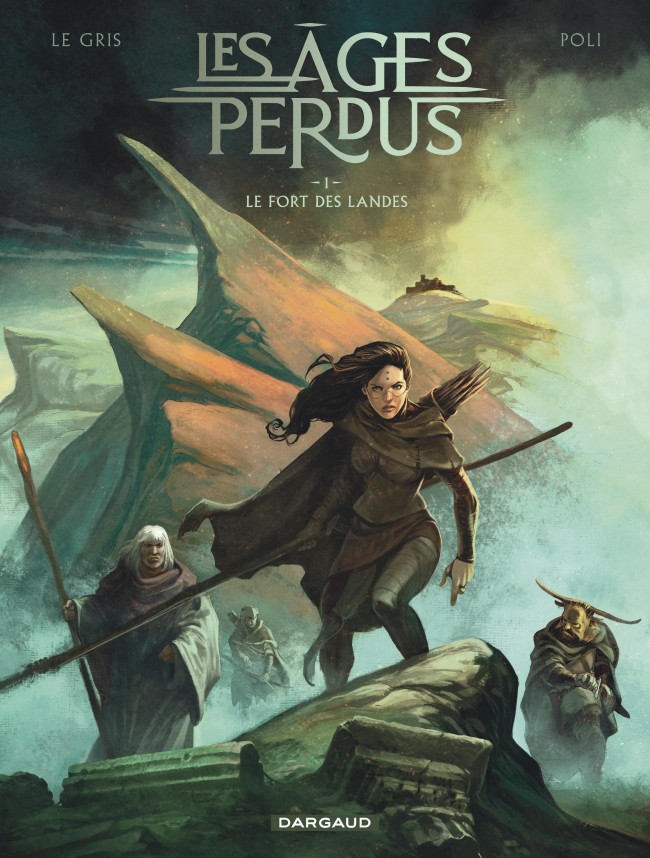
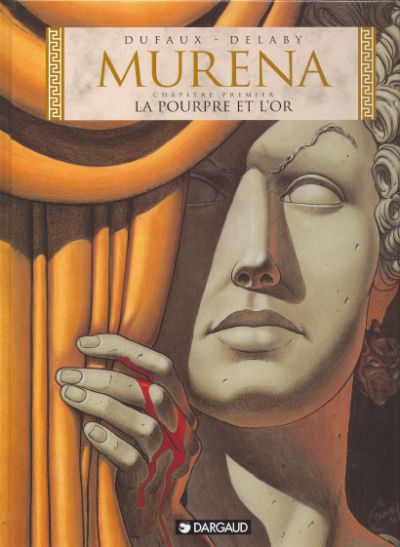
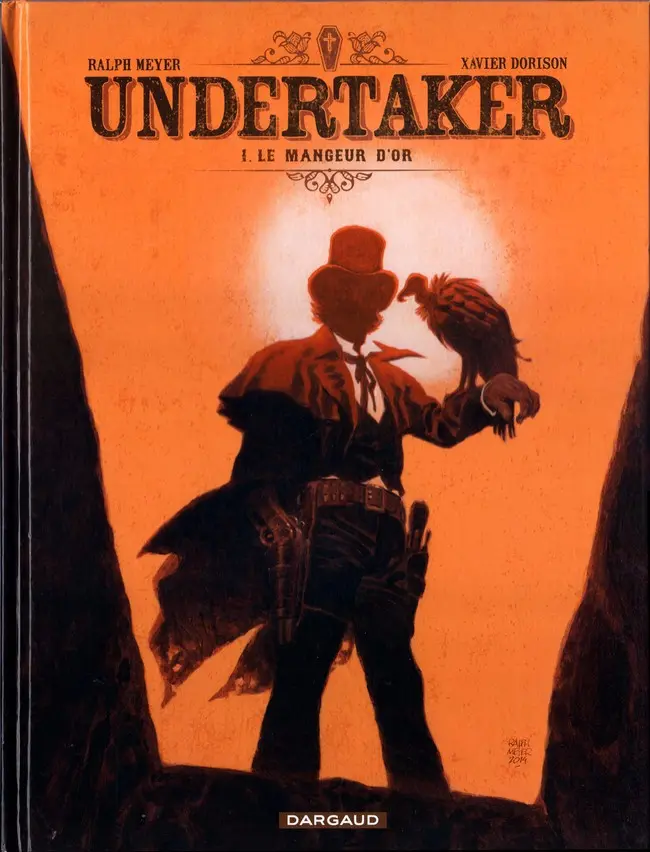
Works such as Pico Bogue, Le Scorpion, Murena, Undertaker, Les Vieux Fourneaux, Le Loup en slip and various graphic novels demonstrate very different approaches.
The publishing house can release a realistic western, a social comedy, a children’s work, a family chronicle or a historical story within the same catalogue.
This diversity matches Dargaud’s positioning as a generalist comics publisher.
Collections also allow projects to be differentiated.
Long Courrier notably supports standalone albums or longer narratives, while other collections and formats allow creators to move beyond the traditional 48- or 64-page series album.
2010: participating in the development of digital comics
In 2010, Dargaud participates in the launch of izneo, alongside several major comics publishers such as Bamboo, Casterman, Delcourt, Dupuis, Glénat, Le Lombard and Soleil.
The platform responds to the emergence of digital reading and the need for a legal system for distributing catalogues.
This initiative shows that the transmission of historical and contemporary works no longer takes place only through printed albums.
Dargaud today
In 2026, Dargaud still belongs to Média-Participations.
The group now presents Dargaud among its major European publishing houses, alongside notably Dupuis, Le Lombard, Kana, Fleurus, La Martinière, Seuil, Abrams and Michelin Editions.
The publishing house nevertheless retains its editorial autonomy and its own identity.
Its headquarters are located at 57 rue Gaston Tessier in Paris, also the address of Média-Participations.
The official website is published by the Dargaud company and lists Stéphane Aznar as managing director.
The catalogue continues to combine major series, heritage reissues and contemporary creations.
Dargaud therefore no longer operates according to the model it used during the era of Pilote, but the logic remains partly comparable: identifying creators and universes capable of building a lasting relationship with readers.
What sets it apart
Using the press as a genuine creative laboratory
A major part of Dargaud’s historical identity comes from its relationship with magazines.
The Journal de Tintin allows the publishing house to establish a strong position within Franco-Belgian comics.
But Pilote goes much further.
The magazine does not simply serve to promote albums that have already been designed.
Works are created, tested, developed and regularly confronted with readers there.
A series can evolve for several years in its pages before forming a lasting album catalogue.
This organization also encourages exchanges between creators.
Writers, artists, humorists and editors work in a collective environment whose influence extends far beyond Dargaud publications alone.
Accompanying the transition from children’s comics to a broader medium
Dargaud’s history directly follows the expansion of the comics readership.
The Journal de Tintin and the early years of Pilote are strongly aimed at younger readers.
But readers grow older and creators want to explore other subjects.
Pilote gradually becomes a space where adult humor, politics, satire, graphic experimentation, science fiction and more personal narratives can coexist with traditional adventure.
This transformation contributes to establishing comics as a form of expression capable of reaching different age groups and addressing much broader subjects.
Dargaud’s contemporary catalogue continues this evolution by bringing together children’s publishing, mainstream works and graphic novels aimed at adults.
Building series capable of lasting for several decades
Dargaud has extensive experience with long-term publishing.
Blueberry, Valérian, Achille Talon and works originating in Pilote continue to be published or reissued several decades after their creation.
This duration requires specific work.
Albums need to remain available.
Original artwork and archives must be capable of being showcased.
Collected editions sometimes place stories back within their original publication context.
New editions allow manufacturing and presentation to be adapted to contemporary expectations.
For certain properties, new creators may also extend or revisit the universe.
The catalogue thus becomes a living heritage rather than a simple accumulation of old titles.
Bringing together historical series and contemporary creation
The weight of Dargaud’s heritage could easily confine the publishing house to nostalgia for Pilote.
It nevertheless maintains significant creative activity.
Blacksad, Le Chat du Rabbin, Les Vieux Fourneaux, Le Loup en slip and numerous standalone albums built their audiences long after the great magazine era.
This coexistence between old and new titles is essential.
Historical series provide continuity and editorial memory.
Contemporary creations allow the catalogue to evolve toward new subjects, formats, visual styles and audiences.
Publishing very different genres under the same brand
Unlike a publishing house or label built around a single segment, Dargaud embraces a generalist approach to comics.
Western, science fiction, humor, crime, history, children’s stories, adventure, autobiography, nonfiction, social chronicles and intimate narratives can coexist.
This diversity means that the publishing house’s identity does not rely on a single visual style.
It rests more on a comics publishing culture and on the ability to support both long-running series and standalone albums.
Standing at the center of a vast ecosystem without being confused with it
Dargaud now belongs to one of the largest European organizations devoted to comics, manga, American comics and entertainment.
This position creates connections with distribution, logistics, digital publishing, animation, audiovisual production, licensing and other forms of exploitation.
But it also makes attribution more complex.
Dupuis is not Dargaud.
Le Lombard is not Dargaud.
Kana is not Dargaud.
Éditions Blake et Mortimer is not Dargaud.
Lucky Comics is not Dargaud.
These publishing houses may share a group, tools or certain historical universes without becoming a single editorial entity.
For PANACHES CULTURE, this separation makes it possible to preserve precise links between each work and its actual publisher.
Good to know
- Dargaud traces its origins to 1936, when Georges Dargaud created his own company in Paris; its comics publishing activity truly developed from 1943 onward.
- The current Dargaud company is a French publishing house specializing in comics.
- The first French issue of the Journal de Tintin published by Dargaud appeared on October 28, 1948.
- Pilote was created independently of Dargaud in 1959 by a team including René Goscinny, Albert Uderzo and Jean-Michel Charlier; Dargaud took over the magazine in 1960.
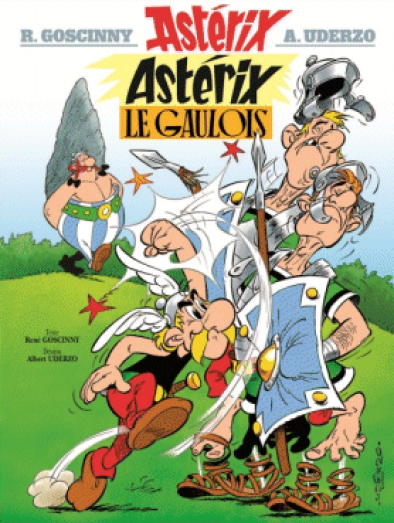
- Astérix appeared in the very first issue of Pilote before Dargaud took over the magazine; its importance in the publishing house’s history does not therefore mean that Dargaud is its current publisher.
- Blueberry, Achille Talon and Valérian are among the major series developed during Dargaud’s Pilote era and remain strongly associated with its heritage.
- Lucky Luke joined Pilote in 1968; several albums by Morris and René Goscinny were then published by Dargaud, but most of the relevant catalogue is now published by Lucky Comics.
- Dargaud joined Média-Participations in 1988 and has retained its own editorial identity within the group ever since.
- Média-Participations also brings together publishing houses such as Dupuis, Le Lombard, Kana, Éditions Blake et Mortimer, Fleurus, Seuil and La Martinière; they should not automatically be treated as Dargaud.
- Dargaud’s contemporary catalogue includes notably Blacksad, Le Chat du Rabbin, Les Vieux Fourneaux and Le Loup en slip, alongside its major heritage series.
- Média-Participations presents Dargaud as a generalist comics publisher, whose catalogue spans numerous genres and generations of creators.
- In 2026, Dargaud is managed by Stéphane Aznar and its headquarters are located at 57 rue Gaston Tessier, 75019 Paris.