









Overview
Atlantic, also known as Atlantic Records, is an American record label founded in New York in 1947 by Ahmet Ertegun and Herb Abramson. Initially specialising in jazz and rhythm and blues, it became one of the leading companies in American popular music before expanding into rock, pop and hip-hop. Today, it is part of Warner Music Group.
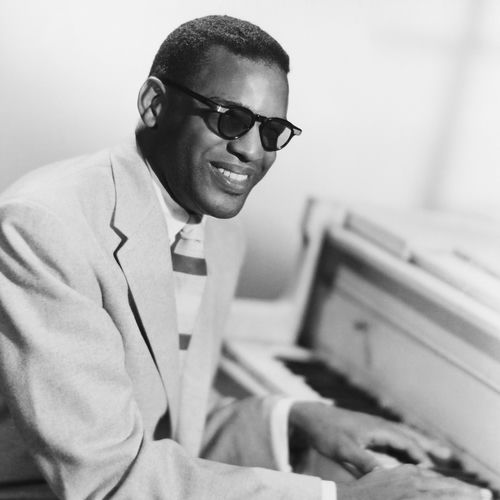
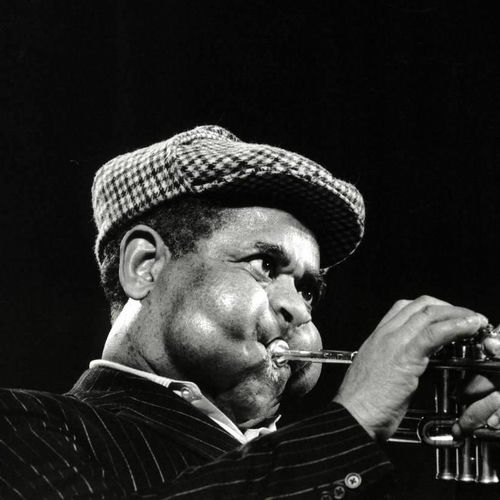
Its history is particularly connected to the development of rhythm and blues and soul. Atlantic worked with Ray Charles, Aretha Franklin and numerous artists who helped transform American music during the 1950s and 1960s. It also maintains an important jazz catalogue featuring recordings by John Coltrane, Charles Mingus, Ornette Coleman and Dizzy Gillespie.
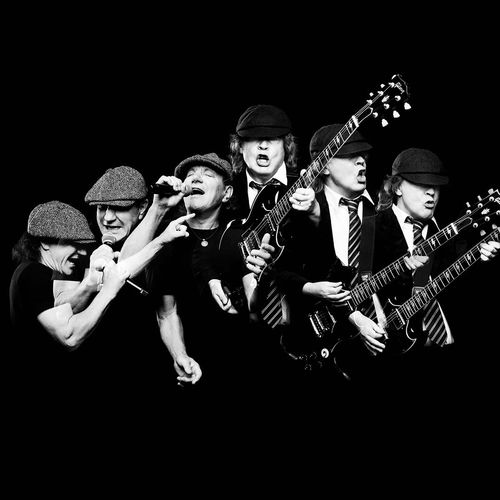
From the late 1960s onward, Atlantic became a major international rock label through Led Zeppelin, followed by AC/DC through territorial distribution agreements. Albums such as Led Zeppelin (1969), Led Zeppelin II (1969), Led Zeppelin IV (1971) and Highway to Hell (1979) illustrate this development.
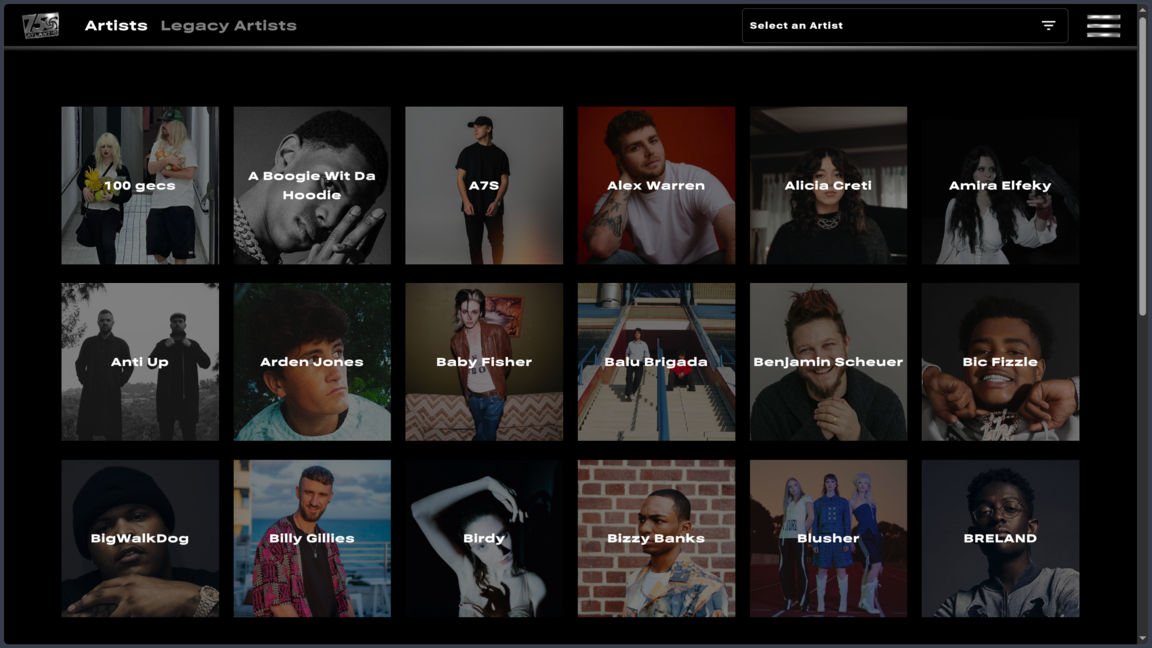
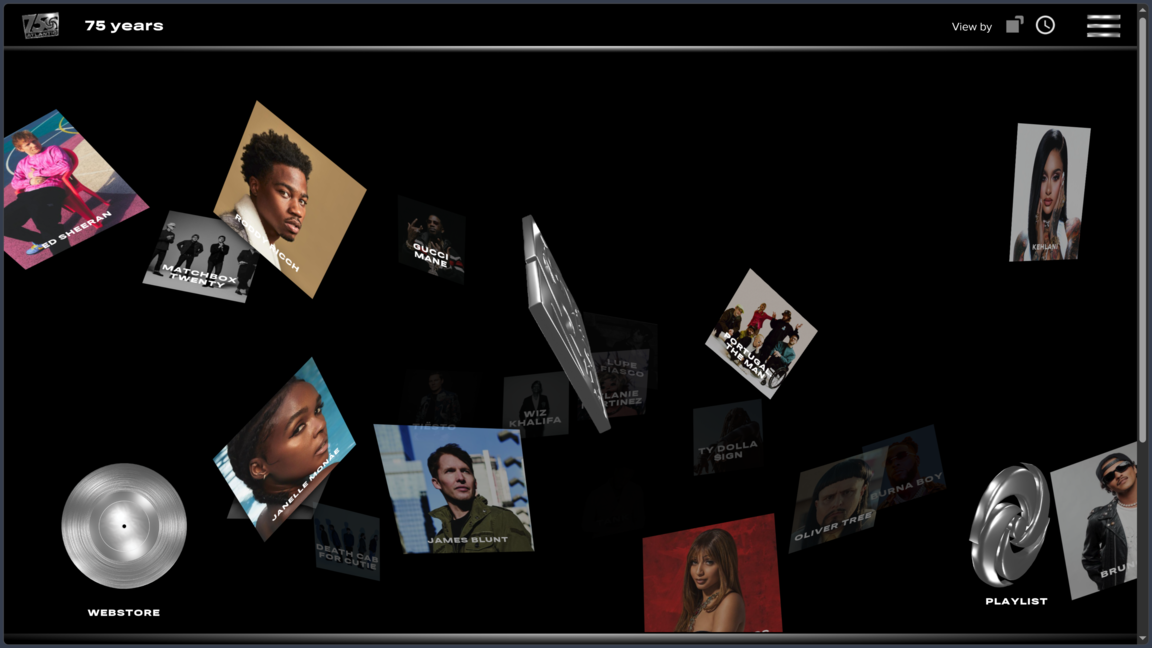
During the twenty-first century, the label continued expanding through artists such as Paramore, Bruno Mars, Ed Sheeran and Sia, alongside new generations of pop, rock and hip-hop performers. Its catalogue therefore combines an extensive musical heritage with contemporary releases distributed internationally.
History
1947-1959 — Foundation and the rhythm and blues revolution
Atlantic Records was founded in October 1947 by Ahmet Ertegun and Herb Abramson, two enthusiasts of jazz and African-American music. Miriam Abramson also contributed to the establishment and early operations of the company.
The label began with limited resources but quickly distinguished itself through its interest in blues, gospel and rhythm and blues performers. Ruth Brown, Big Joe Turner and The Drifters were among the artists who contributed to its early growth.
In 1953, Jerry Wexler joined Atlantic and became one of its most influential producers and executives. He helped develop rhythm and blues and bring it to a wider national audience.
Ray Charles played an essential role in this period. His recordings combined blues, gospel, jazz and popular music, contributing to the emergence of soul. The Great Ray Charles (1957) also demonstrated his abilities as a pianist and arranger in an instrumental jazz setting.
From 1955 onward, Nesuhi Ertegun took a leading role in expanding the label's jazz catalogue. Atlantic welcomed or released recordings by major figures in the genre while maintaining its strong position in rhythm and blues.
1960-1968 — Modern jazz and the golden age of soul
During the 1960s, Atlantic expanded its influence across several important musical movements.
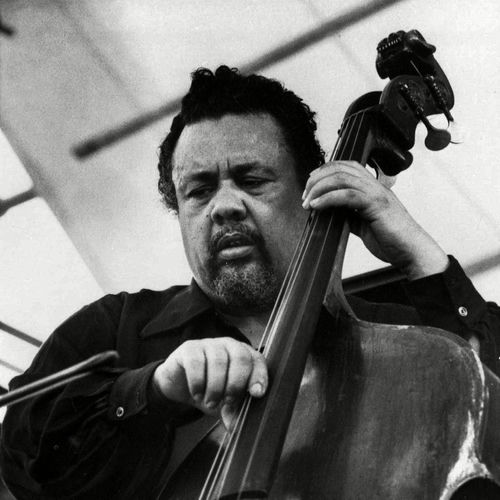
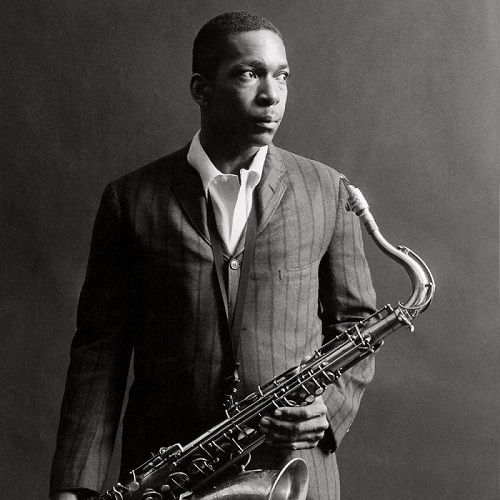
The label released recordings from John Coltrane's Atlantic period, including My Favorite Things (1961) and Coltrane's Sound (1964). Charles Mingus explored new forms of jazz with Oh Yeah (1962), combining collective improvisation with the energy of the blues.
In soul music, Atlantic developed relationships with recording studios in Memphis and Muscle Shoals. Recordings produced for Atlantic and its associated Atco label, alongside distribution relationships with Stax Records, helped bring new styles of African-American music to a wider audience.
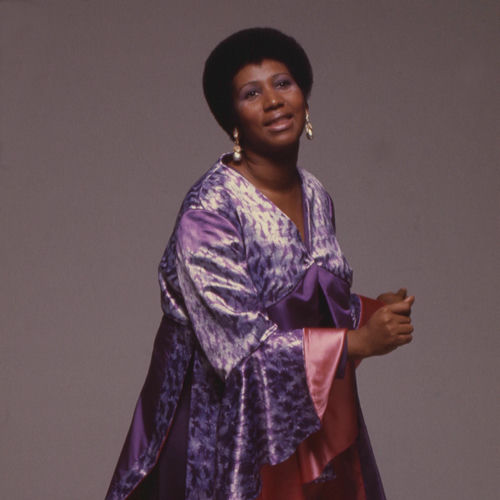
In 1967, Aretha Franklin joined Atlantic after her time with Columbia. She quickly achieved major success with I Never Loved a Man the Way I Love You (1967), followed by Lady Soul (1968), featuring songs including Chain of Fools and (You Make Me Feel Like) A Natural Woman.
These productions helped establish Atlantic as a defining name in soul music, combining expressive vocal performances with carefully developed arrangements and experienced session musicians.
In 1967, Atlantic's owners sold the label to Warner Bros.-Seven Arts. This acquisition brought it into the music organisation that would eventually become Warner Music Group.
1969-1989 — Led Zeppelin, AC/DC and the expansion of rock
By the late 1960s, Atlantic had become a major force in international rock music.
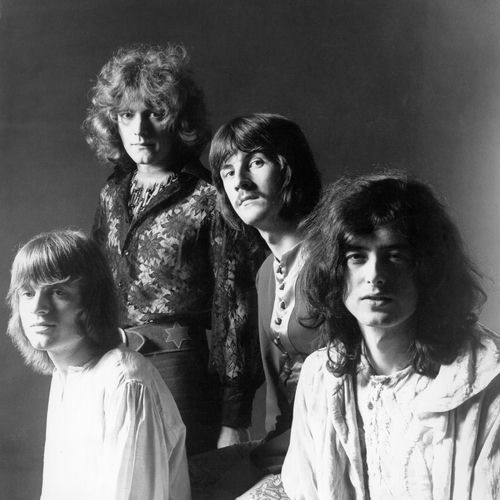
In 1969, the label released Led Zeppelin's first two albums. The band developed a sound combining electric blues, powerful guitar arrangements and extended compositions, before continuing with Led Zeppelin III (1970), Led Zeppelin IV (1971) and Houses of the Holy (1973).
From 1974 onward, Led Zeppelin used its own Swan Song Records imprint, whose releases were distributed by Atlantic. This arrangement illustrated the development of partnerships between established record labels and artist-controlled companies.
Atlantic also worked with other major rock groups, including Yes, Crosby, Stills & Nash and Genesis, depending on the period and territory.
During the late 1970s, the catalogue included international editions of AC/DC albums. Powerage (1978), Highway to Hell (1979) and For Those About to Rock (We Salute You) (1981) appeared under the Atlantic name in various markets, while Albert Productions remained associated with the Australian band's original recordings.
Jazz also maintained its place in the catalogue. Charles Mingus released Changes One (1975) and Cumbia & Jazz Fusion (1978), continuing his exploration of improvisation and orchestral forms.
The growth of rock and the diversification of its repertoire strengthened Atlantic's position within the Warner-Elektra-Atlantic distribution network.
1990-2009 — Hip-hop, alternative rock and new artists
During the 1990s, Atlantic adapted its catalogue to changes in popular music, particularly the expansion of hip-hop and alternative rock.
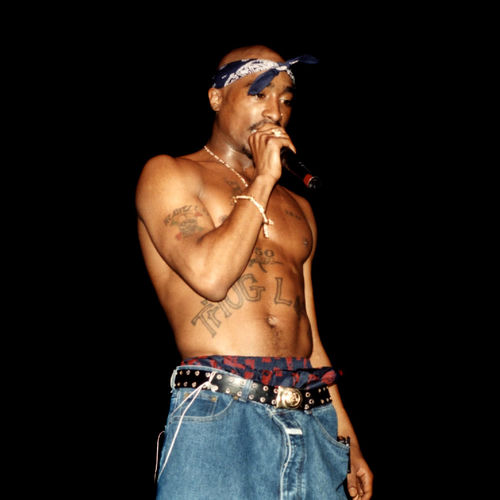
Certain editions of 2Pac's early albums, including Strictly 4 My N.I.G.G.A.Z... (1993) and Me Against the World (1995), carried the Atlantic name through arrangements with Interscope Records.
The label also participated in the distribution of rock, punk and metal bands. Its organisation included associated labels such as Atco, Lava and, later, Fueled by Ramen.
In 2004, Warner Music Group reorganised the operations of Atlantic and Elektra around Atlantic Records Group, consolidating some of their resources and development teams.
During the 2000s, Paramore became an important band within this recording environment. Released in association with Fueled by Ramen, Riot! (2007) helped establish the group in pop-punk and alternative rock. Brand New Eyes (2009) continued its artistic development.
Atlantic also expanded its presence in pop, international music and emerging digital distribution systems, preparing for a period of major global releases.
2010-2023 — Bruno Mars, Ed Sheeran and global pop
During the 2010s, Atlantic worked with several artists who became major figures in international pop music.
Bruno Mars released Unorthodox Jukebox (2012), followed by 24K Magic (2016). His productions combined pop, funk, soul and rhythm and blues, drawing on musical influences closely connected to the label's own history.
In the United Kingdom, Atlantic also established a major relationship with Ed Sheeran. × (2014), No.6 Collaborations Project (2019) and − (2023) reflected his combination of acoustic songwriting, contemporary pop and collaborations with other performers.
Sia released Everyday Is Christmas (2017), while Paramore continued its evolution with After Laughter (2017), influenced by new wave and synth-pop.
In 2023, Paramore released This Is Why, its sixth studio album and the final album recorded under its longstanding Atlantic contract.
These years also brought further partnerships in hip-hop and electronic music, alongside soundtracks and cast recordings associated with films and stage productions.
2024-2026 — Restructuring and new collaborations
In 2024, Warner Music Group announced a reorganisation of Atlantic Music Group. Elliot Grainge became its chief executive officer on October 1, succeeding Julie Greenwald.
The new structure brought together Atlantic Records and associated companies including 300 Entertainment and 10K Projects. Elektra, Fueled by Ramen and Roadrunner also continued operating within the wider group.
In September 2025, Warner strengthened cooperation between Atlantic's American and British teams, particularly in artist development and international promotion.
The label continued releasing new projects. Ed Sheeran's Play (2025) appeared in association with Gingerbread Man Records and Atlantic Records UK.
In 2026, Bruno Mars released The Romantic, his fourth solo studio album, through Atlantic Records. That same year, Sublime returned with Until the Sun Explodes, released in partnership with Sublime Recordings.
Atlantic continues operating across a wide range of genres while maintaining an identity closely associated with the history of rhythm and blues, soul and rock.
Distinctive Features
A major contribution to the emergence of soul
Atlantic played an essential role in the development of 1950s rhythm and blues and 1960s soul. Recordings by Ray Charles and Aretha Franklin helped transform the relationships between gospel, blues and popular music.
An important modern jazz catalogue
The label released works by John Coltrane, Charles Mingus, Ornette Coleman and other leading jazz musicians. Its catalogue documents multiple approaches, from instrumental jazz to collective improvisation and avant-garde experimentation.
A central position in rock history
Its relationship with Led Zeppelin, followed by the international distribution of AC/DC albums, established Atlantic as a major rock label during the 1970s and 1980s. Its catalogue later expanded into alternative rock and pop-punk.
An international network of associated labels
Atlantic operates through partnerships and specialised teams. Its relationships with Atco, Swan Song, Fueled by Ramen and Atlantic Records UK demonstrate how album releases can vary according to territory and distribution agreements.
Key Facts
- Founded: October 1947, in New York.
- Founders: Ahmet Ertegun and Herb Abramson, with Miriam Abramson contributing to the label's early operations.
- Historic executives: Jerry Wexler and Nesuhi Ertegun.
- Early genres: jazz, blues, gospel and rhythm and blues.
- Major 1950s artist: Ray Charles.
- Soul: Aretha Franklin joined Atlantic in 1967.
- Jazz: John Coltrane, Charles Mingus and Ornette Coleman.
- Warner acquisition: 1967, following the sale to Warner Bros.-Seven Arts.
- Rock: Led Zeppelin and international distribution of AC/DC recordings.
- Associated labels: including Atco, Swan Song and Fueled by Ramen, depending on the period.
- Alternative rock: Paramore, with Riot! (2007) and This Is Why (2023).
- International pop: Bruno Mars, Ed Sheeran and Sia.
- Group leadership: Elliot Grainge, CEO of Atlantic Music Group since October 2024.
- Recent releases: Play (2025), The Romantic and Until the Sun Explodes (2026).
- Status: active record label within Warner Music Group.