Overview
Watch Dogs establishes its first playground in a Chicago largely controlled by interconnected digital infrastructure. Aiden Pearce can hijack cameras, security systems, traffic lights and urban devices to observe his surroundings and intervene without always confronting his opponents directly. Hacking therefore becomes a mechanic integrated into exploration, chases and infiltration.
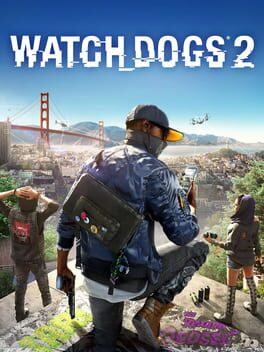
Watch Dogs 2 moves this idea to the San Francisco Bay Area and adopts a more collective approach around Marcus Holloway and the DedSec group. Hacking possibilities expand, drones take on a greater role and the city's systems can be combined more freely. The game places greater emphasis on experimentation and turns the connected environment into a genuine toolbox.
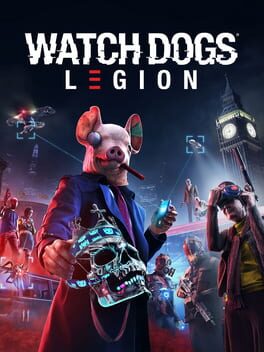
Watch Dogs: Legion finally moves the series to a near-future London and profoundly changes the role of the protagonist by allowing numerous inhabitants of the city to be recruited. Each character brings their own abilities and constraints, while hacking, infiltration and control of infrastructure remain at the heart of the experience. The three games therefore show different ways of exploring the same idea: using a hyperconnected city both as a source of surveillance and as a means of taking back control.