















Overview
Virgin is a British record label founded in 1972 by Richard Branson, Simon Draper, Nik Powell and Tom Newman. Emerging from a record retail business established in London, it became one of Britain's leading independent record companies before its acquisition by EMI in 1992.
Its earliest releases focused on progressive rock and experimental music. The success of Tubular Bells (1973), Mike Oldfield's debut album, enabled the young company to expand. A few years later, signing the Sex Pistols and releasing Never Mind the Bollocks, Here's the Sex Pistols (1977) gave Virgin an important place in British punk history.
The catalogue subsequently expanded into rock, pop, reggae and electronic music. During the 1990s, Virgin worked with artists including the Rolling Stones, Lenny Kravitz, Daft Punk and Massive Attack. Albums such as Voodoo Lounge (1994), Homework (1997) and Mezzanine (1998) illustrate the breadth of its activities and recording partnerships.
Following its integration into EMI and later Universal Music Group, the Virgin name continued to be used across several recording organisations. However, the original label must be distinguished from Virgin Music Group, a more recent organisation providing distribution and services for independent artists and labels.
History
1972-1976 — Richard Branson and the beginnings of Virgin Records
Virgin's history began before the label itself, when Richard Branson and Nik Powell developed a mail-order record business in 1970 and subsequently opened shops under the Virgin Records and Tapes name.
Virgin Records was established in 1972 with the involvement of Simon Draper and Tom Newman. The company intended to produce music by artists who found limited opportunities with conventional record labels.
Its first album was Mike Oldfield's Tubular Bells, released in May 1973. Recorded partly at The Manor studio, acquired by Branson, the album achieved international success and provided the young company with financial stability.
Virgin subsequently worked with progressive and experimental rock musicians including Tangerine Dream, Gong and Robert Wyatt. Simon Draper played a central role in artist selection and in developing the label's musical identity.
1977-1991 — Punk, new wave and international expansion
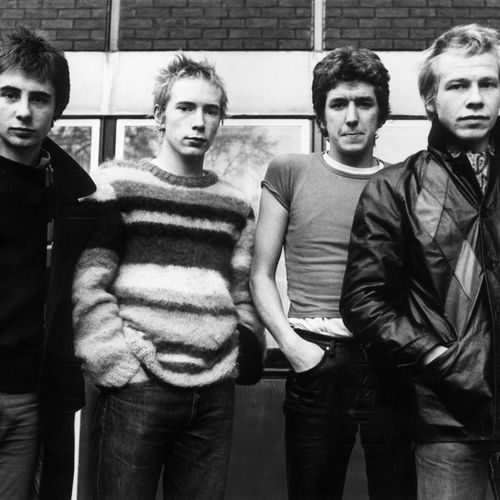
In 1977, Virgin signed the Sex Pistols following their departures from EMI and A&M Records. Their album Never Mind the Bollocks, Here's the Sex Pistols became one of the defining releases of British punk.
The label then became involved in new wave and post-punk through artists including Public Image Ltd, XTC, Magazine and Simple Minds. During the 1980s, its catalogue also included the Human League, Culture Club and several internationally successful pop groups.
Virgin expanded outside the United Kingdom, notably through Virgin Records America. This development enabled it to support artists in different markets while strengthening its distribution network.
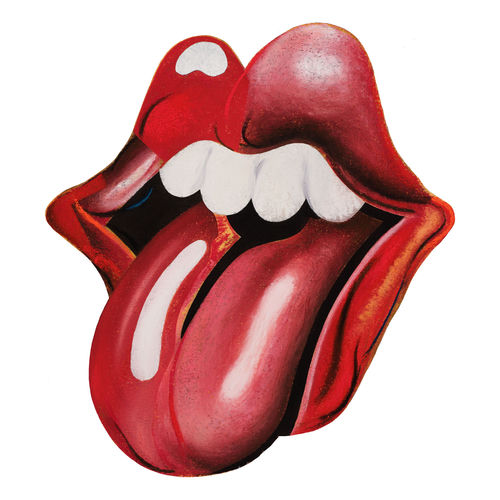
Towards the end of this period, the company secured a major agreement with the Rolling Stones. Announced in November 1991, the deal was due to take effect in 1993 and covered new albums as well as part of the band's existing catalogue.
1992-2005 — EMI, international rock and electronic music
In 1992, Richard Branson sold Virgin Records to Thorn EMI. The label retained its identity and continued developing within an international recording group.
The Rolling Stones released Voodoo Lounge (1994), followed by Bridges to Babylon (1997) and A Bigger Bang (2005), through Virgin. Lenny Kravitz also continued his career with Are You Gonna Go My Way (1993), 5 (1998) and Lenny (2001).
In electronic music, Virgin participated in the release of Homework (1997), Daft Punk's debut album, through its French operations. The record helped introduce French house music to international audiences.
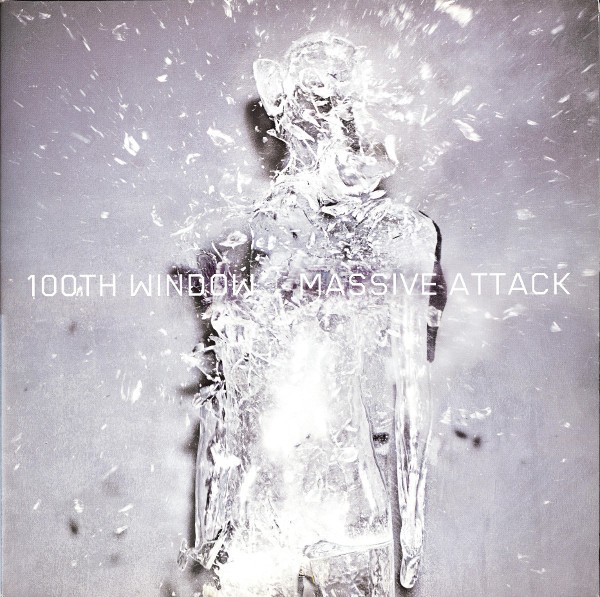
Massive Attack occupied another important place in the catalogue. Mezzanine (1998), released in association with Circa and Virgin, followed by 100th Window and Heligoland, reflected the connections between trip-hop, electronic music, dub and rock.
Virgin's French activities were also associated with Manu Chao, particularly through Clandestino (1998). The label therefore operated across markedly different genres while maintaining relationships with recording brands and partners specific to individual territories.
Since 2006 — Universal Music and the changing Virgin brand
During the 2000s, Virgin continued working with rock and contemporary music. Some releases carried the Virgin name alongside other record labels or distribution companies, depending on territory.
In 2012, Universal Music Group acquired EMI's recorded music operations, including Virgin. In 2013, Universal established Virgin EMI Records in the United Kingdom, combining recording activities previously associated with the Virgin and EMI names.
In June 2020, Virgin EMI Records was renamed EMI Records. This reorganisation changed the use of the Virgin name within the group without eliminating its historical catalogue.
In 2021, Universal launched Virgin Music Label & Artist Services, a network providing services to independent artists and record labels. In September 2022, these activities were combined with other businesses under the Virgin Music Group name.
The Virgin name remains present on contemporary releases, including Incubus's Morning View XXIII (2024), a new recording of the band's 2001 album Morning View. This illustrates the continuation of the brand within a recording industry structure different from the independent Virgin Records of the 1970s.
Distinctive Features
Independent and experimental beginnings
Virgin initially developed by supporting progressive rock and experimental music. Mike Oldfield's success provided the resources to work with artists operating outside conventional pop formats.
An important role in different musical movements
Signing the Sex Pistols, releasing new wave recordings and working with Daft Punk and Massive Attack demonstrate Virgin's involvement in distinct musical developments, from punk to electronic music.
An international catalogue
Virgin established recording operations in the United Kingdom, the United States and continental Europe. This structure explains why its releases may also carry names such as Circa, Delabel or other regional partners.
A historical brand with several different uses
Since its acquisition by EMI, the Virgin name has been associated with different recording organisations. Virgin Records, Virgin EMI Records and Virgin Music Group represent different periods and business structures, and their catalogues and activities should not be treated as interchangeable.
Key Facts
- Founded: 1972, in the United Kingdom.
- Founders: Richard Branson, Simon Draper, Nik Powell and Tom Newman.
- Business origins: mail-order record sales and Virgin Records and Tapes shops.
- First album: Mike Oldfield's Tubular Bells (1973).
- British punk: signing of the Sex Pistols in 1977.
- New wave: notably XTC, Public Image Ltd, Simple Minds and Culture Club.
- Rolling Stones: agreement announced in 1991, effective from 1993.
- Acquisition by EMI: 1992.
- Electronic music: Daft Punk's Homework (1997) and Massive Attack's Mezzanine (1998).
- Universal Music Group: acquisition of EMI's recorded music operations in 2012.
- British restructuring: Virgin EMI Records established in 2013 and renamed EMI Records in 2020.
- Virgin Music Group: new artist services and distribution organisation established in 2022.
- Contemporary release: Incubus's Morning View XXIII (2024).