
Overview
Ki-oon is a French publishing house specializing in manga, created in 2004 by Ahmed Agne and Cécile Pournin.
Its history, however, begins a few months earlier.
The project took shape in 2003, when the two founders prepared their future publishing activity and created the legal structure AC Media.
Ki-oon itself nevertheless considers 2004 its year of birth: this was when its first series, Element Line by Mamiya Takizaki, was published, and it was on this basis that the publishing house celebrated its twentieth anniversary in 2024.
This distinction is important for PANACHES CULTURE.
2003 corresponds to the birth of the project and the company supporting it; 2004 to the effective editorial creation of Ki-oon.
In its early years, the publishing house operated within a French manga market already developing but dominated by publishers with major Japanese catalogues.
Ahmed Agne and Cécile Pournin nevertheless chose a different approach.
Both speak Japanese and travel directly to Japan to search for works, meet creators and build editorial relationships.
Their initial interest notably focused on fantasy, science fiction, suspense and seinen manga, at a time when much of the French market remained strongly structured around already established major shōnen titles.
This direction appeared immediately with Element Line.
The series was not simply purchased as an already established license from a major Japanese publisher.
Ki-oon developed it directly with its creator, Mamiya Takizaki.
The same logic was applied to Duds Hunt by Tetsuya Tsutsui, published in France as early as October 2004.
This direct relationship with creators gradually became one of the publishing house’s essential characteristics.
Ki-oon actually operates according to two major complementary models.
The first is French licensed publishing.
The publishing house acquires from Japanese publishers and rights holders the right to translate and publish in French manga already released in Japan.
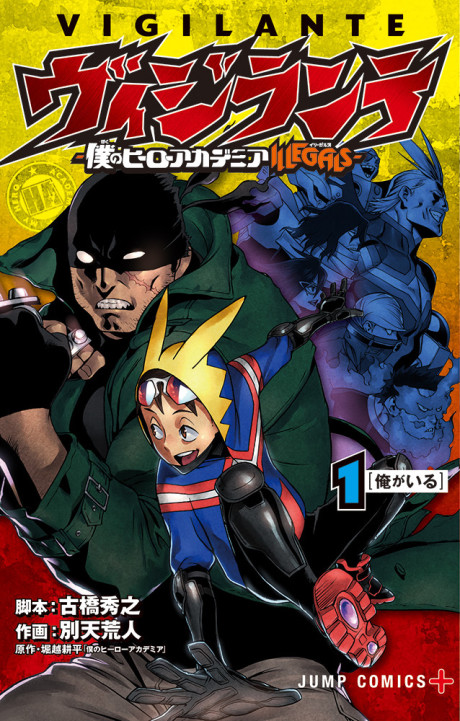
This is the case for series such as Übel Blatt, PandoraHearts, Bride Stories, A Silent Voice, My Hero Academia, Beastars, Jujutsu Kaisen, Les Carnets de l’apothicaire and Frieren.
In these situations, Ki-oon is the French publisher, not the original Japanese publisher.
My Hero Academia, for example, is a work by Kohei Horikoshi published in Japan by Shueisha.
Ki-oon has handled its French edition since 2016.
Les Carnets de l’apothicaire comes from the Japanese Square Enix publishing environment for the manga adaptation published by Ki-oon.
Frieren is a work published in Japan by Shogakukan.
This precise attribution is essential for PANACHES CULTURE: publishing a French translation does not make Ki-oon the original publisher of the work.
The second model is much more unusual for a French manga publisher.
Ki-oon itself develops original creations directly with their creators.
This policy was already present from the beginning with Element Line and Duds Hunt, but gradually became much more important.
Tetsuya Tsutsui became one of the most emblematic creators associated with this approach.
After their first collaborations, Ki-oon directly developed Prophecy with him, published from 2012 onward.
The thriller follows a mysterious masked vigilante using social media to announce his future actions.
The work was conceived with Ki-oon before later being published in other countries, including Japan.
In 2015, Tsutsui continued this collaboration with Poison City, centered on censorship and freedom of expression.
The situation then reverses the traditional licensing model.
Instead of a work first being created for a Japanese publisher and later acquired by a French publisher, Ki-oon itself becomes the publisher at the origin of the project, before it can then be licensed abroad.
This strategy led the publishing house to establish an office in Tokyo.
It allows Ki-oon to work directly with Japanese mangaka, follow projects locally and develop new series according to a model closer to that of a Japanese editorial department.
Works such as Tsugumi Project by ippatu, Léviathan by Shiro Kuroi and various other original creations emerged from this policy.
Some were later acquired by Japanese publishers and published in Japan.
This circulation represents an important distinction: Ki-oon is no longer only an intermediary allowing Japanese manga to reach France.
The publishing house can also become the editorial starting point for a manga created with a Japanese author and then exported back to its own country of origin.
At the same time, Ki-oon gradually built a licensed catalogue broad enough to cover numerous audiences.
The dark fantasy of Übel Blatt, published in France from 2007 onward, became one of its first particularly identifiable titles.
Jusqu’à ce que la mort nous sépare joined the catalogue in 2008.
PandoraHearts arrived in 2010.
Bride Stories by Kaoru Mori was published from 2011 onward.
The publishing house thus developed a reputation around works whose graphic quality, world-building or editorial positioning allowed them to remain visible well beyond their launch.
In the mid-2010s, however, Ki-oon changed scale.
A Silent Voice by Yoshitoki Oima arrived in France in 2015.
The series addresses school bullying, disability, guilt and personal reconstruction in a format very different from major action sagas.
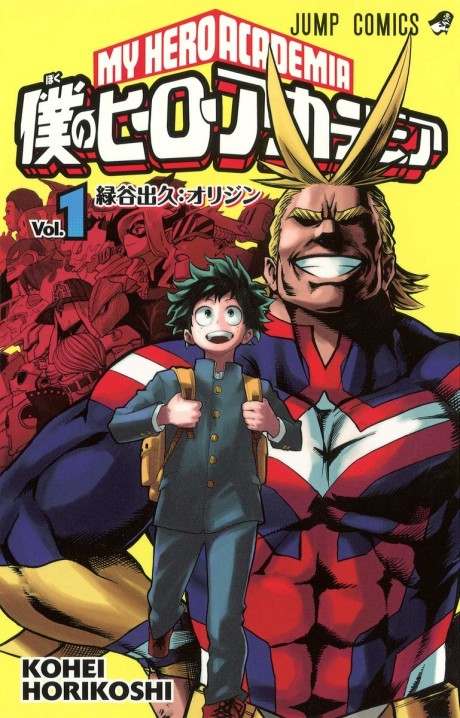
Then, in 2016, Ki-oon obtained the French license for My Hero Academia by Kohei Horikoshi.
The first two volumes were released simultaneously on April 14.
The series quickly became one of the publishing house’s major successes and placed Ki-oon much more directly at the heart of the mainstream shōnen market.
This success did not lead the publisher to abandon more targeted titles.
That same year, Ki-oon published Outlaw Players by Shonen, presented as its first French original creation.
The series was developed directly with the creator and even received an animated trailer produced with the Japanese studio GONZO.
This stage shows that the original-creation policy was no longer limited to Japanese creators.
Ki-oon also sought to support French creators able to work within a visual language directly influenced by manga.
In 2018, this policy became even more visible.
The publishing house announced several creations developed directly by its teams: Noise, Momo et le messager du Soleil, Beyond the Clouds, Lost Children and Sous un ciel nouveau.
It supported these new releases with Ki-oon Mag, a free magazine inspired by the Japanese serialization principle and featuring the opening chapters of several in-house creations.
The project was not intended to replace Japanese magazines.
It instead served to introduce several original works simultaneously, show their creative process and establish a direct relationship with readers before publication in collected volumes.
Ki-oon would later repeat this format.
At the same time, major licenses continued to strengthen the catalogue.
Beastars by Paru Itagaki was published in France from 2019 onward.
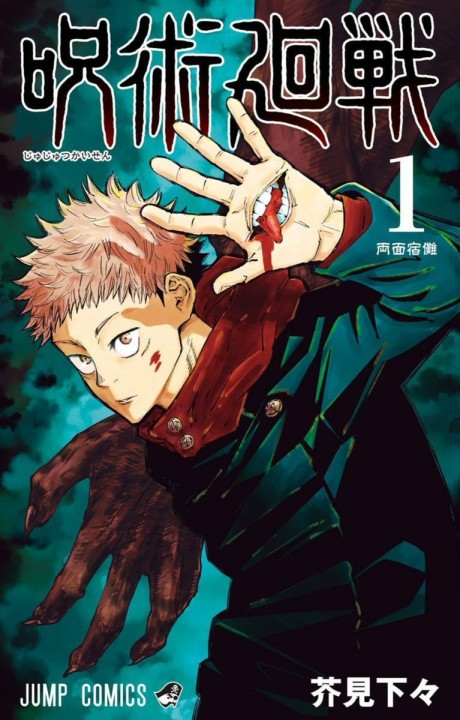
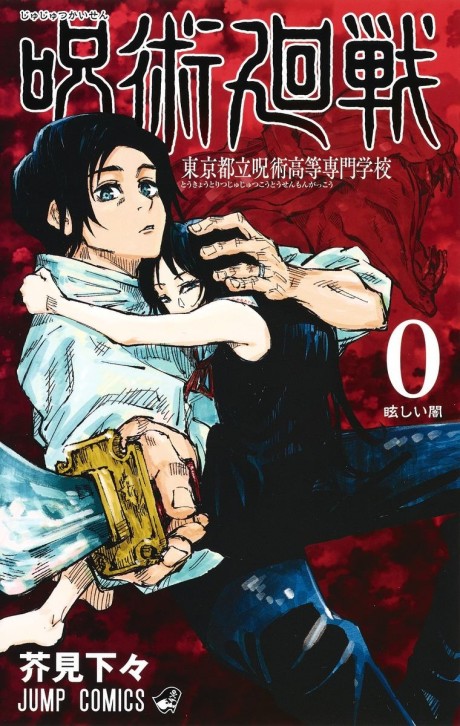
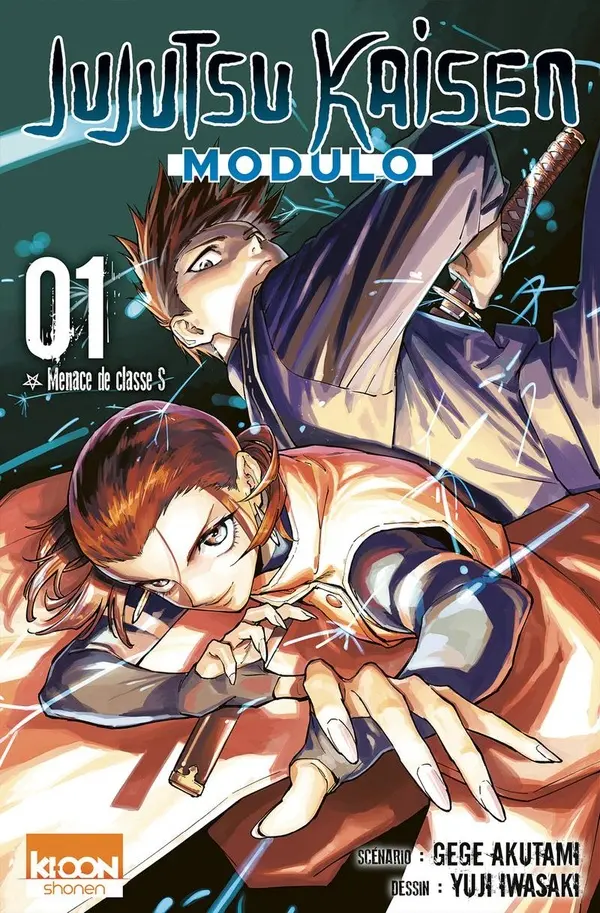
In February 2020, Ki-oon released the first volume of Jujutsu Kaisen by Gege Akutami.
The manga, originating from Weekly Shonen Jump and published in Japan by Shueisha, became one of the decade’s major new international successes.
Its growth in France, strengthened by the animated adaptation, in turn made it one of the main series in the Ki-oon catalogue.
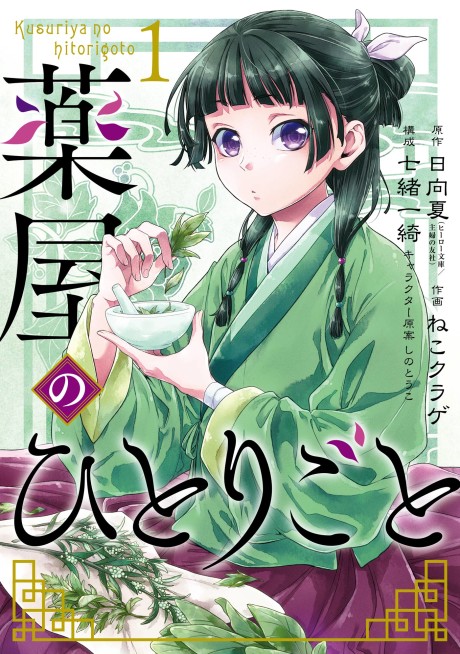
In 2021, the publishing house launched Les Carnets de l’apothicaire, a manga adaptation of Natsu Hyuuga’s work drawn by Nekokurage from an adaptation by Itsuki Nanao.
The series gradually found a particularly broad audience through its combination of investigation, medicine, court politics and character portrait.
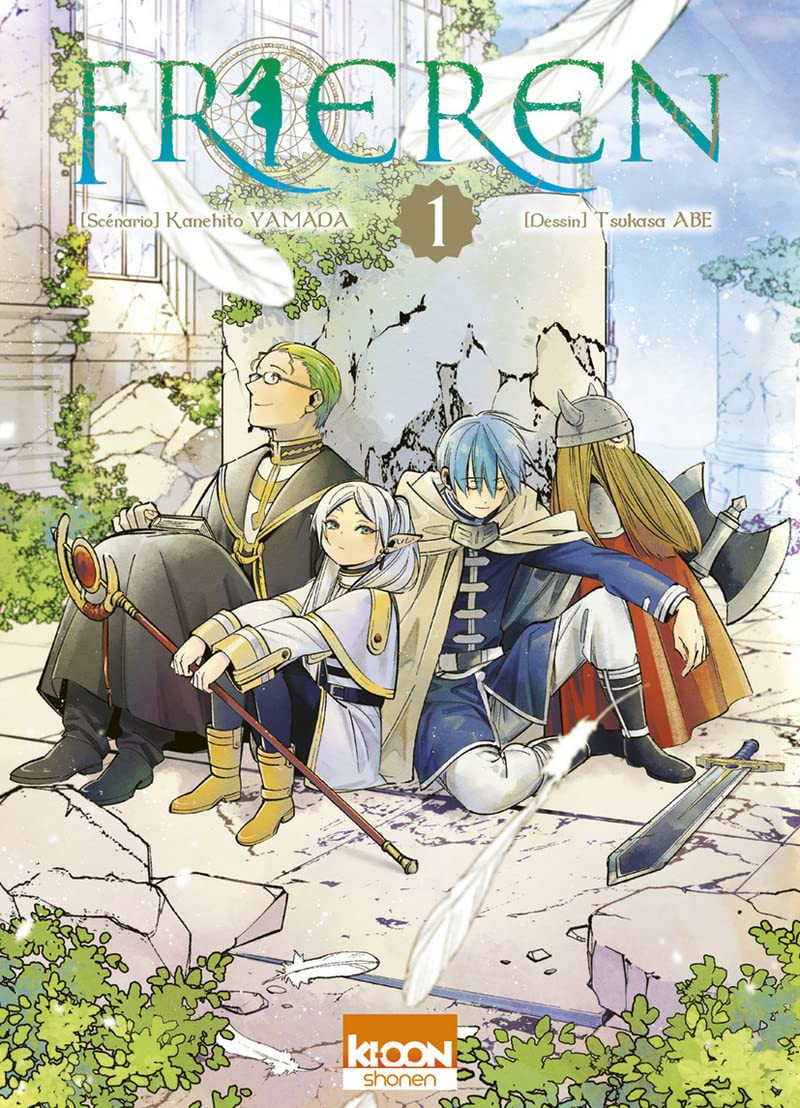
In 2022, Frieren by Kanehito Yamada and Tsukasa Abe in turn joined Ki-oon’s French catalogue.
These titles contributed to an evolution of the catalogue.
Ki-oon is no longer associated only with thrillers, dark fantasy or shōnen series.
It also publishes historical stories, contemplative works, fantasy, romance, drama, children’s manga, seinen, shōjo and literary adaptations.
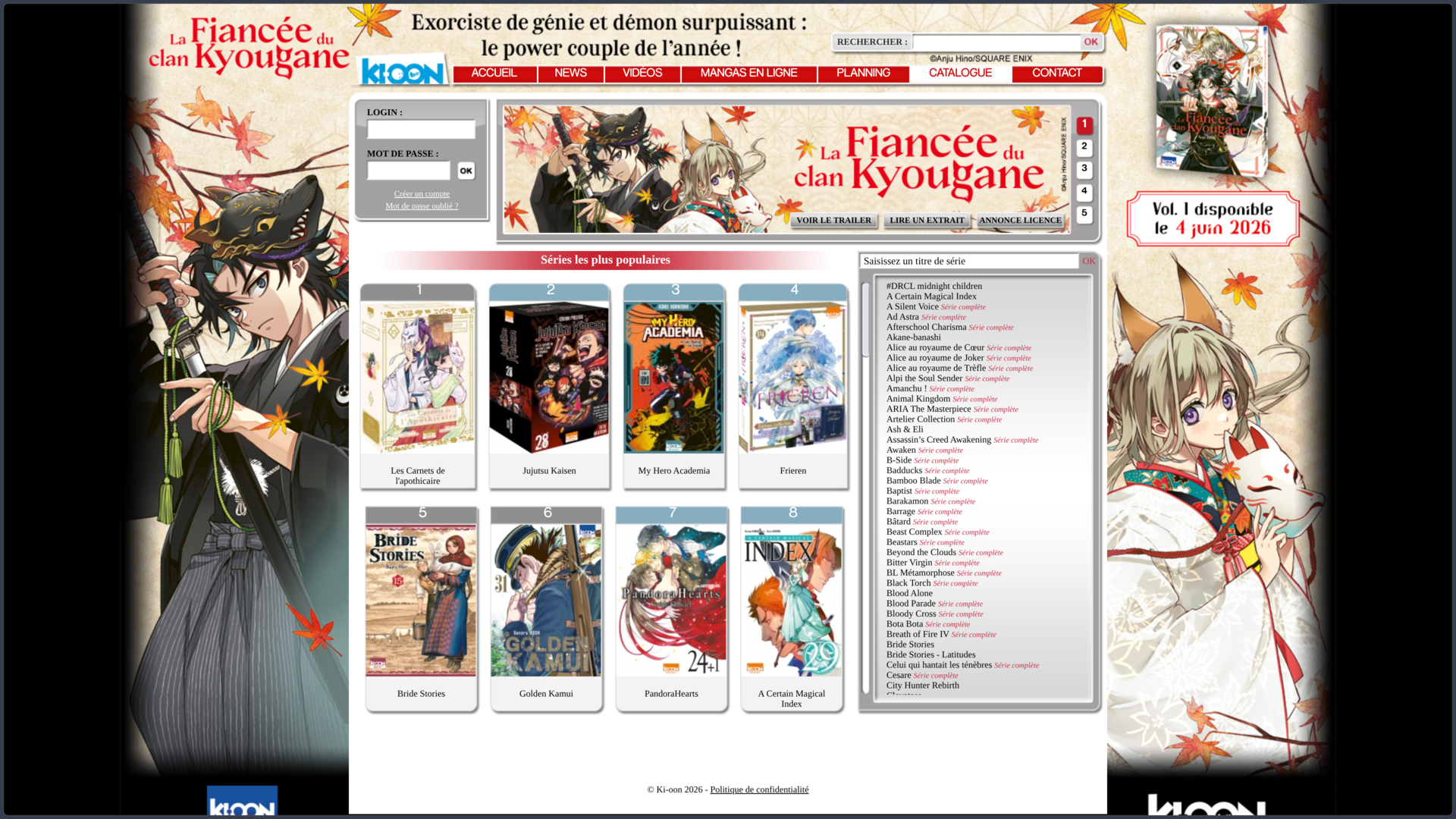
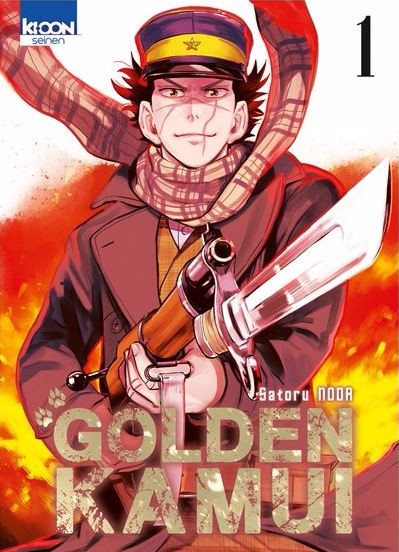
The current catalogue notably includes Les Carnets de l’apothicaire, Jujutsu Kaisen, My Hero Academia, Frieren, Bride Stories, Golden Kamui, PandoraHearts, A Silent Voice, Beastars, Akane-banashi as well as numerous more specialized series.
This diversity does not mean that Ki-oon indiscriminately publishes every type of manga.
The publishing house maintains a relatively selective policy compared with some very large industrial catalogues.
Ahmed Agne still indicated in the early 2020s that annual production was kept around 110 to 115 titles, with a desire to strengthen editorial teams, especially in Japan, rather than mechanically multiply releases.
This control over volume is part of the model developed by the publishing house.
Ki-oon also places significant emphasis on the physical presentation and promotion of its works.
Collector’s editions, box sets, reissues, perfect editions, shikishi, exhibitions, creator appearances, trailers and bookstore operations regularly accompany the catalogue.
For its tenth anniversary in 2014, the publishing house commissioned original illustrations from several creators in its catalogue.
For its twentieth anniversary in 2024, it organized new operations around series such as My Hero Academia, Jujutsu Kaisen, Frieren, Les Carnets de l’apothicaire, Akane-banashi and Les Chefs-d’œuvre de Lovecraft.
This attention to the printed object remains important even as the manga market becomes increasingly digital.
In 2026, Ki-oon remains an active editorial brand operated by AC Media.
The legal company also carries other brands, including Lumen and Mana Books.
These entities should not be confused.
Ki-oon is the manga publishing brand. Lumen and Mana Books have their own editorial lines and catalogues.
Ahmed Agne and Cécile Pournin remain involved in the management of the structure they founded.
More than twenty years after Element Line, Ki-oon therefore occupies a singular position within French manga publishing: a publishing house born as an independent niche specialist, which became the French publisher of several global franchises while maintaining an original-creation activity capable of operating in the opposite direction of the traditional market, from France toward Japan.
History
2003: Ahmed Agne and Cécile Pournin prepare Ki-oon
The Ki-oon project took shape in March 2003 around Ahmed Agne and Cécile Pournin.
Both are manga readers and speak Japanese.
They wanted to create a publishing house capable of searching for its own works in Japan rather than depending only on the most visible licenses offered on the international market.
The legal structure AC Media was created during the same year.
The two founders notably traveled to Japan and explored the world of dōjinshi, self-published works that make it possible to discover creators outside the traditional circuits of major publishing houses.
This research led them toward the first creators in the future catalogue.
2004: Element Line gives birth to Ki-oon
Ki-oon considers 2004 its official year of creation.
Its first series is Element Line by Mamiya Takizaki.
The project immediately illustrates the founders’ distinctive approach.
Ki-oon did not simply acquire a conventional French license.
The series was developed directly with its creator.
This editorial relationship brought Ki-oon closer to a publisher originating projects than to a simple buyer of foreign rights.
2004: Duds Hunt begins a long relationship with Tetsuya Tsutsui
On October 14, 2004, Ki-oon published Duds Hunt by Tetsuya Tsutsui.
The thriller established a lasting relationship between the Japanese creator and the young French publishing house.
Ki-oon would later publish several of his works, notably Reset, Manhole, Prophecy, Poison City, Noise and Neeting Life.
Tsutsui became one of the clearest examples of Ki-oon’s editorial policy: a creator whose work the publishing house did not merely import, but with whom it directly developed several projects.
2007: Übel Blatt strengthens the fantasy identity
In 2007, Ki-oon published Übel Blatt by Etorouji Shiono in France.
Dark fantasy already occupied an important place in the publishing house’s editorial preferences.
With its violent universe, political conflicts and long revenge narrative, Übel Blatt became one of the particularly recognizable titles from the catalogue’s early years.
The series helped establish Ki-oon among readers looking for darker imaginative manga.
2008: Jusqu’à ce que la mort nous sépare
In 2008, Ki-oon launched the French publication of Jusqu’à ce que la mort nous sépare, written by Hiroshi Takashige and drawn by DOUBLE-S.
The action thriller combines technological anticipation, combat and the protection of a young girl able to perceive the future.
With 26 volumes, the series accompanied the catalogue’s growth over a long period.
It also showed that Ki-oon was beginning to be able to support long and regular series beyond its first one-shots and shorter cycles.
2010: PandoraHearts develops a lasting community
In 2010, PandoraHearts by Jun Mochizuki arrived in France.
Its universe combines fantasy, references to Alice in Wonderland, mystery and Gothic aesthetics.
The series gradually built a significant community of French readers.
Ki-oon indicates that it reached several hundred thousand copies sold in France.
The relationship with Jun Mochizuki later continued with Les Mémoires de Vanitas and new heritage editions of PandoraHearts.
2011: Bride Stories confirms the expansion of the catalogue
In 2011, Ki-oon published the first volume of Bride Stories by Kaoru Mori.
The work is set in 19th-century Central Asia and pays particular attention to traditions, clothing, family relationships and ways of life.
Its rhythm and visual approach are very far removed from major action shōnen or the dark fantasy of Ki-oon’s early years.
This publication shows that the publishing house was gradually expanding its identity beyond the genres that had first made it known.
2012: Prophecy reverses the traditional licensing model
In 2012, Ki-oon published Prophecy by Tetsuya Tsutsui.
This time, the work was developed directly with Éditions Ki-oon.
The project represents an important stage.
A French publisher works with a Japanese creator on the creation of an original manga, then that work becomes capable of being licensed in other territories in turn.
Ki-oon no longer acts only as the French gateway for an existing Japanese production.
It becomes the editorial producer of a manga that can then circulate internationally.
2014: ten years and the assertion of a catalogue of its own
In 2014, Ki-oon celebrated its tenth anniversary.
The publishing house notably organized a series of original shikishi created by several emblematic creators from its catalogue for the French audience.
That year also saw the arrival of Erased by Kei Sanbe.
The thriller involving time, murder and childhood quickly found a significant readership and was later strengthened by its animated adaptation.
The tenth anniversary thus marked the transition from a young specialized publisher to a house already possessing a genuine back catalogue.
2015: A Silent Voice and Poison City broaden the range
In 2015, Ki-oon published A Silent Voice by Yoshitoki Oima.
The series addresses bullying, hearing disability, isolation and guilt.
Its success shows that a manga with a contemporary and intimate subject can become a major title in the catalogue.
That same year, Tetsuya Tsutsui returned with Poison City, a new creation developed around censorship and freedom of expression.
These two works illustrate two complementary dimensions of Ki-oon: selecting titles in Japan capable of reaching a broad French audience and directly developing its own projects with creators.
2016: My Hero Academia changes the scale of the publishing house
On April 14, 2016, Ki-oon simultaneously published the first two volumes of My Hero Academia by Kohei Horikoshi.
The series was then one of the promising new titles in Weekly Shonen Jump.
Its French success quickly became considerable.
My Hero Academia placed Ki-oon among the publishers capable of handling in France one of the major shōnen franchises of its generation.
The series was supported by extensive promotion, events and special editions.
For several years, it became one of the publishing house’s main commercial drivers.
2016: Outlaw Players becomes the first French original creation
That same year, Ki-oon published Outlaw Players by Shonen.
The publishing house presented the project as its first French original creation.
The first volume was released on July 7, 2016.
To support its launch, Ki-oon collaborated with the Japanese studio GONZO to produce an animated trailer.
The project shows that the in-house creation policy could now extend to French creators and no longer depended solely on collaborations with Japanese mangaka.
2018: original creations become a genuine editorial focus
In 2018, Ki-oon announced a much greater development of its original creations.
Noise, Momo et le messager du Soleil, Beyond the Clouds, Lost Children and Sous un ciel nouveau were presented as projects developed directly by the publishing house.
To introduce them, Ki-oon launched a free Ki-oon Mag.
Inspired by the model of Japanese serialization magazines, it brought together the opening chapters of different series, reports and information about their production.
The objective was clear: build a genuine creation activity rather than a few isolated experiments.
2019: Beastars and Tsugumi Project
In 2019, the catalogue expanded with Beastars by Paru Itagaki.
The series uses a society of anthropomorphic animals to address instinct, violence, desire, difference and social relationships.
That same year saw the publication of Tsugumi Project by ippatu.
Unlike Beastars, Tsugumi Project is a Ki-oon original creation.
Its copyright directly associates the creator with the French publishing house.
The coexistence of these two titles perfectly illustrates the publisher’s dual model: French licensing of an existing Japanese manga and development of an original creation with a Japanese creator.
2020: Jujutsu Kaisen becomes a new pillar
On February 6, 2020, Ki-oon published the first volume of Jujutsu Kaisen by Gege Akutami.
The work is published in Japan by Shueisha in Weekly Shonen Jump.
Its animated adaptation then greatly accelerated its international growth.
In France, Jujutsu Kaisen became one of Ki-oon’s major successes and gradually took over part of the momentum created by My Hero Academia.
The publishing house now simultaneously held several franchises capable of reaching the top of French manga sales.
2021: Les Carnets de l’apothicaire finds its audience
In January 2021, Ki-oon published the first volume of Les Carnets de l’apothicaire.
The work adapts Natsu Hyuuga’s novels through the manga version drawn by Nekokurage and adapted by Itsuki Nanao.
Its heroine Mao Mao and imperial court setting gradually built a strong community of readers.
The success grew even further with the animated adaptation.
The series became one of the major titles in Ki-oon’s contemporary catalogue.
2021: continuing direct creation with Japanese creators
The original-creation policy continued in parallel.
A new Ki-oon Mag notably presented Outsiders, L’Éden des sorcières, Léviathan and Coco – L’Île magique.
The publishing house confirmed its desire to work directly with Japanese creators across very different registers: shōjo, fantasy, science fiction, children’s publishing and post-apocalyptic storytelling.
The existence of the Japanese office facilitates this relationship on a daily basis.
2022: Frieren joins the catalogue
On March 3, 2022, Ki-oon published the first volumes of Frieren by Kanehito Yamada and Tsukasa Abe.
The series, published in Japan by Shogakukan, offers a fantasy story centered on memory, the passage of time and what remains after the end of the traditional heroic quest.
Its animated adaptation subsequently helped make it one of the major recent international manga successes.
Frieren also became one of the emblematic titles of Ki-oon’s 2020s catalogue.
2024: twenty years between licenses and original creations
In 2024, Ki-oon officially celebrated its twentieth anniversary.
The publishing house highlighted a catalogue where Bride Stories, A Silent Voice, My Hero Academia, Les Chefs-d’œuvre de Lovecraft, Beastars, Les Carnets de l’apothicaire, Frieren and many other titles coexist.
It also emphasized its original-creation activity.
Prophecy, Poison City, Léviathan and Tsugumi Project are among the works developed directly with Japanese creators before being sold in several countries, including Japan.
This international circulation has become one of the most distinctive symbols of Ki-oon.
Ki-oon today
In 2026, Ki-oon remains an active French publishing house specializing in manga.
Its catalogue combines established major successes, new licenses, backlist titles and original creations.
The publishing house notably continues to publish ongoing major series such as Jujutsu Kaisen, while searching for new titles able to succeed major franchises that have ended or are approaching their conclusion.
The legal structure operating Ki-oon is AC Media.
Ahmed Agne and Cécile Pournin remain directors of this company.
AC Media also operates other editorial brands, notably Lumen and Mana Books.
These catalogues remain distinct.
For PANACHES CULTURE, the relevant entity when a manga carries the Ki-oon brand is therefore Ki-oon, not the full set of commercial brands operated by AC Media.
What sets it apart
Being born with a direct relationship to Japan rather than as a simple license buyer
Ahmed Agne and Cécile Pournin speak Japanese and built a direct relationship with creators and the Japanese market from the publishing house’s earliest years.
This skill deeply influences the way Ki-oon developed.
The house can search for less obvious works, speak directly with Japanese contacts and gradually build a reputation among rights holders.
This proximity later became even more important with the opening of an office in Tokyo.
Combining license acquisition with genuine editorial creation
Most French manga publishers naturally work with Japanese licenses.
Ki-oon also follows this model with numerous major series.
But it simultaneously develops an activity in which the project originates directly within the publishing house.
Prophecy, Poison City, Tsugumi Project and Léviathan are not simply Japanese manga purchased for France.
Ki-oon participates in their editorial development from the beginning.
This distinction profoundly changes its role.
The publishing house sometimes becomes the original publisher, including for works created by Japanese authors.
Being able to export to Japan manga developed from France
The most original consequence of this policy appears when Ki-oon creations are later acquired by Japanese publishers.
The traditional route of manga is then reversed.
A work can be developed by a French publishing house with a Japanese creator, first published within the Ki-oon environment, then licensed on the Japanese market.
This ability makes Ki-oon a distinctive case in the recent history of French manga publishing.
Building a selective catalogue rather than mechanically multiplying releases
Ki-oon has long favored a relatively controlled number of new releases.
The publishing house does not seek only to increase its annual publication volume.
It works on the lifespan of its back catalogue, the visibility of each series and the marketing support of its titles.
This strategy allows very different works to remain active several years after their launch.
It also reduces dependence on a single category of new releases.
Moving from niche publishing to major franchises without abandoning more singular titles
Ki-oon’s first successes were notably built around fantasy, thrillers and seinen.
The arrival of My Hero Academia, followed by Jujutsu Kaisen, then placed the publishing house at the heart of the mainstream shōnen market.
But this evolution did not eliminate Bride Stories, A Silent Voice, original creations, children’s manga or more visually unusual projects.
This coexistence prevents Ki-oon from being reduced to the publisher of two or three blockbusters.
Placing strong emphasis on the physical book and the relationship with readers
Ki-oon regularly accompanies its manga with collector’s editions, box sets, perfect editions, shikishi, trailers, exhibitions, events and bookstore operations.
This policy does not replace editorial content.
It serves to make series identifiable and build a lasting relationship with their audience.
The anniversaries of 2014 and 2024 particularly illustrate this approach through original artwork and operations devoted to several catalogue works.
Using the serialization principle as a launch tool in France
With Ki-oon Mag, the publishing house borrows certain principles from Japanese serialization magazines.
Several creations are presented simultaneously through their opening chapters.
Readers can discover their worlds before the release of collected volumes.
The magazine also contains information about their creation.
Ki-oon does not seek to permanently recreate a Japanese weekly magazine in France, but uses this format as an editorial tool adapted to its own creations.
Clearly distinguishing the French publisher from the original publisher
Ki-oon’s catalogue brings together works originating from Shueisha, Shogakukan, Square Enix, Kodansha, Kadokawa, Akita Shoten and other Japanese rights holders.
Ki-oon can be the French publisher of a series without being its original publisher.
This distinction is fundamental.
My Hero Academia and Jujutsu Kaisen originally belong to Shueisha. Frieren belongs to Shogakukan. A Silent Voice belongs to Kodansha.
Conversely, for certain creations carrying Ki-oon copyright directly, the French publishing house has a much more important original editorial role.
Remaining Ki-oon within a legal structure carrying other brands
The Ki-oon brand is operated by AC Media.
The same company also carries other publishing activities such as Lumen and Mana Books.
This does not mean their catalogues should be merged.
A manga published by Ki-oon remains a Ki-oon publication.
A book published by Mana Books or Lumen belongs to those respective brands.
For PANACHES CULTURE, the brand actually appearing on the edition therefore remains the relevant level for linking works.
Good to know
- The Ki-oon project took shape in 2003 around Ahmed Agne and Cécile Pournin, but the publishing house considers 2004 its year of editorial creation, with the publication of Element Line.
- The legal structure AC Media was created in 2003; Ki-oon is its editorial brand specializing in manga.
- Founders Ahmed Agne and Cécile Pournin speak Japanese, which allowed them from the beginning to develop direct relationships with Japanese creators and partners.
- Element Line by Mamiya Takizaki is Ki-oon’s first series; Duds Hunt by Tetsuya Tsutsui was published as early as October 2004 and began a long collaboration with the creator.
- Übel Blatt arrived in France through Ki-oon in 2007, PandoraHearts in 2010, Bride Stories in 2011 and A Silent Voice in 2015.
- Prophecy, published from 2012 onward, is an original creation developed directly by Ki-oon with Tetsuya Tsutsui; the publishing house later continued this model with Poison City, Tsugumi Project, Léviathan and other projects.
- My Hero Academia has been published in France by Ki-oon since April 14, 2016; the work remains originally a creation by Kohei Horikoshi published in Japan by Shueisha.
- Outlaw Players by Shonen was released in July 2016 and is presented by Ki-oon as its first French original creation.
- In 2018, Ki-oon significantly strengthened its original-creation policy and launched Ki-oon Mag, a free discovery magazine inspired by Japanese serialization.
- Jujutsu Kaisen has been published in France since February 6, 2020, Les Carnets de l’apothicaire since January 2021 and Frieren since March 2022.
- Ki-oon has an office in Tokyo that notably participates in the direct development of original creations with Japanese authors; several of these works were later licensed and published in Japan.
- In 2026, Ki-oon remains an active French publishing house operating within AC Media under its founders, with a catalogue combining major Japanese licenses, backlist titles and original creations.