

















Presentation
J’ai lu is a French publishing house established in 1958, primarily known for its role in the development of paperback publishing. Born from the collaboration between Frédéric Ditis and the Flammarion family, it was built around a simple but decisive ambition: making a wide variety of affordable books available to as many readers as possible. This approach accompanied the expansion of France’s reading public during the postwar economic boom and helped transform purchasing and reading habits by making books available beyond traditional bookshops.
The house quickly distinguished itself through a particularly open approach to popular publishing. Its catalogue was limited neither to literary classics nor to bestselling novels. It brought together French and international literature, historical narratives, crime fiction, science fiction, fantasy, romance, memoirs, nonfiction and practical books. This diversity reflected an enduring editorial conviction: popular genres deserved a genuine policy of publication, translation and republication, just as much as general literature.
The history of J’ai lu is marked by several initiatives that accompanied changing public tastes. From its earliest years, the house published writers such as Giovannino Guareschi, Colette, Graham Greene, Georges Duhamel, Gilbert Cesbron and Henri Troyat. It subsequently developed collections specialising in adventure, history and crime fiction before giving considerable prominence to speculative fiction under the leadership of Jacques Sadoul.
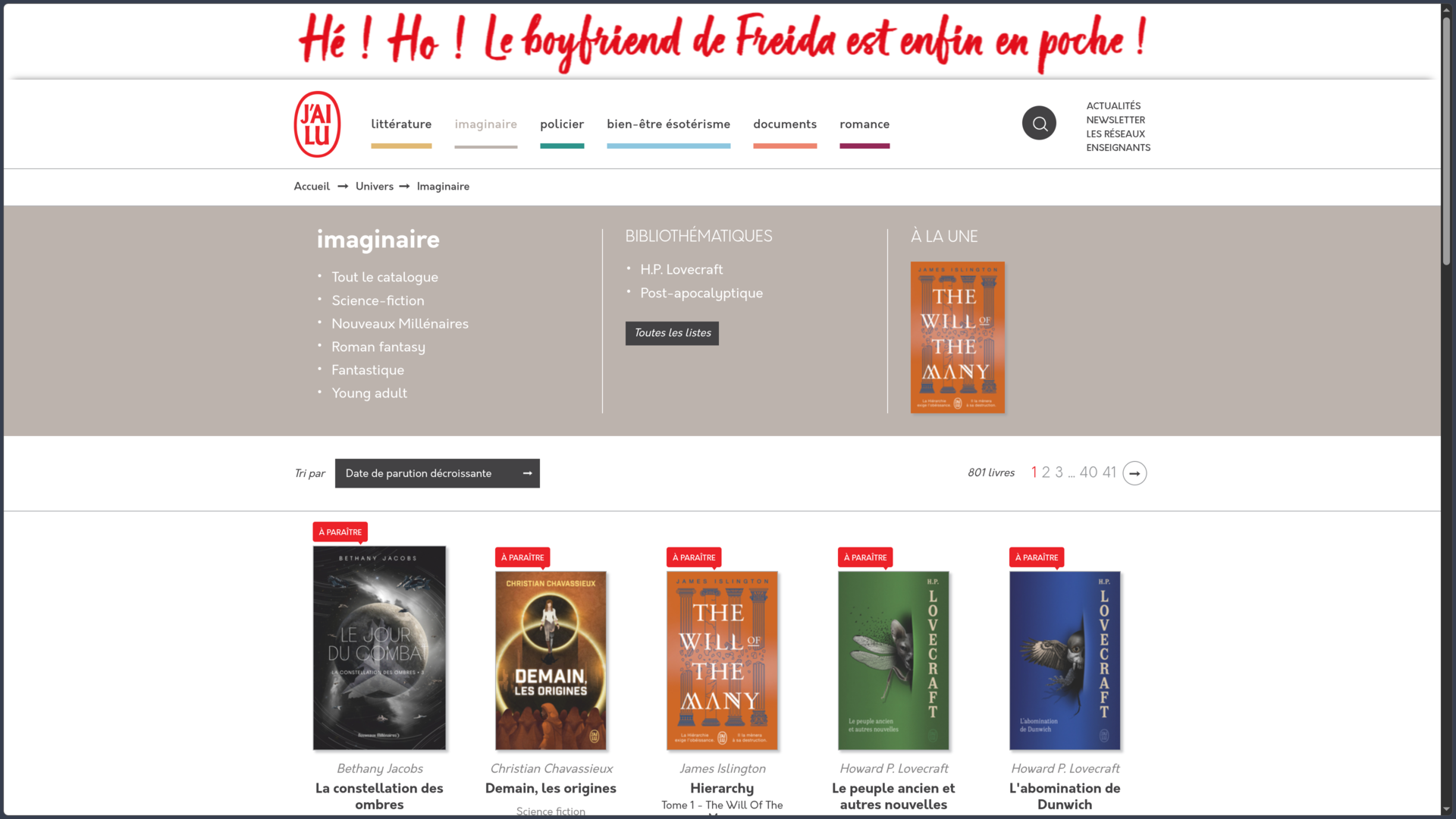
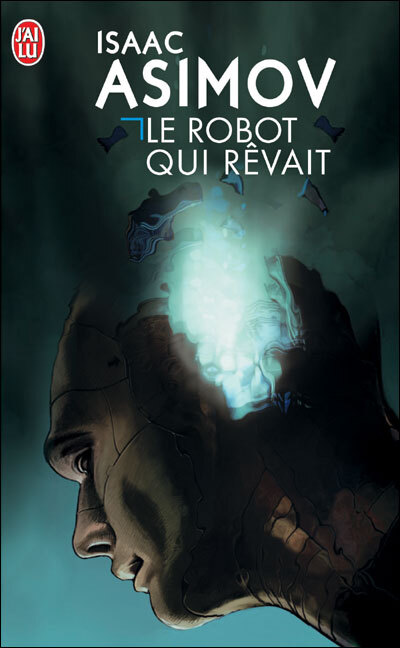
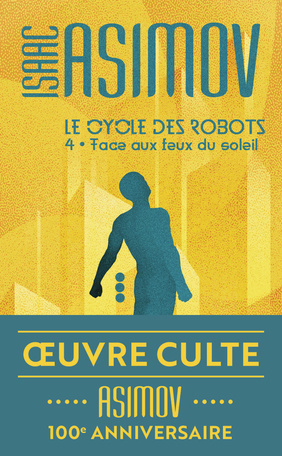
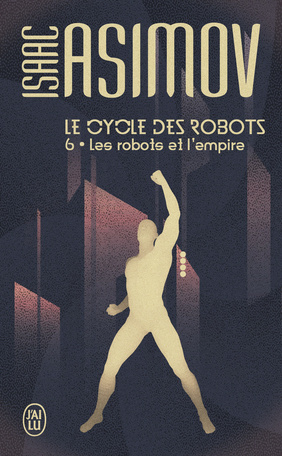
From 1970 onwards, science fiction became one of its most emblematic fields. Publications by Isaac Asimov, Philip K. Dick, Arthur C. Clarke, Theodore Sturgeon, A. E. van Vogt and Jack Vance helped make major works of the genre widely accessible. Over the following decades, this activity expanded into horror, supernatural fiction and fantasy, with writers such as Robin Hobb, George R. R. Martin and Stephen King. Specialised collections brought both classics and long-running novel cycles to readers, helping build a loyal audience.
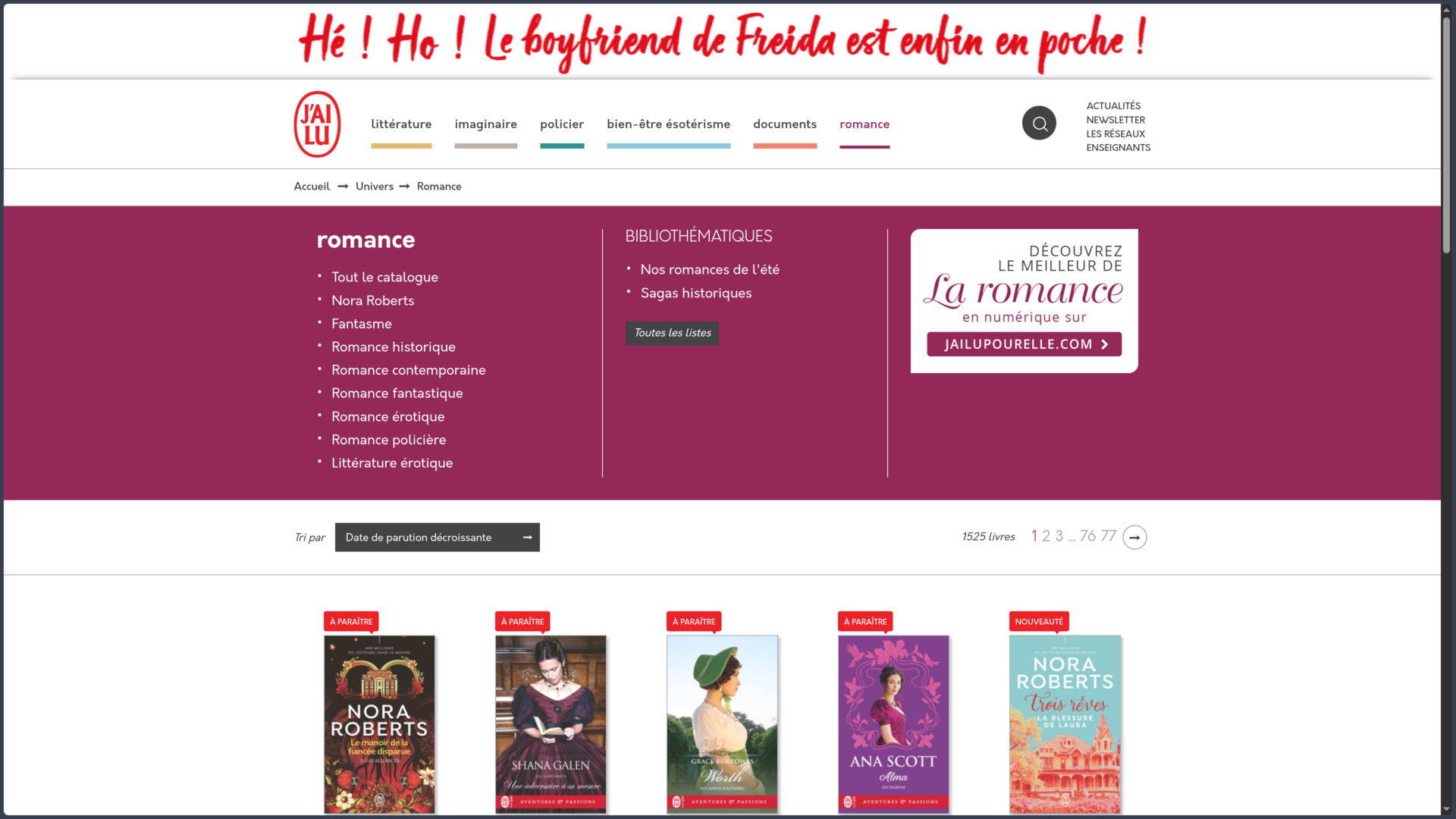
The house also occupies a major place in romance publishing. Through the J’ai lu pour Elle imprint, it developed a range of collections devoted to historical, contemporary, paranormal and romantic suspense fiction. Authors such as Nora Roberts, Barbara Cartland, Lisa Kleypas, Julia Quinn, Diana Gabaldon, Mary Balogh and Sylvia Day illustrate the importance of this field. The publisher thus contributed to the commercial recognition of genres long considered secondary within the traditional literary landscape.
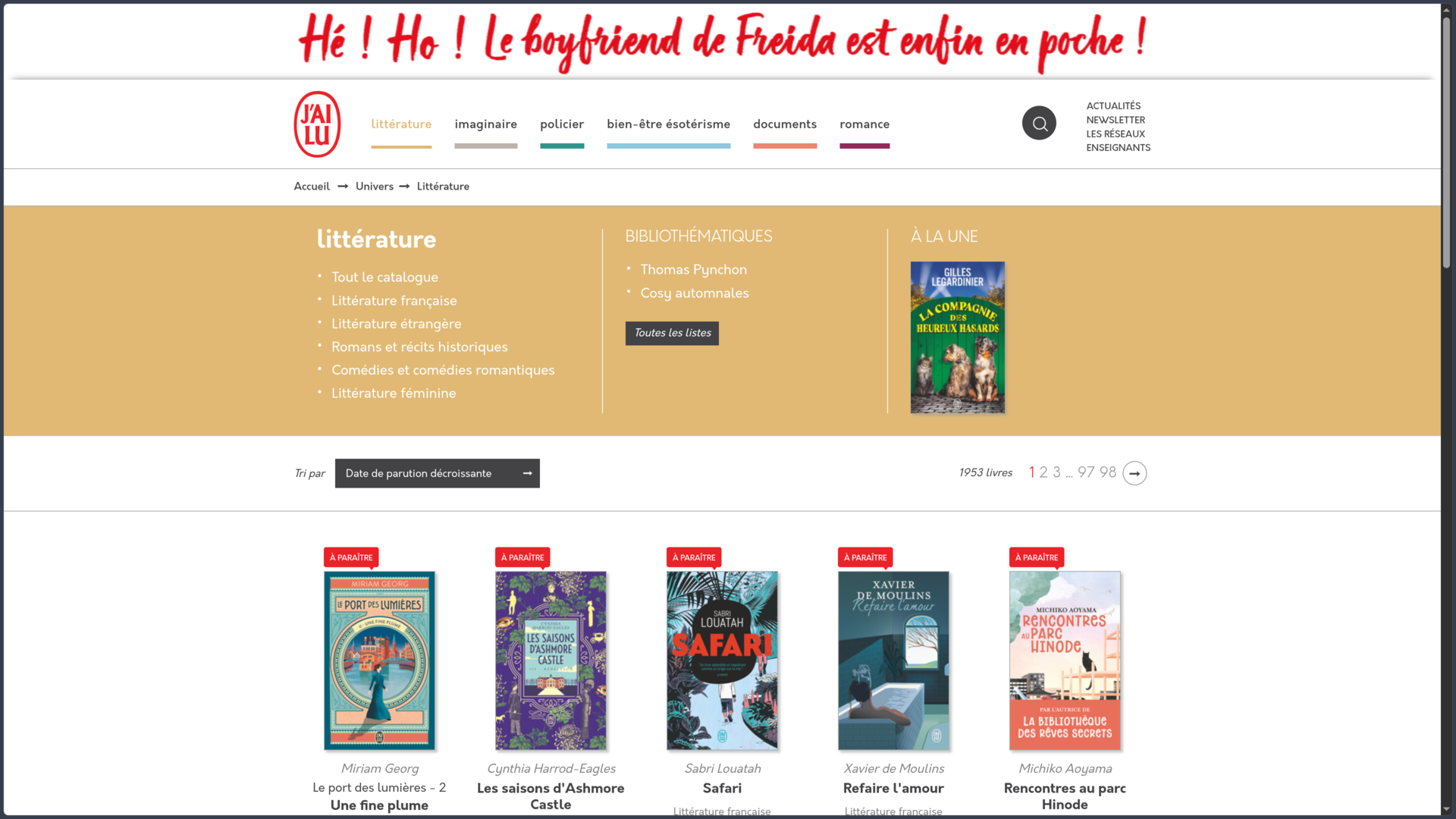
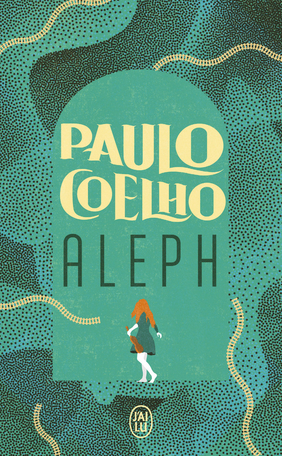
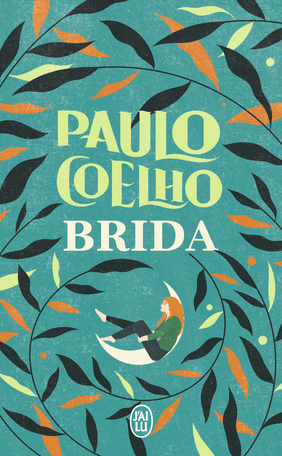
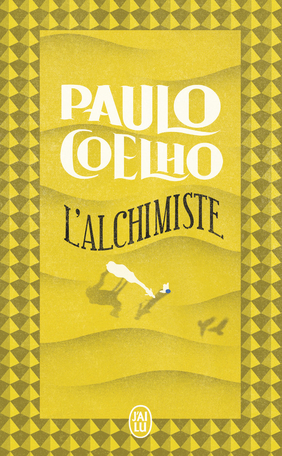
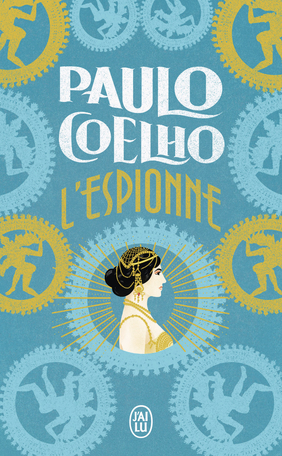
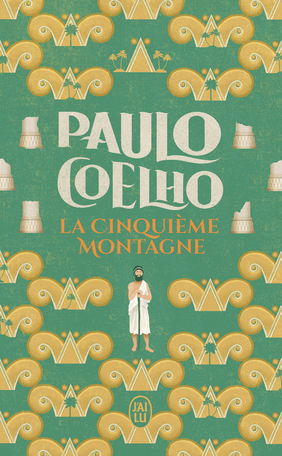
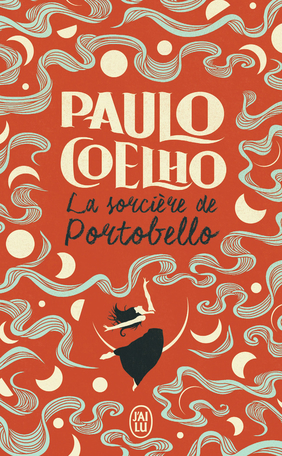
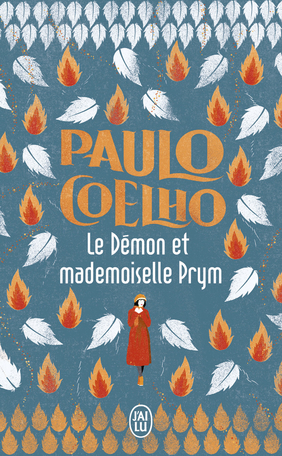
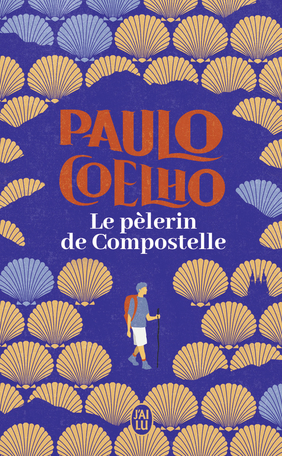
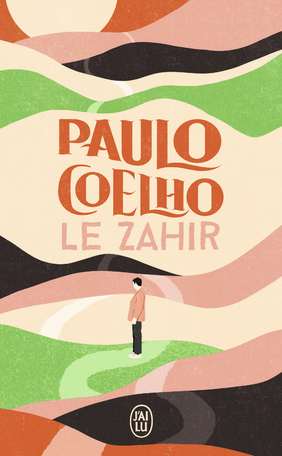
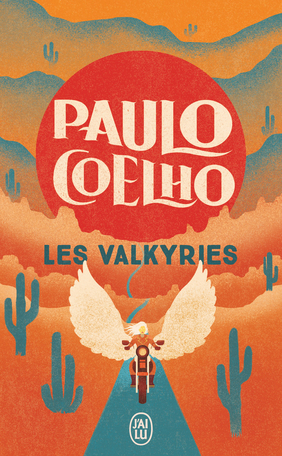
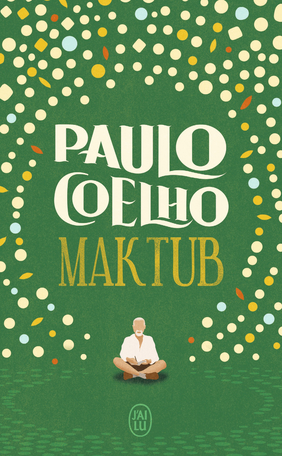
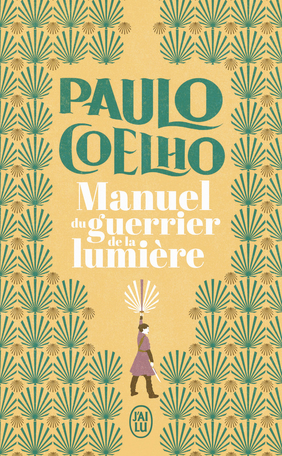
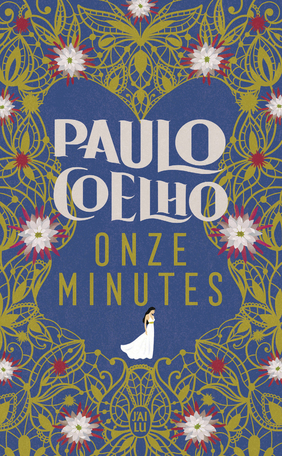
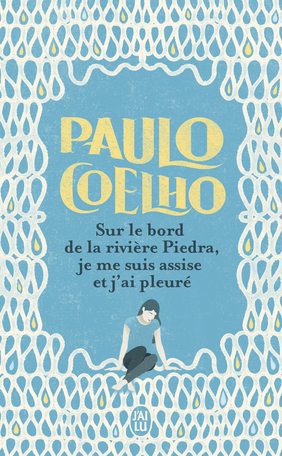
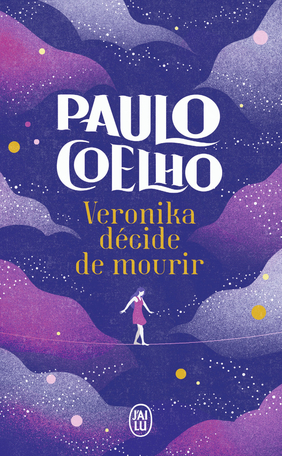
Crime fiction, thrillers and general literature form other pillars of its catalogue. J’ai lu has published paperback editions of works by Fred Vargas, Anna Gavalda, Michel Houellebecq, Virginie Despentes, Paulo Coelho, Gilles Legardinier and Olivier Norek. These publications demonstrate that its work extends beyond reprinting successes from other publishing houses: it involves editorial selection, consideration of different audiences, the creation of identifiable collections and, in some sectors, the publication of previously unreleased works.
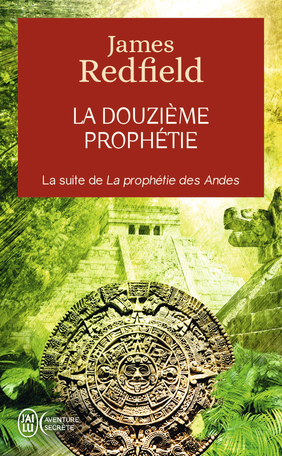
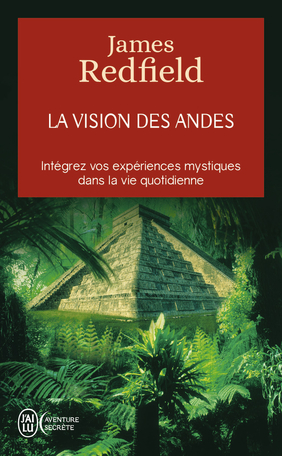
This diversity also extends beyond fiction. J’ai lu has published books devoted to history, social issues, wellbeing, spirituality and practical subjects. At different points in its history, it also explored comics and manga, helping distribute European and Japanese series in smaller formats. Some of these activities have since disappeared or changed form, but they reflect the house’s ongoing willingness to explore new reading practices.
Historically linked to Flammarion, which played an essential role in its creation and development, J’ai lu now belongs to the family-owned Madrigall group, built around Gallimard. This affiliation should not obscure its distinct identity: J’ai lu has its own editorial direction, history and collections. The house differs from Flammarion particularly through its focus on accessible formats, genre literature and the distribution of a remarkably varied catalogue.
More than six decades after its foundation, J’ai lu remains associated with a lively, popular approach to reading. Its influence rests not only on print runs or the fame of particular authors, but also on its contribution to the circulation of books and the recognition of literary genres that have gradually acquired a central place in contemporary culture.
History
Before 1958: Frédéric Ditis and the origins of a new approach to popular publishing
The history of J’ai lu begins with the career of Frédéric Ditis, a publisher whose initiatives helped transform the distribution of popular books in France.
In 1945, Ditis founded a publishing house in Geneva specialising notably in crime fiction. He established the Détective-Club collection, devoted to crime stories and translated works. The business subsequently expanded into Paris and developed several collections whose graphic presentation was an essential part of their identity.
At the time, popular publishing was undergoing profound changes. Paperback editions, inexpensive publications and specialised collections responded to a growing readership eager to purchase more books without paying the prices associated with traditional editions.
Frédéric Ditis also understood that a book’s success depended heavily on its distribution. Faced with commercial difficulties affecting some collections, he experimented with selling them through Prisunic department stores, then present in many French towns and cities. This strategy allowed him to reach readers who did not necessarily visit bookshops.
The success of this experiment encouraged him to develop La Chouette, a crime fiction collection featuring particularly striking illustrated covers, notably through the work of artist Giovanni Benvenuti.
These initiatives directly prepared the creation of J’ai lu. They were based on an approach combining the content of books with their presentation, price and commercial availability. Paperbacks were no longer regarded merely as reduced versions of traditional editions, but as publishing products with their own requirements and possibilities.
1958: The birth of J’ai lu and the democratisation of paperback publishing
In 1958, Frédéric Ditis helped establish J’ai lu, with decisive support from the Flammarion family and the involvement of several French publishers.
The new company emerged in a market where Le Livre de poche, launched in 1953, had already begun transforming reading habits. Its development demonstrated that a literary catalogue could reach a considerable audience through inexpensive formats, attractive presentation and extensive distribution.
J’ai lu intended to participate in this transformation while developing its own model. The project benefited from Ditis’s commercial experience and the support of publishing houses such as Flammarion, Robert Laffont, Plon, Mercure de France and Le Seuil, all interested in new distribution opportunities for their catalogues.
The Flammarion family held a central position in the company’s ownership from the beginning. This relationship gave J’ai lu access to a wide variety of works and allowed it to operate within a strong publishing environment.
The house adopted an inexpensive paperback format and favoured illustrated covers designed to attract attention. It also sought to multiply points of sale, particularly through mass-market retail outlets.
This combination was one of J’ai lu’s distinctive characteristics. The publisher did not merely reproduce the existing literary market: it helped expand the places and occasions in which readers could discover and purchase books.
1958–1960: Don Camillo, Colette and the first successes
The first J’ai lu volumes immediately demonstrated the diversity sought by the publishing house.
Volume number 1 was Le Petit Monde de Don Camillo by Giovannino Guareschi, a popular Italian work depicting the rivalry between a priest and a communist mayor in postwar Italy.
Volume number 2 was Le Blé en herbe by Colette, while subsequent publications included Le Train de 8 h 47 by Georges Courteline, Un Américain bien tranquille by Graham Greene and Confession de minuit by Georges Duhamel.
This succession of titles illustrates an essential editorial direction. J’ai lu sought to bring together recognised literary works, popular novels and international fiction without imposing a rigid distinction between different categories of readers.
The earliest books featured colourful covers, notably designed by Giovanni Benvenuti, which contributed to their commercial visibility. Graphic identity became an important means of distinguishing titles on shelves and at points of sale.
Distribution initially focused primarily on Prisunic stores, at a time when some booksellers remained reluctant to accept inexpensive editions and their sale outside traditional bookshops.
The success of paperback editions of novels by Guy des Cars subsequently helped strengthen J’ai lu’s position in bookshops. Particularly popular with French readers, the author became one of the house’s first major commercial driving forces.
This period demonstrated that the paperback format could extend the life of literary works and allow them to reach a considerably broader readership.
The 1960s: Adventure, history and new fields for paperback publishing
Following its early successes, J’ai lu gradually developed specialised collections.
In 1962, the house notably launched Leur aventure, devoted to historical narratives, eyewitness accounts and military events, particularly those connected with the two world wars.
The success of these books reflected the public’s interest in firsthand accounts, contemporary history and major human experiences. Publications combined personal testimonies with documentary narratives, generally written for a non-specialist audience.
Other collections, such as L’Aventure aujourd’hui, explored more recent events, investigations, espionage and changes in the contemporary world.
J’ai lu also developed L’Aventure mystérieuse, devoted to subjects bordering on spirituality, belief systems and the exploration of unexplained phenomena.
These editorial directions reflected a desire to identify reading interests that did not always find a place in traditional literary collections.
The house thus accompanied the expansion of popular culture, in which historical narratives, adventure, mystery and discovery occupied an important position.
1963–1969: Crime fiction continues Ditis’s publishing legacy
Crime fiction naturally became one of the first specialised fields developed by J’ai lu.
From 1963, the house published a J’ai lu policier collection that notably reissued titles previously associated with Ditis’s publishing ventures and Frédéric Ditis’s earlier collections.
The first volume in this series was Le Baron et le Poignard by Anthony Morton. Publications included crime plots, detective stories and action novels, following a tradition that combined entertainment, suspense and recurring characters.
For a time, the collection retained the owl emblem already used by Ditis, establishing a visual continuity with his previous publishing enterprises.
This field allowed J’ai lu to build loyalty among readers particularly attached to series and genres. Readers could discover new books through a familiar collection identity without necessarily knowing every author.
Crime fiction subsequently remained an important part of the catalogue, with an offering that gradually expanded into psychological thrillers, historical mysteries and contemporary crime narratives.
1967–1970: Promotion and distribution become publishing innovations
By the late 1960s, J’ai lu was strengthening its commercial activities through particularly visible promotional methods.
In 1967, the publisher developed advertising campaigns to support the distribution of its books. This strategy reflected an important market evolution: paperback publishers were no longer content merely to offer inexpensive titles, but sought to build recognisable brands and attract readers directly.
In 1970, J’ai lu introduced a display system that allowed several volumes to be presented on a counter or within a limited retail space.
This type of equipment helped develop point-of-sale advertising, increasing the visibility of books and collections in shops.
Such innovations may seem ordinary today, but they reflected a transformation in publishing. The book became an object whose presentation, placement in retail outlets and promotional communication directly influenced its circulation.
J’ai lu therefore participated in the development of popular book marketing by bringing together editorial choices, graphic design and distribution techniques.
1970: Jacques Sadoul brings science fiction into a new era
The year 1970 marked a major turning point with the development of the J’ai lu Science-fiction collection under the direction of Jacques Sadoul.
A writer, anthologist and specialist in popular literature, Sadoul played a decisive role in gaining wider recognition for science fiction among French readers. His ambition was to offer important works of the genre in inexpensive editions and within a catalogue capable of reaching a broad audience.
The earliest publications notably included works by Arthur C. Clarke, Theodore Sturgeon, Isaac Asimov and A. E. van Vogt. Subsequent years saw the arrival or expansion of works by Philip K. Dick, Clifford D. Simak, Jack Vance, Richard Matheson and many others.
Novels such as 2001 : L’Odyssée de l’espace, Les Plus qu’humains, Le Monde des Ā, Les Cavernes d’acier and Loterie solaire introduced readers to different approaches to science fiction, from space exploration to questions about identity, technology and the organisation of societies.
Jacques Sadoul’s editorial policy was not based exclusively on novels. It also included short story collections and anthologies exploring the history of the genre, particularly works originally published in major American magazines.
J’ai lu gradually became one of the most familiar names among French science fiction readers. The collection helped establish these works within popular culture by giving them availability and visibility beyond established fan communities.
The 1970s: Illustrated covers and the emergence of a visual culture of speculative fiction
The development of science fiction was accompanied by considerable attention to the visual identity of its books.
J’ai lu commissioned illustrators and artists such as Tibor Csernus, Wojtek Siudmak, Philippe Druillet, Caza, Chris Foss and Sergio Macedo, whose creations helped shape the visual imagination of several generations of readers.
The covers did more than represent events from a novel. They often offered strange, futuristic or symbolic visions that contributed to the collections’ appeal.
This attention to illustration accompanied the development of fantasy, horror and science fiction as visual cultures in their own right. Books became recognisable through their graphic worlds as well as their authors.
J’ai lu also published anthologies such as the Univers series, allowing readers to discover short fiction and authors representing different tendencies within science fiction.
The work on both texts and images helped give the genre a strong publishing identity. It also accompanied an evolution in readership, as readers increasingly recognised certain collections as privileged spaces for discovery.
The 1970s–1980s: Romance fiction and changing reading habits
Alongside the rise of science fiction, J’ai lu strengthened its activities in romance publishing.
The house published novels for readers interested in love stories, extensive family sagas and narratives exploring human relationships.
In 1977, it notably began publishing works by Barbara Cartland in France, a British novelist whose extraordinary output and international success illustrated the commercial importance of romantic fiction.
This direction followed an established tradition of popular literature, but J’ai lu helped renew the ways in which such books were distributed.
Cover designs, identifiable collections and regular publication schedules allowed readers to return to narrative worlds that matched their interests.
The publisher gradually developed a detailed understanding of different romance audiences, preparing the creation of more specialised collections in subsequent years.
This activity would become one of its principal fields, eventually giving rise to a clearly identified publishing range under the name J’ai lu pour Elle.
1982–1986: A change in leadership and diversification of formats
At the beginning of the 1980s, J’ai lu underwent several internal changes.
In 1982, Frédéric Ditis stepped down from his management responsibilities. Charles-Henri Flammarion succeeded him, while Jacques Sadoul continued his role in developing the catalogue and speculative fiction.
The company retained its popular publishing vocation while also seeking to explore new formats and fields.
In 1986, J’ai lu launched a collection devoted to comics in paperback format. This initiative involved adapting comic series and graphic works into books smaller than traditional albums.
Artists such as Franquin, Gotlib and Binet were among the creators whose works appeared in this format.
The project offered economic and practical advantages, particularly the possibility of discovering certain comics at a lower price than conventional large-format albums.
However, it also involved specific constraints: reducing artwork and changing formats could affect the readability of drawings, lettering and page layouts.
This experiment reflected J’ai lu’s willingness to apply paperback principles to other creative forms, even when adapting them required complex editorial decisions.
1991: Aventures et Passions renews historical romance
In the early 1990s, romance fiction underwent another significant development with the launch of Aventures et Passions in 1991.
The collection was developed at the initiative of Jacques Sadoul, who was interested in forms of historical romance particularly popular in English-speaking countries.
These novels featured characters living in a variety of historical settings, frequently revolving around family conflicts, social conventions, differences in status and romantic relationships.
The collection distinguished itself through heroines with assertive personalities, narratives placing romantic developments at their centre and a more direct graphic presentation than that of some traditional romance collections.
It helped introduce French readers to authors such as Johanna Lindsey, Lisa Kleypas, Mary Balogh, Julia Quinn and other important figures in historical romance.
The success of this editorial direction gradually allowed J’ai lu to organise several categories: historical, contemporary, paranormal, erotic and suspense romance.
Aventures et Passions became one of the catalogue’s emblematic collections, illustrating the publisher’s ability to identify changes in readership and give them a lasting editorial identity.
1994: Librio and the return of the ultra-low-cost book
In 1994, J’ai lu participated in the launch of Librio, a collection based on the principle of exceptional affordability.
The first titles notably included works such as Le Horla by Guy de Maupassant and La Métamorphose by Franz Kafka, offered in short formats at particularly low prices.
Librio revived some of the principles that had accompanied J’ai lu’s beginnings: simplifying physical presentation, limiting production costs and encouraging wide distribution.
The collection made short stories, literary narratives, classics and works from different genres available to readers who wanted to discover a text without investing in a more expensive edition.
This approach helped renew access to shorter literary works, particularly for school reading, occasional readers and those discovering the classics.
Librio subsequently evolved within Flammarion’s publishing environment, developing its own distinct identity. Its history nevertheless illustrates the continuity between J’ai lu’s commercial experiments and the new forms of inexpensive publishing that emerged in the 1990s.
1996: J’ai lu Manga helps bring Japanese comics to French readers
In 1996, J’ai lu developed a collection devoted to manga, at a time when Japanese comics were experiencing rapid growth in France.
The publisher notably released City Hunter by Tsukasa Hōjō, alongside series such as Captain Tsubasa, Orange Road, Ken le Survivant, Fly, Racaille Blues and JoJo’s Bizarre Adventure.
These publications allowed a new generation of readers to discover Japanese manga in paperback-like formats, generally priced below traditional European comic albums.
J’ai lu’s publishing policy belonged to a period when the French manga market was still defining its formats, translation practices and distribution networks. Publishers experimented with different presentations, sometimes far removed from the characteristics of the original Japanese editions.
Some works published by J’ai lu were subsequently released by other publishers in new translations or different editions.
Manga did not become a permanent specialisation of the company. Nevertheless, this activity remains an important chapter in its history and in the wider distribution of Japanese comics in France.
It also demonstrates that J’ai lu explored several forms of popular culture before gradually refocusing on its principal literary fields.
The late 1990s: Nouvelle Génération and contemporary writing
At the end of the twentieth century, J’ai lu developed initiatives intended to accompany new forms of writing.
In 1997, the Nouvelle Génération imprint notably highlighted authors such as Virginie Despentes and Michel Houellebecq, whose works occupied an important place in the transformation of French literature during this period.
These writers explored subjects such as social violence, sexuality, human relationships, cultural change and the contradictions of contemporary society.
Their presence in the J’ai lu catalogue demonstrates the importance of paperback republication in the reception of recent literary works.
Paperback editions allow novels to continue circulating after their initial publication, encounter a wider audience and sometimes gradually acquire lasting recognition.
This activity plays an essential role in the relationship between J’ai lu and other publishing houses, whose books can benefit from renewed distribution through its collections.
The 2000s: Fantasy, major sagas and reader loyalty
At the beginning of the twenty-first century, J’ai lu accompanied the considerable growth of fantasy and extensive novel series.
Works by Robin Hobb, particularly those set in the universe of L’Assassin royal, played an important role in this development. Their publication across multiple paperback volumes encouraged the gradual discovery of particularly extensive fictional cycles.
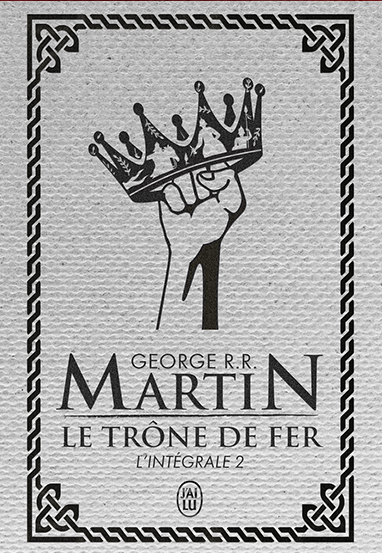
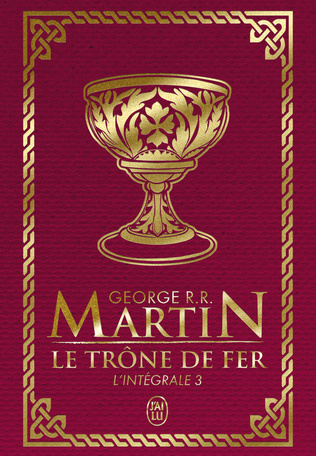
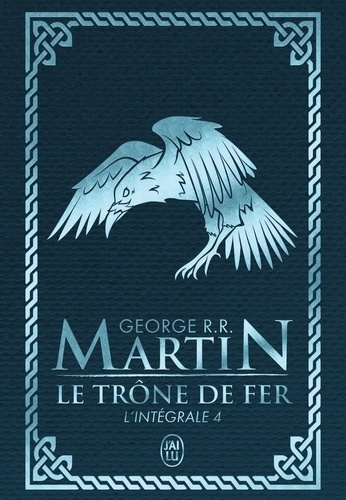
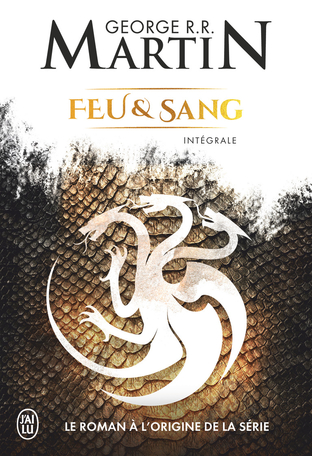
The house also published paperback editions of George R. R. Martin’s Le Trône de fer, whose original French large-format editions were issued by Pygmalion. The versions offered by J’ai lu helped bring the series to a broader audience.
Stephen King’s La Tour sombre illustrated another direction, positioned between fantasy, supernatural fiction and horror.
These publications revealed the specific requirements involved in publishing extensive sagas. Cover continuity, volume organisation, translation consistency and the continued availability of individual books all play a decisive role in the reader’s experience.
J’ai lu therefore contributed to the spread of fantasy as a lasting reading practice, based on attachment to fictional worlds, characters and stories developed across multiple volumes.
The 2000s–2010s: Crime fiction, general literature and major popular successes
The house continued developing its activities in general literature and crime fiction.
Paperback editions of Fred Vargas, in particular, helped disseminate a distinctive body of French crime fiction built around unusual characters, complex plots and an immediately recognisable atmosphere.
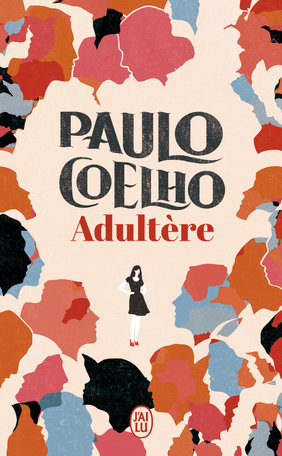
The catalogue also included works by Anna Gavalda, whose novels and short stories attracted a particularly broad readership, alongside texts by Paulo Coelho, Gilles Legardinier, Michel Houellebecq and other contemporary writers.
These publications demonstrate that J’ai lu is not defined solely by its specialised collections. General literature, bestselling fiction and works that circulate across successive generations remain essential to its activities.
The growth of thrillers also accompanied changes within crime fiction, with increasing emphasis on psychological investigations, criminal narratives and contemporary suspense.
J’ai lu thus consolidated a catalogue in which several genres could coexist without being confused, each benefiting from an appropriate presentation and editorial policy.
2011: Nouveaux Millénaires and the publication of speculative fiction in larger formats
In 2011, J’ai lu launched Nouveaux Millénaires, a collection devoted to speculative fiction, particularly contemporary science fiction.
This initiative marked an important evolution: a publishing house historically associated with paperbacks was also developing original publications in larger formats.
Under the direction of Thibaud Eliroff, Nouveaux Millénaires welcomed French and international writers whose works explored technological transformations, possible futures, political systems and the boundaries between different forms of imaginative fiction.
Early titles notably included Idlewild by Nick Sagan, Palimpseste by Charles Stross, Création by Johan Heliot and volumes from La Saga Vorkosigan by Lois McMaster Bujold.
The collection subsequently published writers such as Ben Aaronovitch, Ann Leckie, N. K. Jemisin, Tade Thompson and Arkady Martine, helping introduce new voices in international science fiction.
This direction demonstrated that J’ai lu was no longer limited to republishing previously released texts. The house also participated in discovering and translating new works, building on its expertise in genre literature.
2012: Integration into the Madrigall group
In 2012, the acquisition of the Flammarion group by Gallimard led to J’ai lu’s integration into the new publishing organisation Madrigall.
This transaction represented an important transformation in the economic environment of a house historically linked to the Flammarion family since its foundation.
J’ai lu became part of a group comprising several houses and imprints with different identities, including Gallimard, Flammarion, Casterman, Denoël and other specialised publishers.
The merger created opportunities for coordination in distribution, logistics and commercial activities while maintaining distinct catalogues.
J’ai lu’s position remained particularly associated with paperbacks, republication, popular genres and certain original publications.
Its own editorial activity must therefore be distinguished from that of other publishers within the group. A book published by Flammarion or Gallimard should not be attributed to J’ai lu unless a specific edition has actually appeared under its imprint.
The 2010s: The consolidation of J’ai lu pour Elle
Throughout the 2010s, J’ai lu considerably strengthened its romance publishing activities.
The J’ai lu pour Elle imprint brought together different specialised collections and offered readers a structured range covering the many forms of romantic fiction.
Nora Roberts occupied a major place within this catalogue, notably through novels combining romantic relationships, suspense and family sagas, as well as through the futuristic investigations of the Lieutenant Eve Dallas series.
Other authors such as Lisa Kleypas, Julia Quinn, Diana Gabaldon, Sylvia Day, Mary Balogh, Jennifer L. Armentrout and Cassandra O’Donnell contributed to the variety of the offering.
Historical romance retained an important place through Aventures et Passions, but the catalogue also opened up to contemporary, paranormal, fantasy and suspense romance.
This diversification allowed J’ai lu to accompany international developments within the genre while creating collection identities suited to different reader preferences.
The house therefore participated in the transformation of romance into a structured publishing sector whose audiences, narrative conventions and distribution practices continue to evolve.
2018: J’ai lu celebrates sixty years and renews its collections
In 2018, J’ai lu celebrated its sixtieth anniversary.
The house used the occasion to revisit its role in democratising paperback publishing, from its earliest sales in Prisunic stores to the development of its major specialised collections.
Its catalogue had expanded considerably since 1958 through publications in general literature, science fiction, romance, crime fiction, humour and nonfiction.
The anniversary was also accompanied by new publishing initiatives.
The LJ imprint was launched to publish romantic comedies, while #Exclusif developed romance publications connected with contemporary themes.
J’ai lu also explored new forms of nonfiction and continued updating the graphic identity of certain collections.
These projects reflected a strategy combining the development of an established catalogue with the identification of new audiences, particularly in genres whose reception was changing rapidly.
The anniversary also highlighted J’ai lu’s contribution to the commercial history of French publishing: the multiplication of retail outlets, advertising campaigns, economical formats and recognisable collections.
Since 2020: Changing genres and reading practices
During the 2020s, J’ai lu continued operating in a publishing environment shaped by the growth of digital media, the diversification of reading habits and the evolution of literary communities.
Paperbacks remained central to its identity, but digital editions and complementary formats also occupied an important position in several areas of the catalogue.
Romance continued to benefit from specialised collections and distribution channels, while speculative fiction remained associated with a substantial heritage of science fiction and fantasy.
General literature, thrillers, nonfiction and practical books also contributed to the diversity of its output.
Digital distribution notably allowed certain titles to remain available for longer and responded to reading practices on e-readers, tablets and smartphones.
Market transformations nevertheless required new editorial decisions: maintaining the backlist, redesigning covers, managing series, improving the visibility of new publications and adapting formats.
The recent history of J’ai lu thus continues its founding ambition: making books accessible while adapting the means of distributing them to changes in reading habits and audiences.
What Sets It Apart
A publishing house that helped democratise paperbacks
J’ai lu’s first distinctive characteristic lies in its role in transforming French reading habits.
When the house appeared in 1958, paperback publishing was already experiencing considerable growth, but its market and distribution networks were still evolving.
J’ai lu participated in this transformation by combining affordable prices, manageable formats, attractive covers and extensive distribution.
Its originality lay particularly in the experience of Frédéric Ditis, who understood early on that books could find readers beyond traditional bookshops.
Distribution through department stores helped make books part of everyday shopping. It allowed the publisher to reach audiences who did not necessarily identify with the usual places and conventions of literary culture.
This approach also transformed the economics of reading: purchasing several books became more affordable, particularly for readers attached to series and popular genres.
The recognition of genre literature
J’ai lu occupies an important place in the history of the recognition of popular literary genres.
Science fiction, fantasy, crime fiction and romance long faced cultural hierarchies that placed them on the margins of what was considered legitimate literature.
By developing specialised collections, J’ai lu helped give these genres visibility, organisation and editorial continuity.
The collections allowed readers to discover older and contemporary works, follow authors and explore different movements within a particular genre.
Readers no longer selected only an isolated novel: they could recognise an editorial direction and gradually deepen their understanding of a literary field.
This contribution extends beyond the commercial success of individual titles. It helped create genuine reading cultures, with their own references, major writers and communities of enthusiasts.
Jacques Sadoul and the creation of a science fiction heritage
The influence of Jacques Sadoul represents one of J’ai lu’s most significant distinctive characteristics.
His work helped introduce major science fiction authors to French readers while building an editorial memory of the genre.
The publication of works by Isaac Asimov, Philip K. Dick, Arthur C. Clarke, Theodore Sturgeon and A. E. van Vogt allowed readers to discover very different approaches to speculative fiction.
Some works examined the consequences of scientific progress, while others explored the boundaries of human consciousness, social structures or the paradoxes of reality.
Anthologies and reissues extended this work by providing access to short stories and texts that were sometimes difficult to find.
J’ai lu therefore helped establish science fiction as a literary field with its own classics, traditions and innovations, rather than merely a category of entertainment.
A visual identity associated with speculative fiction
J’ai lu’s covers form an important part of its cultural history.
From its earliest years, the publisher paid particular attention to illustration, regarding it as an essential element in the commercial visibility of books.
This approach acquired new importance with science fiction, fantasy and supernatural fiction.
The creations of Wojtek Siudmak, Tibor Csernus, Caza, Philippe Druillet and Chris Foss, among other illustrators, helped establish a recognisable visual language.
Their works offered futuristic visions, strange landscapes, fantastical creatures and symbolic compositions that sometimes went far beyond straightforward narrative illustration.
These covers marked several generations of readers and now form part of the visual memory of paperback publishing.
They remind us that publishing also involves illustration, typography and graphic design, in which the appearance of a book can contribute to its cultural identity.
Fantasy and the publication of major sagas
The publication of extensive novel cycles is another important speciality of J’ai lu.
The fictional worlds of Robin Hobb, George R. R. Martin and Stephen King require a different approach from that of a standalone novel.
The publisher must organise volumes, maintain graphic consistency, oversee translations and keep individual instalments available.
These decisions become particularly important when a saga contains numerous characters, several interconnected plots and an extensive chronology.
A paperback publishing strategy allows readers to discover these works progressively, often at a more affordable price than large-format editions.
J’ai lu therefore contributes to the circulation of fantasy as a lasting reading practice, based on attachment to fictional worlds, characters and stories developed over multiple volumes.
J’ai lu pour Elle: A major specialisation in romance
Through J’ai lu pour Elle, the house developed a strong identity in a field long underestimated by parts of the literary establishment.
Romance nevertheless encompasses very different forms: historical narratives, contemporary stories, paranormal plots, romantic suspense and works centred on family relationships.
Specialising its catalogue allows the publisher to distinguish these approaches and offer readers collections suited to their expectations.
The importance given to female authors, series and recurring fictional worlds also encourages reader loyalty.
The house therefore accompanies the evolution of a genre in which character representation, romantic conventions and social expectations change over time.
Romance is consequently much more than a secondary sector of the J’ai lu catalogue: it represents one of the areas in which the publisher has developed genuine expertise in selection, translation and distribution.
An ability to explore new popular publishing fields
The history of J’ai lu demonstrates a recurring willingness to experiment with new publishing territories.
Crime fiction, historical narratives and science fiction were among its first major areas of diversification. Romance, practical books, comics and manga subsequently extended this approach.
Not all these initiatives enjoyed the same lifespan or success. Some collections disappeared, while others were transformed or saw their titles taken over by specialised publishers.
Nevertheless, these experiments reveal an essential characteristic: J’ai lu developed through observing readers and the evolution of their interests.
The house did not always seek to impose a predetermined definition of literature. It often accompanied emerging cultural practices by offering formats and collections suited to them.
This openness helps explain part of its influence on French popular culture.
Paperbacks as a second life for literary works
J’ai lu’s activities rely heavily on republication, but this function should not be regarded as simple reproduction.
When a book appears in paperback, it often changes audience, context and reading conditions.
A work originally released in a larger format can benefit from wider distribution, be discovered several years after its first publication and become a lasting presence in bookshops.
This process requires title selection, decisions about translations, cover designs, introductory texts and commercial conditions.
Paperback editions of works by Fred Vargas, Anna Gavalda, Paulo Coelho and George R. R. Martin illustrate this circulation between different stages in a book’s publishing life.
J’ai lu therefore contributes to the development of lasting catalogues, in which a novel does not necessarily disappear after its initial publication period.
Formats adapted to content and audiences
Although its name is historically associated with paperbacks, J’ai lu has gradually developed complementary formats.
Paperback collections respond to requirements of affordability, portability and wide distribution.
Larger-format editions, particularly in speculative fiction, make it possible to publish certain original works or extensive novel cycles.
Digital publications extend this diversification by offering other ways of reading and storing books.
This coexistence demonstrates that J’ai lu’s identity is not based on a single physical format.
Its fundamental editorial principle is to adapt books to their content, readership and the conditions in which they will be discovered.
A distinctive place within the Madrigall group
Membership of Madrigall places J’ai lu within a publishing organisation that includes several historic French houses.
This structure does not, however, erase its own identity.
While Gallimard is notably associated with literary creation, humanities and major heritage collections, and Flammarion with a long general-interest publishing tradition, J’ai lu has a strong specialisation in accessible books and popular genres.
The three houses maintain historical and economic relationships, but their catalogues are not interchangeable.
J’ai lu’s distinctiveness lies in its ability to circulate a particularly varied range of literature, support genre publishing and adapt its collections to changing readerships.
This complementary role helps explain the place it occupies within French publishing.
Did You Know?
-
Founded in 1958: J’ai lu was established under the impetus of Frédéric Ditis, with the support of the Flammarion family. Its creation formed part of the expansion of paperback publishing following the launch of Le Livre de poche in 1953.
-
An unusual commercial origin: Before J’ai lu, Frédéric Ditis had experimented with distributing crime fiction collections through Prisunic stores. This experience played a decisive role in the new publishing house’s initial strategy.
-
An Italian first title: The first J’ai lu volume was Le Petit Monde de Don Camillo by Giovannino Guareschi. The second was Le Blé en herbe by Colette, illustrating the catalogue’s diversity from the very beginning.
-
The earliest covers: Artist Giovanni Benvenuti contributed to the visual identity of the first volumes, whose colourful covers were designed to stand out at retail outlets.
-
A crime fiction tradition predating J’ai lu: Frédéric Ditis established Détective-Club as early as 1945. His experience in crime fiction publishing therefore preceded the creation of J’ai lu by more than a decade.
-
Jacques Sadoul and science fiction: The J’ai lu Science-fiction collection appeared in 1970 and became one of the major French references for the genre. Sadoul played an essential role in its development and in introducing numerous international writers.
-
Illustrators who became iconic: J’ai lu’s science fiction covers notably featured work by Wojtek Siudmak, Tibor Csernus, Caza, Philippe Druillet and Chris Foss.
-
A historic involvement in comics: J’ai lu developed a paperback comics collection from 1986, notably including works by Franquin, Gotlib and Binet. This activity should not be confused with the current publications of specialised publishers within the same group.
-
A former manga publisher: From 1996, J’ai lu published several Japanese series, including City Hunter, Captain Tsubasa, Orange Road, Ken le Survivant and JoJo’s Bizarre Adventure. This activity belongs to its historic catalogue and is no longer a permanent specialisation of the house.
-
Aventures et Passions: Launched in 1991, this collection contributed to the development of historical romance in France and remains one of the landmark collections associated with J’ai lu pour Elle.
-
A contribution to Librio: J’ai lu participated in the launch of the inexpensive Librio collection in 1994, offering short texts at exceptionally low prices. The imprint subsequently continued its history within Flammarion’s publishing environment.
-
Nouveaux Millénaires: Established in 2011, this collection marked an expansion into original science fiction and fantasy in larger formats, with writers such as Charles Stross, Lois McMaster Bujold, Ann Leckie and N. K. Jemisin.
-
A sixtieth anniversary in 2018: J’ai lu celebrated sixty years of publishing by highlighting its historic collections and developing new initiatives, including the LJ imprint devoted to romantic comedies.
-
J’ai lu pour Elle: This publishing identity brings together several romance collections and has a dedicated website at https://www.jailupourelle.com/.
-
A publishing house distinct from its group: J’ai lu has been part of Flammarion’s publishing environment since its beginnings and of the Madrigall group since 2012. Books issued by Gallimard, Flammarion, Casterman or other publishers in the group should not be attributed to J’ai lu unless a J’ai lu edition actually exists.