
Overview
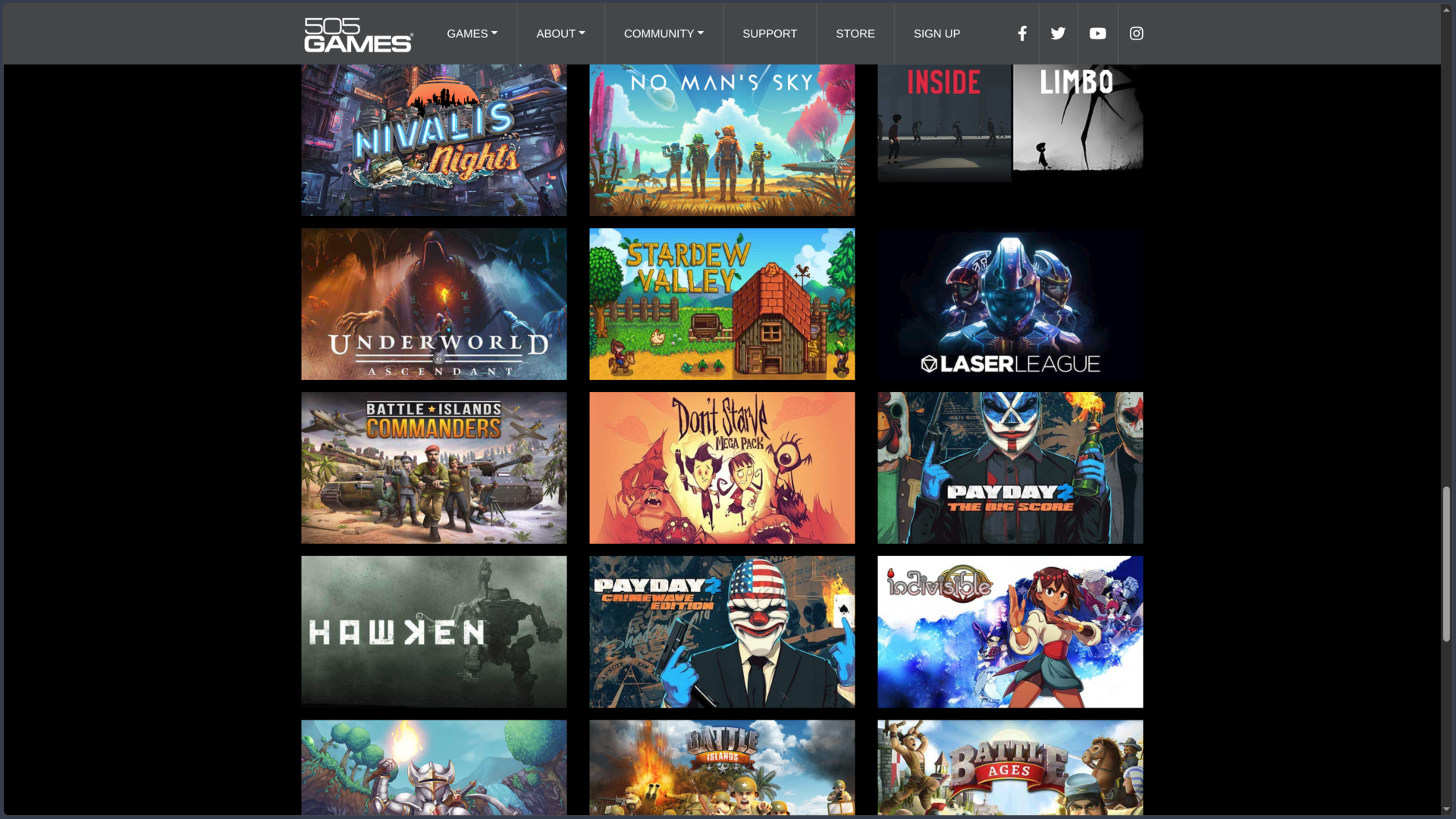
505 Games is an international video game publisher belonging to the Italian group Digital Bros. Its role consists of selecting, financing, supporting, publishing and distributing productions for consoles, PC and mobile platforms, across both the Premium and Free-to-Play segments.
The company occupies a different position from that of a publisher built primarily around a few historic studios or franchises developed internally for several decades. A large part of 505 Games’ identity instead comes from its ability to work with very different independent teams, then build longer-term relationships around certain collaborations.
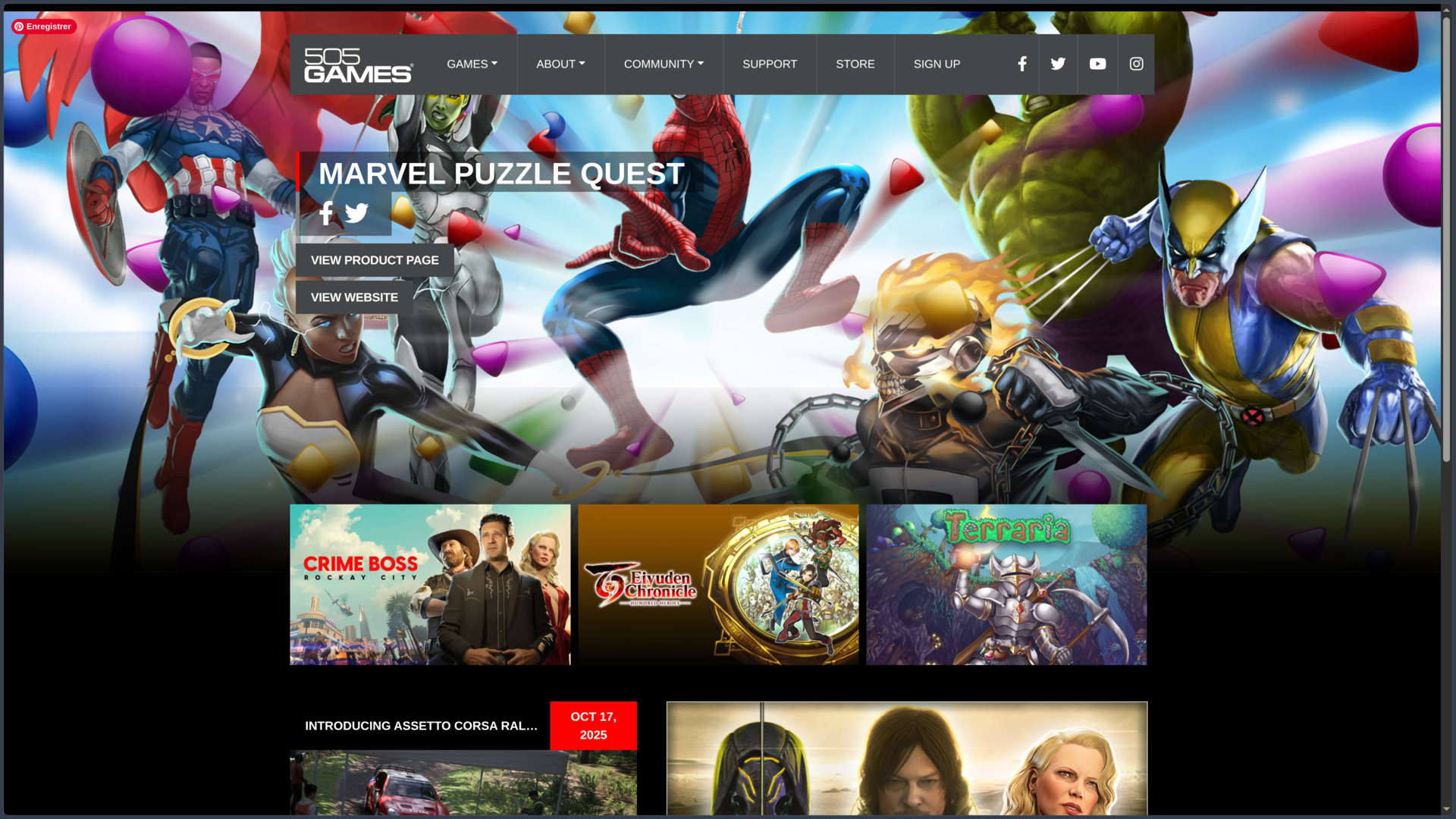
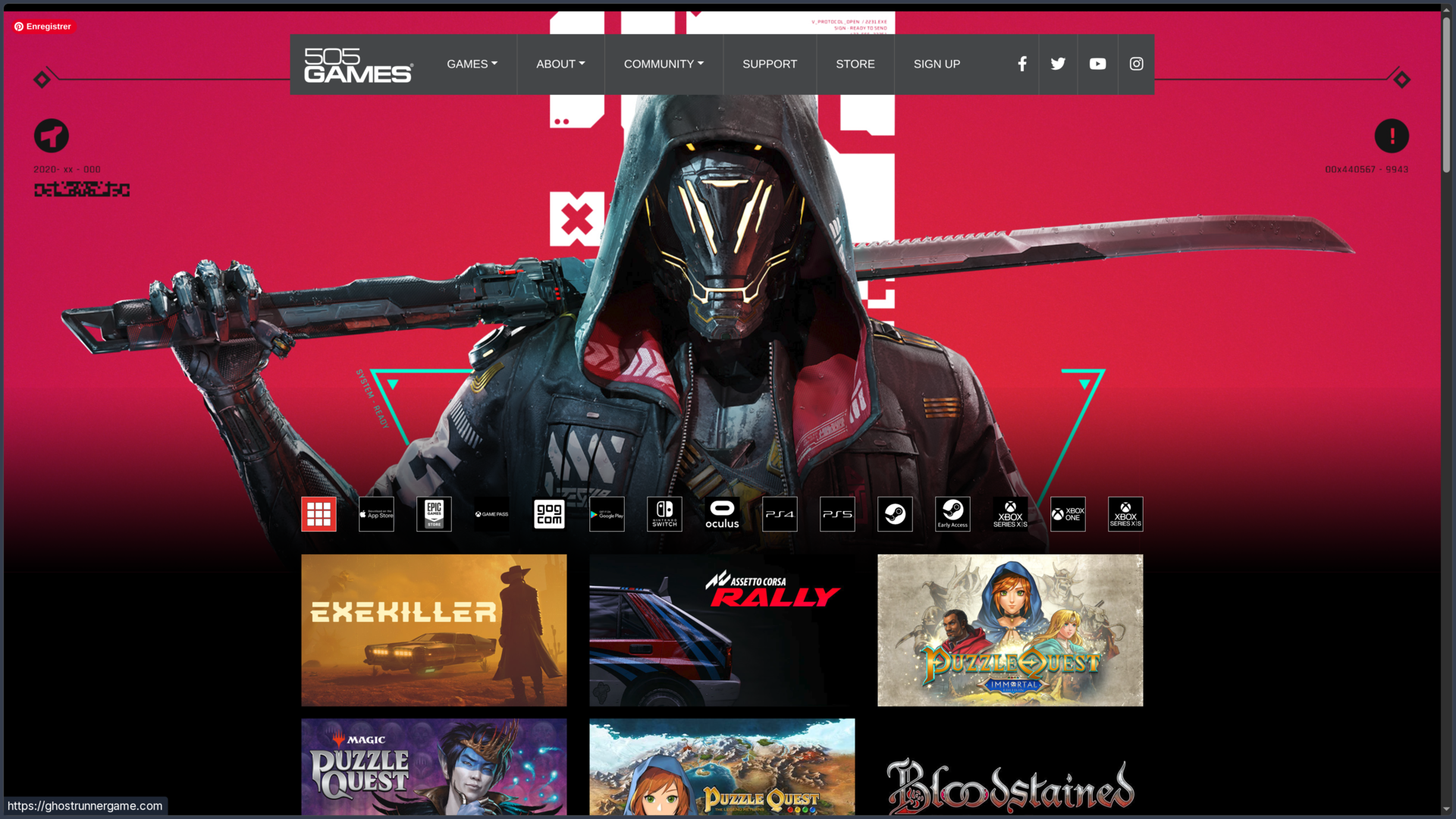
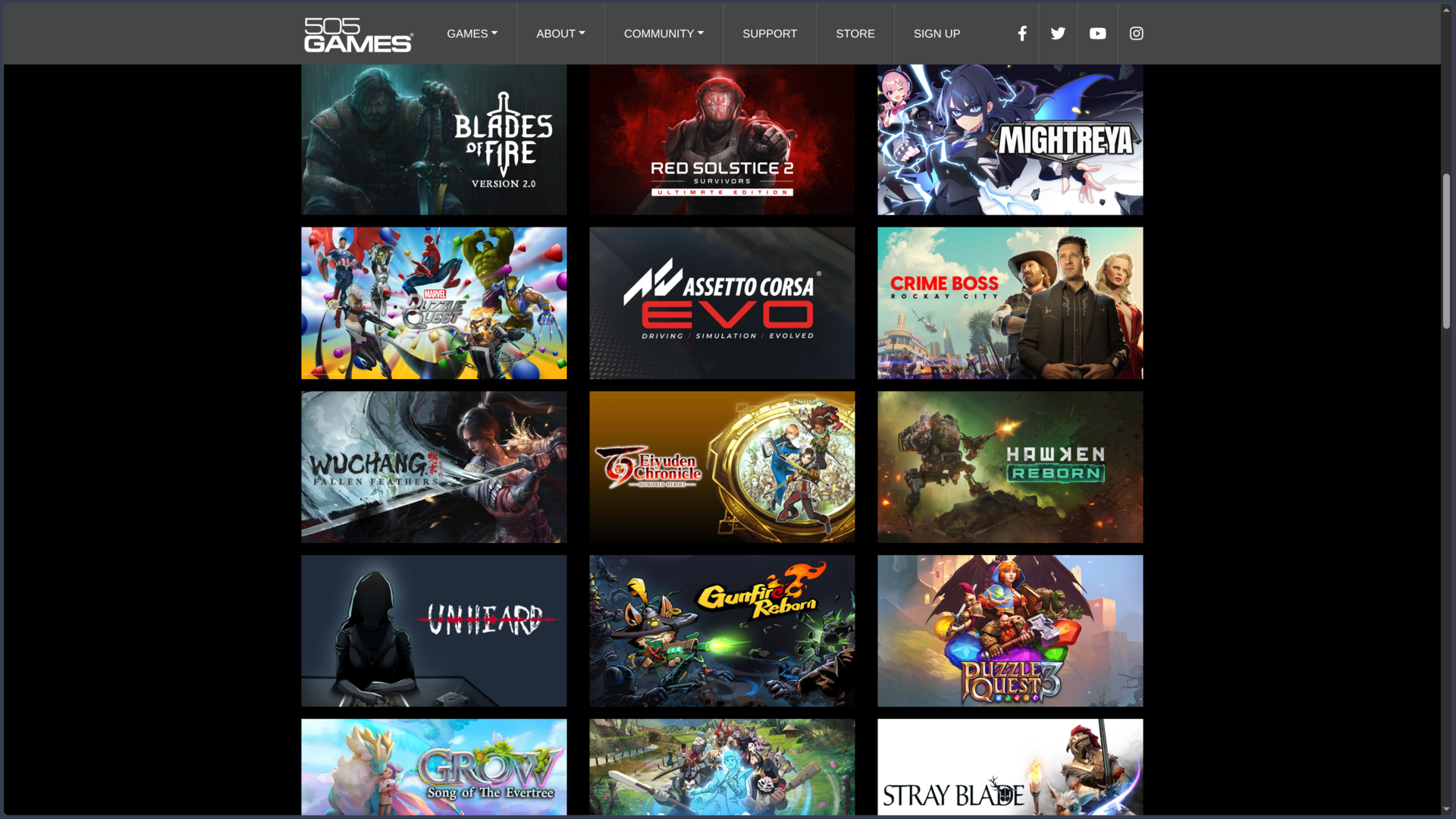
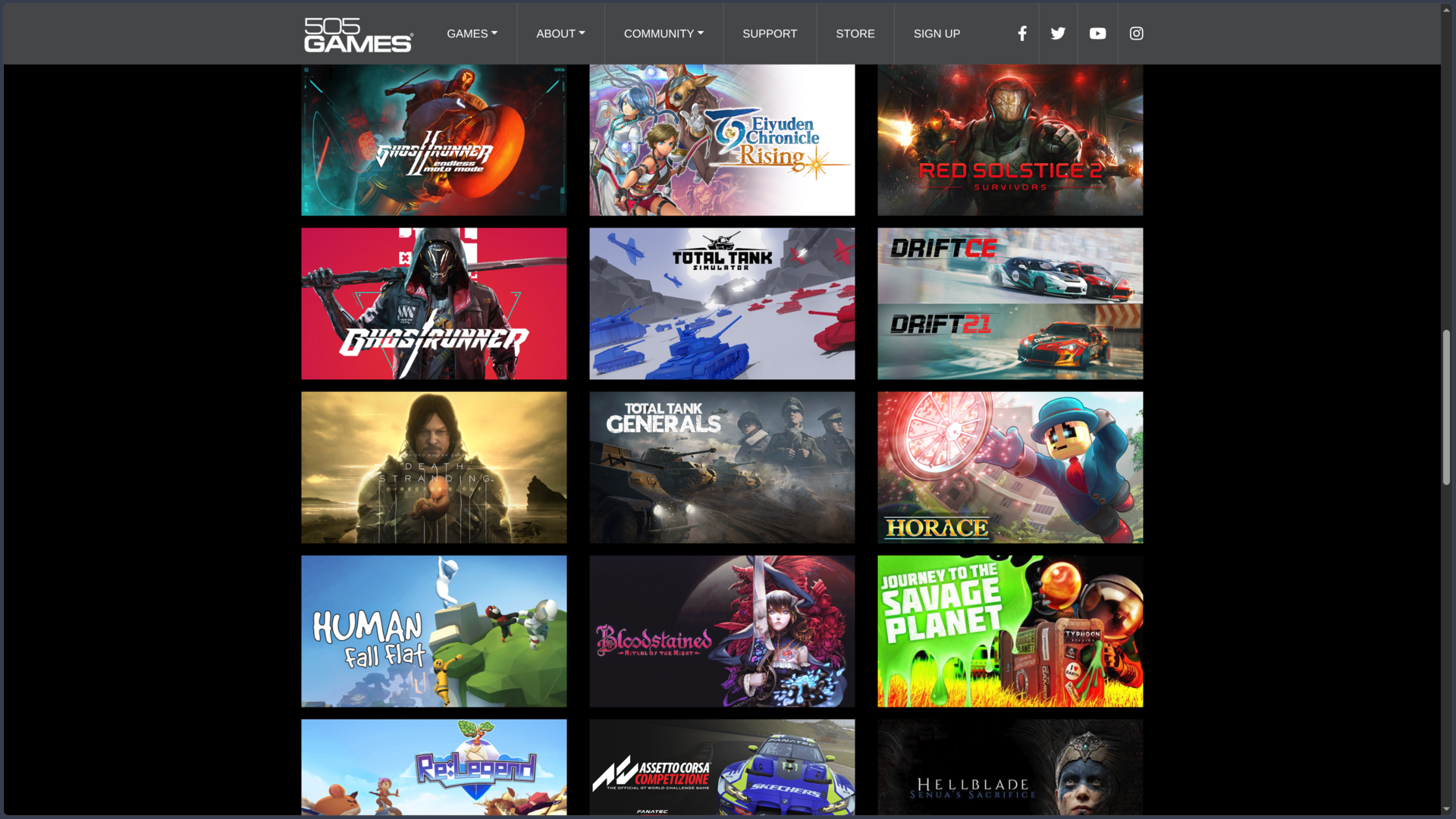
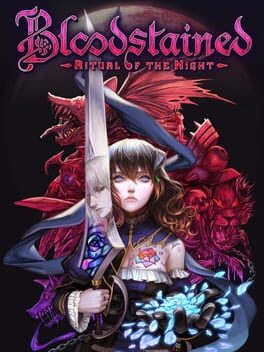
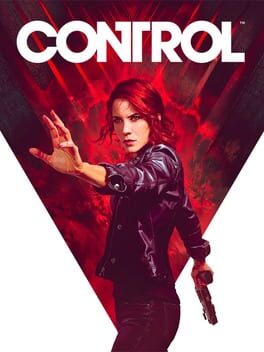
Its catalogue illustrates this diversity. Throughout its history, 505 Games has published or distributed productions such as Cooking Mama, Terraria, PAYDAY 2, Brothers: A Tale of Two Sons, ABZÛ, Assetto Corsa, Bloodstained: Ritual of the Night, Control, Death Stranding on PC, Ghostrunner, Eiyuden Chronicle: Hundred Heroes and Wuchang: Fallen Feathers.
These games do not come from the same development culture.
Control was created by Remedy Entertainment.
Ghostrunner was notably developed by One More Level.
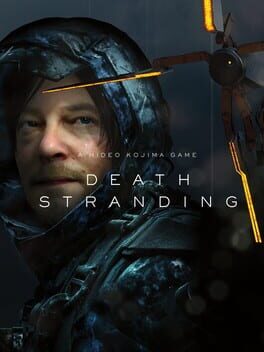
Death Stranding remains a production by Kojima Productions, with 505 Games handling its publishing on PC.
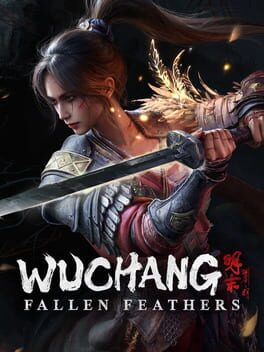
Wuchang: Fallen Feathers was developed by Leenzee.
Blades of Fire comes from MercurySteam.
This distinction is essential: the 505 Games name corresponds to the publishing function and does not by itself identify the developer of a work.
At the same time, some productions come from studios directly belonging to the Digital Bros group. Kunos Simulazioni, creator of Assetto Corsa, was acquired by the group in 2017. DR Studios joined Digital Bros in 2015, Avantgarden in 2020 and Infinity Plus Two, notably behind Puzzle Quest and Gems of War, in 2021.
505 Games therefore sits at the intersection of two models.
The first consists of publishing games created by independent partners, sometimes by acquiring worldwide or territorial exploitation rights.
The second is based on a catalogue developed by studios within the group, allowing Digital Bros to control certain properties and their evolution over several years more directly.
The publisher also manages several types of relationships with works. It can publish a game worldwide, operate only on certain platforms or in certain territories, distribute a production without owning its intellectual property, or support a franchise for several years before the publishing rights change.
The history of Control provides a particularly clear example. 505 Games published Remedy Entertainment’s game in 2019 and then worked with the studio on the future of the property. In 2024, however, Remedy bought back from 505 Games all publishing, distribution and marketing rights related to the franchise. The partnership ended, while Control remains an important milestone in 505 Games’ publishing history without now being a property or franchise under its control.
This flexibility explains the variety of its current catalogue. In 2026, 505 Games continues both to support the Assetto Corsa racing simulation series and to publish external productions such as Wuchang: Fallen Feathers or Blades of Fire.
The publisher’s identity therefore depends less on a specific genre than on its position as an intermediary between development, financing, production, localization, marketing and international distribution.
History
2006-2007: creating an international publishing arm
505 Games began operating in 2006.
For its fifteenth anniversary in 2021, the company itself stated that it had been publishing and distributing games since that date and recalled that its initial team consisted of only three people in the United Kingdom.
Digital Bros’ corporate timeline, for its part, presents 2007 as the year when the group created 505 Games as an international publishing division and opened offices in the United States, United Kingdom, France, Spain and Germany.
The two dates therefore describe two closely connected stages of the same process: the launch of activity under the 505 Games brand followed by its formalization as the group’s international arm.
Digital Bros already had extensive experience in distribution at that point.
Founded in 1989 by Abramo and Raffaele Galante, the Italian group had begun by distributing games from foreign publishers in its domestic market under the Halifax brand.
505 Games was intended to move beyond this primarily Italian approach and become a direct player in international publishing.
The objective was not necessarily to immediately build large internal studios.
The group first established an infrastructure capable of identifying games, acquiring or negotiating their rights, organizing their commercialization and bringing them to different territories.
The early years: building a catalogue through partnerships
505 Games developed during a period when the PlayStation 2, Nintendo DS, Wii, Xbox 360 and PC markets coexisted with distribution models that were still largely physical.
The publisher worked on a large number of very different productions and licenses.
Cooking Mama was among the titles that contributed to the brand’s visibility during this early period.
The catalogue did not rely on a single genre identity.
Family games, action, strategy, Japanese productions, Western titles and adaptations could coexist under the same publisher.
This variety would become lasting.
505 Games sought less to impose a common formula on developers than to build a portfolio diversified enough to operate across several platforms and reach different audiences.
This logic also explains why 505’s historical catalogue should not be interpreted as a collection of properties all owned by the company.
Depending on the game, 505 could act as publisher, distributor, licensee or regional partner.
The shift to digital changes the publisher’s scale
The growth of Steam, PlayStation Network, Xbox Live and later other digital stores gradually transformed the model of Digital Bros and 505 Games.
International distribution no longer systematically required a physical infrastructure in every territory.
A publisher could directly reach players in many countries through marketplaces.
Digital Bros simultaneously developed an activity dedicated to Free-to-Play and mobile platforms.
505 Games therefore broadened its scope between traditionally sold Premium games and productions designed to generate revenue over time.
This digital transition also encouraged collaborations with independent studios capable of designing ambitious games without possessing their own worldwide commercialization infrastructure.
The publisher could handle financing, production, localization, communication, platform relations and distribution.
Terraria, PAYDAY 2 and Brothers: external projects with very different profiles
The beginning of the 2010s brought several particularly visible productions to 505 Games.
The publisher notably supported certain console versions of Terraria, a game originally developed by Re-Logic on PC.
It also published different versions of PAYDAY 2, developed by Overkill Software.
In 2013, 505 Games published Brothers: A Tale of Two Sons, developed by Starbreeze Studios under the direction of Josef Fares.
These three examples already demonstrate the diversity of its publishing model.
Terraria emerged from an independent success originally built on PC.
PAYDAY 2 relies heavily on cooperative play and prolonged evolution of its content.
Brothers is a much more compact narrative adventure centered on a mechanic for controlling two characters.
505 Games therefore does not only seek productions belonging to the same commercial category.
The consistency comes more from the role it can play for teams needing international and multiplatform publishing.
2015-2017: Digital Bros begins integrating more studios
From the middle of the 2010s onward, Digital Bros gradually strengthened its internal development capacity.
In 2015, the group acquired DR Studios, based in the United Kingdom.
The studio became particularly important for the group’s Free-to-Play activities.
In 2017, Digital Bros acquired Kunos Simulazioni.
The relationship between the two companies already existed: 505 Games had signed an agreement in 2015 concerning the console versions of Assetto Corsa.
The acquisition nevertheless changed the nature of that relationship.
Kunos was no longer simply an independent studio whose production was published by 505.
The developer joined the Digital Bros group directly, which now controlled the evolution of the property.
This distinction is important in the history of 505 Games.
The publisher began to combine more clearly two sources of catalogue: partnerships with external studios and productions from teams belonging to the group.
Assetto Corsa: building a franchise from an internal studio
The Assetto Corsa series gradually became one of the most important examples of the second model.
Kunos Simulazioni retained its identity as a developer specialized in racing simulations.
505 Games handled the international publishing function.
This organization clearly separates responsibilities: the simulation technology, physics models and game design are developed by Kunos, while 505 handles the publishing functions associated with its international network.
Assetto Corsa Competizione subsequently extended the series.
In 2025, Assetto Corsa EVO entered Early Access on PC with new proprietary technology developed by Kunos.
The franchise therefore remains a lasting part of the catalogue controlled by Digital Bros, unlike certain publishing collaborations whose rights can later return to the developer.
A new generation of independent partnerships
During the second half of the 2010s, 505 Games increased its partnerships with independent studios producing very different games.
ABZÛ, developed by Giant Squid, belongs to this period.
Bloodstained: Ritual of the Night, developed around the project led by Koji Igarashi, also joined the catalogue.
505 Games also participated in the distribution of titles such as Human Fall Flat, Portal Knights and different versions of other independent productions.
This strategy gave the publisher a distinctive identity in the market.
It had the infrastructure of an international group while being able to support projects from teams much smaller than those of the major integrated publishers.
Control: a major partnership with Remedy Entertainment
In 2019, 505 Games published Control, developed by Remedy Entertainment.
The project became one of the most important collaborations in the publisher’s recent history.
Remedy retained its identity as an independent studio and ownership of the franchise, while 505 handled its publishing.
The game’s critical success significantly increased the publisher’s visibility in the ambitious Premium production segment.
The relationship later continued around new projects related to the Control universe.
It also demonstrates the limits of the idea of a “catalogue” when applied to a publisher.
A game can remain permanently associated with its history without the publisher retaining the rights to exploit the franchise forever.
This distinction would become concrete a few years later.
Death Stranding on PC and Ghostrunner: publishing without owning the work
In 2020, 505 Games published the PC version of Death Stranding, developed by Kojima Productions.
This situation illustrates particularly well the role of a publisher depending on the platform.
505 Games is neither the creator of Death Stranding nor the owner of its universe.
Its involvement concerns the publishing of certain versions of the game.
The same period also saw Ghostrunner join the catalogue.
Developed notably by One More Level, the first-person action game achieved enough success to lead to a sequel.
505 Games later announced Ghostrunner 2, published in 2023.
The publisher thus demonstrated its ability to support an external property across several productions without needing to integrate its developer into the group.
Strengthening internal development
Digital Bros simultaneously continued its acquisitions.
Ovosonico was fully acquired in 2020 and then became Avantgarden.
In 2021, the group acquired Infinity Plus Two, an Australian studio notably associated with Puzzle Quest and Gems of War.
This acquisition particularly strengthened its Free-to-Play activities.
Digital Bros also developed other internal structures over the years.
This evolution nevertheless does not turn 505 Games into a development studio.
The publisher remains the entity responsible for connecting these productions to the global market, while each studio retains its own creative role.
Eiyuden Chronicle and the continuity of the independent model
At the same time, 505 Games continued working with teams it does not own.
Eiyuden Chronicle: Hundred Heroes, developed by Rabbit & Bear Studios, is one of the most visible examples of this strategy in the early 2020s.
The project, born from a crowdfunding campaign, draws on the experience of creators historically associated with Suikoden.
505 Games acts as publisher without turning Rabbit & Bear into an internal studio.
This type of collaboration shows that Digital Bros’ expansion into proprietary development does not replace 505’s historical model.
The two approaches coexist.
2024: the end of the Control partnership
In February 2024, Remedy Entertainment and 505 Games reached an agreement that profoundly changed their relationship around Control.
Remedy bought back all publishing, distribution, marketing and other rights held by 505 Games regarding Control, the projects then linked to the franchise and its future productions.
The publishing agreements were therefore terminated.
505 Games temporarily continued certain transition activities related to the first game, but the partnership ultimately came to an end.
In December 2024, the publisher notably released its final community message dedicated to Control and confirmed the separation between the two companies.
This development is a good example of the contractual nature of much of a publisher’s activity when it is independent from its studio partners.
Publishing a franchise for several years does not necessarily mean becoming its owner.
Control remains an important work in the history of 505 Games, but its future is now managed directly by Remedy.
2025-2026: Wuchang, Blades of Fire and the continuation of Assetto Corsa
The 505 Games catalogue continues to combine external productions with projects connected to studios within the group.
In 2025, Wuchang: Fallen Feathers, developed by Chinese studio Leenzee, was published on PC, PlayStation 5 and Xbox Series.
That same year, Blades of Fire, developed by MercurySteam, arrived on consoles and PC as part of a partnership announced several years earlier.
On the internal side of the group’s productions, Assetto Corsa EVO continues the evolution of the Kunos Simulazioni franchise.
The current catalogue also includes new productions or sequels related to Bloodstained, Puzzle Quest and Assetto Corsa.
In 2026, 505 Games therefore remains the main structure used by Digital Bros for worldwide multiplatform publishing, while the group simultaneously develops complementary labels such as 505 Pulse for certain independent projects and 505 Go! in the Free-to-Play segment.
What sets it apart
Publishing independent studios without having to absorb them
An essential part of 505 Games’ history is based on its ability to work with studios that remain independent.
Remedy Entertainment, Kojima Productions, Rabbit & Bear Studios, One More Level, Leenzee and MercurySteam illustrate different types of publishing relationships.
505’s role can include financing, production support, localization, communication, marketing and international distribution.
This organization allows the studio to retain its creative identity while the publisher handles some of the functions necessary to reach multiple markets and platforms.
It also explains why works published by 505 should be linked to their actual developers in PANACHES CULTURE.
Combining external partnerships with studios within the group
The second pillar of the model is based on studios belonging to Digital Bros.
Kunos Simulazioni, DR Studios, Avantgarden and Infinity Plus Two are not simply external publishing partners.
They belong to the same group as 505 Games.
The publisher can therefore work with productions whose studio or property is directly controlled by Digital Bros while maintaining a separation between development and publishing.
This combination gives the group greater stability around certain franchises without abandoning the search for independent projects.
Assetto Corsa represents this logic particularly well.
Adapting its role according to each game
505 Games does not occupy exactly the same position on every work in its catalogue.
It can publish a production worldwide.
It can handle only certain platforms.
It can distribute a game already created elsewhere.
It can support a property owned by its developer.
It can also publish a production created by a studio belonging to the Digital Bros group.
This flexibility is a central characteristic of how it operates.
In return, it requires a precise distinction between developer, intellectual property owner, publisher and distributor for each work.
The presence of a game in the 505 Games catalogue is therefore not enough to determine the exact nature of its relationship with the publisher.
Building a catalogue without a dominant genre
505 Games has never confined itself to a single family of games.
Its history includes family titles such as Cooking Mama, racing simulations such as Assetto Corsa, narrative experiences such as Brothers, action productions such as Control or Ghostrunner, RPGs such as Eiyuden Chronicle, Free-to-Play games such as Gems of War and projects from very different development cultures.
This diversity allows the publisher to avoid an identity entirely dependent on a single franchise.
It does, however, make its brand less immediately associated with a gameplay style than publishers built around a few major internal properties.
505’s identity comes more from its selection and support of projects than from a creative formula applied to all of its games.
Using global infrastructure with a relatively compact structure
505 Games began with a team of only three people in the United Kingdom.
For its fifteenth anniversary in 2021, the company stated that it had surpassed two hundred games published or distributed and had teams spread across several regions of the world.
Its current organization has locations in Europe, North America and Asia and also relies on Digital Bros’ structures.
This presence allows the publisher to directly manage localization, marketing and commercial relations across several markets while using distribution or sublicensing partners in other territories.
The model is therefore based on an international publishing structure capable of supporting developers of very different scales.
Good to know
- 505 Games began operating in 2006 and states that it started with a team of three people in the United Kingdom.
- Digital Bros presents 2007 as the year its international 505 Games division was formally created and its direct expansion began in the United States and several European countries.
- 505 Games is currently a subsidiary of the Italian group Digital Bros, which is listed on the Milan Stock Exchange.
- The legal company 505 Games S.p.A. is based in Milan, while the publisher has an international presence in several countries.
- For its fifteenth anniversary in 2021, 505 Games stated that it had published or distributed more than 200 games since its beginnings.
- Important productions in its history include Terraria, PAYDAY 2, Brothers: A Tale of Two Sons, Assetto Corsa, Bloodstained: Ritual of the Night, Control, Ghostrunner and the PC version of Death Stranding.
- Kunos Simulazioni, developer of Assetto Corsa, has belonged to Digital Bros since 2017; it remains the developer of the franchise while 505 Games handles its publishing activity.
- Digital Bros also owns studios such as DR Studios, Avantgarden and Infinity Plus Two, which must remain distinct from 505 Games itself.
- 505 Games published Remedy Entertainment’s Control, but Remedy bought back the publishing rights held by 505 for the franchise in 2024 and the two companies ended their partnership.
- Wuchang: Fallen Feathers, developed by Leenzee, and Blades of Fire, developed by MercurySteam, illustrate in 2025 the continuation of the model based on external development partners.
- Assetto Corsa EVO, developed by Kunos Simulazioni, simultaneously illustrates the branch of the catalogue coming from a studio directly owned by Digital Bros.
- In 2026, Digital Bros continues to use 505 Games as its main worldwide multiplatform publishing structure, alongside complementary labels such as 505 Pulse and 505 Go!.