Presentation
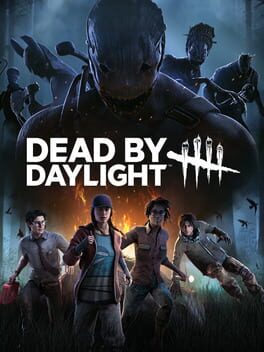
Dead by Daylight is built around a deliberately unbalanced confrontation. Four players control survivors who must cooperate, while a fifth controls the killer alone. The two sides do not have access to the same information, abilities or relationship with the environment. This asymmetry is precisely what gives the game its identity.
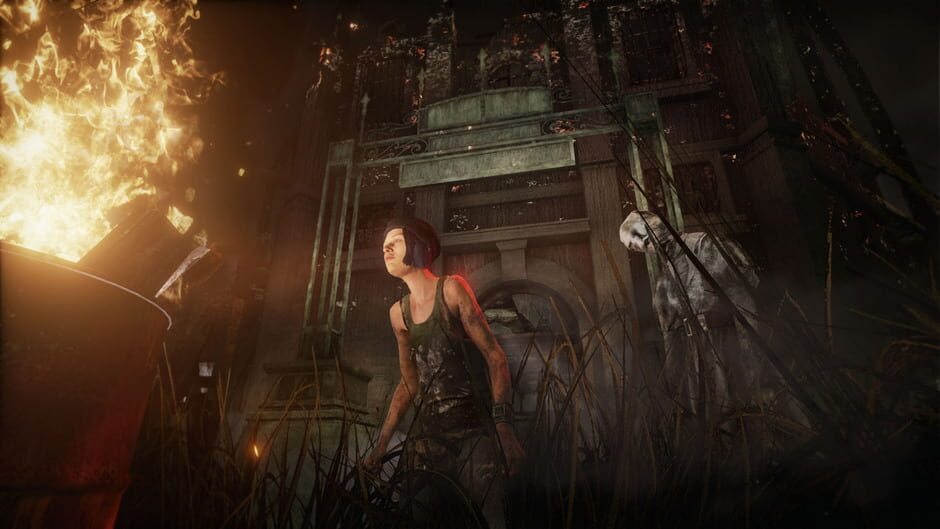
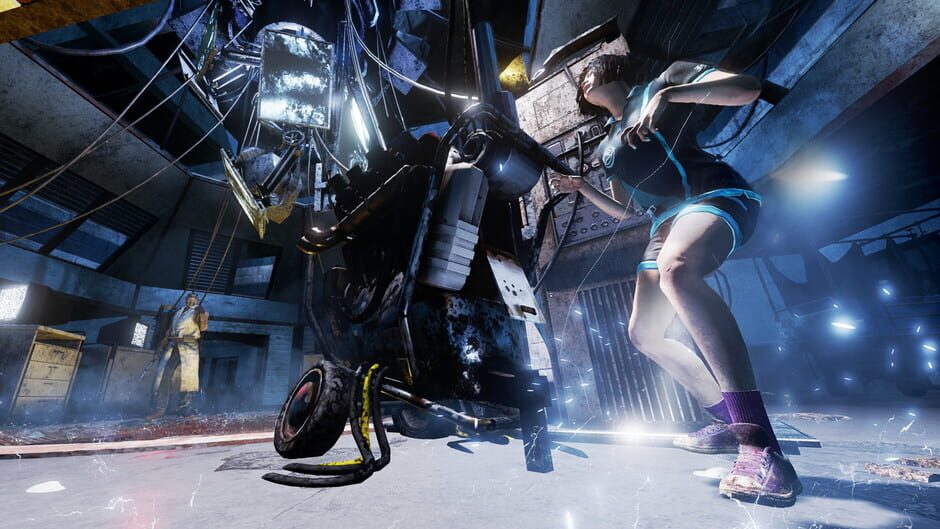
The survivors primarily try to gain time. Repairing generators brings them closer to escape, but the process leaves them vulnerable and can reveal their presence. When one player is being chased, the others must decide whether to use the distraction to work on objectives, move closer to prepare a rescue or simply remain far enough away to avoid becoming the killer’s next target.
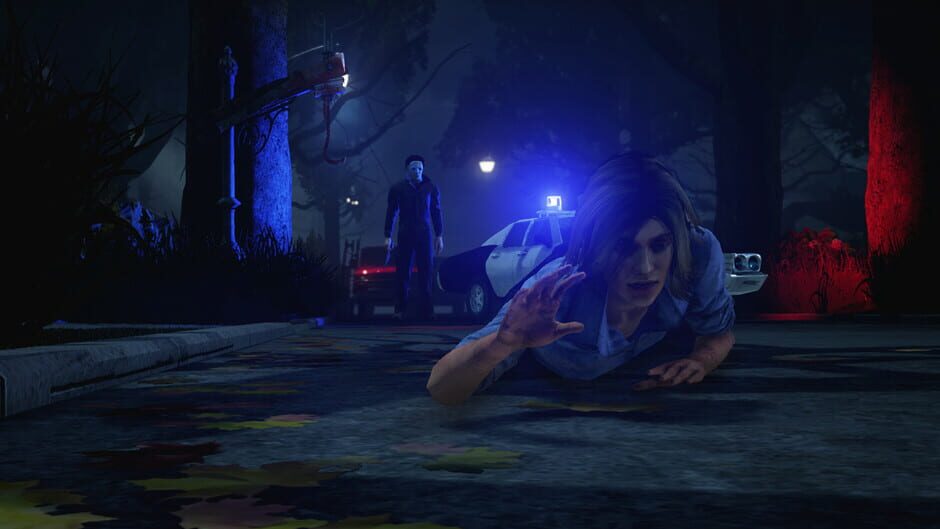
Chases therefore become a central mechanic. Survivors can use windows, obstacles and pallets to create distance, but they do not have the means to permanently eliminate their opponent. The goal is often to extend the chase long enough for the rest of the group to make progress. A few seconds gained can be more valuable than a spectacular escape.
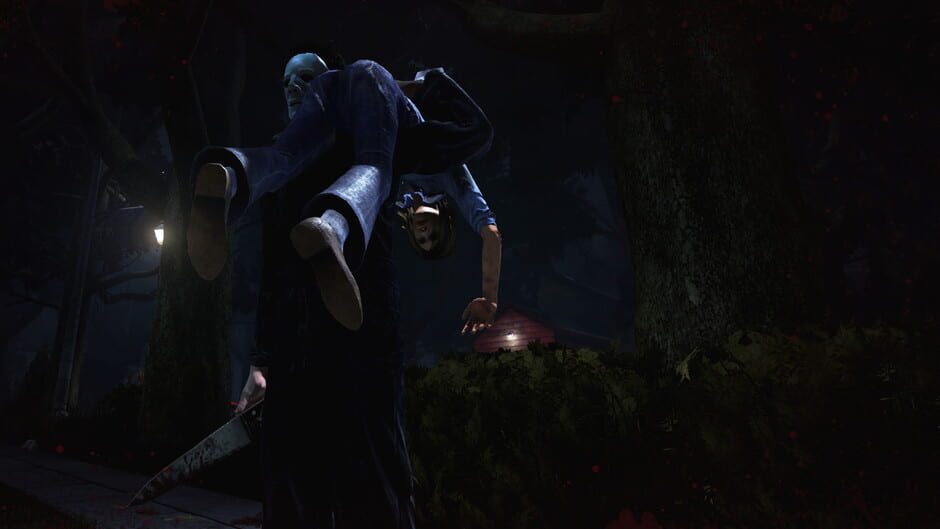
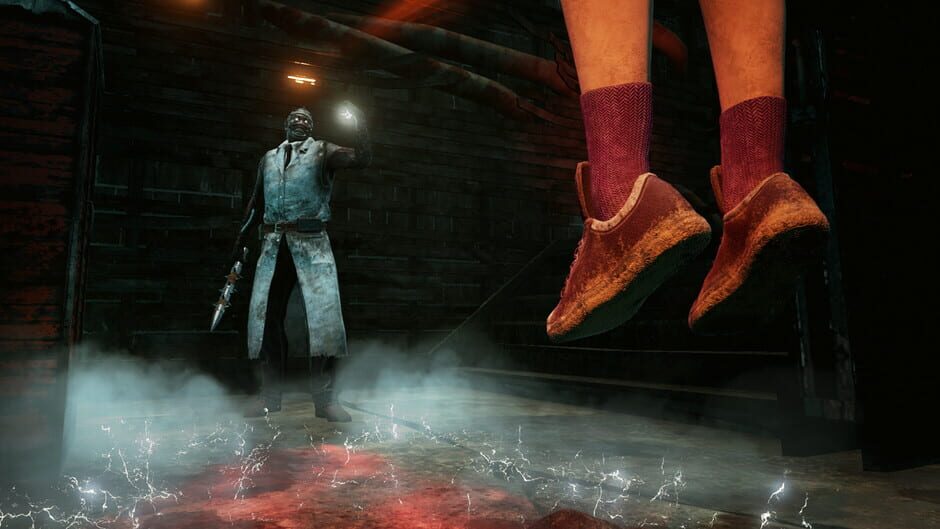
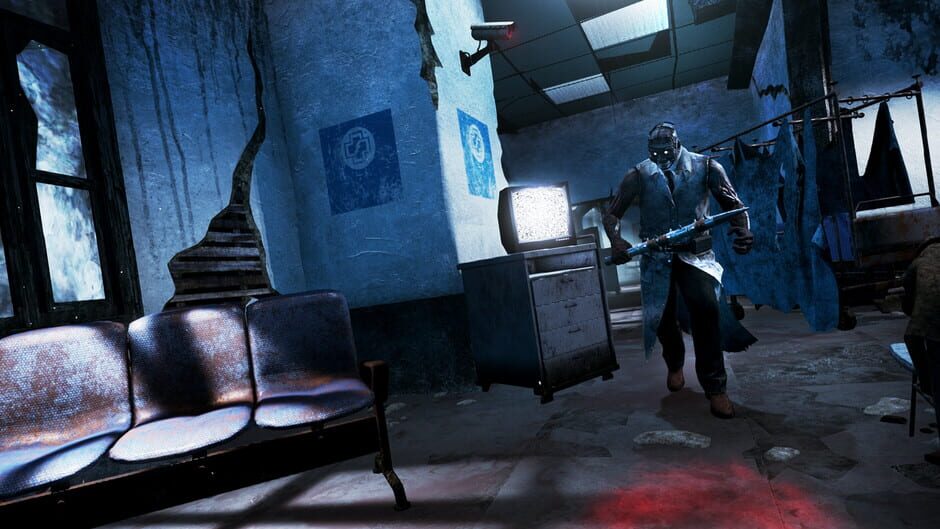
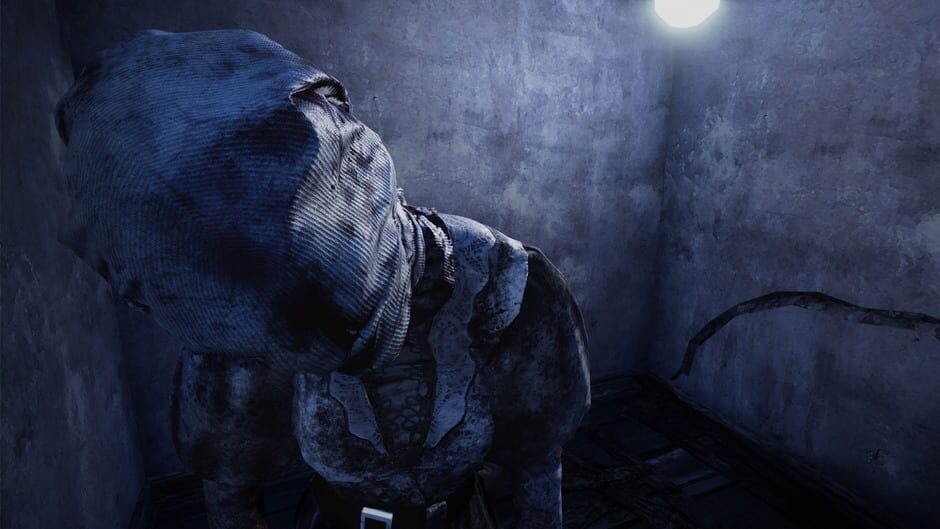
The killer operates according to a completely different logic. Their first-person perspective limits their field of vision, but they benefit from greater physical power and, above all, a unique ability that defines their playstyle. Some excel at tracking, others at rapid movement, ranged attacks, traps or controlling specific areas. Learning to recognize the killer and adapt accordingly therefore becomes essential for the survivors.
Skills, perks and items allow players to further refine the way they play. Yet Dead by Daylight remains above all a game of reading the opponent. A survivor tries to predict the path of their pursuer; the killer attempts to anticipate a sudden change of direction; an injured player may deliberately draw attention in order to protect a teammate. Much of the game’s depth comes from these decisions made in seconds with information that is always incomplete.
This structure produces matches where fear does not come only from the horror aesthetic. It comes above all from the presence of a human opponent capable of learning habits, setting traps and suddenly changing strategy.
What to remember
- An asymmetrical multiplayer horror game pitting four survivors against one killer.
- Survivors who must repair generators and cooperate in order to open a way out.
- Killers who each possess a unique power that changes the way they hunt other players.
- Chases built around space management, anticipation and the use of environmental elements.
- A strong emphasis on collective decisions: repair, rescue an ally, hide or deliberately draw the killer’s attention.
- An experience where the unpredictability of human players creates a different kind of tension from traditional horror games.
Conclusion
The strength of Dead by Daylight comes less from the fear of dying than from the constant uncertainty surrounding what the other player is going to do. The same map can feel familiar for dozens of matches, then suddenly become dangerous because a killer reads a route differently or abandons one chase to surprise someone else.
This dependence on human behavior also creates highly variable experiences. A coordinated team can turn a trial into a genuine collective exercise, while a disorganized group can collapse after only a few poor decisions. Likewise, differences in player experience can make certain encounters particularly difficult.
But this instability is precisely what allows the game to maintain its tension. The generators, hooks and rules remain broadly recognizable; it is the people who constantly change the situation.
Dead by Daylight therefore turns a relatively simple structure into a psychological confrontation. Surviving does not simply mean running faster or knowing a map better. Above all, it means learning how to read someone who, on the other side of the screen, is trying to do exactly the same thing.
Good to know
- Dead by Daylight is developed by Canadian studio Behaviour Interactive.
- The game was originally released in 2016.
- A standard match pits four survivors against a killer controlled by a fifth player.
- Survivors must primarily repair generators in order to power the exit gates.
- Killers seek to capture survivors and sacrifice them to the Entity.
- The universe features original survivors and killers while also including several characters from major horror franchises.