Synopsis

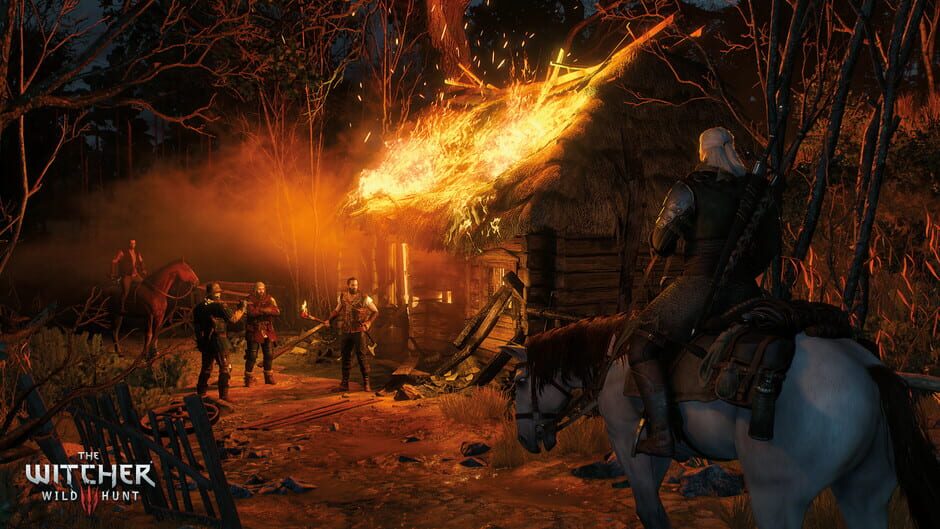
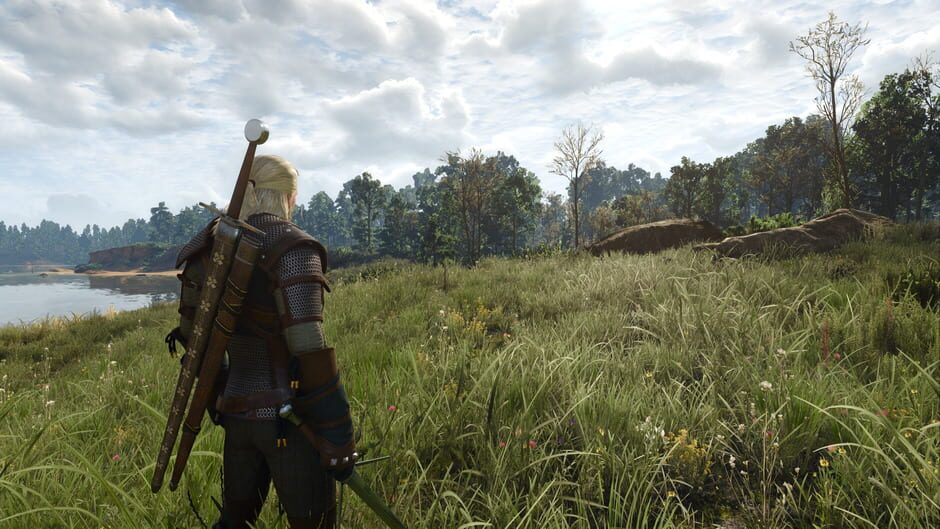
The Continent is being torn apart by war. Nilfgaardian armies are advancing north, kingdoms are collapsing or being reshaped, and ordinary people are trying to survive in a world where human violence often rivals that of the creatures lurking beyond the villages.

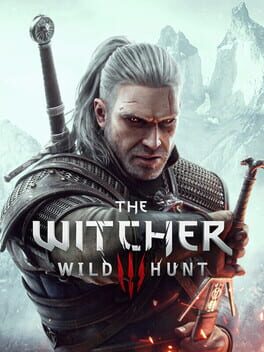
At the center of this chaos, Geralt of Rivia, a witcher specialized in hunting monsters, is pursuing a much more personal search: Ciri, his adopted daughter, has disappeared.

The young woman possesses extraordinary abilities tied to her heritage and is being hunted by the Wild Hunt, a group of spectral riders determined to seize her power.

Geralt follows the traces left by Ciri across the war-torn lands of Velen, the streets of Novigrad, the islands of Skellige and several regions where every lead seems to open another story.

But finding Ciri does not depend only on the witcher’s ability to follow tracks or kill monsters.

The people Geralt helps, abandons, condemns or spares along the way can profoundly change what awaits him when all those paths finally come together.

Overview

An open world built through stories

The Witcher 3: Wild Hunt is enormous, but its size explains less of its success than what it manages to tell within that space.

A contract may begin with a very simple request: identify a creature, track it down and eliminate it. Yet the situation regularly becomes more complicated. The client may be hiding something, the monster may have a history, the victim may not have been innocent, or the most obvious solution may create an entirely new problem.

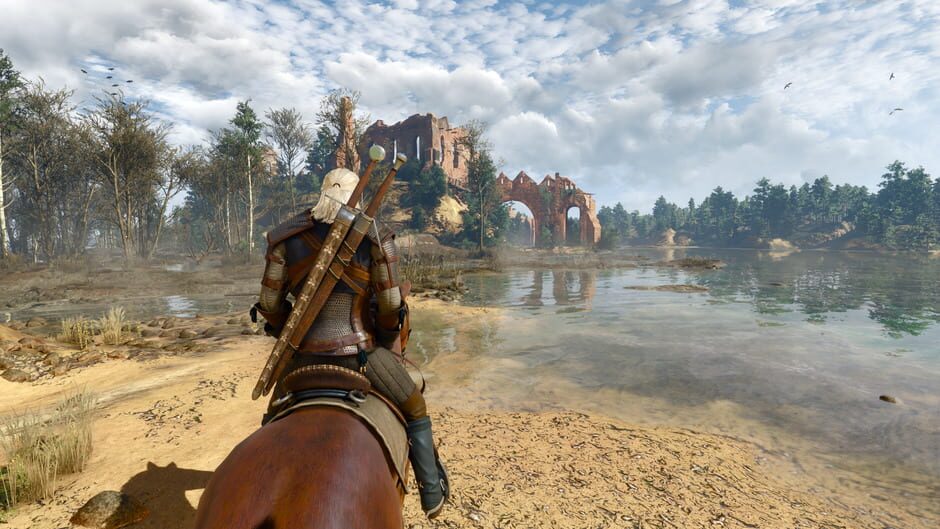
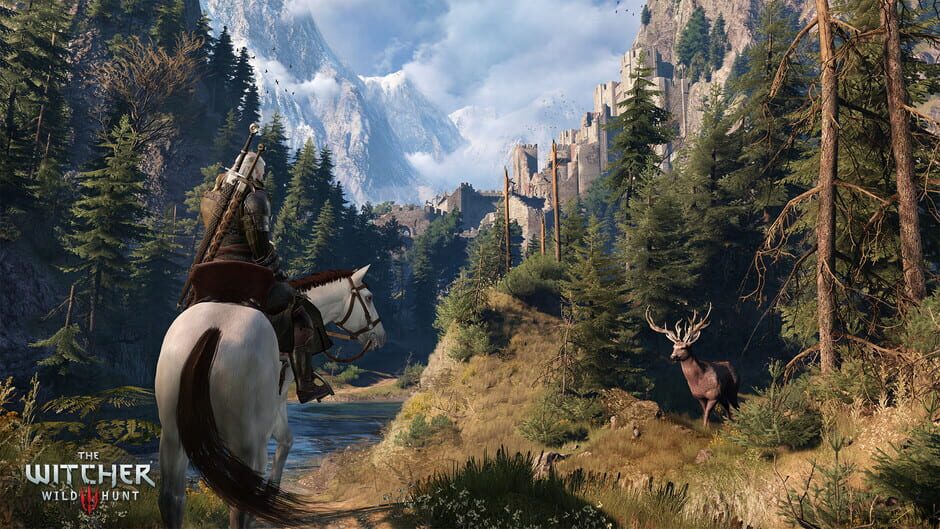
That approach to writing gives the open world a real purpose. Velen carries the scars of war through its villages and swamps. Novigrad shifts toward a denser, more urban, political and religious atmosphere. Skellige changes tone again with its islands, clan traditions and maritime landscapes.

The regions therefore do more than separate quests by several kilometers. They provide context for the people and conflicts Geralt encounters.

Actually working as a witcher

Geralt’s profession shapes a significant part of the gameplay. Witcher Senses allow him to follow tracks, examine bodies or identify clues, while the bestiary provides information about creatures and their weaknesses.

Geralt fights with two swords — steel for humans, silver for monsters — and can use oils, potions, bombs and five main magical Signs.

That preparation gives monster contracts a particular identity. In some encounters, understanding what you are hunting can matter almost as much as using the sword correctly.

In practice, the combat system is more functional than remarkable. Dodges, rolls, attacks, Signs and potions offer many options, but do not always reach the precision of the best specialized action games.

The Witcher 3 finds its real strength elsewhere.

Decisions without a “correct answer” sign

The game often avoids presenting its choices as a simple opposition between good and evil. Geralt acts with the information available to him, and some consequences only appear much later.

A decision can solve an immediate problem while creating another. Someone who appears guilty may be hiding a different reality. A creature considered monstrous may prove less dangerous than the people who hired Geralt to kill it.

That uncertainty fits the character perfectly. The witcher understands monsters, their behavior and their weaknesses; human beings remain far more difficult to predict.

Expansions that became full chapters

Hearts of Stone takes a tighter approach centered on Olgierd von Everec and the mysterious Gaunter O’Dimm, with a story built around promises, contracts and their consequences.

Blood and Wine instead opens an entirely new region with Toussaint. Its bright landscapes, vineyards and chivalric traditions create a strong contrast with Velen or Novigrad without removing the darkness that defines the wider universe.

For years considered Geralt’s final major chapter, the story is now set to continue with Songs of the Past, a third expansion officially planned for 2027.

Key takeaways

  • Geralt is searching for Ciri, his adopted daughter, who is being pursued by the Wild Hunt because of her extraordinary abilities.
  • The open world is strongly narrative-driven. Velen, Novigrad and Skellige each have their own societies, conflicts and atmosphere.
  • Side quests are one of the game’s greatest strengths. Many develop far beyond their initial premise and can produce consequences much later.
  • Decisions are rarely simply good or bad. The player often acts with incomplete information.
  • The witcher profession shapes the gameplay through investigations, the bestiary, oils, potions, bombs and Signs.
  • Gwent functions as a genuine game within the game, with cards, decks, opponents and dedicated quests.
  • Hearts of Stone and Blood and Wine greatly expanded the adventure, with two very different stories and tones.
  • Songs of the Past is announced for 2027, meaning The Witcher 3’s narrative follow-up is no longer completely finished.
  • REDkit has allowed deep content creation and modification on PC since 2024.

PANACHES review

Small stories make the world feel large

The Witcher 3’s greatest achievement is probably not its huge main quest, but its ability to make stories that could have been secondary feel important.

A monster contract can end up being about poverty, revenge or superstition. A character met for only a few minutes can reappear much later. A decision made without much thought can produce an unexpected consequence.

That writing gives the world a sense of continuity. Geralt travels through regions that seem to have their own problems whether he is there or not.

Velen shows this particularly well. War is not only represented by armies; it appears in ruined villages, dangerous roads and people simply trying to keep living.

Monsters are sometimes the simpler problem

Geralt is excellent at identifying a creature, understanding its habits and preparing the right equipment.

People are more complicated.

That is where The Witcher 3 produces its best moral choices. The game rarely gives the player every piece of information before a decision and generally avoids immediately confirming whether the “right” option was chosen.

This uncertainty prevents Geralt from becoming a hero methodically fixing the world. He remains primarily a professional forced to take a position in situations that regularly extend far beyond the original contract.

A great RPG that also shows its age

Not everything has aged equally well. Witcher Senses become repetitive, the map can feel overloaded, and some regions accumulate points of interest with less care than the best quests.

The combat is also solid rather than exceptional. It contains enough systems to vary encounters, but writing and exploration are usually stronger reasons to spend a hundred hours in the game.

Those limitations are real without undermining its central strength: The Witcher 3 often makes you want to continue a story more than fill a progress bar.

A world people keep returning to

Hearts of Stone and Blood and Wine showed that the game could change scale and tone without losing its identity. REDkit later gave creators much more powerful tools to modify the world and produce their own content.

The announcement of Songs of the Past extends that history even further.

The Witcher 3 is therefore no longer just a 2015 RPG that receives occasional updates. It has become a territory that its studio, modders and players continue to explore.

Its real achievement may not be that it built an enormous world, but that it created places many players still remember as if they had actually been there.

Good to know

Production and release

  • The Witcher 3: Wild Hunt was released on May 19, 2015 for PC, PlayStation 4 and Xbox One.
  • The game was developed by Polish studio CD Projekt RED.
  • It uses REDengine 3, a proprietary engine designed in part to support large open environments.
  • The video game universe is based on the world created by Polish author Andrzej Sapkowski, but The Witcher 3 tells a story developed specifically for the game series.

Expansions

  • Hearts of Stone was released on October 13, 2015. It adds more than ten hours of adventure centered notably on Olgierd von Everec and the mysterious Man of Glass.
  • Blood and Wine was released on May 31, 2016 and adds the new region of Toussaint.
  • For several years, Blood and Wine was presented as Geralt’s final major adventure in The Witcher 3.
  • On May 27, 2026, CD Projekt RED announced Songs of the Past, the game’s third official expansion.
  • Songs of the Past is planned for 2027 on PC, PlayStation 5 and Xbox Series X|S and will once again let players control Geralt.
  • The expansion is being co-developed by CD Projekt RED and Fool’s Theory.
  • More information about Songs of the Past is expected at gamescom 2026.
  • This upcoming expansion explains the use of statut_parution: ongoing in the current entry.

New platforms and next-gen update

  • The Complete Edition was released on Nintendo Switch on October 15, 2019 with the base game, Hearts of Stone, Blood and Wine and all 16 free DLCs.
  • The Switch version later received several improvements, including save-transfer or cross-progression features with certain other platforms.
  • A major next-gen update was released on December 14, 2022 for PC, PlayStation 5 and Xbox Series X|S.
  • It notably added or improved ray tracing, reflections, vegetation, textures, camera options, quick Sign casting, Photo Mode and additional content.
  • A Complete Edition for next-gen platforms includes the base game, Hearts of Stone, Blood and Wine and these improvements.

Mods and REDkit

  • The Witcher 3 REDkit was released on May 21, 2024 for PC.
  • Developed by Yigsoft in collaboration with CD Projekt RED, it is based on a reworked version of REDengine 3.
  • The tool allows creators to modify a large part of the game and build new quests, areas and stories.

Reception

  • The Witcher 3 won Game of the Year and Best Role Playing Game at The Game Awards 2015, while CD Projekt RED was named Developer of the Year.
  • Blood and Wine later won Best Role Playing Game at The Game Awards 2016.
  • CD Projekt RED stated in July 2026 that The Witcher 3 had surpassed 65 million copies sold.
  • The studio also states that the game has received more than 250 Game of the Year awards and more than 1,000 professional awards.