Presentation
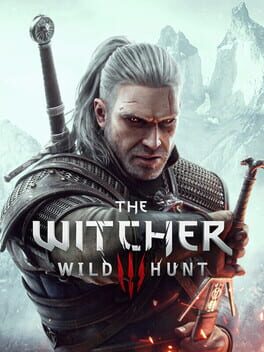
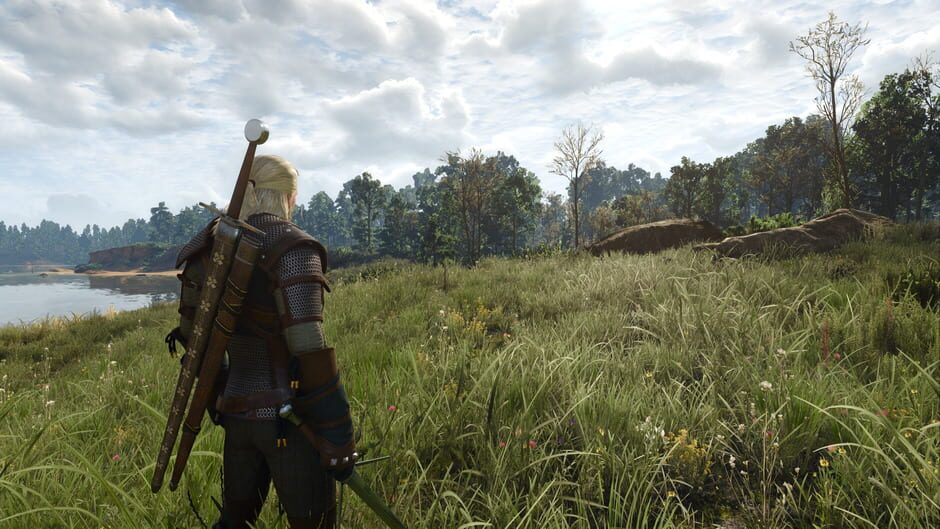
The Witcher 3: Wild Hunt has an immense world, but its size explains its success less than the stories it manages to bring to life inside it.
A contract can start with a very simple request: identify a creature and eliminate it. Yet the commissioner sometimes hides something, the victim was not necessarily innocent, or the monster has a story complex enough to make the obvious solution much less comfortable.
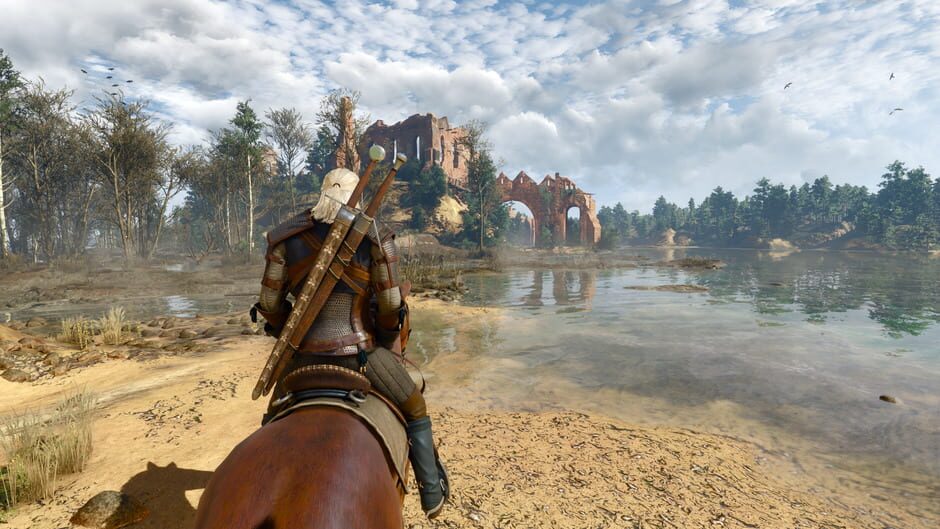
This writing gives a real function to the different regions. Velen bears the marks of war in its villages and swamps. Novigrad develops political, religious, and urban tensions. Skellige changes tone again with its islands and clan traditions.
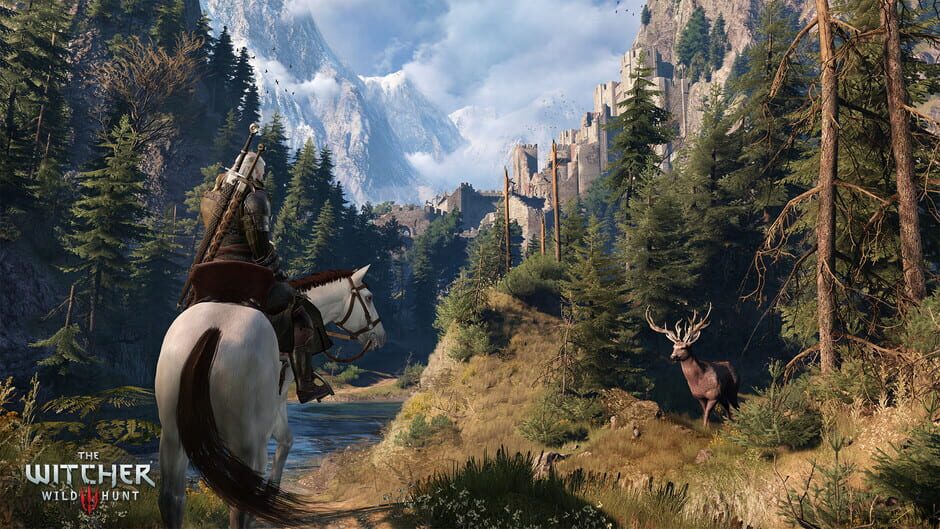
The open world therefore does not only serve to separate quests by several kilometers. The territories give context to the people Geralt meets.
His witcher profession naturally structures part of the gameplay. Witcher senses allow searching for clues, while the bestiary, oils, potions, bombs, and Signs give a place to preparation.
Understanding what you are hunting can sometimes count as much as wielding a sword correctly.
Combat nevertheless remains more functional than exceptional. The Witcher 3 finds its true strength elsewhere: in situations where Geralt's professional knowledge becomes insufficient because the problem is ultimately no longer the monster.
Decisions then play an essential role. They are rarely presented as a clear opposition between right and wrong answer, and their consequences can appear well after the moment when the player thought he had solved the problem.
Key Takeaways
- Geralt searches for Ciri, his adopted daughter, hunted by the Wild Hunt.
- The open world is deeply linked to narration, with each major region having its own conflicts and atmospheres.
- Side quests are one of the game's main strengths, with stories capable of going well beyond their starting point.
- Decisions rarely offer a morally obvious solution, and some consequences only appear much later.
- The witcher profession structures exploration and combat, through investigations, bestiary, alchemy, and preparation.
- Hearts of Stone and Blood and Wine greatly extend the adventure, with two stories and tones that are very different.
PANACHES Review
The main success of The Witcher 3 is probably not its gigantic main quest.
It is all the stories that could have been secondary and refuse to remain so.
A monster contract can end up talking about poverty, revenge, or superstition. A person met for a few minutes can come back dozens of hours later. A decision made without paying too much attention to it can produce a consequence whose origin the player had almost forgotten.
This continuity gives the world an impression of life that size alone could never have produced.
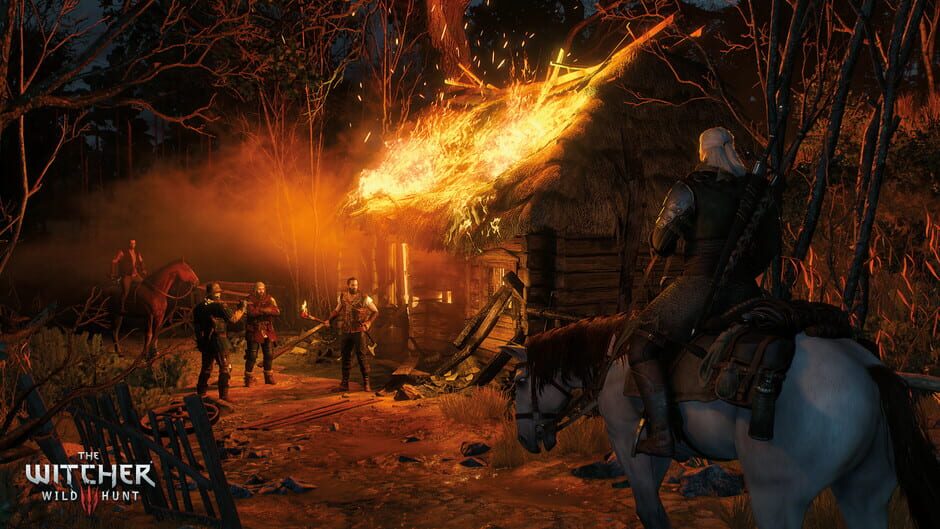
Velen is probably one of the best examples. War does not only exist in political conversations. It appears in destroyed villages, dangerous roads, refugees, and those who simply try to profit from the chaos.
Geralt himself works perfectly in this environment.
He knows how to recognize monsters.
Humans cause him more problems.
This difference gives all its interest to the game's best choices. A creature often has behaviors that can be studied. A person can lie, be right for the wrong reasons, or do something terrible while sincerely believing they have no other choice.
The Witcher 3 therefore often avoids turning Geralt into a hero tasked with methodically repairing the world.
He remains a professional who accepts a contract then regularly discovers that the real problem begins exactly when the monster stops being one.
Not everything has aged with the same elegance. Witcher senses become repetitive, the map can be cluttered, and some points of interest give more the impression of filling space than of telling something.
Combat also remains decent rather than extraordinary.
But these weaknesses almost reveal by contrast the essential quality of the game: you rarely continue a quest only to get more experience or a better sword. You want to know how the story will end.
The expansions reinforce this strength even more. Hearts of Stone tightens its story around promises and their consequences, while Blood and Wine opens Toussaint, a bright and chivalrous region whose beauty never completely makes the darkness of this universe disappear.
Several years after its release, The Witcher 3 therefore remains remarkable less because it offered an enormous amount of content than because it regularly managed to give a reason to remember it.
A great open world can impress by its size. The Witcher 3's leaves a mark above all because many of its places still look like places where something really happened to us.
Good to Know
- The Witcher 3: Wild Hunt was released on May 19, 2015 on PC, PlayStation 4, and Xbox One.
- The game is developed by CD Projekt RED.
- The universe is based on the world created by the Polish writer Andrzej Sapkowski, while telling a story developed specifically for the video game series.
- The game uses REDengine 3.
- Two major expansions considerably extended the adventure: Hearts of Stone and Blood and Wine.
- The Witcher 3 has since had several new editions and adaptations on other generations of platforms.