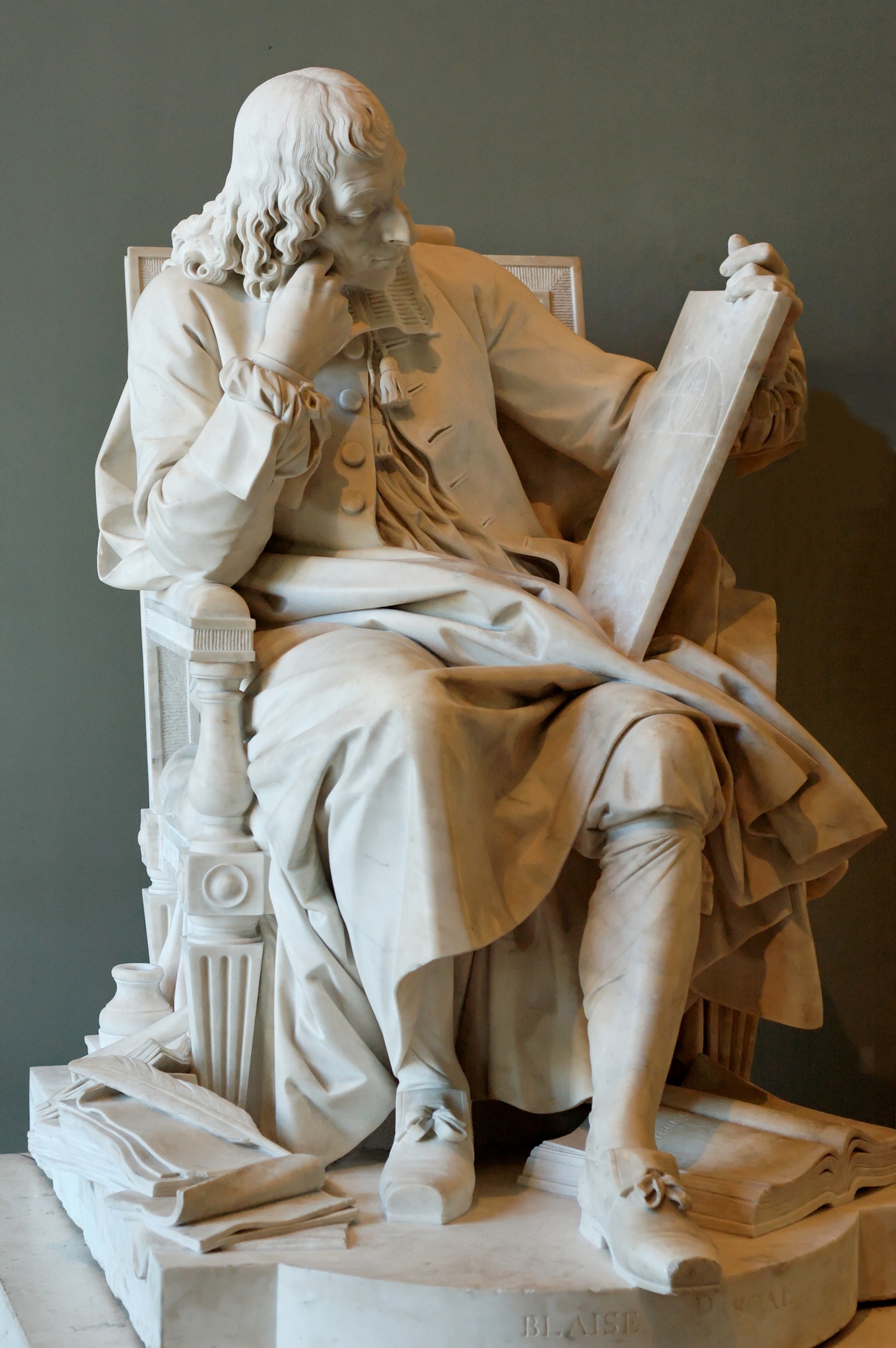
Blaise Pascal
Details
- Roles
- Author
Referenced works
Referenced works (5)
Blaise Pascal: On the Geometrical Spirit
Author
How can we distinguish truth from error and construct rigorous reasoning? In On the Geometrical Spirit, Blaise Pascal examines the principles that make it possible to demonstrate a proposition with clarity and certainty. Taking geometry as his model, he explores the role of definitions, axioms, and the logical progression of proofs. He shows, however, that not everything can be defined or demonstrated, since all kno…
- Philosophy

Blaise Pascal: On the Art of Persuasion
Author
Why do some ideas convince us through their logic, while others win our agreement because they appeal to us? In On the Art of Persuasion, Blaise Pascal examines the mechanisms through which human beings accept an opinion or recognize a truth. He distinguishes two paths to persuasion: the understanding, which responds to rational proofs, and the will, which is influenced by desires and inclinations. This investigatio…
- Philosophy
Blaise Pascal: Man Is a Thinking Reed
Author
What gives human beings their greatness when they remain so fragile before the immensity of the universe? In Man Is a Thinking Reed, a selection of fragments from the Pensées, Blaise Pascal explores the contradictions of the human condition. Capable of reasoning, acquiring knowledge, and becoming aware of their own existence, human beings nevertheless remain subject to error, passion, and death. Pascal examines this…
- Philosophy
Blaise Pascal: Thoughts
Author
What does it mean to be human, and how can we give meaning to our existence? In Pensées, Blaise Pascal explores the contradictions of the human condition, divided between greatness and wretchedness, reason and passion, the desire for happiness and the awareness of death. He examines the illusions governing human behavior, the need for diversion, the limits of knowledge, and the difficulties involved in seeking truth…
- Philosophy
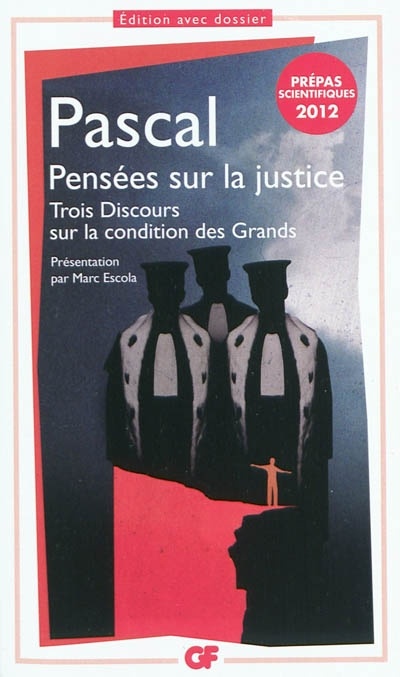
Blaise Pascal: Three Discourses on the Condition of the Great
Author
Do birth, wealth, and power make one human being superior to another? In Three Discourses on the Condition of the Great, Blaise Pascal examines the foundations of social hierarchies and the duties of those who occupy privileged positions. Through three lessons addressed to a young aristocrat, he argues that distinctions of rank rest on human conventions rather than natural superiority. He contrasts established great…
- Philosophy
Information may change.