







Overview
Verve is an American record label specialising in jazz, whose history is closely connected to producer and concert promoter Norman Granz. Its origins lie in the activities of Clef Records and Norgran Records, the latter established in 1953. The Verve name appeared in 1956, when Granz progressively brought his recordings together under a new identity.
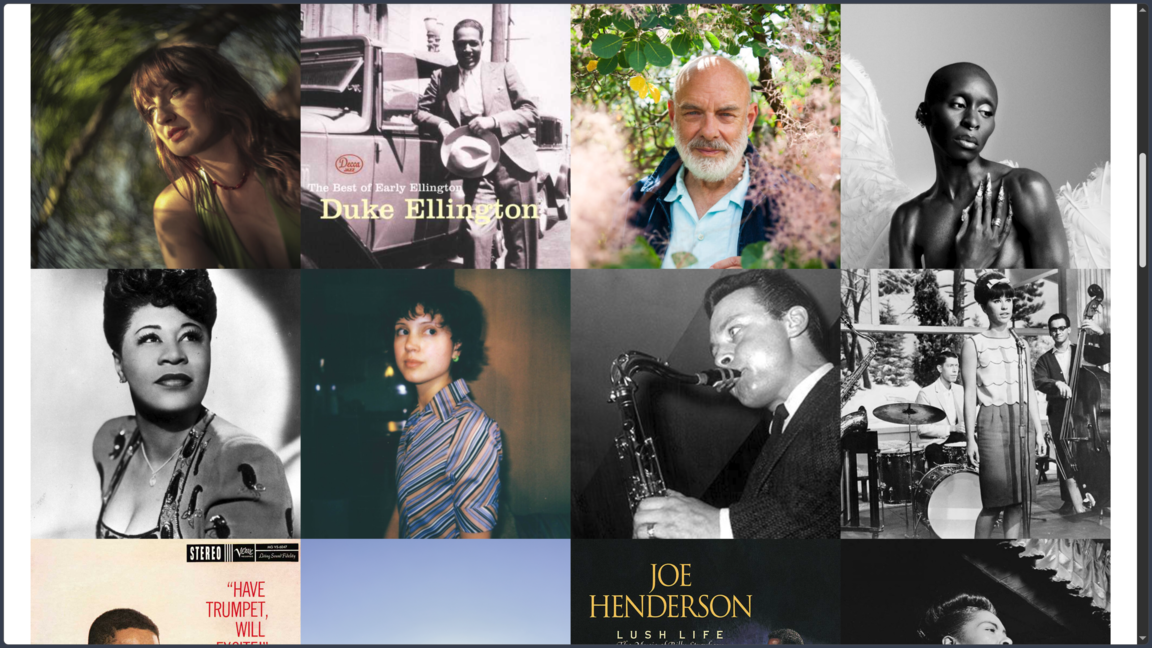
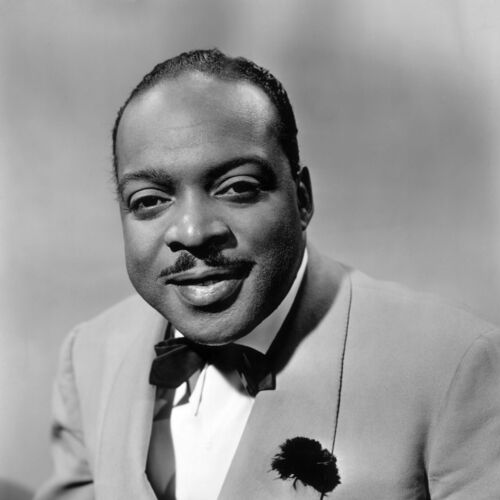
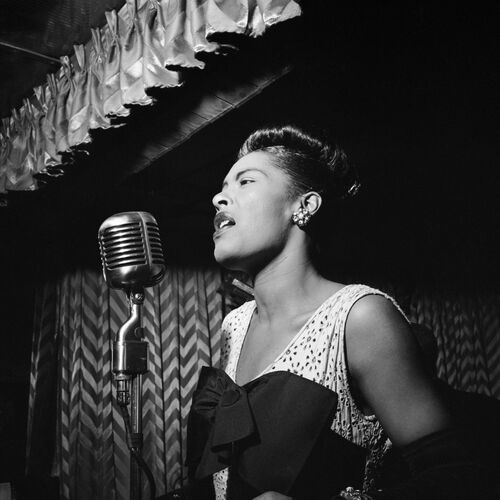
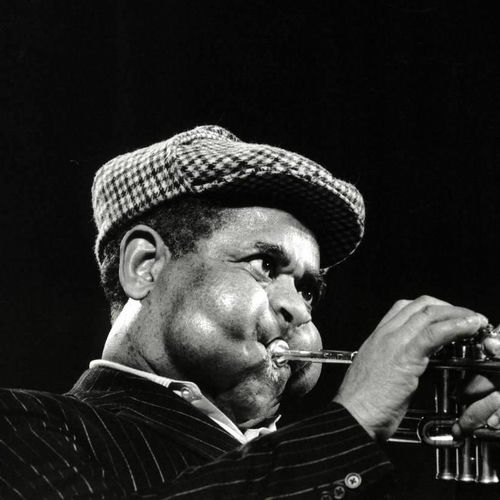
The label's catalogue includes major jazz and American popular music artists such as Ella Fitzgerald, Louis Armstrong, Oscar Peterson, Count Basie, Billie Holiday and Ben Webster. It became particularly well known for its vocal recordings, collaborations between musicians and interpretations of the American songbook.
During the 1960s, Verve also developed an extensive modern jazz catalogue featuring Bill Evans, Stan Getz and Wes Montgomery. Albums including Conversations with Myself (1963), Trio 64 (1964) and Bill Evans Trio with Symphony Orchestra (1965) illustrate its contribution to the development of jazz piano.
Today owned by Universal Music Group, Verve continues releasing new recordings while preserving and promoting its historical catalogue. Its contemporary productions encompass jazz, soul, instrumental music and creative projects crossing musical boundaries.
History
1953-1960 — Norman Granz and the establishment of Verve
Before creating Verve, Norman Granz organised the Jazz at the Philharmonic concert series, bringing together leading figures in American jazz. He also developed his own recording operations through Clef Records and, from 1953, Norgran Records.
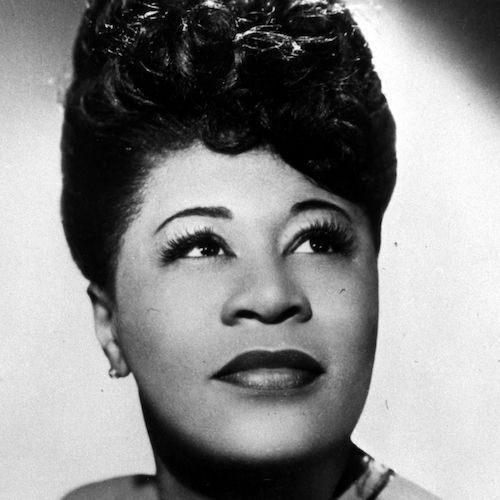
In 1956, he launched Verve Records, particularly to work with Ella Fitzgerald following her departure from Decca. Recordings from his earlier labels were progressively incorporated into the new catalogue.
Ella Fitzgerald then began a series of albums devoted to major American composers. These Song Books, including those dedicated to Cole Porter, Duke Ellington and George Gershwin, became central to Verve's identity.
The label also released musical collaborations such as Louis Armstrong Meets Oscar Peterson (1957) and Porgy & Bess (1957), performed by Ella Fitzgerald and Louis Armstrong.
Granz additionally advocated equal treatment for African-American musicians, particularly in concert and tour organisation, at a time when racial segregation remained institutionalised in parts of the United States.
1961-1972 — MGM and musical diversification
Around the beginning of the 1960s, Norman Granz sold Verve to Metro-Goldwyn-Mayer. Producer Creed Taylor subsequently played an important role in developing the label's artistic direction.
Verve supported the growing popularity of bossa nova in the United States, particularly through recordings by Stan Getz and João Gilberto. Getz/Gilberto (1964), featuring The Girl from Ipanema, helped bring the genre to international audiences.
Jazz piano also remained central to the catalogue. Bill Evans released Conversations with Myself (1963), recorded by overdubbing several piano performances, followed by Trio 64 (1964) and Alone (1969).
Meanwhile, Verve expanded into rock and experimental music, working with The Velvet Underground and Frank Zappa's early recordings with The Mothers of Invention. Its identity therefore broadened beyond traditional jazz.
1972-1999 — PolyGram, reissues and the renewal of jazz
In 1972, Verve became part of the Polydor and later PolyGram recording organisation following the sale of MGM's music operations.
Over the following years, the brand became primarily associated with reissues of its historical recordings. The development of compact discs encouraged renewed interest in the catalogues of Norman Granz, Ella Fitzgerald, Oscar Peterson and Bill Evans.
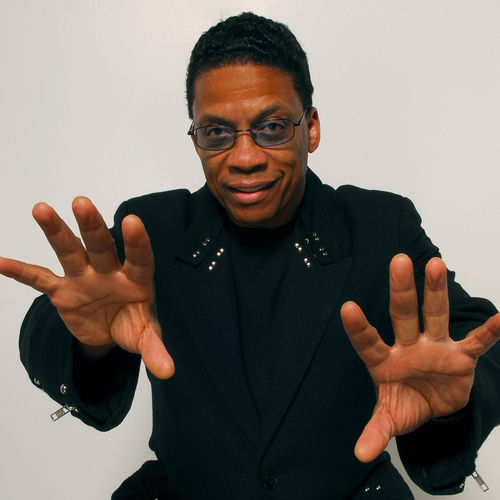
From the 1980s and 1990s onward, Verve resumed a more substantial programme of contemporary recording. Artists including George Benson, Herbie Hancock and John Scofield contributed to this period.
Herbie Hancock's The New Standard (1996) featured jazz interpretations of contemporary songs. John Scofield developed projects combining improvisation, funk and electric jazz, including A Go Go (1998).
Following PolyGram's integration into Universal Music Group in 1998, Verve became a central brand within Verve Music Group, which brought together several jazz catalogues and recording operations.
Since 2000 — Heritage, collaborations and new generations
During the twenty-first century, Verve has continued working with musicians representing both traditional jazz and contemporary approaches.
John Scofield released albums including Works for Me (2000), That's What I Say: John Scofield Plays the Music of Ray Charles (2005) and Combo 66 (2018). The label also worked with Herbie Hancock on River: The Joni Letters (2007), inspired by the music of Joni Mitchell and awarded the Grammy for Album of the Year in 2008.
Verve also developed newer artists. Jazz vocalist Samara Joy received the Grammy Award for Best New Artist in 2023, while Jon Batiste won several awards for We Are, including Album of the Year in 2022.
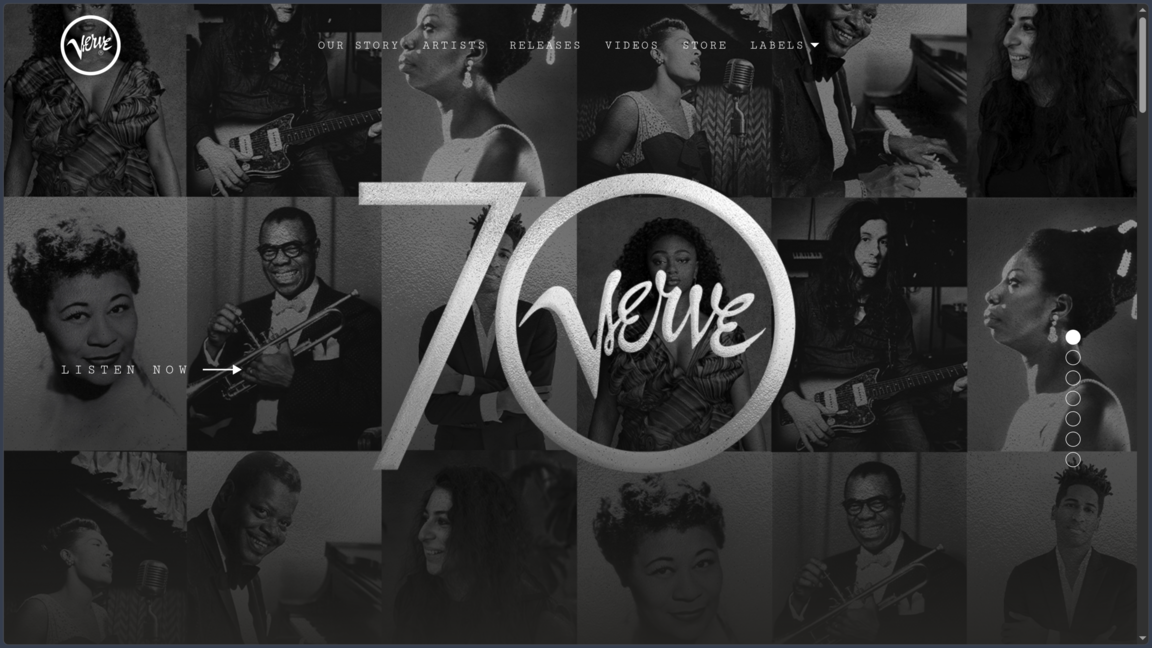
In 2026, Verve celebrated 70 years under its name with a programme of reissues, recordings and releases exploring its history. The anniversary particularly highlighted Norman Granz's work and the musicians who helped establish the label.
Distinctive Features
A major jazz recording heritage
Verve holds an extensive catalogue of important vocal and instrumental recordings. Works by Ella Fitzgerald, Oscar Peterson, Count Basie and Bill Evans document several defining periods in American jazz.
An artistic vision shaped by Norman Granz
The Jazz at the Philharmonic concerts, collaborations between musicians and songbook recording projects helped define the label's identity. Granz's opposition to racial segregation is also an important part of its history.
Openness to musical change
From swing to bossa nova, electric jazz and contemporary music, Verve has accompanied different stylistic developments. Its catalogue also includes experimental rock and collaborations across genres.
Preservation of recorded music
Verve's reissue programmes help preserve and distribute historical recordings. This musical heritage coexists with new productions, connecting several generations of musicians.
Key Facts
- Origins: Norman Granz's recording activities, including Norgran Records, established in 1953.
- Verve brand launched: 1956, notably to record Ella Fitzgerald.
- Founder: Norman Granz, also the organiser of Jazz at the Philharmonic.
- Historic artists: Ella Fitzgerald, Louis Armstrong, Oscar Peterson, Count Basie and Billie Holiday.
- Modern jazz: Bill Evans, Stan Getz, Wes Montgomery and Herbie Hancock.
- 1960s diversification: The Velvet Underground and The Mothers of Invention.
- Corporate history: MGM in the early 1960s, followed by PolyGram in 1972.
- Current parent company: Universal Music Group.
- Major award: Herbie Hancock's River: The Joni Letters, Grammy Award for Album of the Year in 2008.
- Contemporary artists: including Jon Batiste and Samara Joy.
- Anniversary: Verve Records celebrated its 70th anniversary in 2026.