




Overview
PlatinumGames is a Japanese video game development studio established in Osaka in 2007 through the merger of two companies, ODD and SEEDS. Bringing together several creators formerly associated with Capcom and Clover Studio, it specialised in action games emphasising precise controls, elaborate combat systems and spectacular battle sequences.
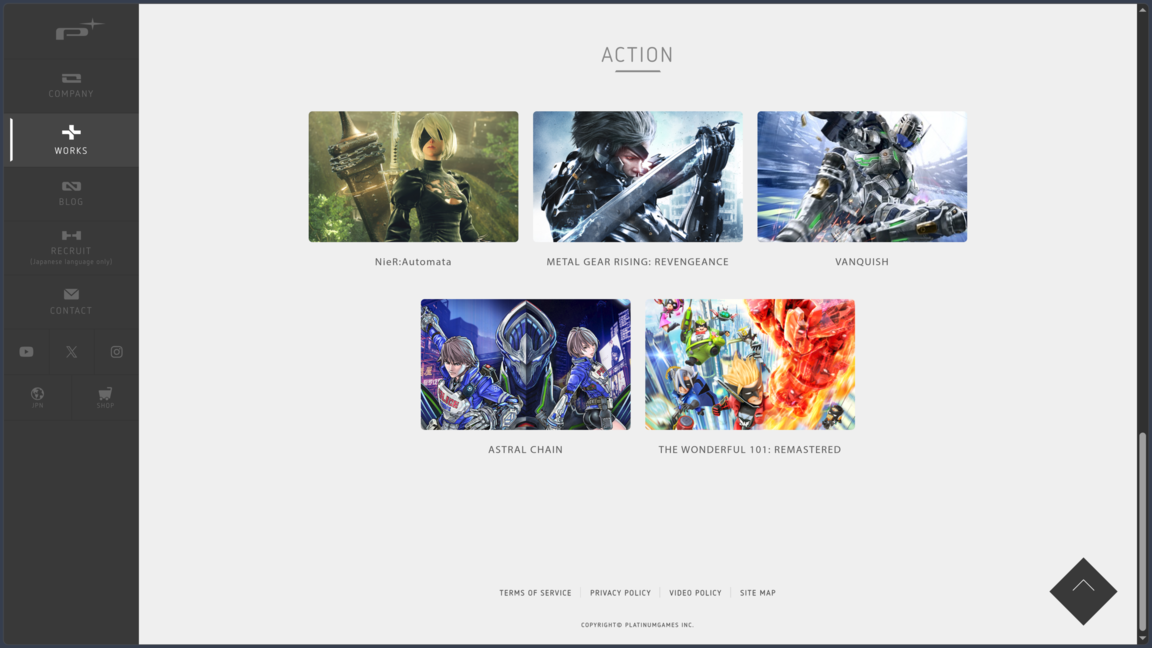
The studio gained recognition with Bayonetta (2009), MadWorld (2009) and Vanquish (2010), before developing titles such as Metal Gear Rising: Revengeance (2013), The Wonderful 101 (2013), NieR: Automata (2017) and Astral Chain (2019). These productions explore different approaches to action gameplay, from technical close-quarters combat to systems involving multiple characters or unusual movement mechanics.
PlatinumGames regularly collaborates with external publishers, including Sega, Nintendo, Konami, Square Enix and Activision. These partnerships have enabled the studio to develop both original creations and games based on established franchises, such as Transformers, Star Fox and Ninja Gaiden.
While maintaining its specialisation in action games, the company has gradually expanded into self-publishing and productions exploring different visual styles and gameplay mechanics.
History
2007-2010 — Foundation and early successes
PlatinumGames was formed in October 2007 through the merger of ODD, a company established in 2006, and SEEDS, a development organisation bringing together former members of Clover Studio, a Capcom subsidiary.
Key figures associated with its origins include Atsushi Inaba, Hideki Kamiya, Shinji Mikami and Tatsuya Minami. Several had previously contributed to major Capcom productions, including Devil May Cry, Viewtiful Joe, Ōkami and Resident Evil.
In 2008, PlatinumGames signed a multi-game publishing agreement with Sega. This partnership supported the studio's early development and allowed it to pursue several distinct approaches to action gameplay.
MadWorld (2009), directed by Shigenori Nishikawa for Wii, stood out for its almost entirely black-and-white visual presentation, punctuated by red, and its deliberately exaggerated combat.
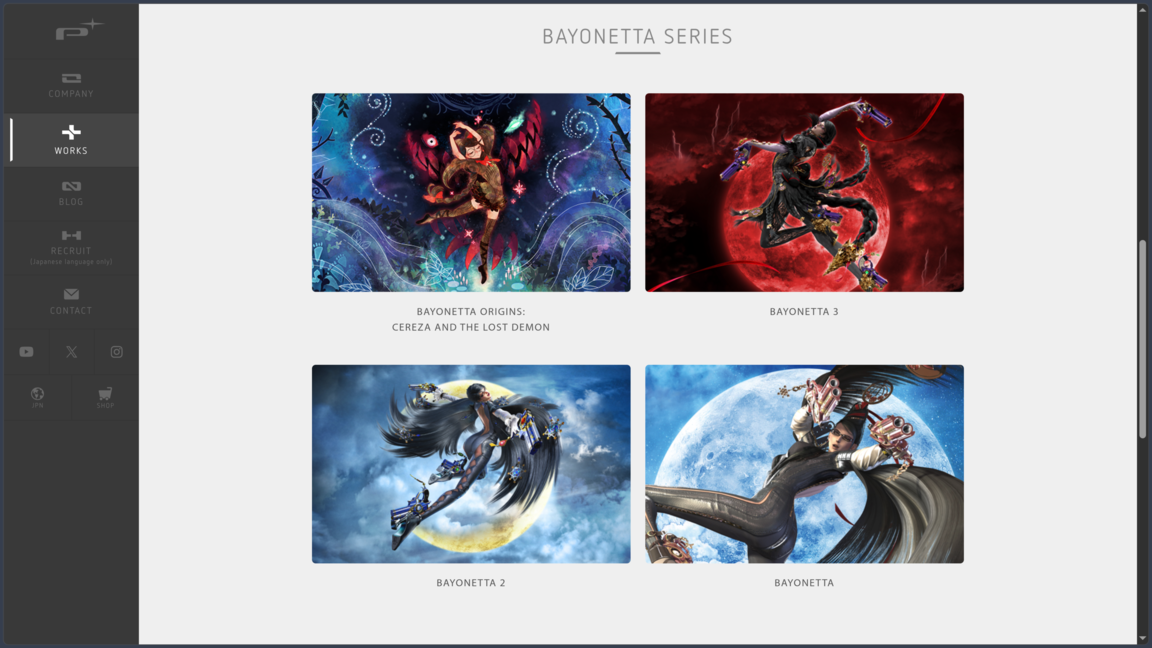
That same year, Bayonetta, directed by Hideki Kamiya, established many of the studio's defining characteristics. The game features a witch capable of performing complex attack combinations and activating Witch Time, a mechanic that temporarily slows time after a precisely timed dodge.
In 2010, Vanquish, directed by Shinji Mikami, brought this emphasis on speed to a third-person shooter. Its propulsion system allows players to move rapidly across battlefields, while sliding and dynamic movement become essential parts of the experience.
These early releases established PlatinumGames' reputation for technically demanding and visually spectacular action games.
2013-2016 — Partnerships and diversification
In 2013, PlatinumGames developed Metal Gear Rising: Revengeance for Konami. Focusing on the character Raiden, the game features fast-paced sword combat and a cutting system that allows players to precisely slice certain enemies and environmental objects.
That same year, the studio released The Wonderful 101 for Wii U, directed by Hideki Kamiya. Players control a group of superheroes who can unite to form giant weapons and objects, combining action, strategy and collective character manipulation.
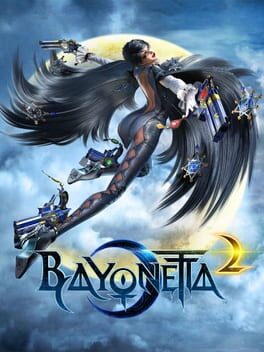
In 2014, Bayonetta 2, directed by Yusuke Hashimoto, continued the witch's adventures. Developed with Nintendo's support, the sequel expanded the original combat mechanics and introduced new abilities, including Umbran Climax.
PlatinumGames simultaneously worked on adaptations of established franchises. The Legend of Korra (2014), published by Activision, brought the animated series into an action game built around the elemental powers of its protagonist.
Transformers: Devastation (2015) recreated the visual style of the original animated series, combining close-range attacks, ranged weapons and transformations between robots and vehicles.
In 2016, the studio collaborated with Nintendo on Star Fox Zero for Wii U. The game combined spacecraft piloting, aerial combat and control systems designed around the console's distinctive hardware.
This period demonstrated PlatinumGames' ability to adapt its action systems to significantly different visual and narrative worlds.
2017-2019 — NieR: Automata and Astral Chain
In 2017, PlatinumGames developed NieR: Automata for Square Enix under the creative direction of Yoko Taro.
The game combines real-time action, exploration, character progression and storytelling from multiple perspectives. It follows androids including 2B and 9S in a world shaped by a conflict between machines and artificial beings representing humanity's remaining forces.
PlatinumGames contributed particularly to the combat systems, animations and integration of different gameplay styles, while the narrative belonged to the universe created by Yoko Taro. The title became one of the studio's most recognised productions and achieved substantial international success.
In 2019, PlatinumGames developed Astral Chain, an original game published by Nintendo for Switch and directed by Takahisa Taura.
Its combat system centres on a distinctive mechanic: players control a police officer who fights alongside an entity known as a Legion, with the two connected by a chain. This arrangement enables coordinated attacks, enemy restraint, movement techniques and environmental interactions.
Through NieR: Automata and Astral Chain, PlatinumGames explored two distinct approaches to action gameplay, combining elaborate combat mechanics with broader narrative structures and progression systems.
2020-2025 — Self-publishing, Bayonetta and Ninja Gaiden
From 2020 onward, PlatinumGames sought to expand its publishing activities. The company had entered into a financial partnership with Tencent in 2019 while stating that its operational independence would remain unchanged.
In 2020, it opened an office in Tokyo and self-published The Wonderful 101: Remastered, an updated version of the game originally released for Wii U. This marked an important step in its ambition to move beyond exclusive reliance on external publishers.
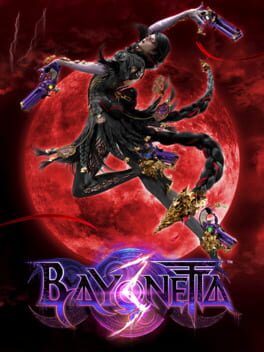
Atsushi Inaba became president and CEO in January 2022, succeeding Kenichi Sato. That same year, PlatinumGames developed Bayonetta 3 for Nintendo Switch, expanding the combat system with the ability to control summoned demons during battles.
In 2023, Bayonetta Origins: Cereza and the Lost Demon explored the protagonist's earlier life through an adventure with a storybook-inspired visual style. It adopted a different approach from the main series, focusing on cooperation between Cereza and the demon Cheshire.
On October 12, 2023, Hideki Kamiya left PlatinumGames, ending his long-standing association with the company he had helped establish.
In 2025, PlatinumGames co-developed Ninja Gaiden 4 with Team Ninja, published by Xbox Game Studios. Released on October 21, the game combined the established combat traditions of the Ninja Gaiden franchise with PlatinumGames' fast-paced and technically demanding action mechanics.
The game introduces a new protagonist, Yakumo, alongside Ryu Hayabusa, and features weapon transformations through a technique called Bloodbind Ninjutsu.
PlatinumGames continues to develop games through a combination of original projects, collaborations with other studios and established franchises.
Distinctive Features
Combat systems built around precision and mastery
PlatinumGames' productions generally emphasise responsive controls, attack combinations, dodging and the gradual mastery of character abilities. In Bayonetta, Metal Gear Rising and Ninja Gaiden 4, understanding the mechanics opens up increasingly elaborate combat possibilities.
Spectacular and dynamic presentation
The studio places considerable emphasis on animation, changes of pace and readable action. Battles against enormous enemies, transitions between different gameplay sequences and particularly expressive movement characterise many of its productions.
An ability to create original mechanics
PlatinumGames goes beyond conventional combat systems. Vanquish relies on propulsion-based movement, The Wonderful 101 treats a group of characters as a collective entity, and Astral Chain explores the simultaneous control of two fighters connected by a chain.
Collaborations with major publishers
The studio regularly works on franchises owned by other companies. Its partnerships with Nintendo, Square Enix, Konami, Sega and Koei Tecmo have produced games with very different identities while preserving its expertise in action-oriented gameplay.
Key Facts
- Established: October 2007, in Osaka, through the merger of ODD and SEEDS.
- Origins: several developers formerly associated with Capcom and Clover Studio.
- Founding figures: Atsushi Inaba, Hideki Kamiya, Shinji Mikami and Tatsuya Minami.
- First major publishing partnership: Sega, in 2008.
- Early productions: MadWorld and Bayonetta (2009).
- Notable shooter: Vanquish (2010), directed by Shinji Mikami.
- Konami collaboration: Metal Gear Rising: Revengeance (2013).
- Nintendo partnership: including The Wonderful 101, Bayonetta 2, Star Fox Zero and Astral Chain.
- Square Enix collaboration: NieR: Automata (2017), directed by Yoko Taro.
- Expansion: Tokyo office opened in 2020, followed by Fukuoka in 2022.
- Self-publishing: The Wonderful 101: Remastered (2020).
- Leadership: Atsushi Inaba, president and CEO since 2022.
- Notable departure: Hideki Kamiya, in October 2023.
- Recent production: Ninja Gaiden 4 (2025), co-developed with Team Ninja.
- Status: active independent development studio in Japan.