Overview
Bayonetta 2 retains the fast-paced combat principles of the first game while expanding the Umbra Witch’s offensive possibilities. Physical attacks, firearms, dodges, magic and long combo chains remain closely interconnected, but several new systems allow demonic attacks to be brought into regular battles more frequently.
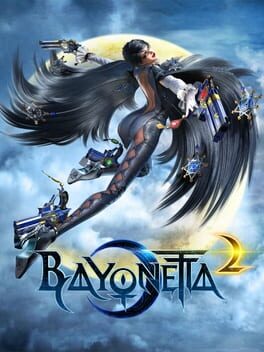
Developed by PlatinumGames and published by Nintendo, the game was released on September 20, 2014. The listed platforms are Nintendo Switch and Nintendo Wii U. The associated genres are action, adventure, fantasy, FPS and hack-and-slash. The specified modes are Single player and Multiplayer.
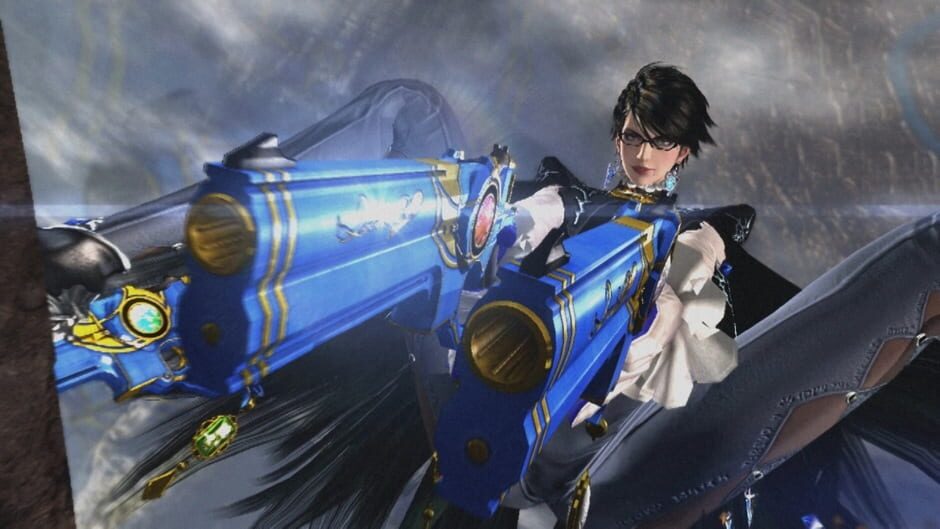
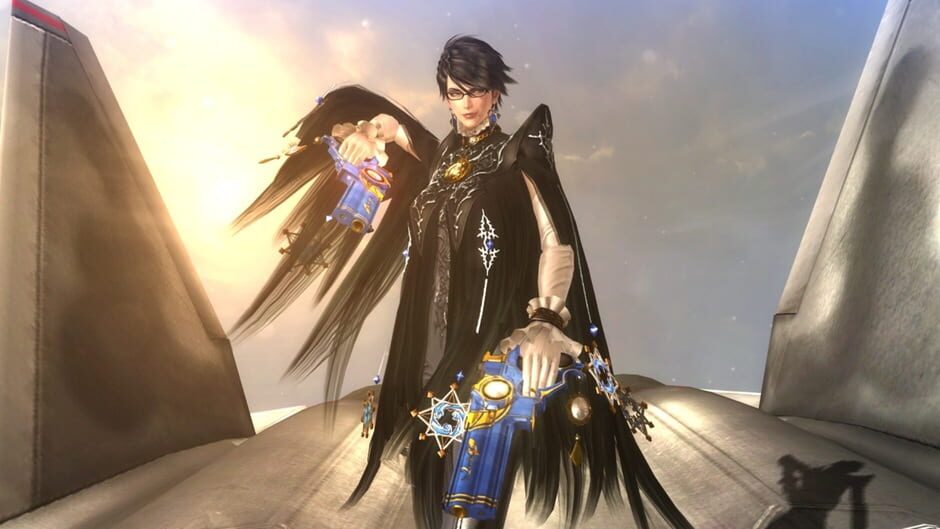
The Bullet Arts remain at the center of the combat system. Bayonetta combines melee attacks with weapons equipped on her hands and feet, allowing attack strings to be extended with gunfire and different loadouts to be created depending on the equipment used. This sequel introduces several new weapons that alter the range, rhythm or behavior of combos.
Dodging retains its essential role. A precisely timed dodge can trigger Witch Time and temporarily slow enemies, giving Bayonetta an opening to continue her offense. The principle of combo continuity therefore remains closely tied to avoiding attacks rather than maintaining a strict separation between defense and offense.
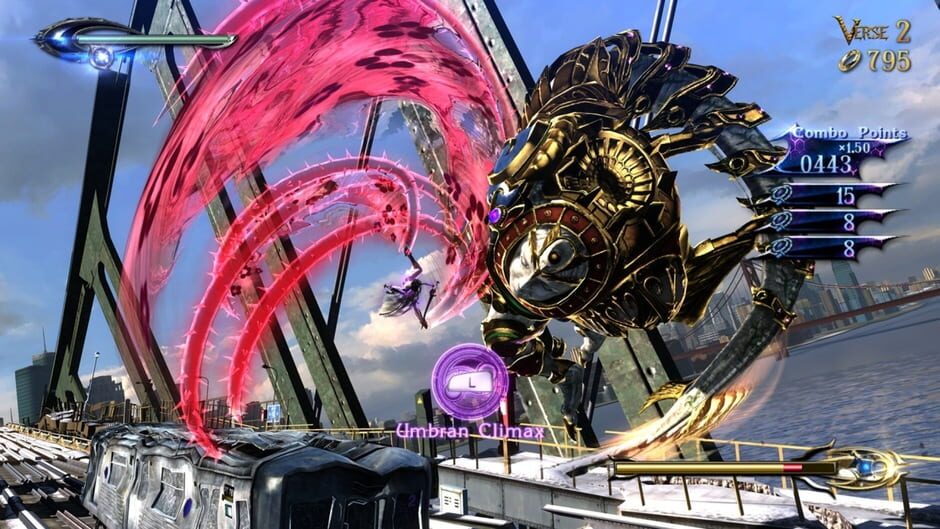
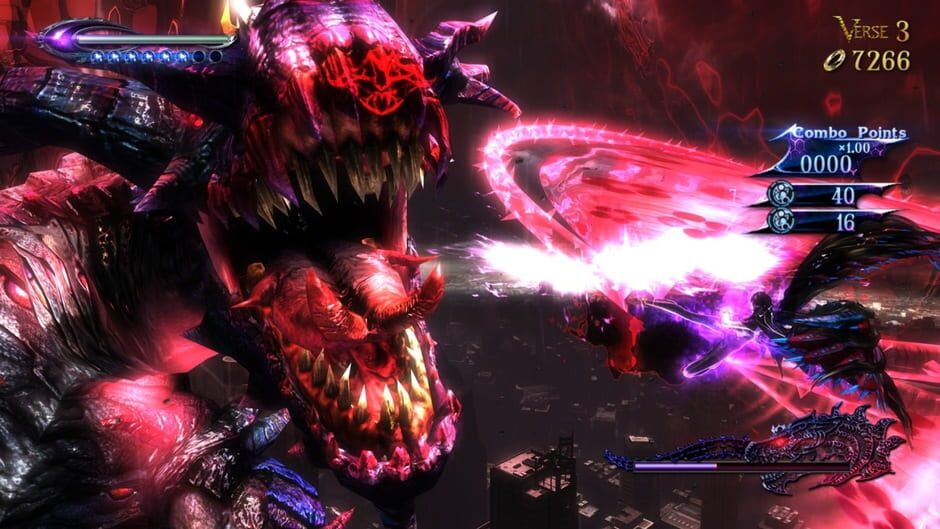
The central new mechanic is Umbran Climax. Once the required magic resource is available, Bayonetta can temporarily strengthen her attacks and bring Infernal Demons directly into ordinary combat. Where these creatures mainly appeared during particularly spectacular sequences in the first game, they now become a component that can be used directly during battle.
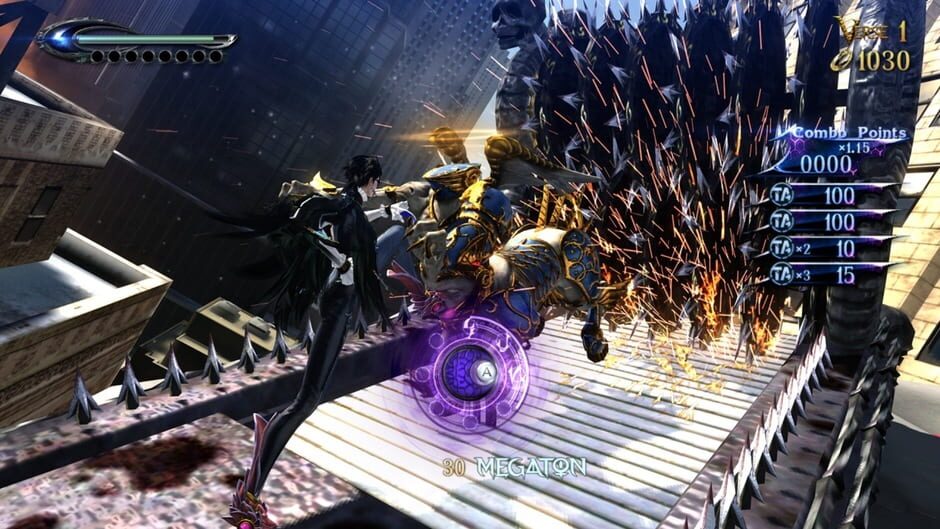
Torture Attacks also return with new variations. These techniques use accumulated magic to summon different instruments of torture and inflict powerful attacks on enemies, giving the player several ways to spend the magic gauge depending on the situation.
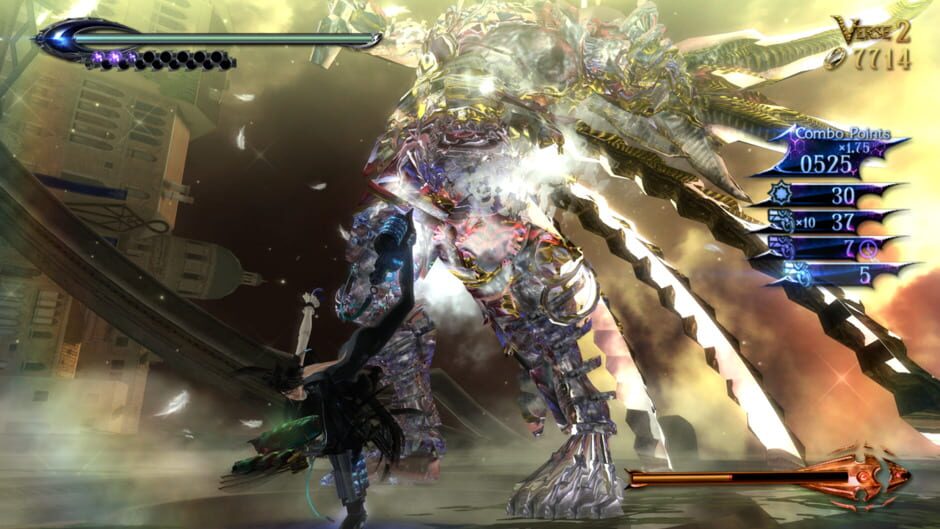
Combat design also seeks to reduce downtime. Encounters regularly unfold within moving situations or shifting environments, with sequences taking place notably on vehicles or in the air. This staging supports a system that constantly asks the player to alternate between movement, dodging and offense.
Both angels and demons now appear among the enemies. The journey toward Inferno therefore expands the bestiary beyond the forces of Paradiso that were central to the first game, while retaining enemies designed around distinct behaviors and attack windows.
Performance continues to be evaluated throughout combat. Chaining attacks, managing damage taken and overall efficiency contribute to medal rankings, with several levels of results extending up to Pure Platinum.
Bayonetta 2 also introduces a multiplayer mode called Tag Climax. Two players fight together through a series of battles. Verse Cards determine the encounters offered, while Halos can be wagered before battles and earned depending on the results.
The mode nevertheless retains a competitive dimension within cooperation: both participants face the same enemies, but their performances are evaluated individually. Certain encounters also allow them to fill a shared magic gauge and trigger a joint Umbran Climax.
The Nintendo Switch version extends Tag Climax to local and online multiplayer, while the mode itself remains centered on two-player battles. This version therefore allows the cooperative system to be used both locally and at a distance.
Bayonetta 2 therefore develops the foundations of the first game without replacing its combat language. Bullet Arts, dodging and combos remain at the center of the experience, while Umbran Climax, the new weapons and Tag Climax respectively expand offensive power, available configurations and the forms of combat offered.
Key takeaways
- Bayonetta 2 retains Bullet Arts, combos and dodging at the center of its combat system.
- Several new weapons alter attack combinations and combat rhythm.
- A precisely timed dodge can still trigger Witch Time.
- Umbran Climax allows Infernal Demons to be integrated directly into attacks during ordinary battles.
- Torture Attacks return with new variations.
- Bayonetta fights both angels and demons.
- Combat performance continues to be evaluated up to the Pure Platinum rank.
- Tag Climax offers two-player battles combining cooperation, individual scores and Halo wagers.
Conclusion
Bayonetta 2 primarily expands the system established by the first game rather than rebuilding it. Bullet Arts, dodging, weapons equipped on multiple limbs and combo continuity remain the foundations around which battles are organized.
Umbran Climax nevertheless changes the use of magic by bringing Infernal Demons more directly into combat. New weapons and new enemies simultaneously expand the situations these systems must address.
Tag Climax finally adds a multiplayer dimension to this structure. Cooperation against the same enemies coexists with individual performance evaluation, transferring part of the solo game’s scoring logic into two-player battles.
Good to know
- Bayonetta 2 was released on September 20, 2014.
- The game was developed by PlatinumGames and published by Nintendo.
- The listed platforms are Nintendo Switch and Nintendo Wii U.
- The associated genres are action, adventure, fantasy, FPS and hack-and-slash.
- The specified modes are Single player and Multiplayer.
- Umbran Climax allows the power of Infernal Demons to be used during combat.
- Tag Climax offers cooperative battles for two players.
- The Nintendo Switch version supports Tag Climax in local or online multiplayer.