














Overview
Mercury Records is an American record label founded in Chicago in 1945 by Irving Green, Berle Adams and Arthur Talmadge. Initially independent, it developed a catalogue spanning popular music, jazz, rhythm and blues and classical recordings before establishing an international presence in rock, pop and contemporary music.
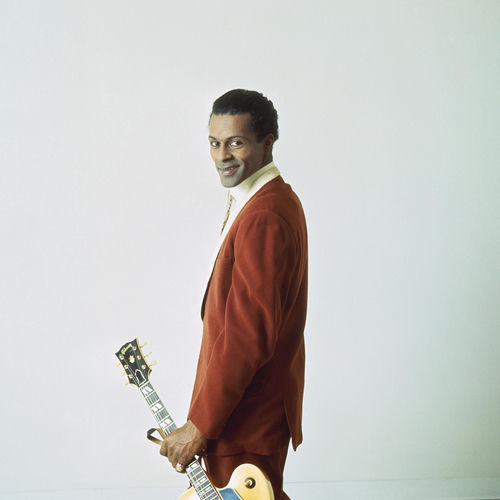
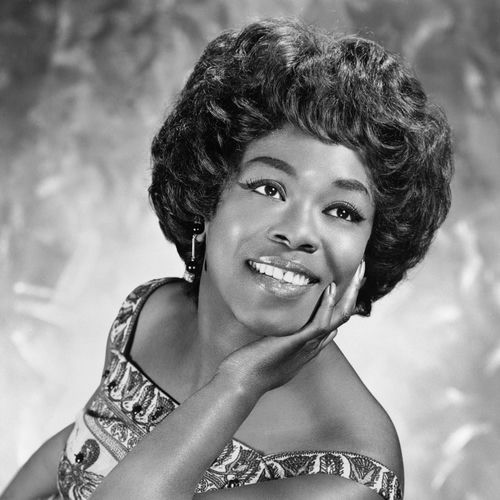
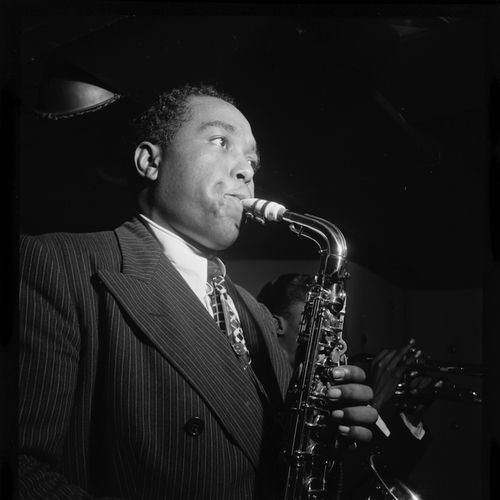
During its early decades, Mercury worked with artists including Patti Page, Sarah Vaughan and Charlie Parker. The label also participated in the development of rock and roll, particularly through Chuck Berry, who released several albums under the Mercury name during the late 1960s. In classical and orchestral music, the Mercury Living Presence series acquired a notable reputation for its recording techniques.
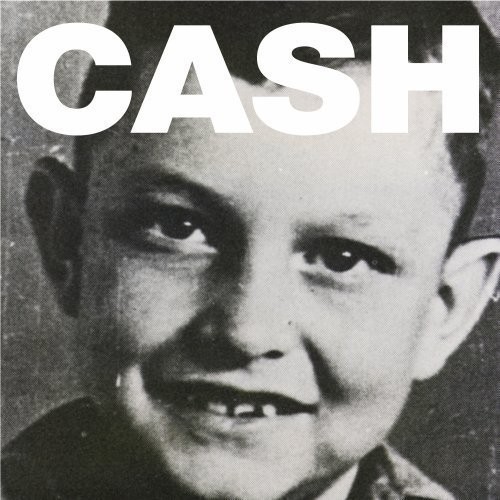
From the 1970s onward, Mercury belonged to the recording organisation that became PolyGram. Its catalogue expanded to include musicians such as Van Morrison, Dire Straits, Johnny Cash and several international rock acts. During the twenty-first century, the Mercury name also appeared on releases by Portishead, U2 and Stromae, notably Racine carrée (2013), depending on territory and recording partnerships.
Following several reorganisations within Universal Music Group, Mercury Records was relaunched in the United States in 2022. This new phase supports artists including Post Malone and Noah Kahan while maintaining a name associated with generations of recorded music.
History
1945-1960 — Chicago, jazz and Mercury Living Presence
Mercury Records was established in Chicago in 1945 during a period of growth for American independent record labels. Its founders sought to compete with major recording companies through diverse productions and an extensive distribution network.
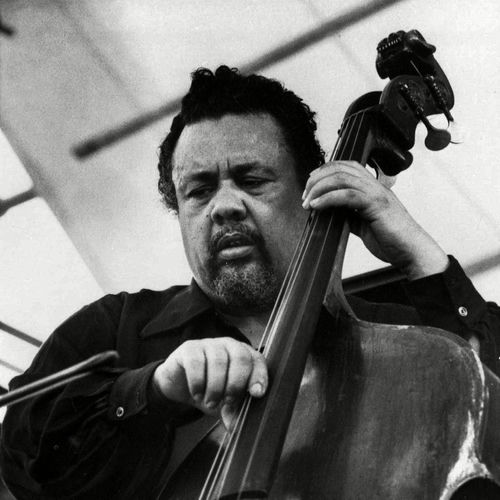
The label quickly developed a presence in popular music and jazz. Patti Page achieved significant commercial success, while Sarah Vaughan and Charlie Parker were among the musicians associated with its catalogue. In 1954, Mercury also established EmArcy Records, an imprint dedicated to jazz.
In 1951, the first Mercury Living Presence recordings gave the label a distinctive place in classical recording history. Under the supervision of Wilma Cozart Fine and through the engineering work of C. Robert Fine, the series pursued natural sound reproduction, notably using single-microphone techniques and later three-channel stereo recording.
Recordings conducted by Antal Doráti, including Stravinsky's ballets The Firebird and The Rite of Spring, illustrate this combination of technical and artistic ambition.
1961-1980 — Philips, PolyGram and rock expansion
During the early 1960s, Mercury came under the control of the Dutch Philips group. In 1972, the brand became part of PolyGram, the organisation established through the combination of Philips and Deutsche Grammophon's recording operations.
During this period, Chuck Berry released several albums on Mercury, including Chuck Berry in Memphis (1967), From St. Louie to Frisco (1968) and Concerto in “B Goode” (1969). These recordings continued his career following his earlier successes at Chess Records.
Mercury also developed a substantial rock and pop catalogue, particularly with Rod Stewart, Rush and other international performers. The label worked with Van Morrison on Into the Music (1979) and Common One (1980), two albums exploring relationships between soul, folk, jazz and rhythm and blues.
PolyGram's international activities enabled Mercury to appear on different territorial editions, sometimes alongside other recording brands such as Vertigo.
1981-2013 — International rock and catalogue diversification
During the 1980s and 1990s, Mercury continued operating in rock, pop and popular music. The brand appeared on certain editions by Dire Straits, including Making Movies (1980), and was associated with artists such as Johnny Cash, Bon Jovi and Def Leppard.
In 1998, Seagram's acquisition of PolyGram brought Mercury into Universal Music Group. The label retained a presence in several territories, although its activities were progressively reorganised within national divisions and larger label groups.
Its catalogue subsequently extended across diverse musical styles. Portishead's Third (2008) and U2's No Line on the Horizon (2009) appeared among releases associated with Mercury in certain markets.
In France, the brand was involved in Stromae's Racine carrée (2013), through a partnership with Mosaert and Universal Music France. The album's success reinforced the Mercury name's presence in contemporary French-language music.
Since 2022 — American relaunch and new generations
In April 2022, Republic Records announced the American relaunch of Mercury Records under Tyler Arnold and Ben Adelson. The new organisation focused on developing contemporary artists and partnerships with other recording companies.
Its roster included Post Malone, Noah Kahan, James Bay, Lord Huron and Stephen Sanchez. Mercury also worked with Big Loud, notably on the distribution of recordings by Morgan Wallen.
In 2024, Mercury became part of Republic's newly structured organisation, REPUBLIC Collective. In March 2025, Tyler Arnold was appointed Mercury Records' chairman and chief executive officer, while Ben Adelson became president and chief operating officer.
The label has supported releases including Post Malone's F-1 Trillion (2024) and Noah Kahan's The Great Divide (2026). This new period combines pop, folk, rock and country while continuing the activities of a historic recording brand.
Distinctive Features
An exceptionally diverse catalogue
Mercury worked with jazz artists including Sarah Vaughan and Charlie Parker, rock and roll musicians such as Chuck Berry, and later rock, pop and electronic music performers. This diversity is reflected throughout the label's international catalogues.
A landmark in recording history
The Mercury Living Presence collection is known for its approach to orchestral sound recording. The work of Wilma Cozart Fine and C. Robert Fine established lasting technical references in classical music production.
A complex international structure
Mercury belonged successively to Philips, PolyGram and Universal Music Group. Its different divisions and recording partnerships explain why the Mercury name appears on territorial editions, although not every recording was produced directly by the same organisation.
A revived historical brand
Mercury's American relaunch in 2022 established a new artist development operation. This contemporary organisation should be distinguished from the label's former divisions and historical catalogues.
Key Facts
- Founded: 1945, in Chicago.
- Founders: Irving Green, Berle Adams and Arthur Talmadge.
- Important early artists: Patti Page, Sarah Vaughan and Charlie Parker.
- Jazz: establishment of EmArcy Records in 1954.
- Classical music: Mercury Living Presence series launched in 1951.
- Rock and roll: Chuck Berry recorded for Mercury during the 1960s.
- Ownership changes: Philips in the early 1960s and PolyGram from 1972.
- Universal Music Group: integration following the acquisition of PolyGram in 1998.
- French-language music: Stromae's Racine carrée (2013), in partnership with Mosaert.
- American relaunch: 2022, within Republic Records.
- Leadership since 2025: Tyler Arnold and Ben Adelson.
- Contemporary artists: Post Malone, Noah Kahan and James Bay.