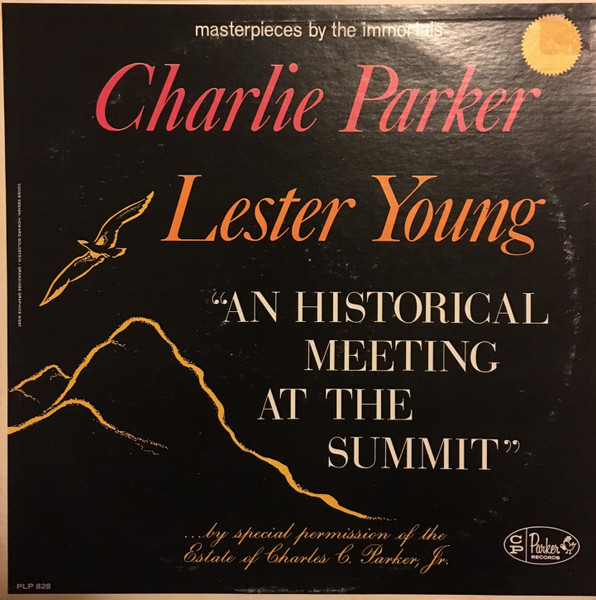
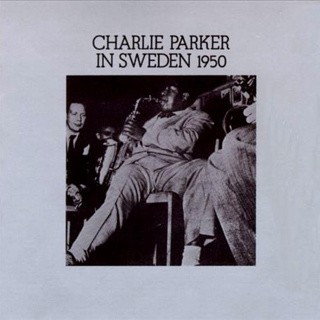
Charlie Parker was an American alto saxophonist and composer who helped establish bebop and modern jazz. Nicknamed 'Bird', he revolutionised improvisation during the 1940s through his rapid phrasing, harmonic innovations and collaborations with Dizzy Gillespie, Miles Davis and Max Roach. Recordings such as Ko-Ko, Ornithology and Parker's Mood demonstrate his distinctive musical approach. Although his career ended with his premature death in 1955, his influence continues to shape generations of jazz musicians.
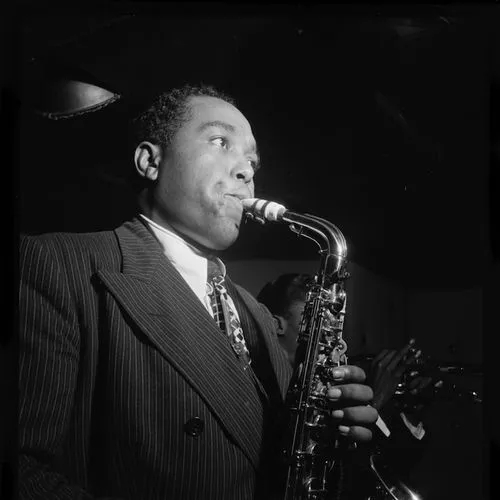
Details
- Type
- Music
- Countries
- 🇺🇸 United States
- Genres
- Jazz, Bebop
- Albums
- 12
Synopsis
Charlie Parker
Glossary terms: Alto (voice), Arrangement, Bebop, Blues, Bounce (audio export), Chord, Chromaticism, Composer, Composition, Confirmation, Development, Fundamental, Harmonic (overtone), Jazz, Line level, Phrasing, Row / record, Session, Suite, Tempo, Virtuosity
Trailer
Watch the trailer
Overview
Presentation
Charlie Parker, born Charles Christopher Parker Jr. on August 29, 1920, in Kansas City, Kansas, was an American alto saxophonist and composer. He grew up in Kansas City, Missouri, where the local jazz and blues scene shaped his musical development. Influenced particularly by Lester Young, he developed a distinctive technique based on virtuosity, harmonic exploration and improvisation. After performing with Jay McShann's orchestra, he moved to New York and helped develop bebop alongside Dizzy Gillespie, Thelonious Monk, Kenny Clarke and other musicians associated with modern jazz.
During the mid-1940s, Parker transformed the language of jazz through rapid improvisations, complex melodic lines and adventurous chord substitutions. His 1945 recordings, including Ko-Ko, Billie's Bounce and Now's the Time, became essential landmarks in the development of bebop. He continued exploring new musical possibilities with Ornithology, Yardbird Suite, Confirmation and Parker's Mood. His ensembles featured important musicians such as Miles Davis, Max Roach and Bud Powell.
In the late 1940s, Parker also explored the combination of jazz improvisation and orchestral arrangements through recordings with string ensembles, later collected in releases including Charlie Parker with Strings. In 1953, he participated in the historic Massey Hall concert in Toronto alongside Dizzy Gillespie, Bud Powell, Charles Mingus and Max Roach. His career was nevertheless affected by health problems and addiction. He died on March 12, 1955, in New York City, aged 34.
Key Takeaways
Charlie Parker was one of the central figures in the development of bebop, a movement that transformed jazz during the 1940s. His playing was characterised by fast tempos, virtuosic phrases, chromatic melodies and sophisticated harmonic progressions. He reworked the chord structures of existing standards into new compositions, turning improvisation into an increasingly elaborate form of musical exploration.
Known as "Bird" or "Yardbird", Parker influenced not only saxophonists but also trumpeters, pianists and jazz composers. His collaboration with Dizzy Gillespie helped establish bebop as a central language of modern jazz, laying the groundwork for hard bop and further developments in harmonic improvisation.
Conclusion
Charlie Parker holds a fundamental place in jazz history. His melodic, rhythmic and harmonic innovations transformed improvisation and composition, establishing musical principles that remain central to modern jazz.
Did You Know?
- Identity: Charles Christopher Parker Jr., born August 29, 1920, in Kansas City, Kansas, and died March 12, 1955, in New York City, United States.
- Nicknames: "Bird" and "Yardbird".
- Instrument: alto saxophone.
- Major collaborations: Dizzy Gillespie, Miles Davis, Max Roach, Bud Powell, Thelonious Monk and Charles Mingus.
- Signature compositions: Ko-Ko, Now's the Time, Billie's Bounce, Ornithology, Yardbird Suite, Confirmation, Scrapple from the Apple and Parker's Mood.
- Notable recordings: Savoy and Dial sessions from the 1940s, Charlie Parker with Strings and Jazz at Massey Hall (1953).
- Musical innovation: improvisation based on chord progressions, chromaticism and harmonic substitutions.
- Historic performance: Massey Hall, Toronto, May 15, 1953, with Dizzy Gillespie, Bud Powell, Charles Mingus and Max Roach.
- Legacy: a founding figure of bebop whose influence helped shape modern jazz.
Link graph
Open in the full graphLoading the graph…
Only the strongest links are shown.
View the list ({count})
Discography
Discography (12)