Overview
Founded in 1992 in California, Crystal Dynamics is an American video game development studio primarily associated today with Tomb Raider and Legacy of Kain. Its history is broader, however: the studio began as an independent developer and publisher at the start of the 32-bit era, created Gex, contributed to building Legacy of Kain, took over Tomb Raider after Core Design and more recently worked on Marvel’s Avengers.
This trajectory gives it a distinctive place within the industry. Crystal Dynamics did not build its identity around a single franchise retained since its founding. Instead, the studio has gone through several periods during which its responsibilities changed profoundly.
During the 1990s, it developed its own games and also operated as a publisher.
After its acquisition by Eidos Interactive in 1998, it gradually became one of the British publisher’s major studios.
From 2006, it took charge of Tomb Raider and became one of the main architects of Lara Croft’s modern evolution.
After Square Enix acquired Eidos in 2009, the studio developed a new reinterpretation of the franchise with Tomb Raider in 2013 and then Rise of the Tomb Raider in 2015.
In 2022, another major break occurred when Square Enix sold Crystal Dynamics to Embracer Group, together with Eidos-Montréal and a major catalogue of properties including Tomb Raider and Legacy of Kain.
Crystal Dynamics announced shortly afterwards that it had regained control of several of its historic franchises, including Tomb Raider and Legacy of Kain.
The studio therefore occupies a different position today from the one it held under Eidos or Square Enix. It remains first and foremost a developer, but it also participates in managing its properties, exploiting them in other media and, in some cases, publishing them.
This evolution is particularly clear with Legacy of Kain. After years without a major new production, Crystal Dynamics supported Legacy of Kain: Soul Reaver 1 & 2 Remastered with Aspyr in 2024 and then directly published Legacy of Kain: Defiance Remastered in 2026, developed with PlayEveryWare. The studio also participates in new projects intended to extend the universe.
Tomb Raider nevertheless remains at the center of its activity.
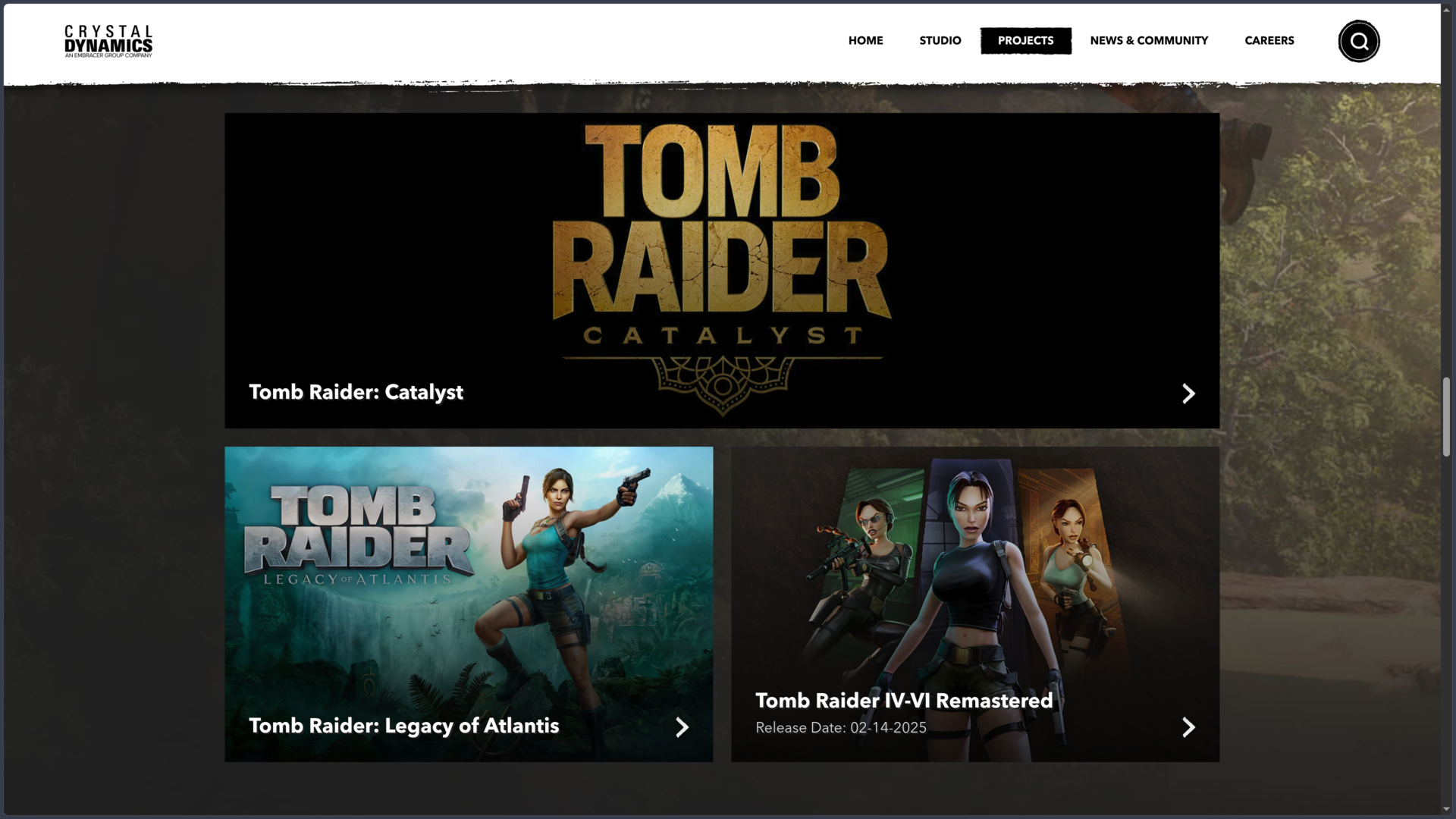
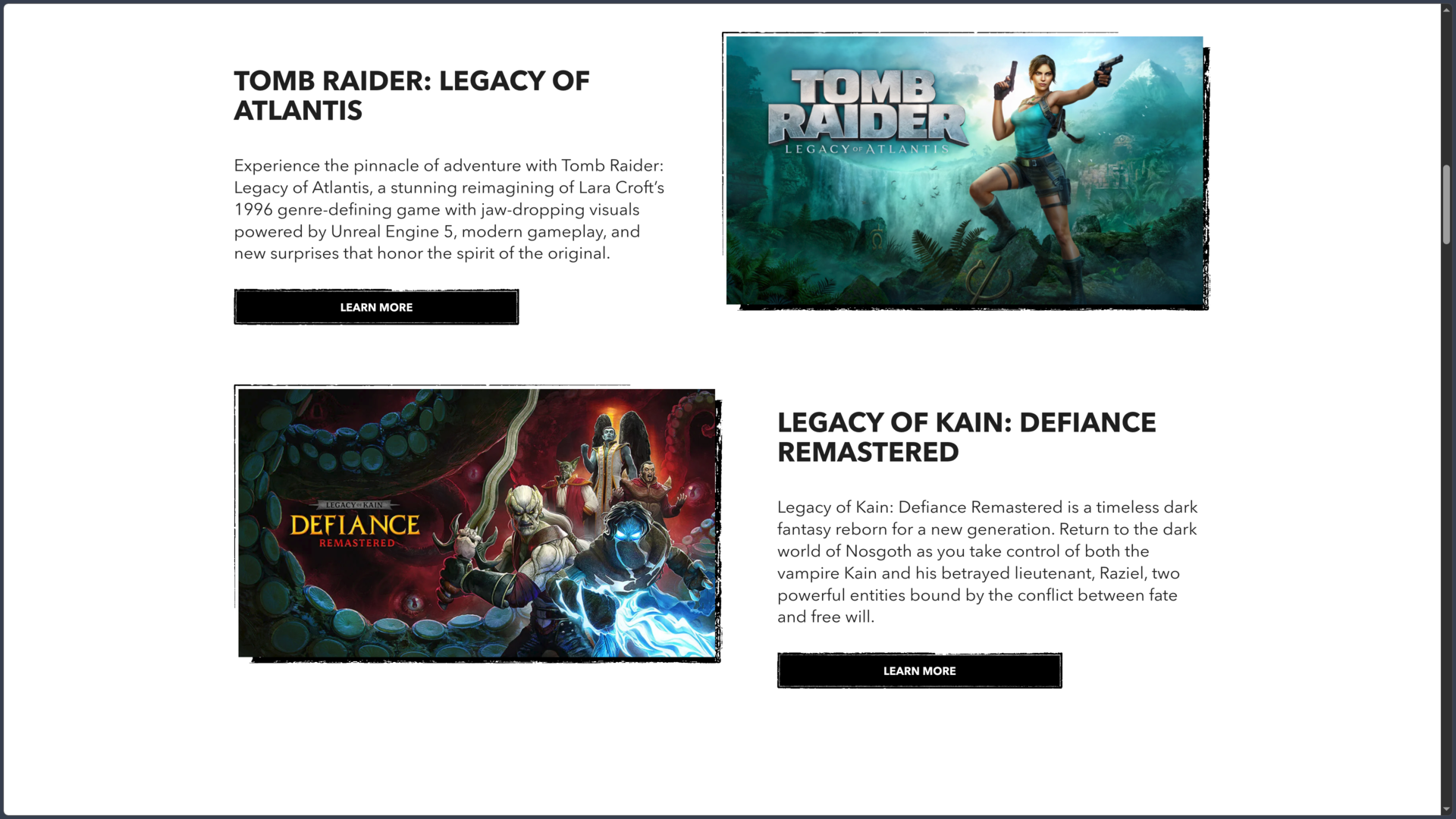
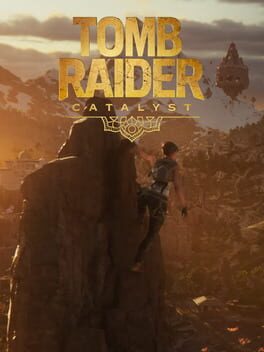
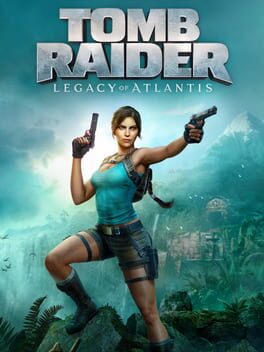
Crystal Dynamics is currently developing Tomb Raider: Catalyst, a new main Lara Croft adventure created with the involvement of several teams and published under the partnership established with Amazon Games. The studio is also working on Tomb Raider: Legacy of Atlantis, a modern reimagining of the original 1996 game.
The company now operates as a group of three studios in the United States, with its headquarters in San Carlos, California, and teams also located in Bellevue, Washington, and Austin, Texas. Crystal Dynamics states that it brings together more than 300 creators working collaboratively across its different productions.
Its contemporary identity therefore combines several dimensions accumulated over more than thirty years: creating new properties, taking over existing franchises, AAA development, networked work with other studios and now more direct management of certain universes whose histories it helped define.
History
1992: emerging with the CD and 32-bit generation
Crystal Dynamics was founded in 1992 by Madeline Canepa, Judy Lange and Dave Morse in the San Francisco Bay Area.
The founders already had significant experience in the technology and video game industries. Canepa and Lange had notably worked at Sega, while Dave Morse had been involved in several companies connected to computing and new multimedia platforms.
The studio emerged at a time when video games were preparing for a major technical transformation.
CD-ROM was beginning to change the amount of data available to developers, while new machines promised 3D graphics, video and higher-quality audio.
Crystal Dynamics was particularly interested in the 3DO Interactive Multiplayer.
The studio became one of the first licensed developers for the new platform and created Crash ’n Burn, launched alongside the console in 1993.
This first period already gave Crystal Dynamics a fairly unusual operating model.
The company did not only want to develop games.
It also wanted to participate in their production and commercialization, with a structure partly inspired by the operation of an entertainment studio capable of building its own properties and working with different distribution partners.
The 3DO did not, however, achieve the expected commercial success.
Crystal Dynamics therefore had to quickly broaden its strategy toward other consoles.
Gex and rapid adaptation to new consoles
The studio turned toward the new 32-bit machines, particularly the PlayStation and Sega Saturn.
In the mid-1990s, Gex became one of its first truly identifiable properties.
The gecko character appeared across several installments and allowed Crystal Dynamics to develop a series capable of evolving from 2D platforming toward 3D environments.
At the same time, the studio worked on other productions such as Pandemonium!, Solar Eclipse and The Horde and also published certain games developed by external teams.
This period remained very different from Crystal Dynamics’ current identity.
The studio had not yet specialized in the large realistic narrative adventures that would later define part of its catalogue.
It experimented with several genres and attempted to quickly exploit the technical possibilities of new consoles.
This ability to adapt became one of the recurring threads of its history.
Legacy of Kain: moving from publishing to building a universe
In 1996, Crystal Dynamics published Blood Omen: Legacy of Kain, developed by Silicon Knights.
The game established the gothic universe of Nosgoth and its protagonist Kain.
The relationship between the companies around the property became complex, but Crystal Dynamics then continued the franchise directly and developed Legacy of Kain: Soul Reaver.
Released in 1999, Soul Reaver profoundly changed the series.
Players now controlled Raziel and could shift between the material and spectral worlds, transforming both the environments and certain navigation and puzzle-solving possibilities.
The project was notably directed and written by Amy Hennig, who would play a major role in several installments of the series.
Crystal Dynamics subsequently developed Soul Reaver 2, Blood Omen 2 and Legacy of Kain: Defiance.
This period strongly contributed to defining a new identity for the studio.
The appeal no longer depended only on technology or the construction of an immediately recognizable character.
Legacy of Kain developed dense storytelling, recurring characters, complex mythology and a close relationship between narrative, exploration and gameplay mechanics.
Several elements Crystal Dynamics would later develop further in Tomb Raider were already visible: the importance of movement through environments, puzzles integrated into spaces, narrative staging and the desire to advance character and world simultaneously.
1998: joining Eidos Interactive
During the development of this new period, Crystal Dynamics also changed status.
In 1998, the studio was acquired by Eidos Interactive.
Crystal Dynamics gradually stopped operating as an independent publisher and became a studio integrated into Eidos’ catalogue.
The acquisition brought it closer to several important properties owned by the British publisher.
Among them was Tomb Raider, still developed at the time by Core Design.
For several years, Crystal Dynamics mainly continued its own catalogue, particularly Legacy of Kain.
But in the early 2000s, the situation surrounding Tomb Raider changed.
After several successive installments and the difficulties surrounding Tomb Raider: The Angel of Darkness, Eidos decided to entrust Lara Croft’s future to a new team.
Crystal Dynamics received that responsibility.
2006: taking over Tomb Raider
The first Tomb Raider developed by Crystal Dynamics was Tomb Raider: Legend, released in 2006.
The project did not simply attempt to continue the exact formula established by Core Design.
Crystal Dynamics revised the controls, mobility, camera, level structure and several elements of Lara Croft’s story.
The result allowed the studio to establish its own interpretation of the franchise.
Tomb Raider: Anniversary followed in 2007.
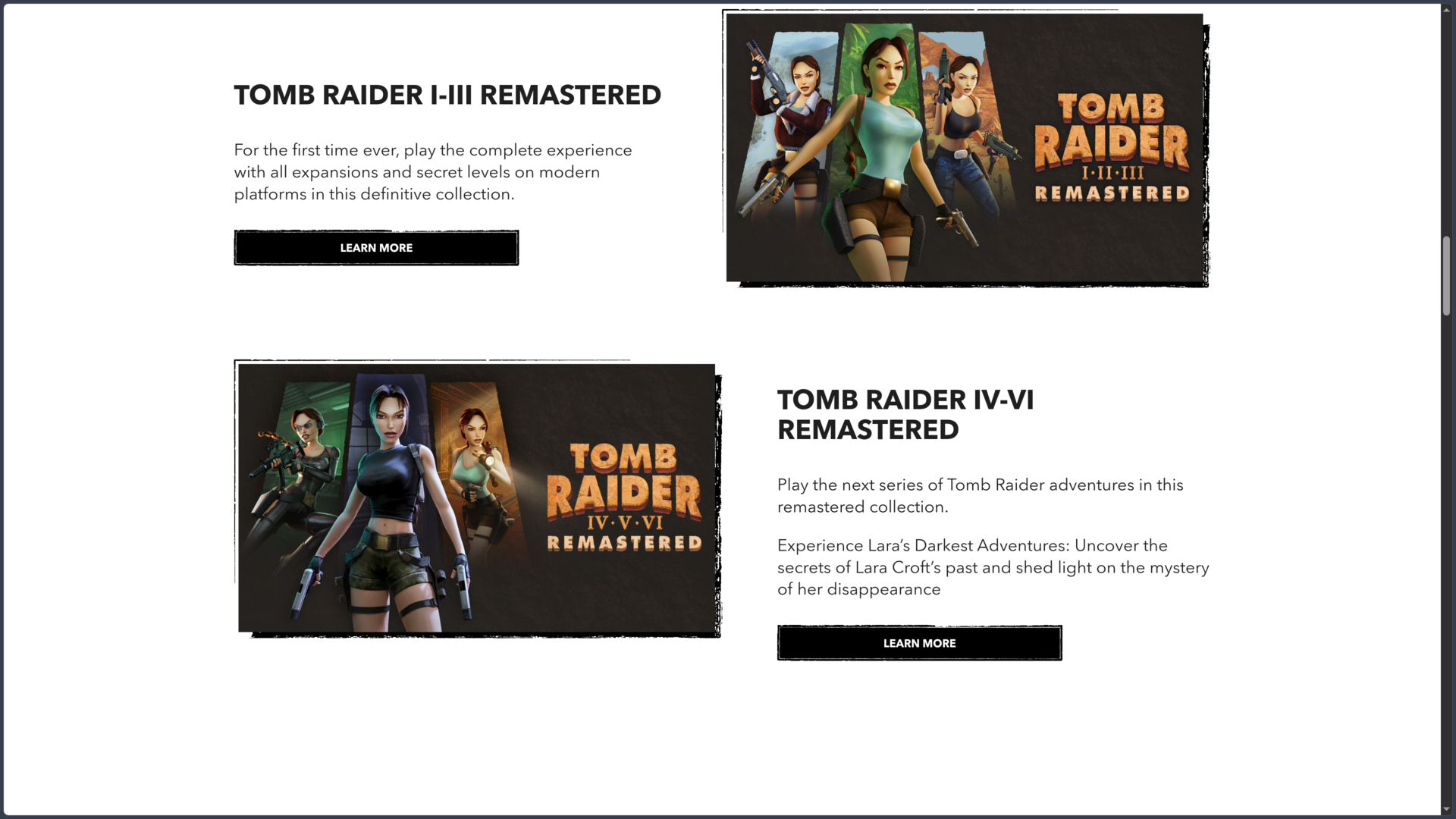
The game revisited the adventure of the original 1996 Tomb Raider, rebuilding its environments and mechanics with the tools developed for Legend.
Tomb Raider: Underworld concluded this period in 2008.
These three productions represented Crystal Dynamics’ first reinvention of Lara Croft.
The studio did not create the character or the franchise, but gradually became responsible for their evolution.
Crystal Dynamics itself now presents this relationship as stewardship of the series dating back to 2006.
2009: joining Square Enix with Eidos
In 2009, Square Enix acquired Eidos.
Crystal Dynamics therefore joined the Japanese group alongside several other Western studios.
This change came at a time when the studio was already considering another transformation of Tomb Raider.
Rather than extending the Legend continuity indefinitely, Crystal Dynamics decided to rebuild Lara Croft once again.
The project sought to portray a much less experienced adventurer and tell the events that would gradually shape the character.
This approach led to one of the most important changes in the studio’s history.
2013: rebuilding Lara Croft a second time
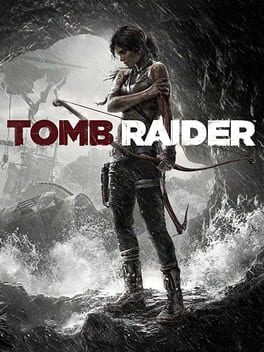
Tomb Raider, released in 2013, was a complete reboot of the franchise.
Crystal Dynamics abandoned the already established Lara of previous games to tell the story of a first major expedition during which the character must learn to survive.
The approach combines exploration, combat, platforming, equipment progression and more cinematic storytelling.
The game also changes the structure of its environments.
Rather than relying only on a sequence of independent levels, it uses several connected areas that can be revisited as Lara obtains new equipment.
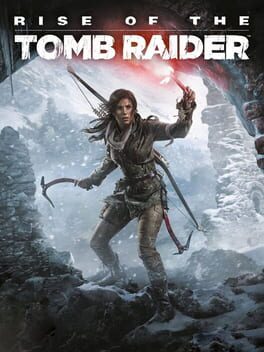
This design develops further with Rise of the Tomb Raider in 2015.
Optional tombs become more important, environments become more open and crafting, exploration and progression systems are expanded.
This period permanently associates the Crystal Dynamics name with the modern version of Lara Croft.
Shadow of the Tomb Raider and shared development
The third main installment of this continuity also demonstrates the evolution of collaboration between Square Enix’s Western studios.
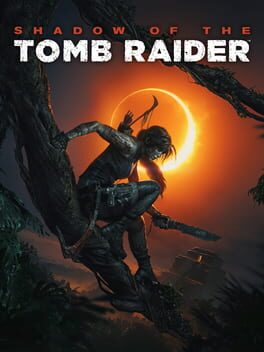
Shadow of the Tomb Raider, released in 2018, was led by Eidos-Montréal in collaboration with Crystal Dynamics.
This distribution of responsibilities shows that the franchise could now be developed across several teams without Crystal Dynamics ceasing to be one of its main creative guardians.
At the same time, the studio was developing a much larger project in terms of collaboration and online services.
Marvel’s Avengers: changing scale and model
Crystal Dynamics worked with Marvel and Square Enix on Marvel’s Avengers, released in 2020.
The project represented an important evolution compared with the most recent Tomb Raider games.
The studio had to manage several heroes with different combat systems while building a production that combined a narrative campaign, cooperative play and content designed to evolve after launch.
This ambition placed Crystal Dynamics in the field of the live-service game, very different from the primarily solo structure of its previous major productions.
The game received expansions, characters and updates for several years, but its operation did not follow the trajectory that had been hoped for.
Active development eventually ended and digital sales were discontinued in 2023.
Although this period did not become Crystal Dynamics’ new permanent model, it considerably expanded the studio’s experience with shared production, long-term support and large-scale development.
Expanding the studio beyond California
Crystal Dynamics simultaneously expanded its organization.
The historic California studio was joined by Crystal Northwest in Bellevue, Washington.
In 2021, the company also announced Crystal Southwest in Austin, Texas.
This structure makes it possible to distribute teams across several locations while maintaining a collaborative operating model.
In 2026, Crystal Dynamics presents its organization as three studios bringing together more than 300 creators.
Its headquarters are now located in San Carlos, California, while Bellevue and Austin form the other two main locations.
This evolution accompanies the transition from a studio historically concentrated in the San Francisco Bay Area toward an organization capable of distributing its productions across several teams.
2022: leaving Square Enix and joining Embracer Group
A much more significant transformation occurred in 2022.
In May, Square Enix announced an agreement to sell Crystal Dynamics, Eidos-Montréal and Square Enix Montréal along with a catalogue of intellectual properties to Embracer Group for $300 million.
The transaction notably included Tomb Raider, Legacy of Kain, Deus Ex and Thief, as well as several dozen historic games.
The transaction was completed on August 26, 2022.
Crystal Dynamics therefore left Square Enix after more than a decade within the group.
The studio joined a new organization alongside Eidos-Montréal under the Crystal Dynamics – Eidos structure, linked to CDE Entertainment within Embracer Group.
This new period also restored a much more direct relationship between Crystal Dynamics and its historic franchises.
Regaining control of Tomb Raider and Legacy of Kain
In September 2022, Crystal Dynamics announced that it had regained control of several franchises previously held by Square Enix, including Tomb Raider and Legacy of Kain.
This development considerably changed its position.
Under Eidos and then Square Enix, Crystal Dynamics had primarily been the developer responsible for producing games based on properties controlled by its publisher.
It could now participate more directly in managing these universes and developing them over the long term.
This concerns the games themselves but also licensing, remasters and projects in other media.
Tomb Raider therefore began to be developed as a broader universe encompassing games, animation and television.
Crystal Dynamics notably works with Amazon MGM Studios on the future live-action series while continuing its video game activities.
Amazon Games and the new generation of Tomb Raider
In December 2022, Crystal Dynamics reached an agreement with Amazon Games for the next major Tomb Raider installment.
The arrangement clearly illustrates the studio’s new status.
Crystal Dynamics remains the developer and guardian of the franchise, while Amazon Games acts as publishing partner for this new multiplatform production.
The project was officially presented under the name Tomb Raider: Catalyst in 2025.
Developed with Unreal Engine 5, it is intended to open a new period for the series and is scheduled for release in 2027.
Crystal Dynamics is also working on Tomb Raider: Legacy of Atlantis, a reimagining of the original 1996 game.
The studio is therefore simultaneously returning to Lara Croft’s origins and preparing a new adventure intended to continue the franchise.
Legacy of Kain gradually returns
The ownership change also allows Crystal Dynamics to reactivate Legacy of Kain.
After more than twenty years without a major new installment, the studio first directly surveyed the community about the future of the series.
In 2024, Aspyr and Crystal Dynamics announced Legacy of Kain: Soul Reaver 1 & 2 Remastered.
The project makes two of the series’ most important installments available again on modern platforms.
In 2026, Crystal Dynamics goes further with Legacy of Kain: Defiance Remastered.
This time, the studio acts as publisher itself and participates in development with PlayEveryWare.
At the same time, it publishes new productions connected to the universe, including Legacy of Kain: Ascendance, developed in collaboration with Bit Bot Media.
This evolution is important for understanding Crystal Dynamics today.
The studio remains primarily an AAA developer, but its control over its franchises also allows it to occasionally take on a publishing role around properties it controls.
In 2026: a studio refocused on its own legacies
More than thirty years after its creation, Crystal Dynamics has therefore returned to a situation that shares certain similarities with its beginnings.
The studio develops games but also participates directly in managing and exploiting its properties.
Tomb Raider is its main AAA project with Catalyst and Legacy of Atlantis.
Legacy of Kain once again has regular activity through remasters, new productions and narrative extensions.
Embracer Group remains the owner of Crystal Dynamics in 2026, with CDE Entertainment and Crystal Dynamics integrated into its organization.
The studio operates across three American locations and continues to collaborate with other teams and publishers when the scale or nature of a project requires it.
Its current identity therefore relies less on the number of franchises being produced simultaneously than on the long-term management of a few universes to which its history is deeply connected.
What sets it apart
Reinventing franchises rather than simply extending them
Crystal Dynamics has regularly worked on properties that already existed before the studio assumed full responsibility for them.
Legacy of Kain begins with Blood Omen, developed by Silicon Knights, before Crystal Dynamics profoundly transforms the universe with Soul Reaver.
Tomb Raider was created by Core Design in 1996, ten years before the first installment developed by Crystal Dynamics.
In both cases, the studio does not simply reproduce the existing structure exactly.
Soul Reaver changes protagonist, narrative perspectives and central mechanics.
Tomb Raider: Legend rethinks Lara’s mobility and controls.
Tomb Raider in 2013 once again rebuilds the character and her progression.
This ability to preserve the recognizable elements of a property while profoundly changing its execution is one of the clearest constants throughout the studio’s history.
Turning exploration into a narrative mechanic
A large part of Crystal Dynamics’ most important productions relies on the relationship between movement and storytelling.
In Soul Reaver, shifting between dimensions changes the spaces and allows progress through Raziel’s story.
In Tomb Raider, the environment must simultaneously represent a believable place, provide obstacles, conceal paths and give players the feeling that they are discovering something.
This approach brings level design and staging closer together.
The story does not unfold only during cutscenes.
Ruins, tombs, architecture, transformations of the world and movement possibilities also contribute to understanding the universe.
This relationship between exploration, puzzles, movement and storytelling runs through several generations of the studio’s productions.
Building characters across several games
Crystal Dynamics has also specialized in series where protagonists evolve over several installments.
Kain and Raziel change roles and perspectives throughout Legacy of Kain.
Lara Croft has gone through several successive continuities, each developing a different version of her story.
The 2013 reboot particularly pushes this logic by presenting an inexperienced Lara before gradually building the traits associated with the adventurer.
This focus on character trajectory accompanies storytelling designed across several productions rather than as a simple succession of independent adventures.
Collaborating with other studios without losing the role of franchise guardian
Crystal Dynamics’ recent history also demonstrates that a studio can retain significant responsibility over a property without creating every element of its production alone.
Eidos-Montréal leads Shadow of the Tomb Raider with Crystal Dynamics.
Aspyr creates the Soul Reaver remasters in collaboration with the studio.
PlayEveryWare participates in Legacy of Kain: Defiance Remastered.
Amazon Games handles publishing for the next major Tomb Raider.
Other teams are also involved in contemporary projects.
This structure allows Crystal Dynamics to retain overall direction of its franchises while using partners with specific expertise or additional production capacity.
It nevertheless requires the role of each company to be distinguished precisely when linking a work to its developers.
Becoming owner and manager of its main franchises again
The situation created in 2022 may represent the studio’s most significant transformation since taking over Tomb Raider.
Crystal Dynamics no longer simply develops properties owned by a publisher above it.
The transfer from Square Enix allows it, directly or through affiliated entities, to control Tomb Raider and Legacy of Kain.
The studio can therefore think about their future beyond a single game.
Remasters, new productions, publishing partnerships, television series, publications and licenses can all participate in the same franchise strategy.
This responsibility also explains why Crystal Dynamics is beginning to appear occasionally as publisher of certain recent Legacy of Kain productions while fundamentally remaining a development studio.
Good to know
- Crystal Dynamics was founded in 1992 in the San Francisco Bay Area by Madeline Canepa, Judy Lange and Dave Morse.
- The studio was among the first developers associated with the 3DO and launched Crash ’n Burn alongside the console in 1993.
- Gex, introduced in 1995, became one of Crystal Dynamics’ first major original franchises.
- Crystal Dynamics published Blood Omen: Legacy of Kain in 1996 before directly developing several sequels, including Legacy of Kain: Soul Reaver in 1999.
- Eidos Interactive acquired Crystal Dynamics in 1998, gradually turning the studio into one of its main internal development teams.
- Crystal Dynamics took charge of Tomb Raider from 2006 with Tomb Raider: Legend, then developed Anniversary and Underworld.
- After Square Enix acquired Eidos in 2009, the studio reinvented Lara Croft once again with Tomb Raider in 2013 and Rise of the Tomb Raider in 2015.
- Marvel’s Avengers, developed by Crystal Dynamics with several partners, was released in 2020 and became one of its main experiences in the live-service game model.
- Embracer Group acquired Crystal Dynamics in August 2022 together with Eidos-Montréal and a catalogue including Tomb Raider and Legacy of Kain.
- In September 2022, Crystal Dynamics announced that it had regained control of several of its historic franchises, including Tomb Raider and Legacy of Kain.
- In 2026, Crystal Dynamics operates through three studios in the United States, in San Carlos, Bellevue and Austin, and states that it brings together more than 300 creators.
- The studio is currently developing Tomb Raider: Catalyst, announced for 2027, working on Tomb Raider: Legacy of Atlantis and simultaneously participating in the return of Legacy of Kain through new productions and remasters.