Presentation
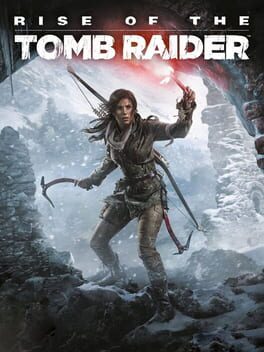
Rise of the Tomb Raider picks up Lara Croft after the trauma of Yamatai and directly develops the transformation that began in Tomb Raider in 2013. Lara is no longer a young explorer forced into a survival situation against her will. She now chooses to pursue a mystery, prepares her own expedition and knowingly accepts the risks that come with it.
This evolution is closely tied to her father’s work. Richard Croft devoted part of his life to investigating phenomena that might challenge death itself, at the cost of his reputation. The Divine Source gives Lara an opportunity to test his theories, but her search also becomes a way to understand what happened to him and decide how far she wants to continue his legacy.
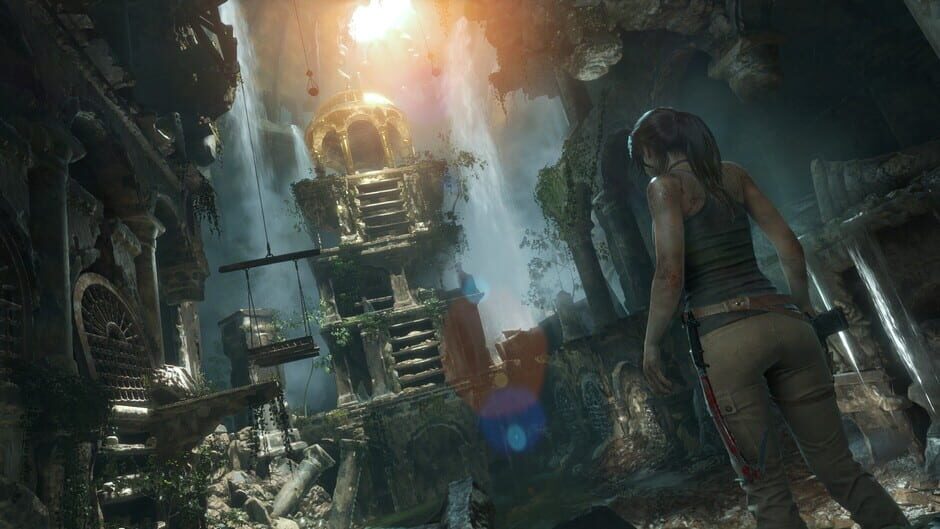
After a brief section in Syria, most of the adventure takes place in Siberia. Snow-covered mountains, forests, abandoned Soviet installations, caves and Byzantine ruins form a much larger territory than the environments of Yamatai. Several areas function as large interconnected spaces where main missions, optional activities and exploration can be approached with greater freedom.
The Geothermal Valley represents this evolution particularly well. Lara meets the Remnants there, discovers their settlements and can complete different missions for members of the community. These inhabited areas give more context to the regions she travels through and allow the world to exist beyond the main campaign route.
Exploration is expanded considerably. Documents, relics, caches, monoliths, caves and crypts encourage players to leave the main path. Learning several ancient languages also allows Lara to gradually decipher certain monuments, directly connecting her archaeological knowledge to the discoveries made throughout the adventure.
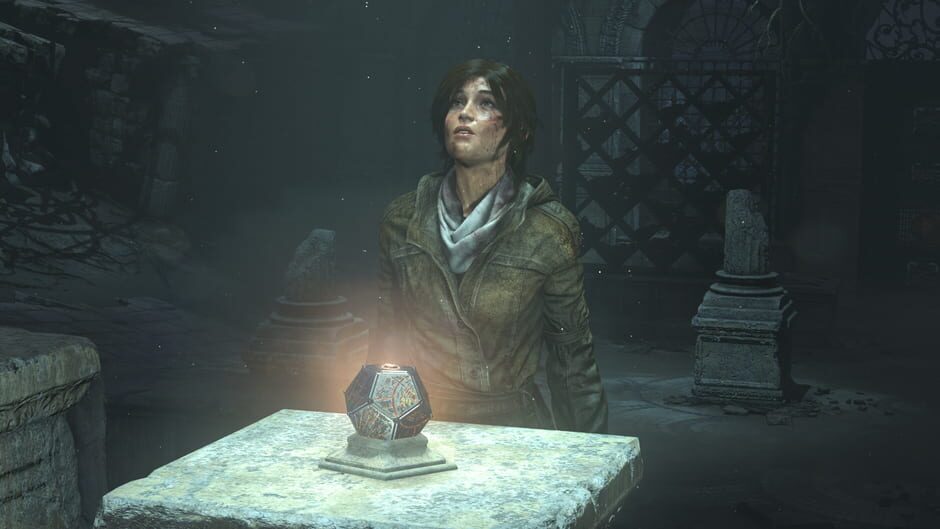
Challenge Tombs play a much larger role than the optional tombs in the 2013 game. They feature multi-stage puzzles that regularly make use of physics, water, ancient mechanisms or Lara’s tools. Completing them grants useful rewards, particularly skills, giving optional exploration a practical purpose.
Crypts offer another type of discovery. Shorter and less focused on puzzles, they encourage the search for hidden paths and treasure. This increase in archaeological locations gradually brings the game closer to the historical identity of Tomb Raider without abandoning the action and survival structure introduced by the reboot.
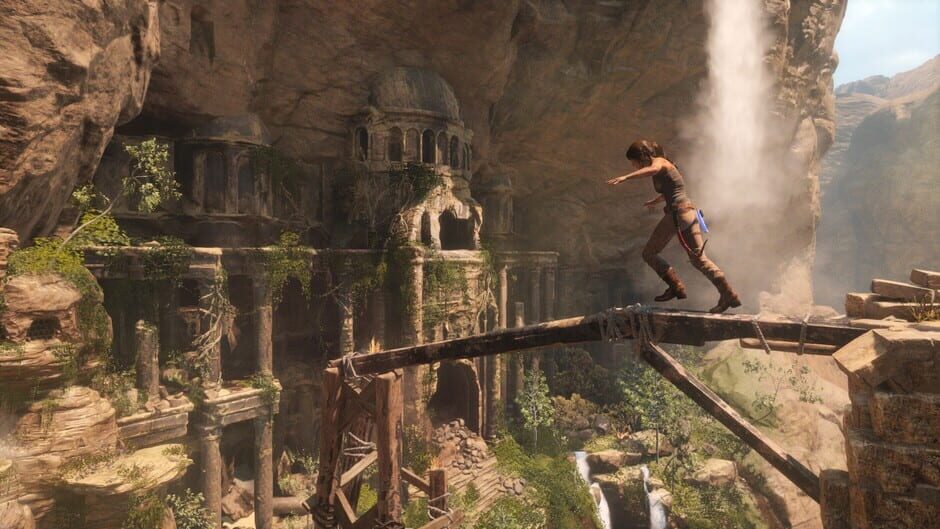
Traversal also evolves. Lara now uses two climbing axes during certain ascents and gradually acquires new equipment capable of opening previously inaccessible routes. Rope arrows, grappling tools and other equipment strengthen the verticality of the environments, while swimming returns after being absent from Tomb Raider in 2013, although it remains less developed than it would later become in Shadow of the Tomb Raider.
Survival remains important, but it now serves crafting and equipment improvement more directly. Lara gathers wood, plants, animal hides, minerals and other resources to create different types of ammunition, upgrade gear or craft certain items during combat.
Weapons are more numerous and come in several variants with different characteristics. The bow remains central because of its stealth value and usefulness during exploration, but Lara can also use pistols, rifles, shotguns and different ammunition types. Base camps allow the player to manage upgrades, inventory and skills while also acting as fast-travel points.
The three skill categories — Survivor, Hunter and Brawler — expand the system from the previous game. They allow the player to prioritize resource gathering, weapon efficiency, survival techniques or offensive abilities. Progression remains flexible enough for a single character to eventually master much of what is available.
Combat continues to play a major role. Direct encounters are more flexible, and Lara can use the environment to quickly craft explosives or turn nearby objects against her enemies. Trinity introduces better organized soldiers than the groups encountered on Yamatai, alongside wild animals and several unusual enemies tied to the story of Kitezh.
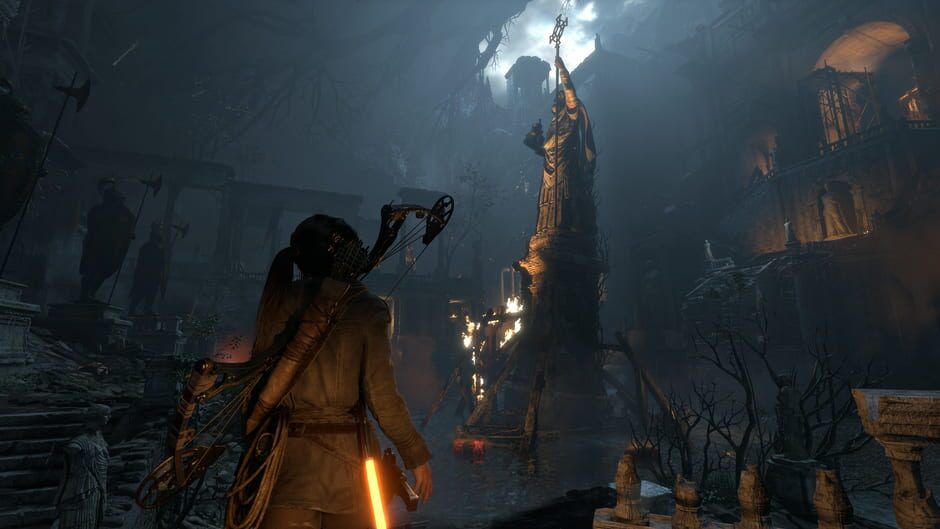
Stealth is also more developed. Lara can use the bow, vegetation and elevated positions to gradually reduce enemy numbers before being detected. Combat spaces are often open enough to allow flanking or choosing the order in which enemies are eliminated, even though the game remains fundamentally an action-adventure rather than a fully systemic stealth title.
The story establishes Trinity as an enemy that will extend beyond this single game. Konstantin represents its military presence in Siberia, while Ana gradually connects the organization to Lara’s personal history and her father’s past. This link prepares a conflict larger than the search for the Divine Source alone.
Jacob and the Remnants offer another perspective on immortality. The Divine Source is not simply an ancient treasure to be recovered: its existence has shaped a community, caused persecution and contributed to the disappearance of Kitezh. Archaeology therefore becomes directly tied to the contemporary stakes of the story.
This continuity between exploration and narrative gives Rise of the Tomb Raider a more balanced structure than the reboot. Combat remains frequent, but tombs, optional discoveries and larger spaces occupy significantly more room. Lara progresses as much by understanding the places she explores as by fighting those who occupy them.
Post-launch content expanded this formula even further. Baba Yaga: The Temple of the Witch introduces a new story and an additional tomb, while Cold Darkness Awakened offers a scenario more focused on survival and combat. Endurance turns hunting, warmth and resource management into a dedicated survival mode where the duration of the expedition becomes the main objective.
The 20 Year Celebration edition brings together the game and its Season Pass while adding Blood Ties, focused on exploring Croft Manor, Lara’s Nightmare, an alternate scenario in the same location, and a cooperative version of Endurance. These additions complete an entry that had already begun to move beyond the structure of a single traditional campaign.
What to remember
- The second entry in the Survivor trilogy, set after the events of Tomb Raider in 2013.
- A quest centered on the Divine Source, immortality and the lost city of Kitezh in the Siberian mountains.
- The introduction of Trinity as a major enemy organization in Lara’s story.
- Large open areas containing side missions, resources, crypts, documents and numerous secrets.
- More developed Challenge Tombs with multi-stage puzzles and useful rewards.
- Progression expanded through ammunition and equipment crafting, several weapon variants and three skill categories.
- A 20 Year Celebration edition that includes additional content such as Blood Ties, Lara’s Nightmare and co-op Endurance.
Conclusion
Rise of the Tomb Raider expands the 2013 formula without abandoning what made the reboot effective in redefining Lara Croft. Survival, combat, resources and progression remain important, but they now exist within larger environments where exploration and tombs regain a much stronger presence.
Siberia works particularly well for this evolution. Its large areas allow the player to move naturally from an enemy camp to a cave, from a tomb to a side mission or from Byzantine ruins to a Soviet installation. This variety provides greater freedom while keeping progression structured enough to maintain the direction of the campaign.
Lara herself reaches an important stage in her development. Yamatai forced an extraordinary situation upon her; the search for Kitezh now results from her own decision. Her desire to defend her father’s research and understand the Divine Source gives the adventure a personal motivation, while Trinity gradually reveals the dangers connected to this obsession.
The game remains heavily action-oriented and some encounters still occupy a large amount of space compared with archaeology. The collection of numerous resources and activities can also make the larger areas feel somewhat systematic. Even so, tombs and exploration return with a much more substantial role.
Between the survival story of Tomb Raider and the more exploration-focused Shadow of the Tomb Raider, Rise forms the balancing point of the Survivor trilogy. Lara becomes a deliberate, better prepared and more independent adventurer, while the game begins to truly bring together the survivor created in 2013 and the tomb raider at the historical heart of the series.
Good to know
- Rise of the Tomb Raider was developed by Crystal Dynamics with support from Eidos-Montréal.
- The game was originally released on November 10, 2015, for Xbox One and Xbox 360 before arriving on other platforms in 2016.
- It is the second entry in the Survivor trilogy, between Tomb Raider (2013) and Shadow of the Tomb Raider.
- The adventure takes place mainly in Siberia and focuses on the search for the lost city of Kitezh and the Divine Source.
- Rise of the Tomb Raider expands Challenge Tombs and also introduces crypts as optional exploration activities.
- The 20 Year Celebration edition includes the base game and Season Pass, along with Blood Ties, Lara’s Nightmare, co-op Endurance and other additional content.
- Additional expansions also include Baba Yaga: The Temple of the Witch and Cold Darkness Awakened.