Presentation
Tomb Raider rebuilds Lara Croft from the beginning. This version is not yet the experienced adventurer of the classic games: she is taking part in her first major expedition, doubts her own abilities and is thrown into a situation that no training could truly have prepared her for. Survival therefore becomes central to her development, with Yamatai serving as the starting point of the Survivor trilogy.
The island is both the setting for that transformation and the game’s main structural framework. Forests, cliffs, abandoned villages, temples, military bunkers, shipwrecks and facilities built by different generations of castaways form a network of areas gradually connected over the course of the adventure. Some sections are tightly directed during the campaign, while others can be revisited later once Lara has acquired equipment that opens previously inaccessible routes.
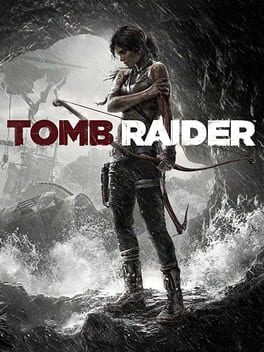
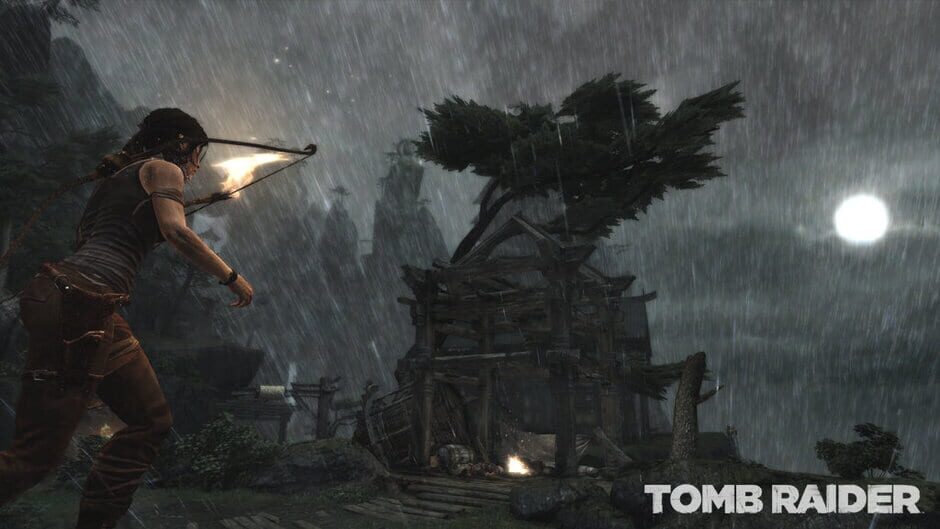
Progression relies heavily on obtaining new tools. The bow quickly becomes the signature weapon of this version of Lara, but she also acquires a pistol, shotgun and automatic weapons. The climbing axe allows her to scale certain surfaces and open new paths, while rope arrows add further traversal and environmental interaction options. Combat equipment and exploration tools are therefore often part of the same progression system.
Base camps structure character development. Experience earned through combat, exploration and certain activities unlocks skills divided between Survivor, Hunter and Brawler categories. Salvage found across Yamatai is used to upgrade weapons and equipment. These systems establish the progression framework that Rise of the Tomb Raider and Shadow of the Tomb Raider would later expand.
Combat occupies an important place in this new formula. Lara uses cover, the bow and firearms against the Solarii, with encounters becoming increasingly frequent and intense as the story progresses. The bow also supports quieter approaches, particularly when isolated enemies can be eliminated before the rest of a group is alerted.
This growing combat ability directly accompanies the story. Lara begins the adventure with very limited resources and gradually becomes capable of taking on armed groups by herself. That creates a clear mechanical sense of progression, even if the number of enemies she defeats and the intensity of the combat can sometimes clash with the vulnerability the narrative continues to emphasize.
Exploration remains present through documents, relics, caches, challenges and optional tombs scattered across the island. These discoveries help explain the different groups that became stranded on Yamatai and provide additional context for the events surrounding Himiko. Part of the island’s history is therefore told outside the main campaign path.
The optional tombs are still relatively short compared with those developed in the two sequels. They usually focus on a single environmental puzzle or mechanism before leading to a reward. Their presence nevertheless explicitly restores tomb exploration and archaeological spaces to a formula that otherwise gives considerable room to action.
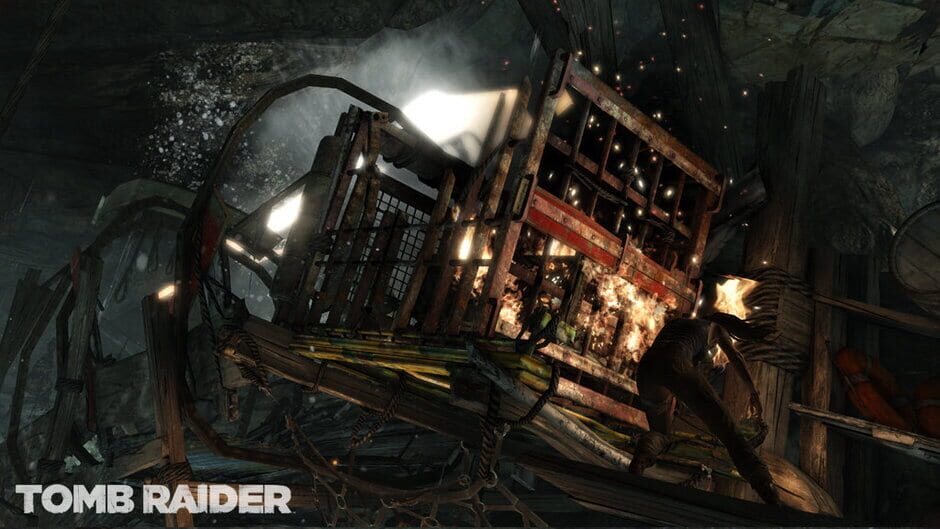
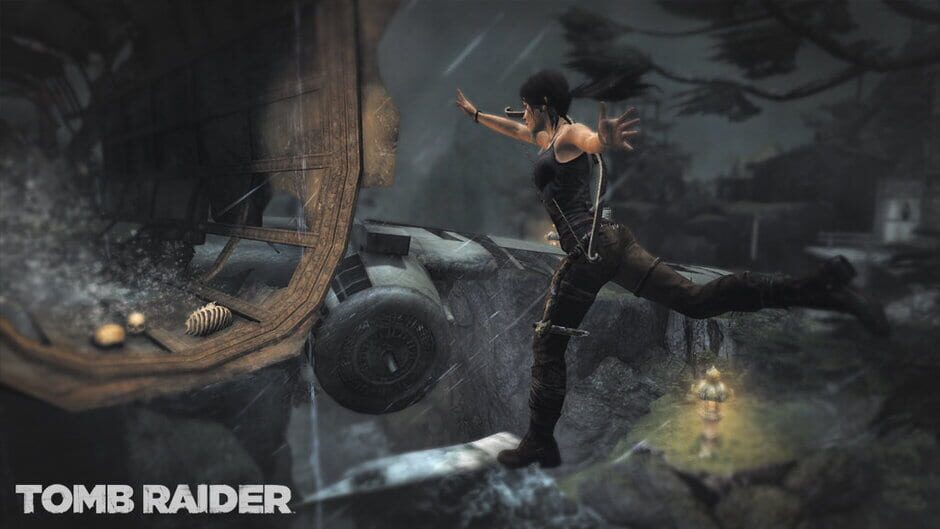
Cinematic staging strongly shapes the pace of the adventure. Collapses, falls, fires, chases and unstable structures regularly interrupt the journey. Yamatai consequently feels dangerous even when Lara is not directly fighting the Solarii.
The supernatural dimension emerges more gradually. Lara initially approaches Yamatai as a young archaeologist looking for rational explanations. The evidence connected to Himiko, the storms and the Stormguard slowly forces her to accept that some of the legends she studies correspond to something much stranger and more real than she expected.
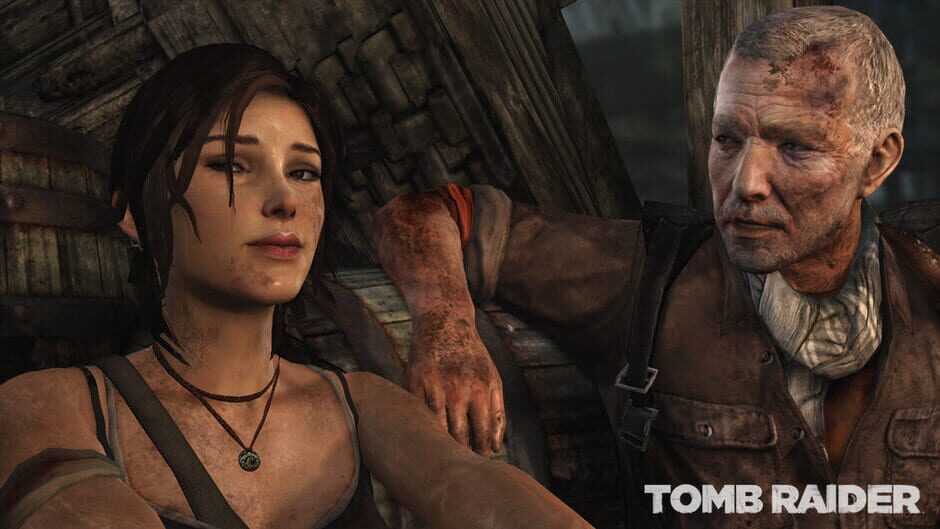
The relationships with the Endurance crew add a more personal dimension to this transformation. Sam becomes one of the main emotional motivations of the story, while Roth acts as both mentor and trusted figure. The other survivors repeatedly remind Lara that she is not only trying to understand Yamatai; she is also trying to bring home people whose chances of survival continue to diminish.
This emphasis on survival strongly distinguishes the reboot from the classic adventures. Archaeology and ruins remain important, but they share the experience with the construction of a heroine capable of enduring injuries, loss and violence. Crystal Dynamics therefore modernizes the series around a stronger blend of action, progression and exploration while retaining ancient mysteries as the narrative engine.
The game also includes a competitive multiplayer component separate from the campaign, pitting survivors against the Solarii across several modes. This remains secondary to Lara’s adventure but formed part of the original release and its additional content.
What to remember
- The first entry in the Survivor trilogy, centered on the first major expedition of an inexperienced Lara Croft.
- An adventure set on Yamatai after the wreck of the Endurance, involving the legend of the Sun Queen Himiko and the supernatural storms trapping survivors on the island.
- A formula combining exploration, climbing, combat, skill progression and equipment upgrades.
- The bow as Lara’s signature weapon, supported by the climbing axe, firearms and tools that also open new routes.
- Base camps used to spend skill points, upgrade equipment and access fast travel.
- Relics, documents, challenges and optional tombs that expand exploration and the history of Yamatai.
- A campaign focused on Lara’s gradual transformation from a young archaeologist facing her first major crisis into a survivor ready to pursue the world’s mysteries herself.
Conclusion
Tomb Raider significantly changes the historical balance of the series in order to rebuild Lara Croft around an origin story. Exploration and archaeological mysteries remain present, but they are combined with much more visible character progression, frequent combat and an environment designed to place Lara in danger on a regular basis.
Yamatai works effectively as the setting for that transformation. The island combines historical traces, abandoned facilities and communities trapped by its storms across different periods. This accumulation preserves a genuine archaeological mystery beneath the succession of battles and cinematic sequences.
Mechanical progression also gives weight to Lara’s development. The tools, skills and upgrades acquired during the adventure genuinely expand her possibilities and allow previously visited areas to be approached differently. The game therefore establishes the structure that the next two entries would open up further and develop more strongly through tombs and exploration.
The emphasis on action is also one of its main limitations. Several sections clearly favor combat and spectacle over puzzles, while the optional tombs remain modest compared with what the trilogy later offers. Lara’s rapid transformation into an effective fighter can also sit uneasily beside the story of a young woman still traumatized by what she is experiencing.
The game nevertheless remains coherent in its role as a beginning. Lara leaves Yamatai with more than simple survival experience: she has faced proof that myths can hide something real and now has a personal reason to keep pursuing the unknown. Rise of the Tomb Raider and Shadow of the Tomb Raider build directly on that development.
Good to know
- Tomb Raider was developed primarily by Crystal Dynamics and is the first entry in the Survivor trilogy.
- The original game was released on March 5, 2013.
- The adventure takes place mainly on the lost island of Yamatai, where the Endurance crew is shipwrecked while searching for the kingdom of the Sun Queen Himiko.
- The skill system is divided into Survivor, Hunter and Brawler categories, while salvage is used to upgrade weapons at base camps.
- The original game also includes competitive multiplayer.
- Tomb Raider: Definitive Edition, first released on January 28, 2014, offers a reworked version of the game with its additional content.
- The Survivor trilogy continues with Rise of the Tomb Raider and Shadow of the Tomb Raider.