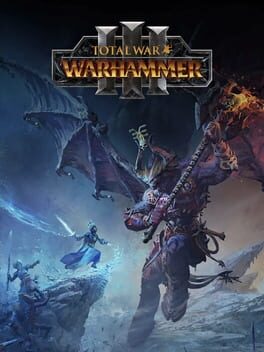
The roar of Ursun, the dying bear-god of Kislev, tears open the boundary between the mortal world and the Realms of Chaos. Rifts begin to appear as the four Ruinous Powers — Khorne, Nurgle, Tzeentch and Slaanesh — extend their influence. Kislev and Grand Cathay are drawn into the crisis, while a Daemon Prince consumed by vengeance gathers the forces of Chaos. The powers involved in the conflict seek to enter the domains of the Dark Gods in pursuit of their own objectives, while Ursun's fate and the balance of the world lie at the heart of this new war.
Video game
2022
Action
Fantasy
Strategy
Real-time strategy
Total War: Warhammer III
- Creative Assembly Developer
- Feral Interactive Publisher
- SEGA Publisher
The mortal world opens onto the Realms of Chaos, turning war into a struggle between nations, gods and daemonic legions.
Details
- Type
- Video game
- Release
- 2022-02-17
- Genres
- Action, Fantasy, Strategy, Real-time strategy
- Platforms
- PC, Mac, Linux
- Game modes
- Single player, Multiplayer, Co-operative
Synopsis
Total War: Warhammer III
Trailer
Watch the trailer
Overview
Presentation
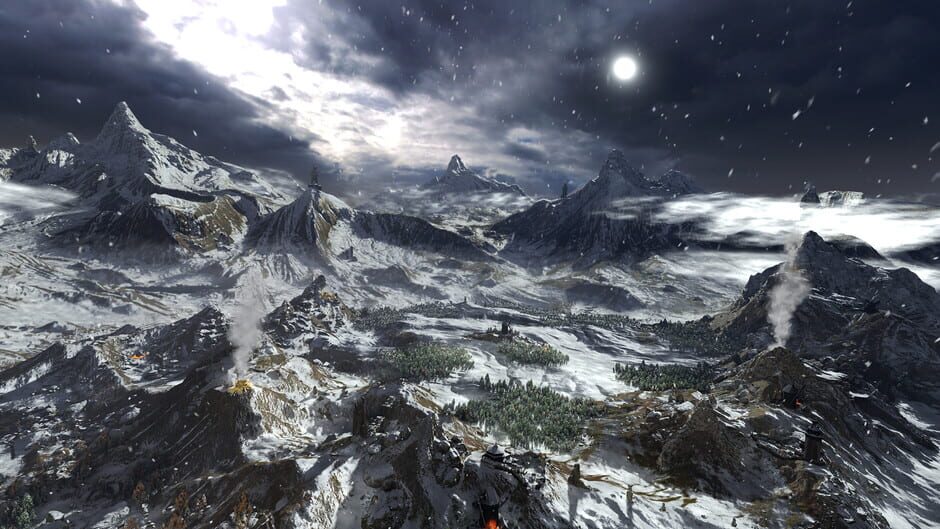
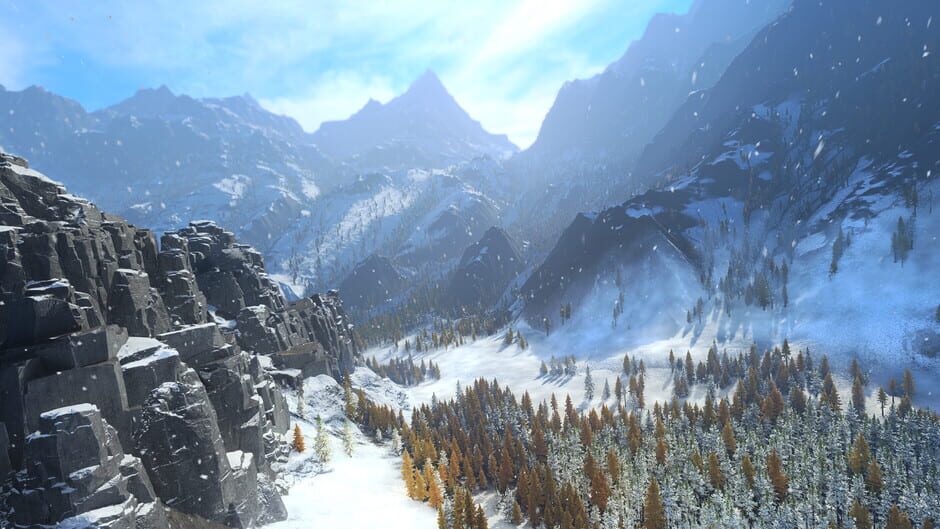
Total War: Warhammer III concludes the trilogy while retaining the series' fundamental alternation between turn-based strategic campaigning and real-time tactical battles, shifting much of the conflict toward the eastern lands and the Realms of Chaos.
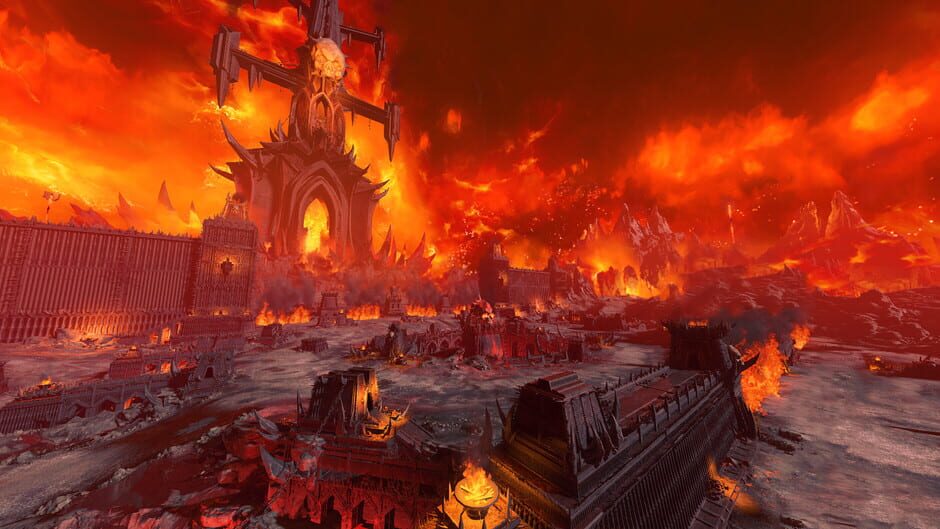
On the campaign map, players continue to develop settlements, recruit and move armies, construct buildings, research technologies and use diplomacy or conquest to expand their influence. The main campaign, however, introduces a stronger narrative structure centered on the Realms of Chaos. Rifts appear across the world and allow armies to enter the domains of Khorne, Nurgle, Tzeentch and Slaanesh in pursuit of the objectives required for their progression.
These realms do not function as simple additional provinces. Each has its own identity, dangers and rules inspired directly by the Chaos god to which it belongs. The campaign therefore periodically takes armies away from the conventional world and forces them to adapt to spaces built around unusual conditions.
The game introduces seven main races at launch: Kislev, Grand Cathay, Khorne, Nurgle, Tzeentch, Slaanesh and the Daemons of Chaos. As in previous entries, each has its own units, characters and campaign mechanics, but asymmetry plays an especially important role here.
Kislev combines many units capable of fighting both at range and in melee, within an army designed to defend a realm directly exposed to threats from the north. Grand Cathay places greater emphasis on formation, balance and organization, with systems tied to harmony and the defense of its vast empire.
The four daemonic powers each follow a very different logic. Khorne favors direct violence and armies focused heavily on melee combat. Nurgle develops territory around disease, plagues and a distinctive organic economy. Tzeentch relies on magic, manipulation and various abilities capable of altering the strategic situation. Slaanesh emphasizes speed, seduction and influence over other factions.
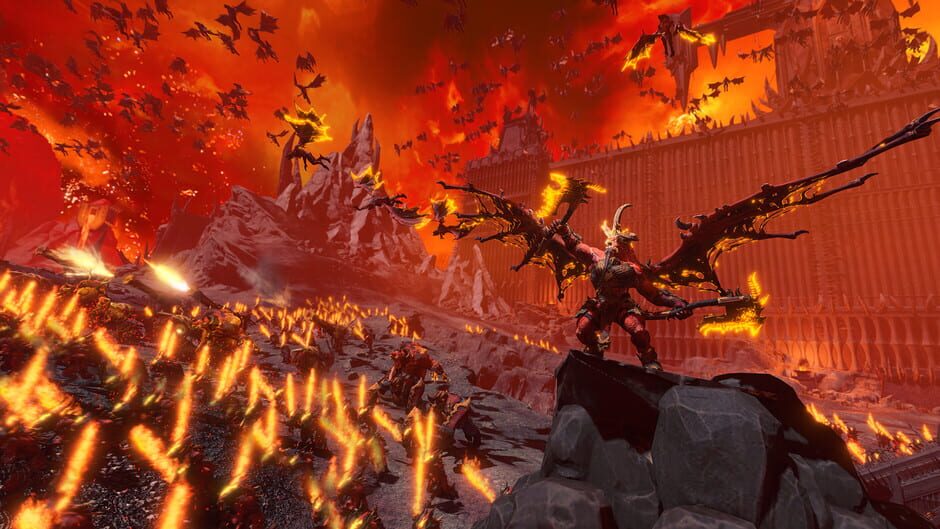
The Daemons of Chaos offer an even more distinctive approach through their customizable Daemon Prince. He can be equipped with body parts, weapons and items associated with the different Chaos gods. These choices affect both his appearance and his statistics and abilities. Daemonic Glory earned through conquest also allows him to move closer to a specific god or remain devoted to Chaos Undivided, influencing the units and upgrades available.
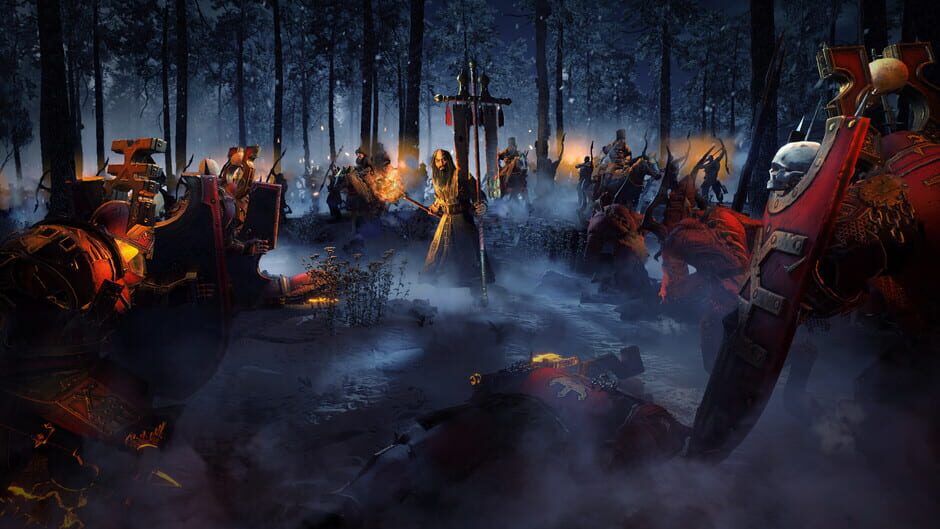
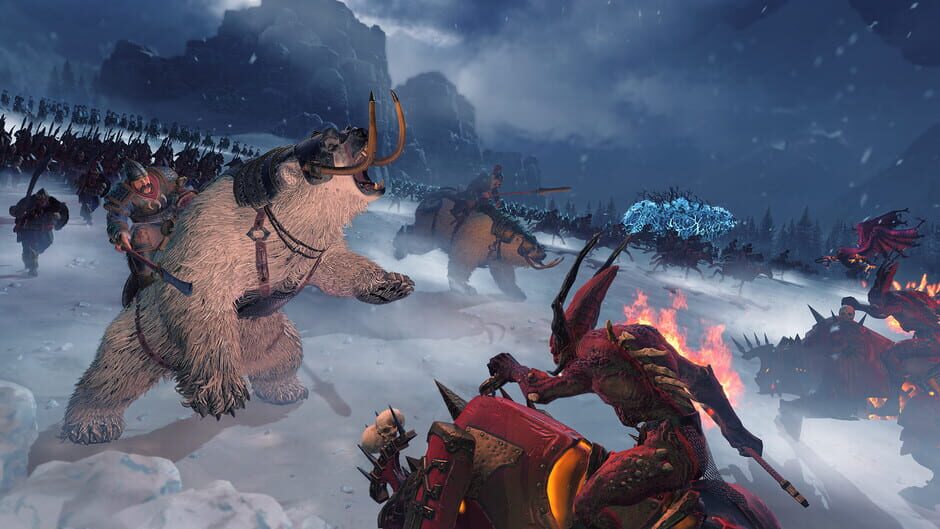
Battles continue to bring together large formations in real time, with infantry, cavalry, ranged units, monsters, magic, war machines and powerful characters fighting simultaneously. The new races further increase the variety of engagements, from the disciplined formations of Cathay to daemonic creatures capable of breaking a battle line in moments.
Survival battles are one of the main additions to the campaign. The army must advance through several zones, capture positions and then withstand successive waves of daemons. Points earned during the battle can be used to construct towers and barricades, summon reinforcements or restore and upgrade units already engaged. These encounters give expeditions into the Realms of Chaos a structure distinct from traditional battles.
Sieges and settlement battles were also reworked. Urban maps feature several routes and strategic points, while defenders can use supplies to construct certain barricades and defenses during battle. Capturing a settlement therefore relies more heavily on advancing through multiple positions rather than fighting a single engagement in front of the walls.
Campaign multiplayer also expands considerably. Up to eight players can take part in the Realms of Chaos campaign, with simultaneous turns. Other, more focused multiplayer scenarios complement it, while Domination mode introduces competitive battles centered on capture points and a reinforcement system.
After launch, Immortal Empires further expanded this structure. This campaign brings together territories and peoples from the entire trilogy on one enormous shared map. It abandons the narrative progression of the Realms of Chaos in favor of a much more open structure focused on conquest, diplomacy and warfare between the many factions of the series.
Key points
- A combination of turn-based strategy and real-time tactical battles.
- A main campaign built around the Realms of Chaos and rifts that provide access to them.
- Seven main races at launch: Kislev, Grand Cathay, Khorne, Nurgle, Tzeentch, Slaanesh and Daemons of Chaos.
- Increasingly asymmetric factions, with distinct economies, progression systems and military styles.
- A fully customizable Daemon Prince, whose body parts, weapons and powers influence his abilities.
- Daemonic Glory allows the Daemon Prince to align with a Chaos god or remain devoted to Chaos Undivided.
- New survival battles combine position capture, enemy waves, reinforcements and constructible defenses.
- Sieges and settlement battles use more complex maps and multiple strategic points.
- Campaign multiplayer supports up to eight players with simultaneous turns.
- Domination adds competitive battles centered on objective capture and progressive reinforcements.
- Immortal Empires later brings together the worlds of all three games in a single large-scale campaign.
Conclusion
Total War: Warhammer III preserves the two pillars of the series — empire building and direct command of armies — while greatly expanding the asymmetry already present in earlier entries. Kislev, Grand Cathay and the different Chaos powers impose development and combat methods distinct enough to fundamentally change the flow of a campaign depending on the chosen faction.
The Realms of Chaos campaign also introduces a stronger narrative structure, notably through rifts and survival battles. The game therefore no longer relies solely on the gradual conquest of territory: certain stages lead directly into the domains of the Chaos gods and impose specific objectives.
With the arrival of Immortal Empires, this third entry also becomes the gathering point for the trilogy. The narrative campaign of the base game and the enormous combined sandbox therefore offer two very different ways to approach its strategic systems.
Good to know
Total War: Warhammer III was developed by Creative Assembly and published by Sega. It was released on February 17, 2022 for Windows. macOS and Linux versions were developed and published by Feral Interactive.
It is the third entry in the trilogy that began with Total War: Warhammer in 2016 and continued with Total War: Warhammer II in 2017.
The base game features seven main races and ten Legendary Lords, including Kislev, Grand Cathay, the four daemonic powers and the Daemons of Chaos.
The Ogre Kingdoms were originally offered as bonus content for early buyers before becoming a separate DLC, so they are not part of the seven main races included in the base game.
Immortal Empires launched after the game's release and combines the maps and factions from across the trilogy. The campaign is now accessible with Total War: Warhammer III; using many races, factions and characters from earlier entries still depends on ownership of the corresponding games or DLC.
Over the years, Total War: Warhammer III has received many updates and expansions adding new Lords, races, units and mechanics. This entry therefore focuses mainly on the foundations of the base game and the major systems that define the third installment, without indiscriminately attributing every later addition to the original release.