Overview
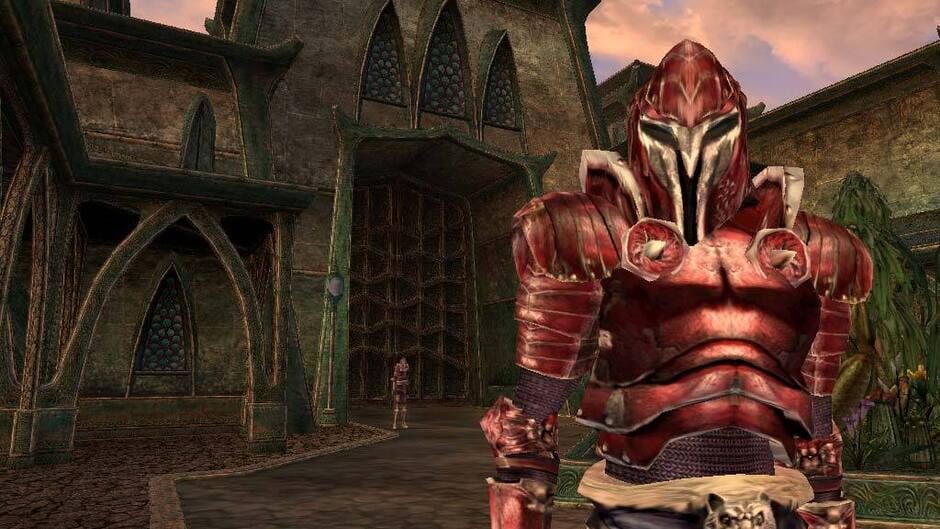
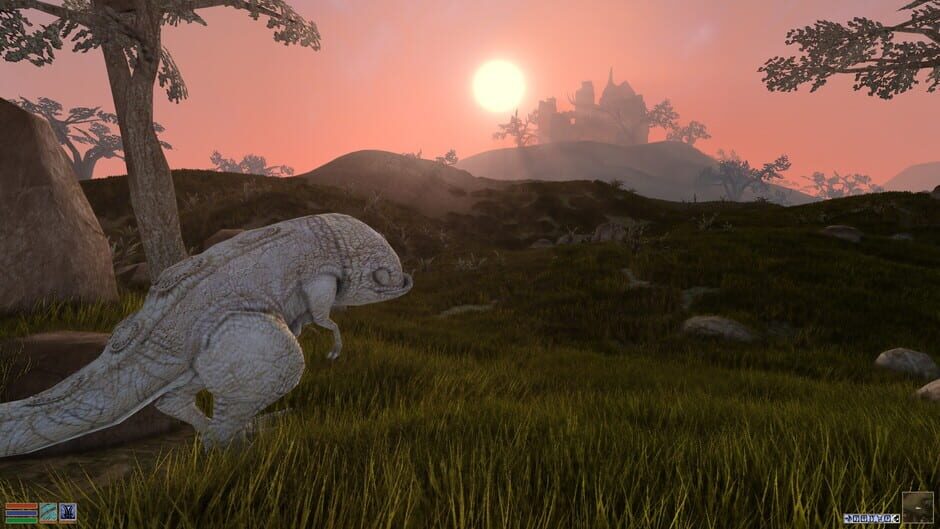
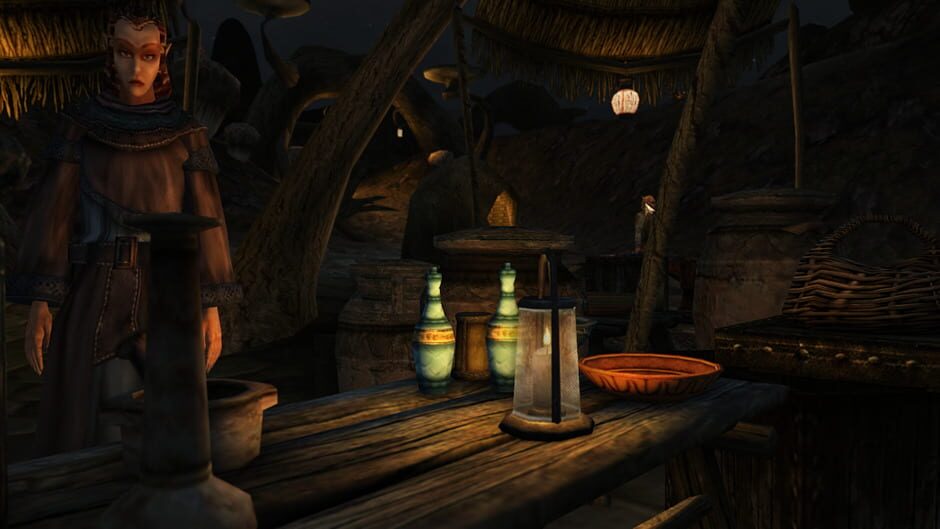
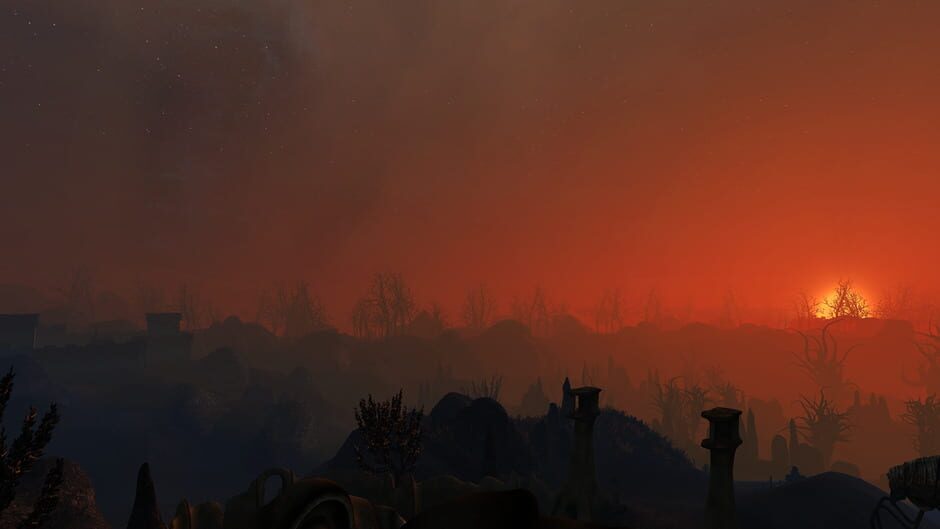
The Elder Scrolls III: Morrowind builds its adventure around Vvardenfell, a volcanic island whose cities, villages, ruins, wilderness and networks of factions can be explored with considerable freedom. The player can follow the main quest connected to the Blades and the prophecy of Nerevar, but the game also allows them to move away from this storyline for long periods in order to join organizations, explore isolated locations or develop their character according to their own priorities.
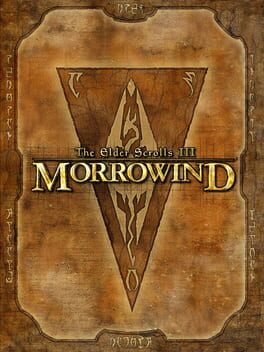
Developed by Bethesda Game Studios and published by ZeniMax Media and Bethesda Softworks, the game was released on May 1, 2002. The listed platforms are PC and Xbox. The associated genres are action, adventure, fantasy, RPG, open world and sandbox. The specified game mode is Single player, and the listed engine is Gamebryo.
Character creation determines a significant part of this freedom. Race, class and birthsign define starting abilities, while a class can either be selected from those provided or built by directly choosing its major and minor skills. Combat, magic and stealth form the three main specializations around which these skills can be organized.
Progression then relies heavily on the actual use of skills. A skill increases when it is used successfully, but it can also improve through training or certain books. Major and minor skills directly contribute to the character’s overall level progression.
This system means that the activities practiced gradually shape the character. Regularly using a weapon category develops the corresponding skill; using certain schools of magic improves mastery of them; armor, alchemy, stealth, security and social abilities each have their own progression.
Combat remains directly tied to these characteristics. Whether an attack actually hits its target notably depends on the skill associated with the weapon, while fatigue also affects the character’s ability to perform several actions successfully. Running, jumping, swimming quickly or fighting consumes this resource, linking movement and effectiveness to the character’s attributes.
Magic follows a comparable logic. The different schools have distinct skills, and the chances of successfully casting certain spells depend on the corresponding level of mastery. Alchemy and enchanting complete this system by allowing the creation of potions, the use of different ingredients and the exploitation of items with magical effects.
Morrowind also gives an important role to factions. Guilds, religious institutions, Imperial organizations and Great Houses offer their own hierarchies and quest lines. Progression within certain organizations depends not only on completing missions, but also on developing skills that correspond to their activities.
The Great Houses occupy a particular place in Vvardenfell’s political structure. Choosing a house commits the character more deeply to one of the forces that organize Dunmer society, while other guilds can support paths focused on combat, magic, theft, religion or different Imperial functions.
Exploration does not rely on the ability to freely teleport from any point on the map. Fast travel notably depends on transportation services present in the world, supplemented by different forms of magical travel. Traveling therefore becomes part of organizing a route between the regions of Vvardenfell.
The game also maintains a journal that gathers collected information, important events and quest-related elements. Topics discussed during conversations are also recorded there, giving significant importance to information obtained from inhabitants and to consulting it later.
Dialogue itself is organized around numerous conversation topics. A character can provide information about a place, person, faction or event, while the disposition of the people encountered and certain social skills influence several interactions.
The world remains highly interactive. Objects, books, equipment, ingredients, weapons and different containers can be examined or taken, with consequences when those objects belong to someone. Theft, lockpicking, persuasion, trading and reputation are therefore integrated into the RPG systems rather than being separated from exploration.
This freedom allows Morrowind to combine several forms of progression. The character grows stronger through skills and attributes, but also progresses through relationships with factions, accumulated knowledge of Vvardenfell and a gradual mastery of the different ways to travel across the island.
Key takeaways
- The adventure takes place primarily on Vvardenfell, an island district of the province of Morrowind.
- The player can follow the main quest or move away from it to explore and freely develop their character.
- Character creation notably relies on race, class, birthsign and skill selection.
- Skills progress mainly when they are used successfully, but can also be improved through training or certain books.
- Major and minor skills directly contribute to level progression.
- Combat notably takes into account the character’s weapon mastery and fatigue.
- Several factions and Great Houses have their own quests and progression systems.
- Travel across Vvardenfell combines direct exploration, transportation services and magical means of travel.
Conclusion
Morrowind builds a large part of its progression around the player’s actions. Skills that are used become gradually more effective, while their development also determines the character’s overall evolution and the opportunities offered by certain factions.
Vvardenfell supports this logic with an open structure in which the main quest is only one path among many possible activities. Guilds, Great Houses, exploration, trading, magic and the search for equipment can each occupy a different place depending on the character that has been created.
The journal, conversation topics and transportation methods integrated into the world finally reinforce an exploration system that requires players to gradually understand how the island is organized. Morrowind’s freedom therefore comes as much from the scale of Vvardenfell as from the number of systems that allow players to build their own path through it.
Good to know
- The Elder Scrolls III: Morrowind was released on May 1, 2002.
- The game was developed by Bethesda Game Studios.
- ZeniMax Media and Bethesda Softworks are listed as publishers.
- The listed platforms are PC and Xbox.
- The associated genres are action, adventure, fantasy, RPG, open world and sandbox.
- The specified game mode is Single player.
- The listed engine is Gamebryo.
- Progression notably combines skills used during gameplay, attributes, factions and open exploration of Vvardenfell.