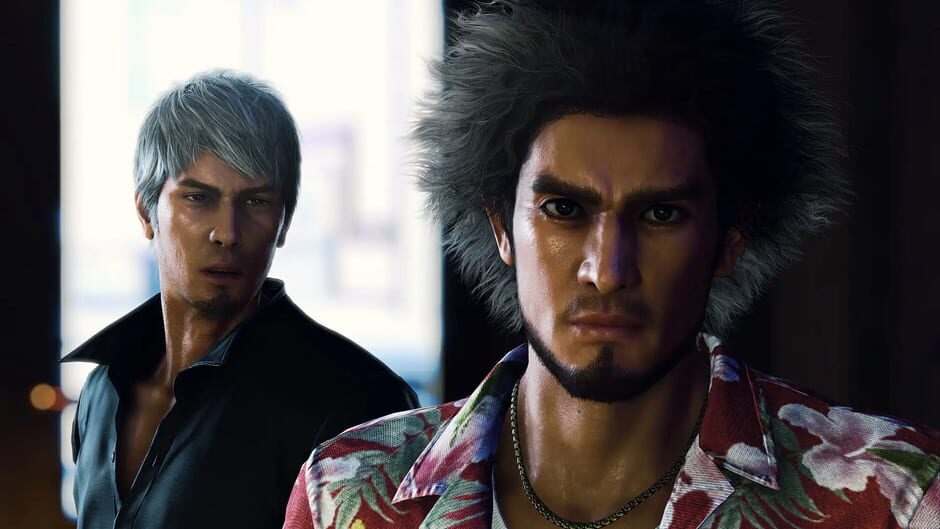
In 2022, Ichiban Kasuga tries to continue Masumi Arakawa's legacy by helping former yakuza reintegrate into society. When he learns that Akane, the mother he believed lost forever, may still be alive in Hawaii, he leaves Japan to search for her. His arrival in Honolulu brings him into contact with Kazuma Kiryu, who has been sent to the islands on a mission for the Daidoji faction. Their paths then converge around a conspiracy linking Hawaii and Japan, as Ichiban searches for his mother while Kiryu is forced to confront the consequences of his own past and a future that has suddenly become uncertain.

Video game
2024
Action
Adventure
Drama
RPG
Hack and slash
Like a Dragon: Infinite Wealth
- Ryû ga Gotoku Studio Developer
- SEGA Publisher
Ichiban searches for his mother in Hawaii while Kiryu confronts his past: two destinies cross between Honolulu and Japan.
Details
- Type
- Video game
- Release
- 2024-01-26
- Genres
- Action, Adventure, Drama, RPG, Hack and slash
- Platforms
- PlayStation 5, PlayStation 4, Xbox Series, Xbox One, PC
- Engine
- Dragon Engine
- Game modes
- Single player
Synopsis
Like a Dragon: Infinite Wealth

Trailer
Watch the trailer
Overview
Presentation
Like a Dragon: Infinite Wealth continues the series' RPG evolution by bringing Ichiban Kasuga and Kazuma Kiryu together in the same adventure. The story moves between Hawaii and Japan, with Honolulu as a major new destination alongside returning locations such as Isezaki Ijincho and Kamurocho.
Ichiban leaves Japan after learning that Akane, his biological mother, may still be alive in Hawaii. His search takes him into a much larger environment than the series' usual districts, with beaches, commercial areas, working-class neighborhoods and territories controlled by several criminal groups.
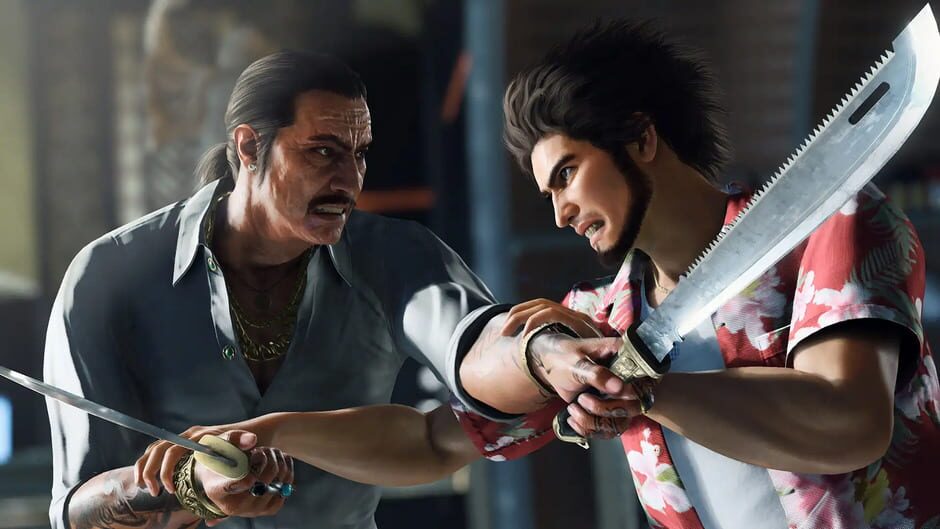
Kiryu follows a more intimate path. Now tied to the Daidoji faction and facing a serious illness, he must deal with his past, his former relationships and what he still hopes to accomplish. The game therefore uses its two protagonists in very different ways: Ichiban moves toward new encounters, while Kiryu gradually revisits his own history.
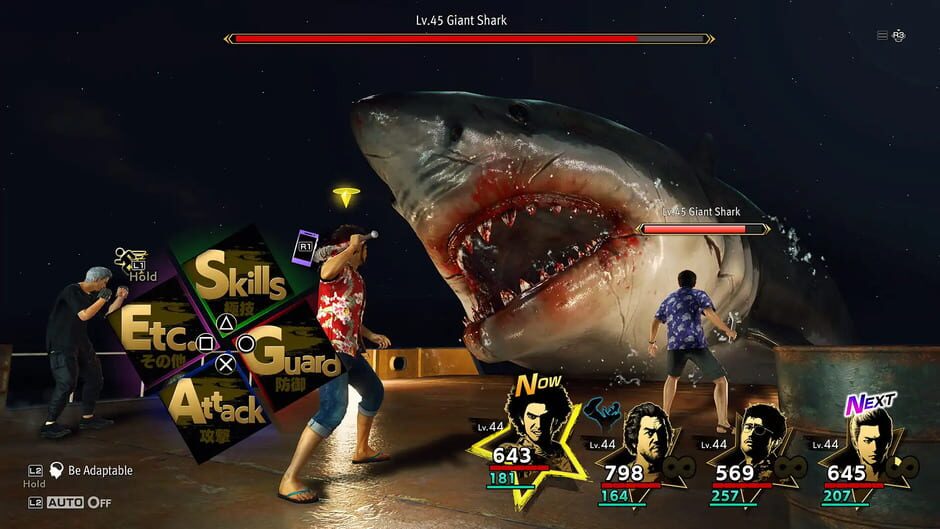
The combat system retains the turn-based structure introduced in Yakuza: Like a Dragon, but becomes much more mobile. Characters can move within a limited area before acting, making it easier to exploit enemy positions, the environment and group attacks.
Positioning now has a direct impact on battles. Enemies can be knocked into walls, objects or other opponents, while certain skills hit multiple targets depending on how they are arranged. Environmental objects can also be used automatically when a character is close enough to them.
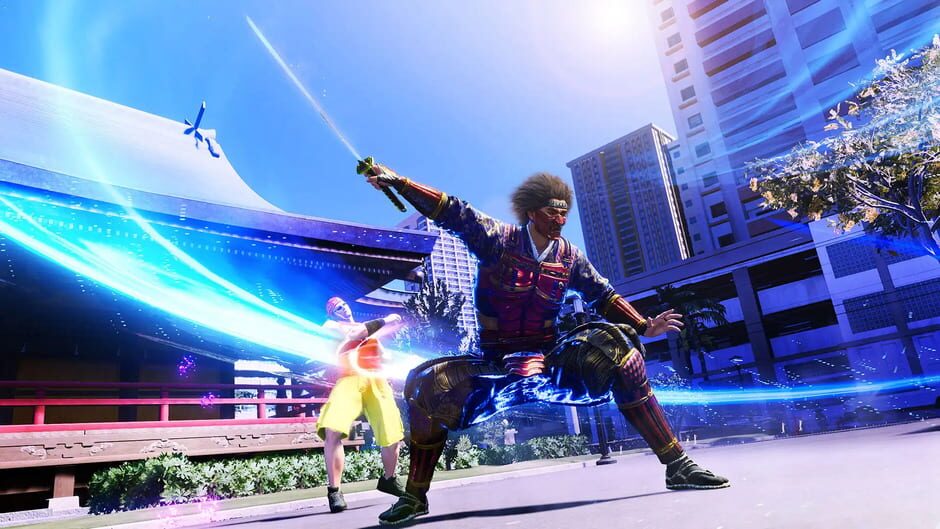
The job system returns with new classes adapted to the Hawaiian setting. Each role changes weapons, stats and skills, while the protagonists keep their own identities. Ichiban remains closely tied to his Hero role, while Kiryu has access to Dragon of Dojima, which reinterprets his former fighting styles within the RPG structure.
Kiryu can also trigger Dragon's Resurgence, temporarily suspending turn-based combat and giving him direct real-time control again. This mechanic acts as a bridge between the older action-based entries and the newer RPG formula.
Relationships with party members remain an important part of progression. Conversations, activities and personal events strengthen bonds within the group and unlock different interactions. Kiryu, meanwhile, has his own Bucket List, encouraging him to revisit places, memories and people connected to his past.
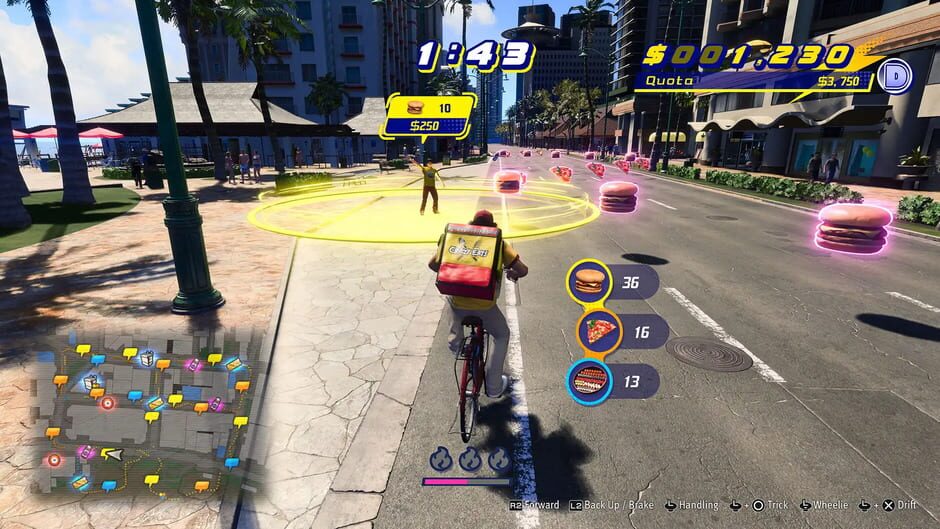
Side content still plays a major role, but two activities stand out in particular. Sujimon Battles become a full collection and team-combat system, while Dondoko Island asks Ichiban to restore and develop an island into a tourist destination.
Around these larger systems, the game retains the structure typical of the series: substories, karaoke, arcades, sports, absurd encounters and numerous distractions regularly interrupt the main story.
The overall experience is therefore built around a balance of crime drama, RPG progression, exploration and side content, while using its two protagonists to connect the future of the series with its legacy.
Key points
- An adventure led jointly by Ichiban Kasuga and Kazuma Kiryu.
- A story divided between Hawaii and Japan.
- Ichiban travels in search of his mother, Akane.
- Kiryu simultaneously confronts his past and a serious illness.
- The return of turn-based RPG combat, now with greater mobility.
- Positioning, environmental interactions and knockback attacks play a larger role.
- An expanded job system with new classes.
- Kiryu has the Dragon of Dojima style and can temporarily fight in real time.
- Relationships with party members play an important role in progression.
- The Bucket List develops Kiryu's personal journey.
- Sujimon Battles form a full side activity.
- Dondoko Island allows players to transform an abandoned island into a tourist resort.
- Numerous substories and side activities remain central to the experience.
Conclusion
Like a Dragon: Infinite Wealth expands the series' RPG formula without breaking from its identity. Combat gains more freedom through movement and positioning, while jobs and character relationships deepen party customization.
The presence of both Ichiban and Kiryu gives the game a distinctive structure. The former moves toward Hawaii, new encounters and a family story, while the latter turns back toward his past and the people who shaped his journey.
Between these two paths, activities such as Sujimon and Dondoko Island continue one of the series' defining traditions: placing highly developed side systems next to the main drama while keeping everything within the same world.
Good to know
Like a Dragon: Infinite Wealth was developed by Ryu Ga Gotoku Studio and published by SEGA.
The game was released on January 26, 2024 for PlayStation 4, PlayStation 5, Xbox One, Xbox Series X|S and Windows PC/Steam.
It is a direct sequel to Yakuza: Like a Dragon for Ichiban Kasuga and also continues Kazuma Kiryu's story after Like a Dragon Gaiden: The Man Who Erased His Name.
The story begins in 2022 and introduces Hawaii as a major new playable region in the main series.
The Japanese cast notably includes Kazuhiro Nakaya as Ichiban Kasuga and Takaya Kuroda as Kazuma Kiryu.
The game retains the turn-based combat system of the previous entry while expanding it with more movement, positioning and environmental interaction.
Higher-tier editions and additional content add elements such as New Game+, costumes and various bonuses. These are not treated here as part of the foundations of the standard edition.