Presentation
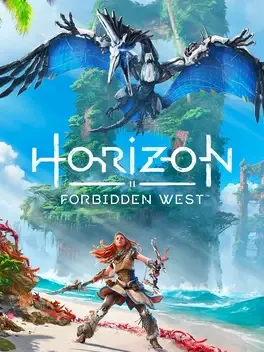
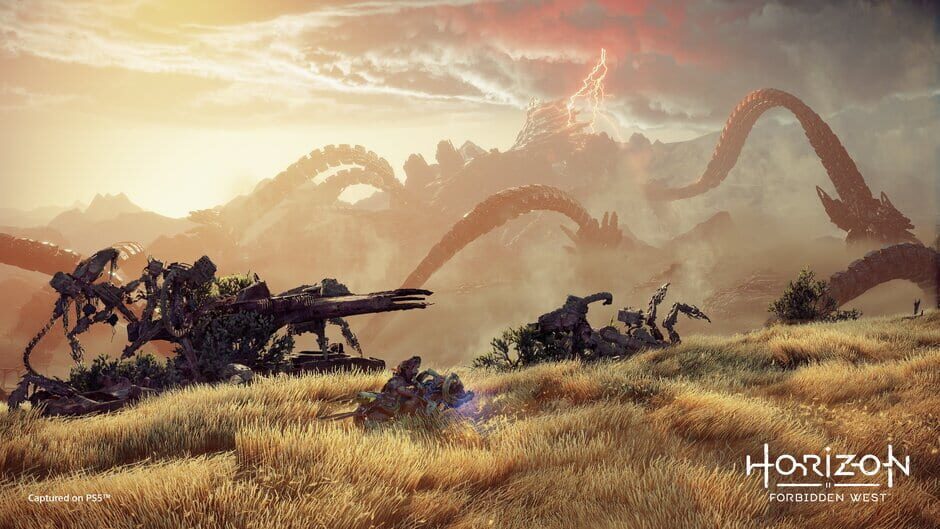
Horizon Zero Dawn rested largely on a mystery: how could the world have become this strange mix of tribal societies, technological ruins, and animal-like machines? Forbidden West arrives after part of those answers. Guerrilla can no longer reproduce exactly the same discovery and therefore chooses to broaden almost everything around it.
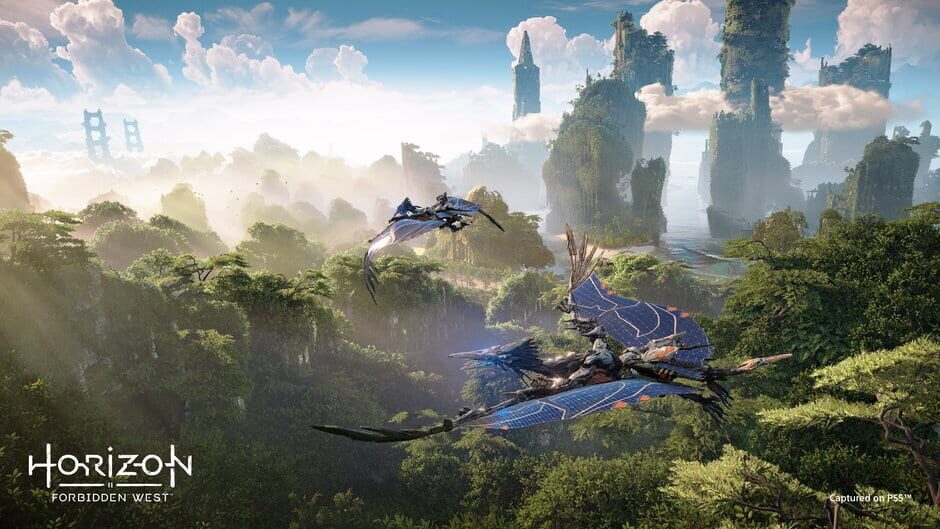
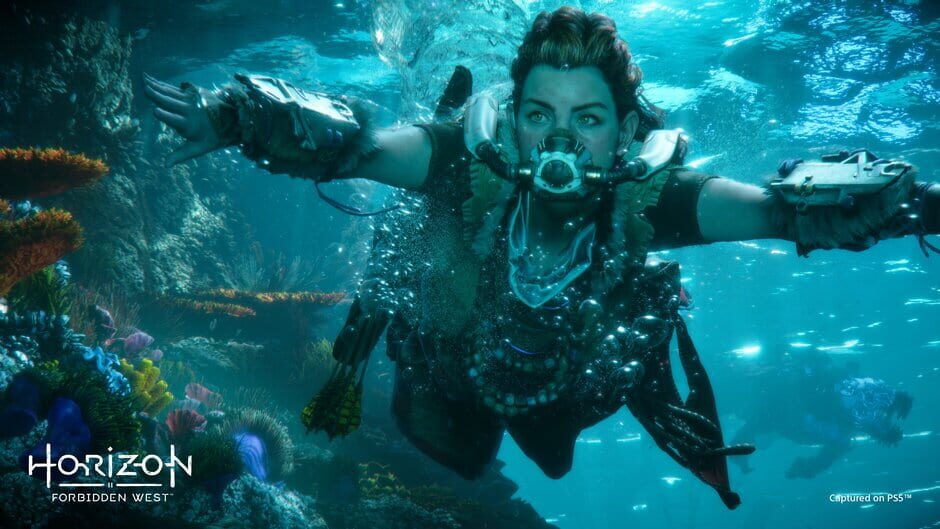
The Forbidden West multiplies environments, tribes, and machines while giving more freedom to Aloy's movement. Climbing is less restrictive, the Pullcaster allows slowing falls, the Shieldwing opens new passages, and underwater exploration gives access to spaces that barely existed in the first episode.
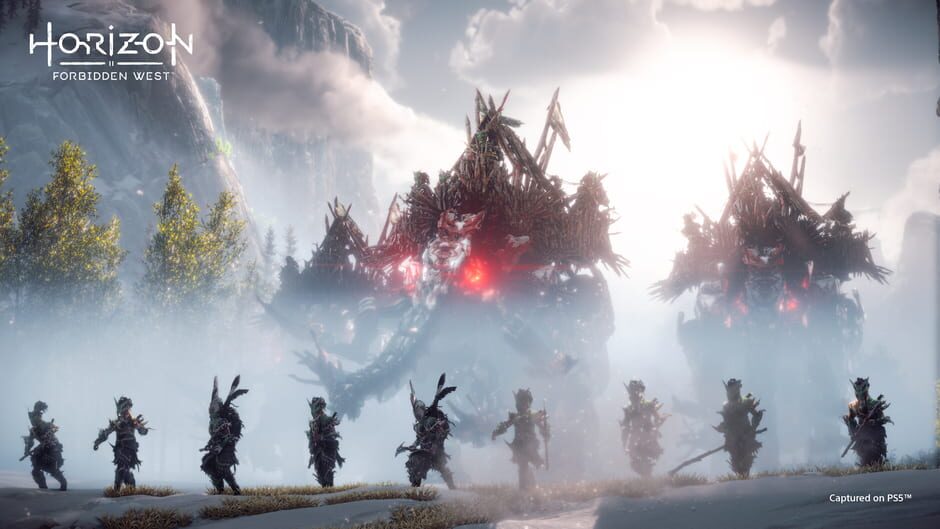
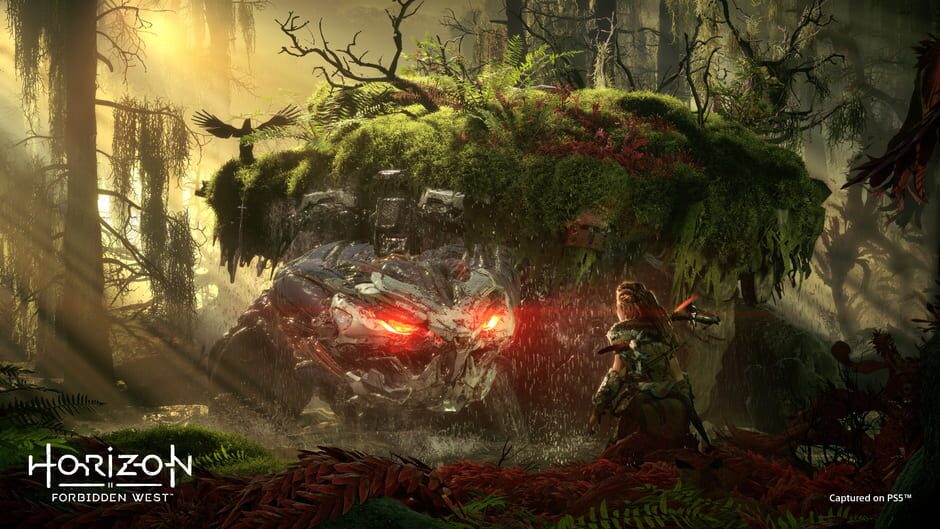
Combat nevertheless keeps the most singular idea of the series: a machine is not just a health bar to empty. Scanning its structure, spotting a vulnerable part, detaching a weapon, or exploiting an elemental weakness can count for more than simply increasing damage. Some confrontations thus take the form of mechanical problems to solve under pressure.
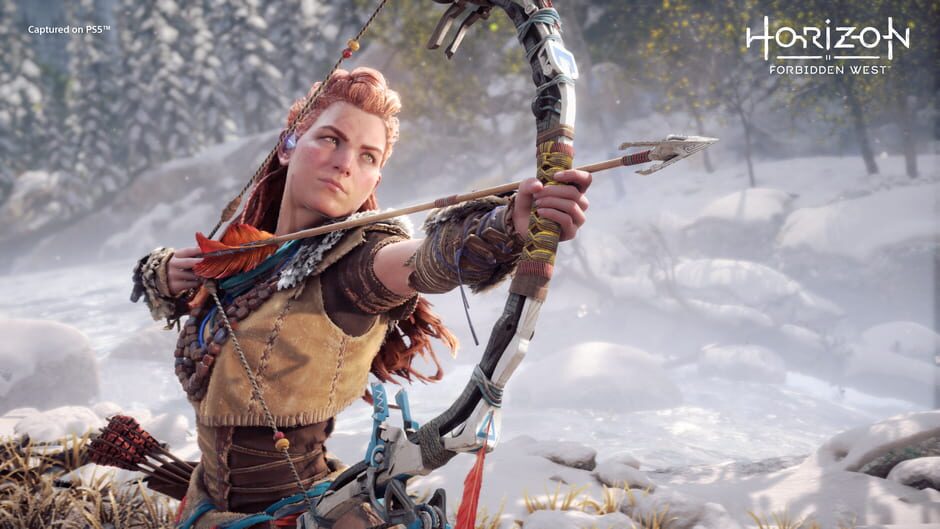
Forbidden West also strongly develops its RPG dimension. Weapons, outfits, skills, and improvements offer more specialization, while side quests and the communities encountered generally benefit from more staging and presence.
This abundance nevertheless constitutes one of the game's limits. More equipment means more resources to collect, more systems to understand, and more menus to manage. Forbidden West gains in richness almost everywhere, but this richness can sometimes become an additional layer between the player and the much more immediate pleasure of exploring or fighting an unknown machine.
Key Takeaways
- Forbidden West considerably expands the world of Horizon, with new regions, tribes, and machines.
- Movement gains in freedom, notably thanks to extended climbing, the Shieldwing, the Pullcaster, and underwater exploration.
- Machine hunting remains the heart of combat, with a strong emphasis on components, weaknesses, and tactics.
- The RPG becomes denser, with more weapons, equipment, skills, and specializations.
- This generosity can also become cumbersome, particularly when resources and upgrades take up too much space.
Conclusion
Horizon Forbidden West has an almost inevitable problem: it improves many things without being able to reproduce the wonder produced by the discovery of the first game.
Zero Dawn could gradually reveal the logic of its world and turn some answers into events. Forbidden West works with an audience that already knows its foundations. Guerrilla compensates by giving more material to the landscapes, communities, and systems.
This evolution works particularly well when the world seems to exist independently of Aloy. The villages are more alive, the secondary characters are better integrated, and the different tribes each interpret in their own way the technological remnants left by the old world.
But Horizon especially regains its personality when a machine appears.
Observing its silhouette, preparing the right ammo, aiming at a specific part, then improvising when the plan fails produces a very particular kind of tension. The best confrontations resemble hunts where understanding the creature counts almost as much as knowing how to dodge its attacks.
The game is less elegant when it tries to deepen all its systems at once. Weapons multiply, resources too, and certain upgrades require enough gathering to momentarily turn the adventure into logistics management.
This contrast sums up Forbidden West quite well. Guerrilla is often better when it deepens what makes Horizon singular than when it simply adds a new layer to what already exists.
The Forbidden West may no longer have the initial mystery of Zero Dawn, but its machines, its landscapes, and its way of making imaginary prehistory and technology coexist continue to give the series an immediately recognizable identity.
Good to Know
- Horizon Forbidden West was released on February 18, 2022 on PlayStation 4 and PlayStation 5.
- The game is developed by Guerrilla Games and directly continues the story of Horizon Zero Dawn.
- It uses Decima, the engine developed by Guerrilla.
- The Burning Shores expansion, released in 2023 on PlayStation 5, extends the story after the main adventure.
- A Complete Edition gathering the game and Burning Shores was later released on PC.
- Horizon Forbidden West is primarily a solo experience.