Presentation
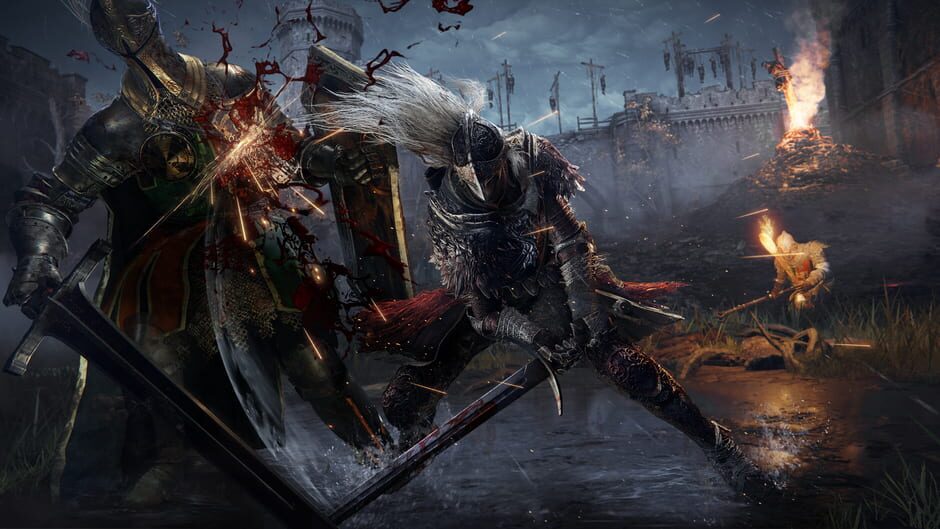
For years, FromSoftware games have taught players to observe carefully constructed spaces, memorize their traps, and try again until understanding what first seemed insurmountable. Elden Ring keeps that philosophy while radically changing the size of the playing field.
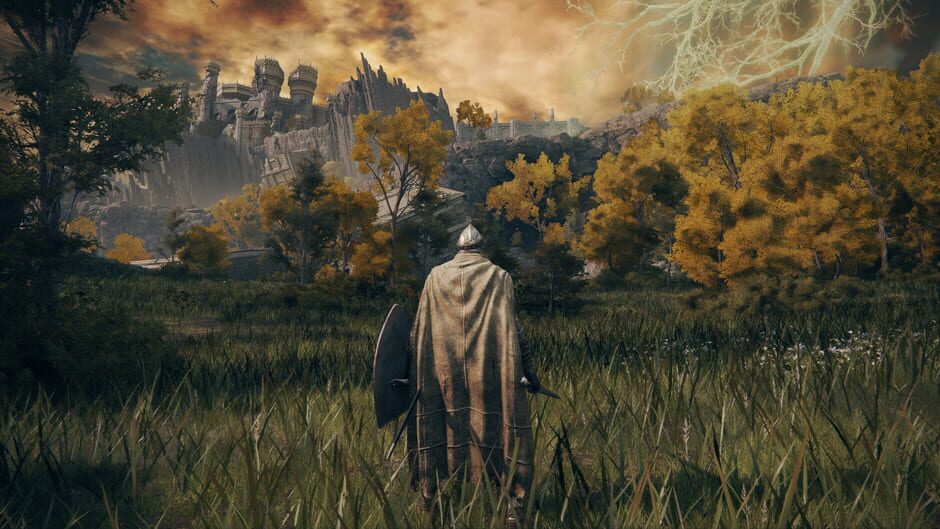
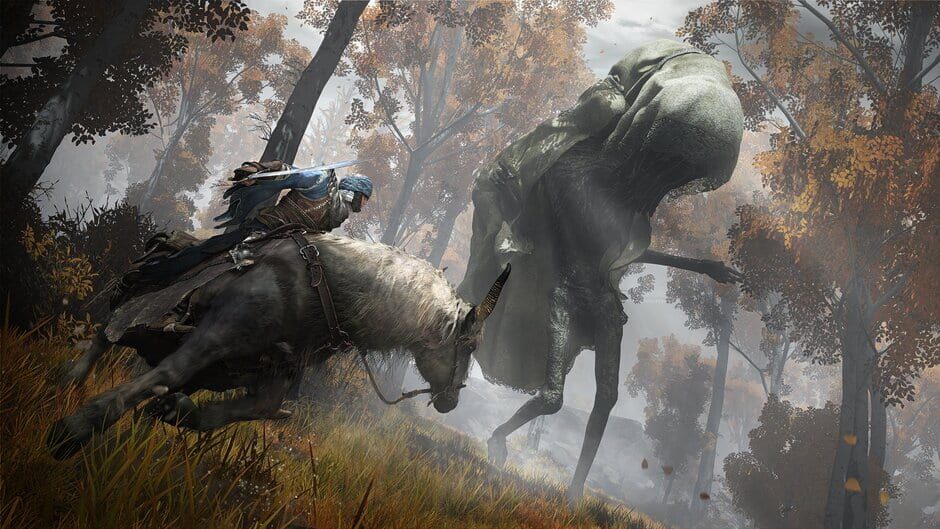
The Lands Between is not simply a larger version of Dark Souls. Its open world directly transforms the way of progressing. When a boss seems too powerful or a region becomes hostile, there is now an additional answer: go somewhere else. A side path, a ruin glimpsed in the distance, or an almost invisible passage can lead to new equipment, characters, a dungeon, or sometimes an entire region.
This freedom changes the relationship between exploration and difficulty. Failure no longer necessarily means immediately repeating the same obstacle. The player can change weapon, upgrade their character, experiment with another type of magic, use summons, or simply come back several hours later with a better understanding of their options.
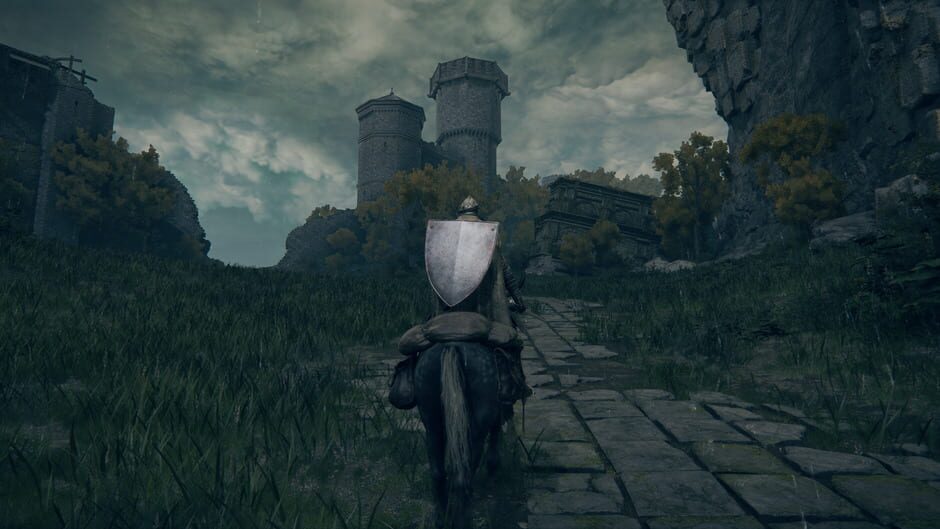
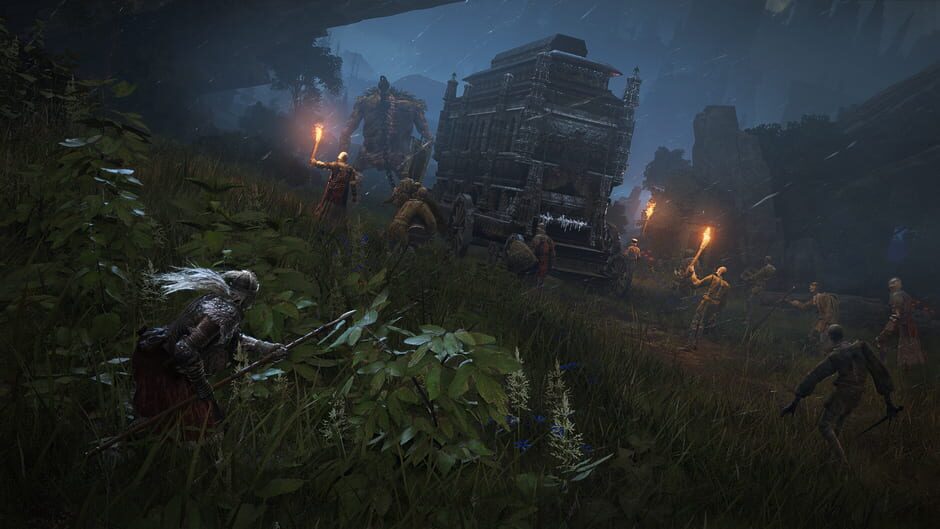
The world still keeps FromSoftware's identity. Behind the great plains appear castles, fortresses, and dungeons that are much denser, built around paths that cross, shortcuts, and verticality. The narration remains fragmented between dialogue, architecture, items, and encounters, leaving it to the player to reassemble part of the mythology.
The construction of this universe also draws on work done with George R. R. Martin, who took part in the elaboration of its mythological background before Hidetaka Miyazaki and FromSoftware shaped the Lands Between as it appears in the game.
Elden Ring therefore considerably expands the studio's formula without abandoning what made it recognizable. Its true transformation lies not only in the size of its map: curiosity becomes almost as important as combat mastery.
Key Takeaways
- Elden Ring transposes the Souls philosophy into a vast open world, with much freer progression.
- Faced with a difficult obstacle, going to explore elsewhere becomes a real strategy, not a mere distraction.
- The Lands Between favors observation and curiosity, with relatively few indications about the real importance of the places discovered.
- Freedom also concerns combat, thanks to a wide variety of weapons, magics, summons, and character builds.
- The great dungeons keep the dense and vertical level design characteristic of FromSoftware, despite the general change of scale.
Conclusion
The great risk of Elden Ring was fairly obvious: turning Dark Souls into an open world could simply produce more Dark Souls between two long walks. A formula so precise had no guarantee of surviving its expansion.
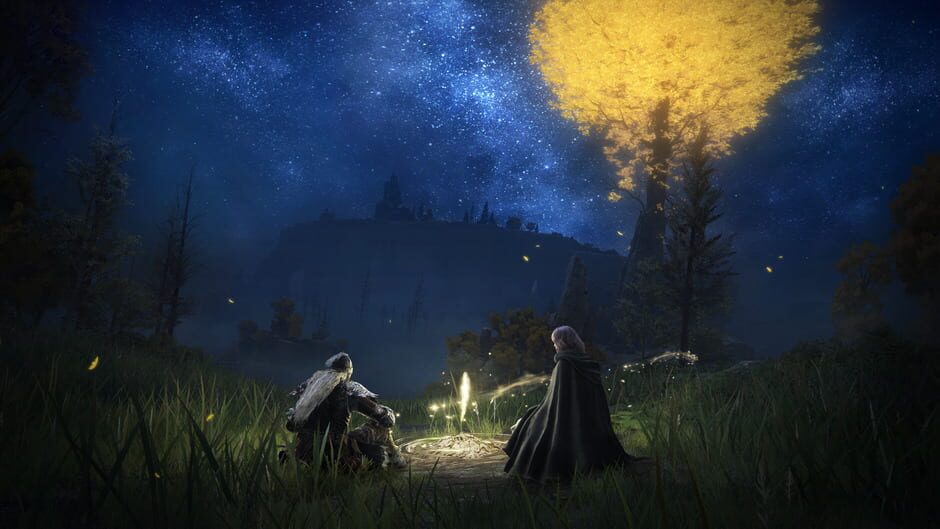
FromSoftware largely avoids this trap by giving a function to space. The Lands Between does not constantly try to announce what deserves attention. A tower rises above a cliff, a light appears in the mist, an elevator descends much further than expected, and the simple desire to understand becomes a sufficient reason to change direction.
This trust placed in curiosity is probably one of the game's greatest successes. Many open worlds turn exploration into verification work: reach an icon, finish an activity, erase a marker. Elden Ring works better when it gives the impression that the player has found something before even knowing whether that discovery was meant to be important.
Openness also makes difficulty more flexible without making it disappear. A boss can remain brutal, but the game now offers many ways to shift the balance of power before demanding greater precision. A new summon, an unexpected weapon, or a few hours spent in another region can entirely change an encounter that seemed impossible.
This freedom has its flip side. Over an adventure so vast, certain enemies and certain situations end up repeating themselves, while the balance varies greatly depending on the order of exploration and the build chosen. The very same openness that produces the finest discoveries makes the experience less perfectly controlled than in some of the studio's previous games.
But when the landscape, the combat, and the discovery align, Elden Ring pulls off something rare: the horizon is not only a scenery promising more content. It genuinely makes you want to go check what lies beyond.
FromSoftware did not simplify its language to fit the open world. The studio mainly gave it much more space to breathe.
Good to Know
- Elden Ring was released on February 25, 2022 on PlayStation 4, PlayStation 5, Xbox One, Xbox Series X|S, and PC.
- The game is developed by FromSoftware and directed by Hidetaka Miyazaki.
- George R. R. Martin took part in the creation of the mythological background that served as the basis for the universe.
- The experience can be played solo, with cooperative and competitive multiplayer features also available.
- Elden Ring won Game of the Year as well as three other awards at The Game Awards 2022.
- The Shadow of the Erdtree expansion, released in 2024, develops a new region and an additional part of the game's mythology.