Overview
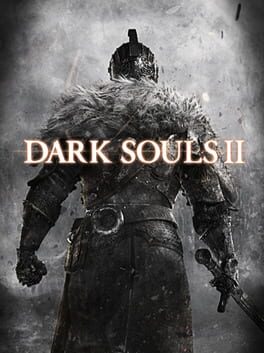
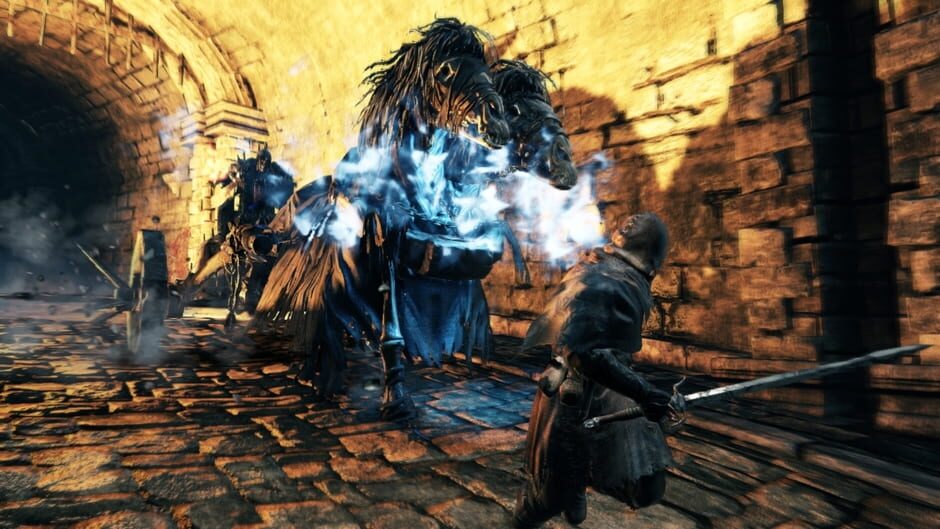
Dark Souls II moves the adventure to Drangleic while retaining the combat, death and learning principles established by its predecessor. Exploration leads through a fragmented and declining kingdom where progress still requires observing enemies, mastering distances and carefully managing the character’s resources.
Developed by FromSoftware and published by Bandai Namco Entertainment and FromSoftware, the game was released on March 11, 2014. The listed platforms are PlayStation 3, PC and Xbox 360. The associated genres are action, adventure, fantasy and RPG. The specified modes are Single player, Multiplayer and Co-operative, and the listed engine is Proprietary Engine.
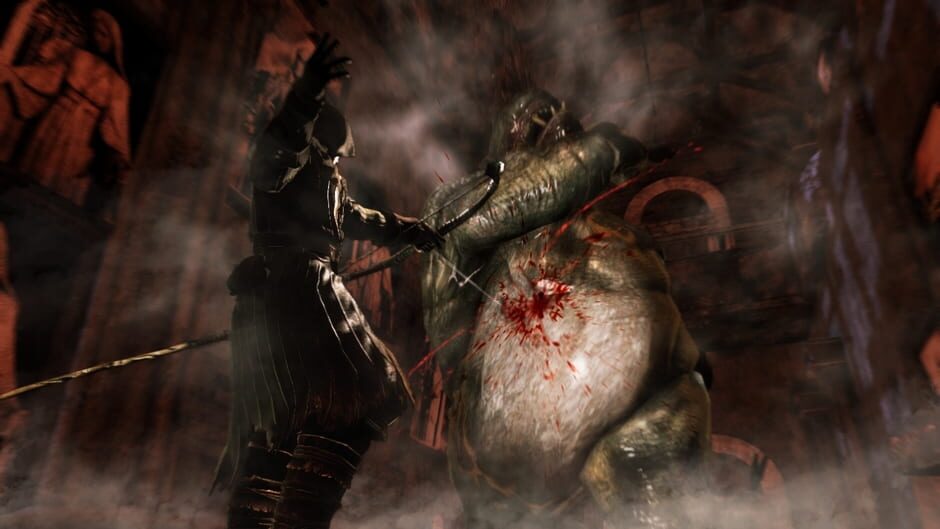
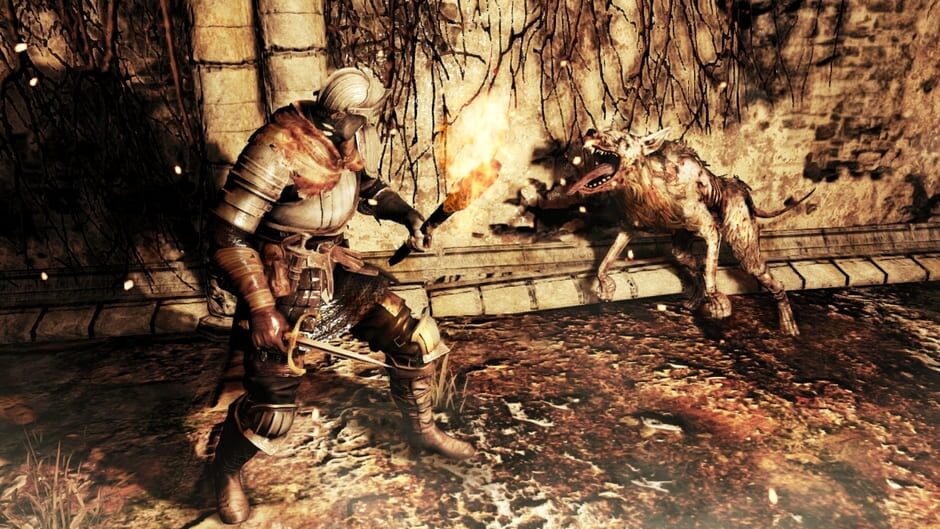
Combat remains closely tied to stamina. Attacking, blocking, dodging and performing certain actions consume this resource, while weapons, armor and character stats influence how the character moves and faces enemies. Dark Souls II also expands customization possibilities with more weapons, armor sets and character configurations.
The game notably introduces Power Stance. By equipping two compatible weapons and meeting the required stat conditions, the player can adopt a stance that uses both weapons within combined attacks. Dual wielding therefore becomes a genuine character-building option rather than simply placing two pieces of equipment in separate hands.
Death carries an additional consequence through Hollowing. Each death gradually causes the character to lose part of their humanity and reduces their maximum health. This deterioration can be reversed by using a Human Effigy, restoring human form and the maximum health limit.
Healing still relies on the Estus Flask, but it is supplemented by Lifegems. These consumables restore health gradually over several seconds, creating an alternative to the more immediate and limited recovery provided by Estus.
Bonfires retain their role as resting and respawn points. Resting at one restores health, Estus uses and spell charges, automatically repairs equipment that is not broken and causes most enemies to respawn.
Dark Souls II significantly changes their role in traversal, however. Once a bonfire has been lit, the player can fast travel to other discovered bonfires without waiting for a late-game milestone to unlock the system. Exploration of Drangleic is therefore organized differently from the journey through Lordran.
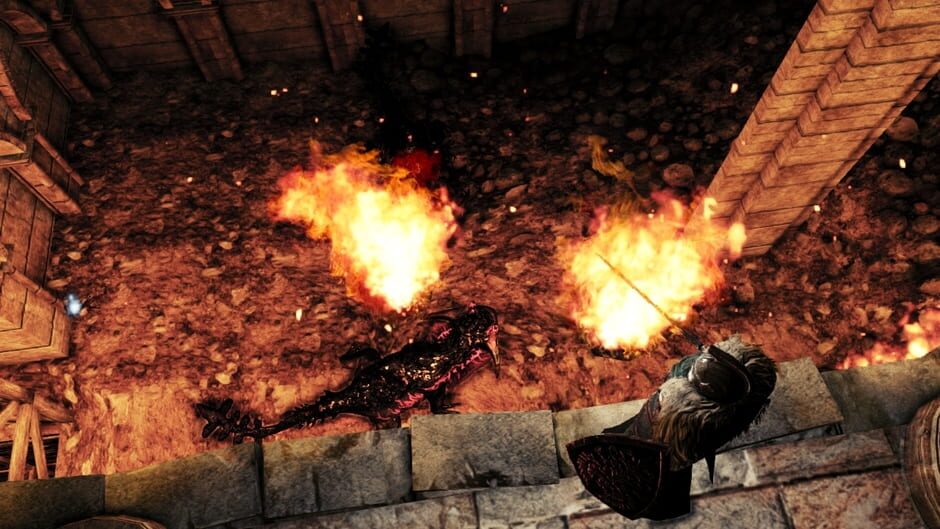
Bonfire Ascetics allow the player to directly alter certain areas. Burning one at a bonfire permanently raises the intensity of the corresponding region, strengthens enemies and can cause various enemies, bosses or items to reappear. A section of Drangleic can therefore locally adopt behavior closer to a New Game+ cycle without restarting the entire adventure.
This mechanic makes bonfires themselves part of progression. They no longer serve only to secure a route or restore resources: some can permanently change the state of a region depending on the player’s choices.
Character development also becomes more flexible through Soul Vessels. These items allow invested levels to be redistributed among different stats by returning to the Fire Keepers encountered at the beginning of the adventure. An initial build therefore does not permanently lock the character into the same statistical choices.
Multiplayer continues to mix cooperation and confrontation into the main journey. Players can be summoned to help in certain areas or against bosses, while invasions introduce opponents controlled by other players. Dark Souls II also adapts matchmaking through Soul Memory, which tracks the total number of souls acquired and influences player matching.
Equipment and stats remain closely connected. Carried weight notably influences movement and stamina recovery, while choosing between heavy weapons, faster weapons, shields, magic and dual wielding produces very different combat rhythms.
Dark Souls II therefore develops several systems of its own on top of a familiar foundation. Hollowing makes repeated deaths more visible on the character, Lifegems change healing management, bonfire travel restructures movement and Bonfire Ascetics allow the player to directly alter the difficulty and local content of certain regions.
Key takeaways
- The adventure takes place in the fallen kingdom of Drangleic.
- Each death gradually deepens Hollowing and can reduce the character’s maximum health.
- Human Effigies restore human form and the maximum health limit.
- Lifegems complement Estus by gradually restoring health.
- Fast travel between already lit bonfires is available during the exploration of Drangleic.
- Power Stance allows certain pairs of weapons to be used in combined attacks.
- Bonfire Ascetics permanently increase the local intensity of an area and can renew enemies, bosses or items.
- Soul Vessels allow invested stat levels to be redistributed.
Conclusion
Dark Souls II retains progression based on learning enemy behavior and managing stamina, but changes several systems surrounding each attempt. Hollowing, Human Effigies and Lifegems directly alter the consequences of death and the way health is recovered.
Bonfires also take on a broader function. Fast travel makes movement between discovered regions easier, while Bonfire Ascetics allow the player to permanently alter the intensity of certain areas without restarting the entire game.
Power Stance, stat redistribution and deeper customization finally expand character-building possibilities. Dark Souls II therefore preserves the series’ logic of risk and learning while giving Drangleic its own progression rules.
Good to know
- Dark Souls II was released on March 11, 2014.
- The game was developed by FromSoftware.
- Bandai Namco Entertainment and FromSoftware are listed as publishers.
- The listed platforms are PlayStation 3, PC and Xbox 360.
- The associated genres are action, adventure, fantasy and RPG.
- The specified modes are Single player, Multiplayer and Co-operative.
- The listed engine is Proprietary Engine.
- Its distinctive systems notably include progressive Hollowing, Lifegems, Power Stance, Soul Vessels and Bonfire Ascetics.