Overview
Devil May Cry does not simply ask players to defeat their enemies: the series encourages them to do it with style. Chaining attacks, switching between weapons, staying mobile and avoiding repetitive moves gradually turns combat into a genuine system of expression. This pursuit of mastery becomes one of the saga's defining traits from its earliest entries.
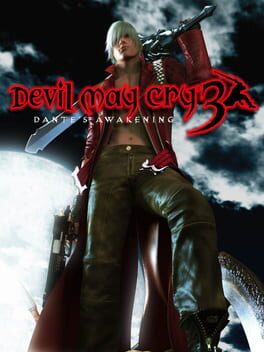
Devil May Cry 2 continues in this direction while changing several elements of the formula, before Devil May Cry 3: Dante's Awakening profoundly redefines its pacing and possibilities. Combat styles, the variety of weapons and the rivalry between Dante and Vergil give new depth to a system already built around speed and chained attacks.
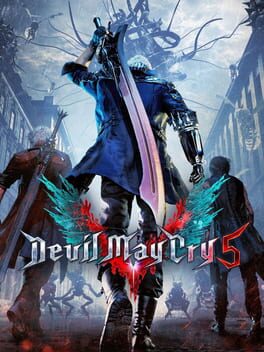
Devil May Cry 4 introduces Nero and his different approach to combat, while Devil May Cry 5 brings together several playable characters with very distinct mechanics. Across these five entries, the series continues to refine the same idea: making spectacular combat not merely a matter of presentation, but a mechanic whose language players must learn in order to truly explore its full depth.