Overview
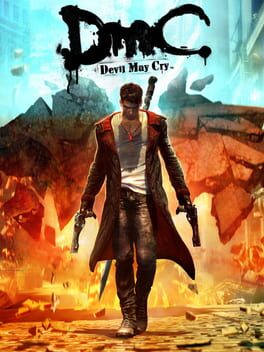
Developed by Ninja Theory and published by Capcom, DmC: Devil May Cry is a video game released on January 15, 2013. The platforms listed in this entry are PlayStation 3, PC and Xbox 360. The associated genres are action, adventure, fantasy, hack-and-slash and puzzle. The specified game mode is Single player, and the engine listed is Unreal Engine 3.
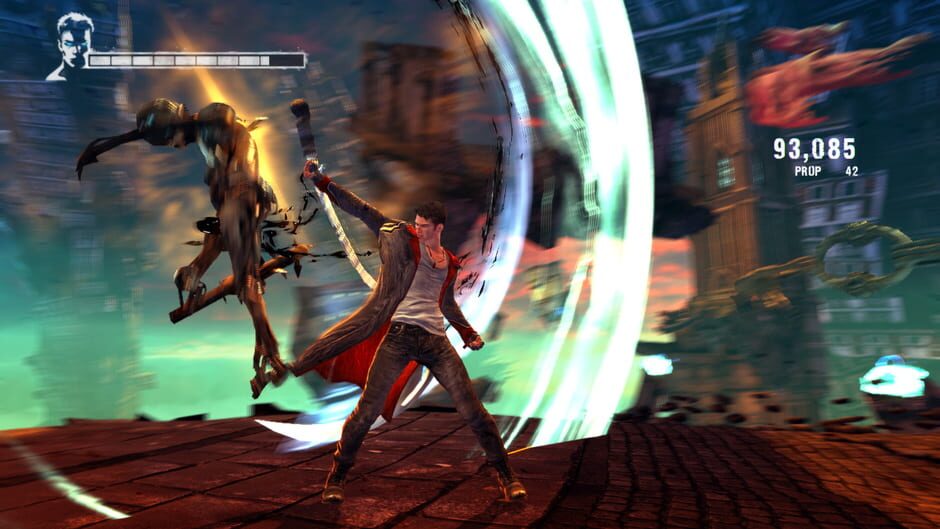
The game offers a new interpretation of Dante and his universe while retaining a structure centered on fast combat, combos and chaining together multiple weapons. Dante uses his sword Rebellion and his firearms, but his arsenal gradually expands with equipment linked to his angelic and demonic powers.
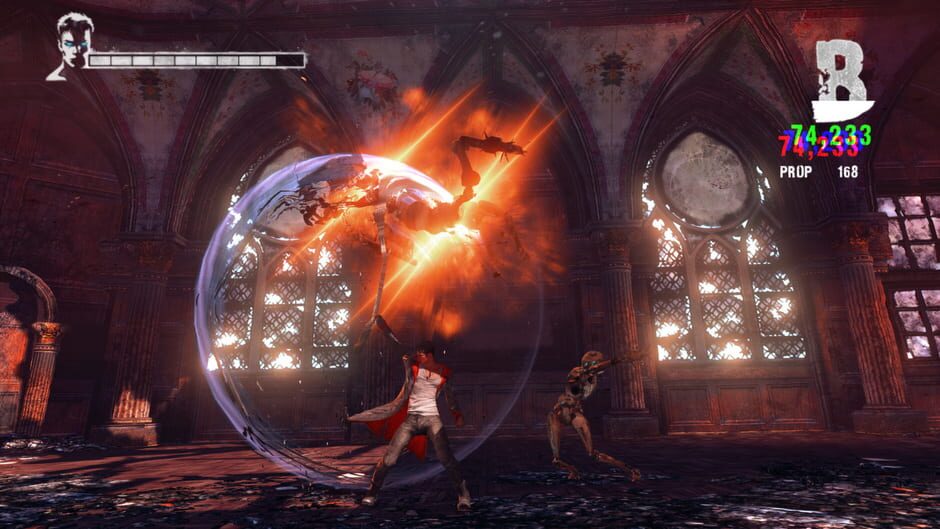
Angel and Demon abilities can be activated directly during combat. They transform the possibilities offered by Rebellion and allow the player to switch rapidly from one weapon type to another without interrupting combos.
Demonic weapons notably favor heavier attacks. Arbiter takes the form of a large axe capable of delivering powerful blows, while Eryx consists of gauntlets used for close-range and charged attacks.
Angelic weapons offer a different approach. Osiris is a scythe suited to fast attacks and crowd control, while Aquila uses blades that can notably hit multiple targets and extend combo possibilities.
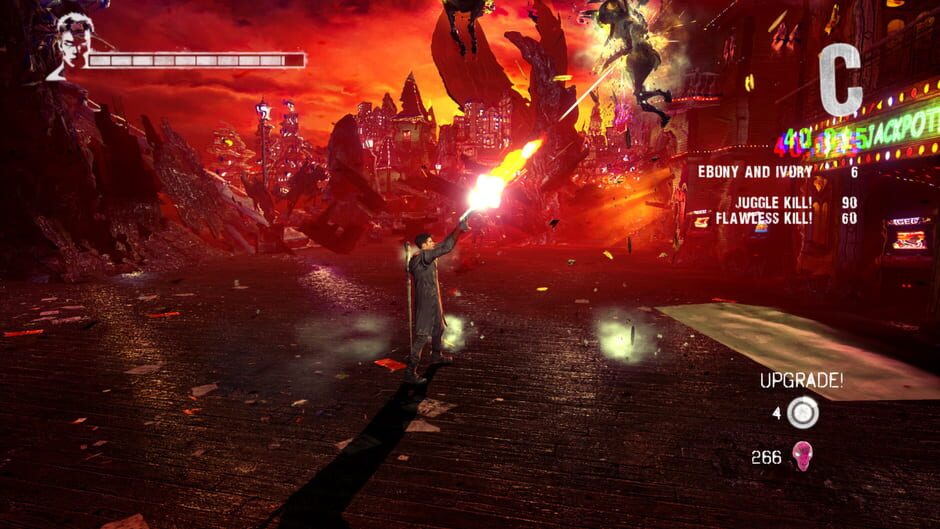
Dante also retains his Ebony & Ivory pistols and can obtain other ranged weapons. Switching between sword, angelic weapons, demonic weapons and firearms forms the core of the combat system and allows enemies to be kept airborne, pulled closer or used to extend attack chains.
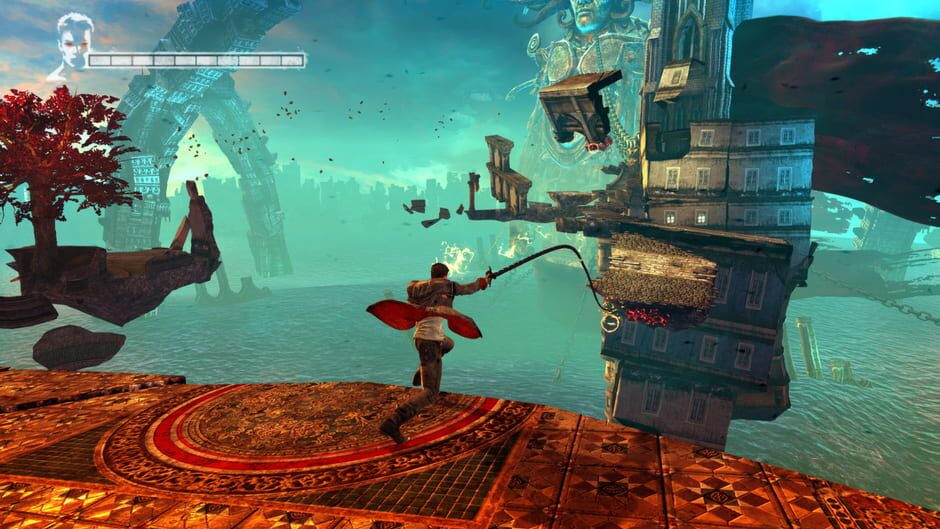
Angelic and demonic powers are also used for movement. Angel Lift pulls Dante toward certain points or enemies, while Demon Pull instead pulls certain objects or opponents toward him. These mechanics are used both during combat and in traversal sequences.
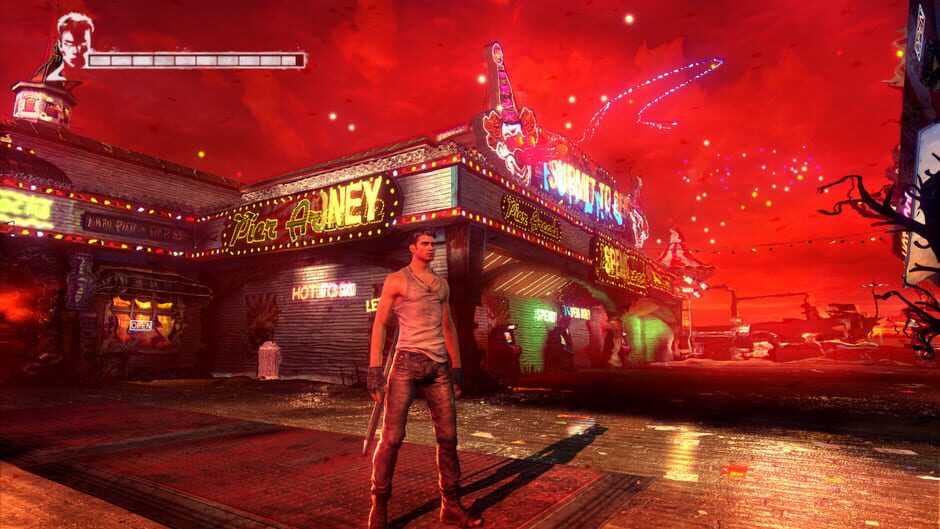
Exploration notably takes place in Limbo, a world that can transform around Dante. Structures move, paths distort or become dangerous, requiring jumps, dodges, Angel Lift, Demon Pull and other abilities to be combined in order to keep progressing.
The combat system constantly evaluates how the player chains attacks together. The Style Rank increases when strikes, weapons and techniques are varied, while excessive repetition of the same actions gradually reduces their value.
At the end of a mission, several elements also contribute to the overall evaluation, including Style Points, time, elements discovered throughout the level and certain penalties linked to the playthrough. Pursuing a higher rank therefore encourages both combat mastery and mission exploration.
Progression allows the player to obtain Upgrade Points used to unlock or improve Dante’s abilities and weapons. These points can be reassigned, making it possible to change selected upgrades during progression.
Red Orbs are another resource and are notably used to purchase items. Shops are accessible before certain missions as well as at Divinity Statues encountered throughout the levels.
Missions also contain keys and secret doors of different colors. When the corresponding key is found, these doors provide access to Secret Missions with specific objectives separate from the main progression.
Lost Souls are also hidden throughout the environments. Certain secrets or areas only become accessible after obtaining new weapons or abilities, allowing previously completed missions to be revisited in order to complete their exploration.
The Devil Trigger is finally a special ability powered by a dedicated gauge. Activating it temporarily changes the conditions of combat and notably allows Dante to strengthen his offensive against nearby enemies.
DmC: Devil May Cry therefore builds its progression around constant switching between several weapon categories, movement powers and combat techniques. The same abilities used to maintain and diversify combos are also used to cross Limbo’s transformations and reach certain hidden areas.
Key takeaways
- DmC: Devil May Cry is built around hack-and-slash gameplay centered on combos and rapidly switching between multiple weapons.
- Dante uses Rebellion, firearms and several angelic and demonic weapons.
- Angel and Demon abilities alter both combat possibilities and movement.
- Angel Lift and Demon Pull respectively allow Dante to reach certain targets or pull elements toward himself.
- Limbo transforms environments in real time and integrates these abilities into traversal sequences.
- The Style Rank rewards variety in attacks, weapons, dodges and techniques used during combat.
- Upgrade Points allow abilities to be developed and can be reassigned.
- Keys, secret doors, Secret Missions and Lost Souls expand level exploration.
Conclusion
DmC: Devil May Cry structures its combat system around the ability to switch rapidly between Rebellion, firearms, angelic weapons and demonic weapons in order to build varied attack chains.
This same division between Angel and Demon powers structures movement, with abilities used to pull certain elements, reach distant points and cross Limbo’s shifting environments.
The Style system, ability upgrades and the possibility of returning to search for secrets give missions a progression that combines combat mastery and exploration.
Secret Missions, Lost Souls, keys and doors finally complete this structure by using newly acquired abilities to gradually open up more possibilities within the levels.
Good to know
- DmC: Devil May Cry was released on January 15, 2013.
- The game was developed by Ninja Theory and published by Capcom.
- The platforms listed in this entry are PlayStation 3, PC and Xbox 360.
- The associated genres are action, adventure, fantasy, hack-and-slash and puzzle.
- The specified game mode is Single player.
- The engine listed in this entry is Unreal Engine 3.
- Gameplay notably combines Rebellion, firearms, angelic weapons, demonic weapons and Devil Trigger.
- Exploration notably includes Secret Missions, Lost Souls and areas requiring certain abilities or weapons.