





















Overview
Warner Bros. Records was the former name of an American record label founded in 1958 by the Warner Bros. film company. Initially established to expand the studio's music business, it gradually became one of the recording industry's major brands, encompassing rock, pop, jazz, funk, R&B and alternative music.
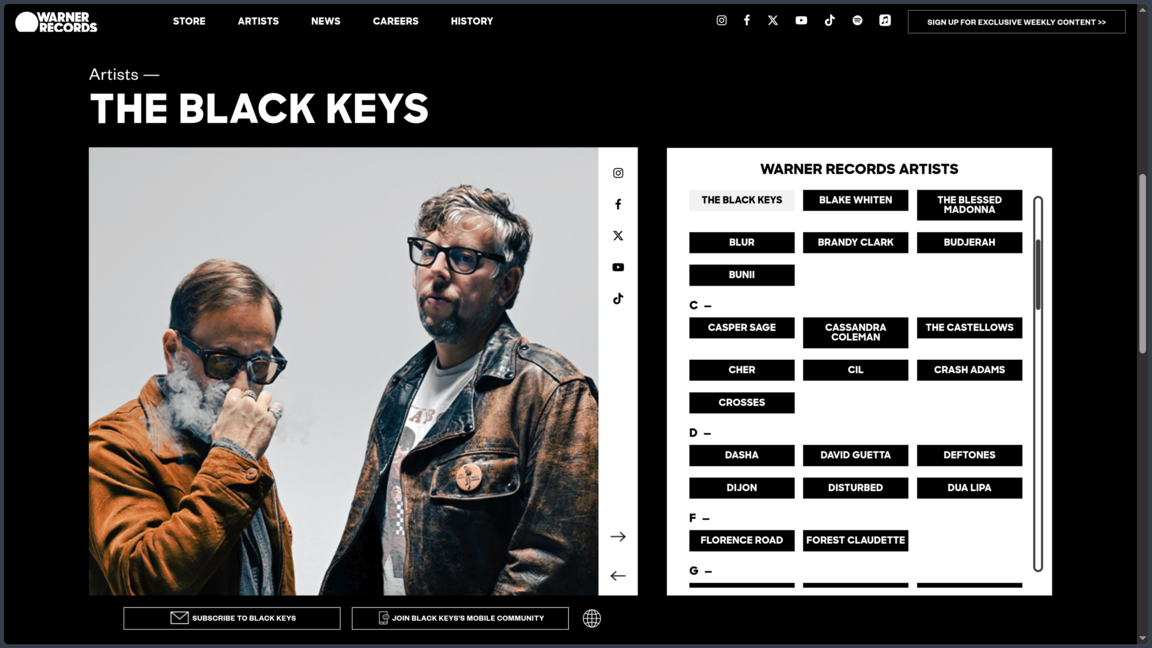
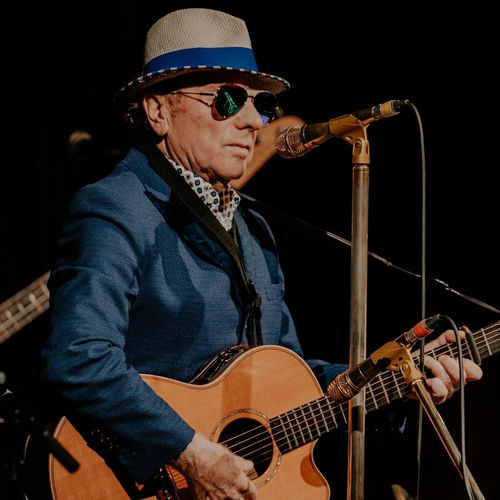
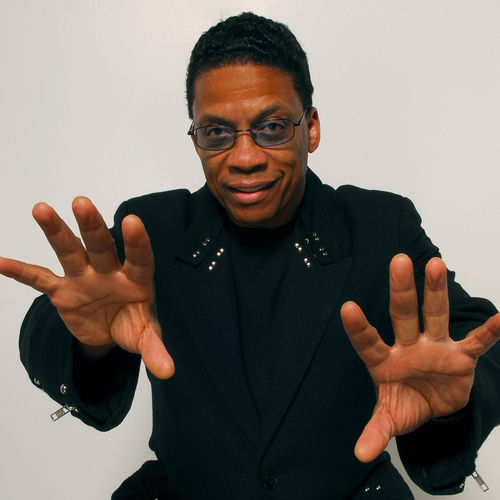
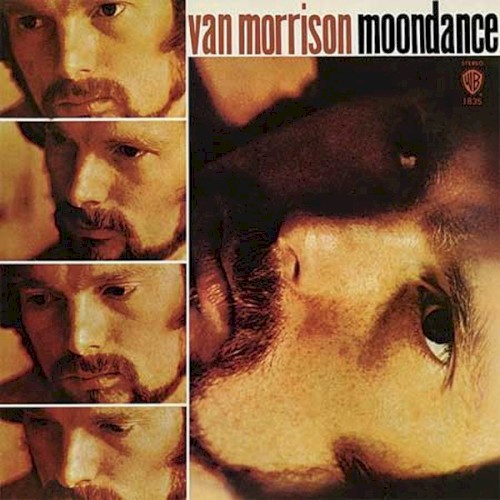
Its catalogue brought together several generations of influential artists, including Van Morrison, Prince, Herbie Hancock, George Benson, Madonna, Red Hot Chili Peppers, Deftones and Linkin Park. Albums such as Astral Weeks (1968), Moondance (1970), 1999 (1982), Blood Sugar Sex Magik (1991), Californication (1999) and Hybrid Theory (2000) illustrate the diversity of its releases.
The label also played an important role in the international distribution of certain artists, with editions sometimes differing between territories. It maintained close relationships with other record labels within the group, particularly Reprise Records and Sire Records.
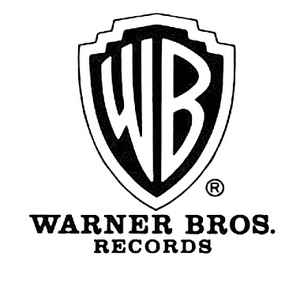
In May 2019, Warner Bros. Records retired its historic name and shield logo to become Warner Records. This transformation marked the end of the former commercial identity, rather than the closure of its recording activities, which continued within Warner Music Group.
History
1958-1967 — Foundation and early development
Warner Bros. Records was established in March 1958 in Burbank, California, by the Warner Bros. film studio. The company sought to expand its soundtrack activities and take advantage of its relationships with performers under contract.
Its first years were commercially challenging. The label released comedy recordings, popular music and productions connected to the film industry.
In 1963, Warner Bros. acquired Reprise Records, the label founded by Frank Sinatra. The acquisition brought new artists and experienced executives into the group, including Mo Ostin, who would play a decisive role in Warner's artistic development.
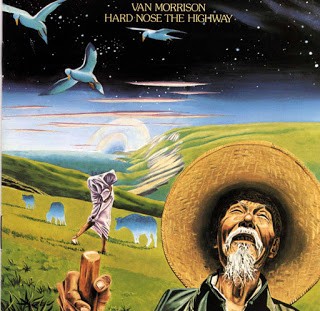
During the second half of the 1960s, the label considerably expanded its catalogue. It worked with The Grateful Dead and Van Morrison, whose Astral Weeks (1968) became one of the defining releases of his career.
Between 1967 and 1969, the company also operated under the Warner Bros.-Seven Arts Records name, reflecting changes in the ownership and organisation of the film company.
1968-1979 — Rock, folk, jazz and artistic freedom
Under the influence of Mo Ostin and producer Lenny Waronker, Warner developed an approach that supported artists and creative projects not necessarily designed around conventional commercial expectations.
Van Morrison released albums including Moondance (1970), Tupelo Honey (1971) and Veedon Fleece (1974), while the wider Warner-Reprise catalogue included artists such as Joni Mitchell, Neil Young, Randy Newman and Fleetwood Mac.
Jazz and instrumental music also occupied an important place. Herbie Hancock released Fat Albert Rotunda (1969) and Mwandishi (1971), exploring new forms of electric jazz. George Benson achieved international success with Breezin' (1976), helping to bring jazz to a wider popular audience.
In 1978, Warner Bros. Records released For You, Prince's debut album. The artist quickly developed a musical identity combining funk, rock, soul and electronic music, beginning a relationship that would significantly shape the label's history.
This period also saw the consolidation of a broader recording network involving Warner, Elektra and Atlantic within an international distribution organisation.
1980-1999 — Prince, Madonna and the rise of alternative rock
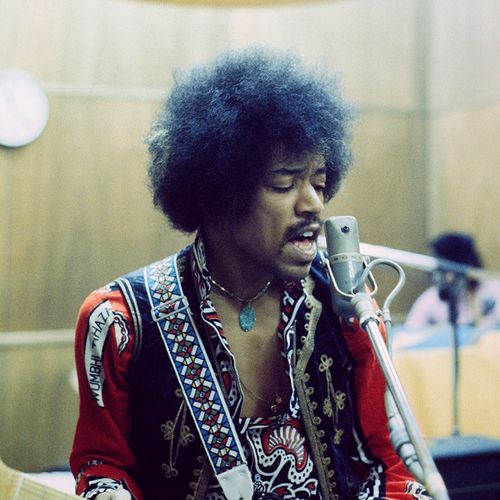
During the 1980s, Prince became one of Warner Bros. Records' defining artists. With Dirty Mind (1980), Controversy (1981), 1999 (1982) and Purple Rain (1984), he developed a highly influential musical identity.
The partnership continued with Lovesexy (1988) and Diamonds and Pearls (1991), before disagreements over artistic control and contractual arrangements led to a public conflict between Prince and Warner during the 1990s.
The label also contributed to Madonna's international success, particularly through Sire Records, an associated Warner label. Erotica (1992) and Ray of Light (1998) illustrate her evolving approach to pop, dance and electronic production.
Its catalogue included guitarists such as George Benson and Eric Clapton, while Dire Straits' Brothers in Arms (1985) was marketed under the Warner Bros. label in certain territories, particularly North America.
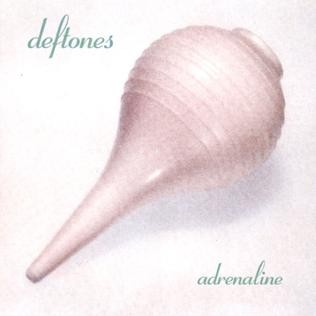
In the early 1990s, Warner significantly expanded its alternative rock catalogue. Red Hot Chili Peppers released Blood Sugar Sex Magik (1991), followed by One Hot Minute (1995) and Californication (1999). Deftones also entered this musical environment with Adrenaline (1995) and Around the Fur (1997), released through Maverick, a Warner-associated label.
2000-2019 — Linkin Park, diversification and a new identity
In the early 2000s, Warner Bros. Records supported Linkin Park's worldwide breakthrough with Hybrid Theory (2000) and Meteora (2003). The band combined alternative metal, hip-hop and electronic music before expanding its sound through Minutes to Midnight (2007) and A Thousand Suns (2010).
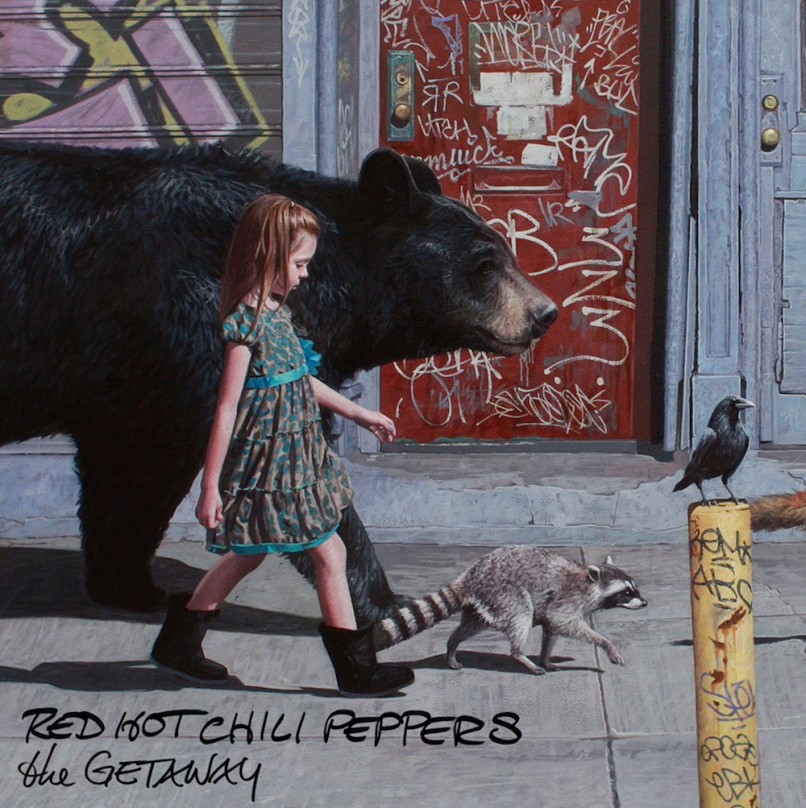
Red Hot Chili Peppers continued their association with the label through By the Way (2002), Stadium Arcadium (2006), I'm with You (2011) and The Getaway (2016).
The catalogue also included Muse releases such as Black Holes and Revelations (2006), Drones (2015) and Simulation Theory (2018), with distribution arrangements varying between markets. The label supported newer hip-hop artists, including Mac Miller with GO:OD AM (2015), The Divine Feminine (2016) and Swimming (2018).
In 2004, Warner Music Group separated from Time Warner and became an independent music company. Warner Bros. Records nevertheless retained the contractual right to use its historic name and logo for another fifteen years.
On May 28, 2019, Warner Music Group officially announced the renaming of Warner Bros. Records as Warner Records. The company adopted a new circular logo and relocated its headquarters from Burbank to the Arts District in Los Angeles.
This transformation ended the use of the Warner Bros. Records brand for the label's new activities while preserving the continuity of its catalogue and organisation.
Distinctive Features
A catalogue spanning multiple musical generations
Warner Bros. Records accompanied the evolution of American popular music from the 1960s onward. Folk, jazz, funk, rock, pop and alternative metal all feature in its history, with artists as different as Van Morrison, Prince, George Benson, Red Hot Chili Peppers and Linkin Park.
An approach associated with creative freedom
Under Mo Ostin's leadership, Warner developed a reputation for supporting artists and allowing careers to develop across multiple albums. This approach encouraged original productions, although certain relationships were also affected by contractual disputes, particularly with Prince.
Relationships with other record labels
Warner Bros. Records maintained close connections with Reprise, Sire and Maverick, among others. These relationships explain why certain albums carry several label names and why their attribution sometimes differs according to country or edition.
A change of name rather than a company closure
The end of Warner Bros. Records in 2019 represented a change of name and visual identity. Its successor, Warner Records, continued the label's operations within Warner Music Group.
Key Facts
- Founded: March 1958, in Burbank, California.
- Founder: the Warner Bros. film studio.
- Historical name: Warner Bros.-Seven Arts Records, used in the late 1960s.
- Major acquisition: Reprise Records, founded by Frank Sinatra and acquired in 1963.
- Influential executive: Mo Ostin, a central figure in the label's development.
- Jazz and soul: Herbie Hancock, George Benson and other major American musicians.
- Signature artist: Prince, signed in the late 1970s.
- Alternative rock: Red Hot Chili Peppers, Deftones and Linkin Park.
- Associated labels: Reprise, Sire and Maverick, depending on the period and releases.
- Corporate separation: Warner Music Group separated from Time Warner in 2004.
- End of the historic name: May 28, 2019.
- Successor: Warner Records, still active within Warner Music Group.