



Overview
Walt Disney Productions was the name used for more than half a century by the company founded by Walt Disney and Roy O. Disney.
Its roots go back to 1923, when the two brothers launched their Hollywood business around the Alice Comedies. The company initially operated under several names, including Disney Brothers Cartoon Studio and later Walt Disney Studio.
On December 16, 1929, the business was formally incorporated and Walt Disney Productions became the principal company grouping the assets previously held through the partnership between Walt and Roy.
The name accompanied Disney through an extraordinary period of transformation.
Originally focused primarily on animation, the studio progressively became a much broader film producer.
It developed the great animated classics that established Disney’s reputation, but also documentaries, films combining animation and live action, and eventually a substantial catalog of fully live-action productions.
Treasure Island, released in 1950, notably marked Disney’s true entry into fully live-action feature filmmaking.
It was followed by productions such as 20,000 Leagues Under the Sea, Old Yeller, Darby O’Gill and the Little People, Swiss Family Robinson, The Parent Trap, Mary Poppins, The Love Bug, Bedknobs and Broomsticks, Escape to Witch Mountain, Freaky Friday, The Black Hole and TRON.
Walt Disney Productions was not limited to cinema.
Under this name, the company also expanded into television, opened Disneyland in 1955, launched Walt Disney World in 1971, developed EPCOT and supported the international expansion of the Disney brand.
After Walt Disney’s death in 1966 and Roy Disney’s death in 1971, the company continued evolving while searching for a new direction.
In the early 1980s, it entered a period of uncertainty before the arrival of Michael Eisner and Frank Wells in 1984.
The creation of Touchstone Pictures then allowed Disney to produce films aimed at older audiences without changing the family-oriented positioning of the Disney name.
On February 6, 1986, Walt Disney Productions officially adopted the name The Walt Disney Company.
That date therefore marks the end of the historic Walt Disney Productions name, not the disappearance of the company itself.
History
1923 — The origins of the Disney company
Before Walt Disney Productions existed, there was the company created by Walt and Roy Disney in California.
Walt arrived in Hollywood in 1923 after the failure of Laugh-O-gram Films in Kansas City.
He brought with him a project combining a real young actress with an animated world: Alice’s Wonderland.
Distributor Margaret Winkler agreed to commission a series based on the concept.
On October 16, 1923, the contract for the Alice Comedies was signed.
That date is traditionally regarded as the birth of the Disney company.
Walt and Roy initially worked under the name Disney Brothers Cartoon Studio, before the business gradually adopted the name Walt Disney Studio.
Mickey transforms the studio
After the Alice Comedies and later Oswald the Lucky Rabbit, Walt lost control of Oswald to his distributor in 1928.
Together with Ub Iwerks, he then developed Mickey Mouse.
The success of Steamboat Willie, presented on November 18, 1928 with especially effective synchronized sound, immediately transformed the studio’s position.
Mickey quickly became an international star.
Donald Duck, Goofy, Pluto and many other characters followed.
The success gave the Disney brothers the means to structure their company on far more solid foundations.
1929 — The birth of Walt Disney Productions
On December 16, 1929, the business underwent a legal reorganization.
Several companies were created to replace the original partnership between Walt and Roy Disney.
Among them was Walt Disney Productions, Ltd.
The structure took over the principal production assets and gradually became the corporate name by which the Disney company was known.
For that reason, 1929 is the precise starting date of Walt Disney Productions as an entity, even though its institutional history reaches back to 1923.
The 1930s — Animation as the driving force
During the 1930s, Walt Disney Productions remained primarily an animation studio.
Mickey Mouse continued his rise while the Silly Symphonies served as a technical and artistic laboratory.
Disney experimented with Technicolor, developed character animation further and invested in training its artists.
The studio also improved techniques such as the multiplane camera, used to give greater depth to backgrounds.
But Walt Disney soon aimed for a much more ambitious goal: producing a true animated feature film.
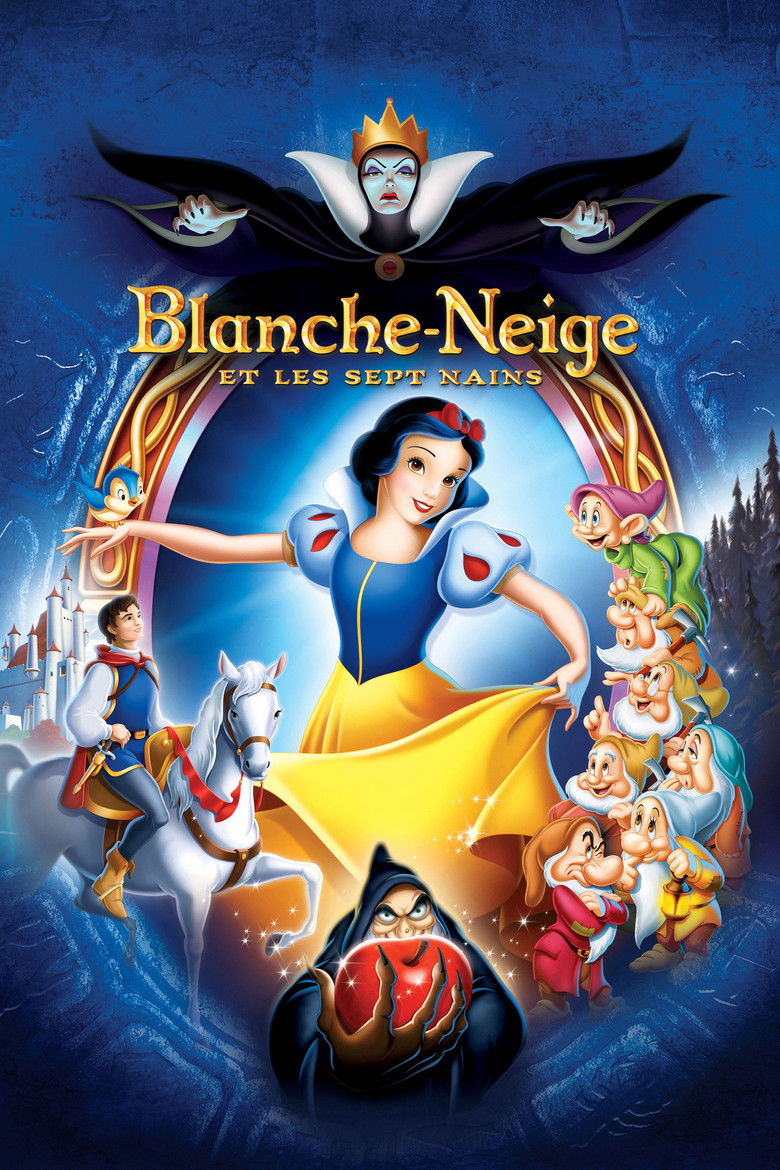
1937 — Snow White and the Seven Dwarfs
Snow White and the Seven Dwarfs premiered in December 1937.
The project represented an enormous financial risk.
Much of Hollywood doubted that audiences would remain engaged by more than an hour of animation.
Its success was nevertheless spectacular.
The film transformed Walt Disney Productions.
The company could now approach animation on a scale comparable to conventional filmmaking and use its new financial resources to build a major production complex in Burbank.
Burbank and a new industrial ambition
The profits from Snow White helped finance construction of the new Burbank studio, which opened in the early 1940s.
Disney was no longer operating like the small workshop of the 1920s.
Hundreds of artists, technicians and employees now worked on increasingly complex productions.
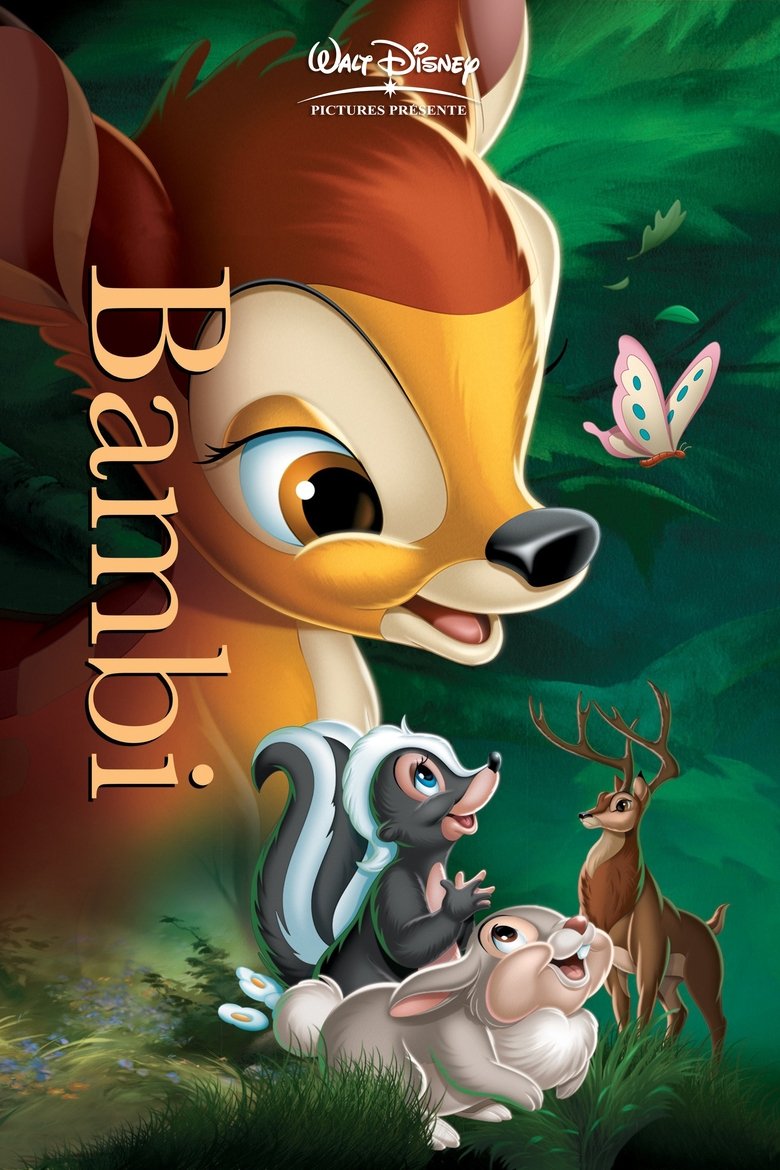
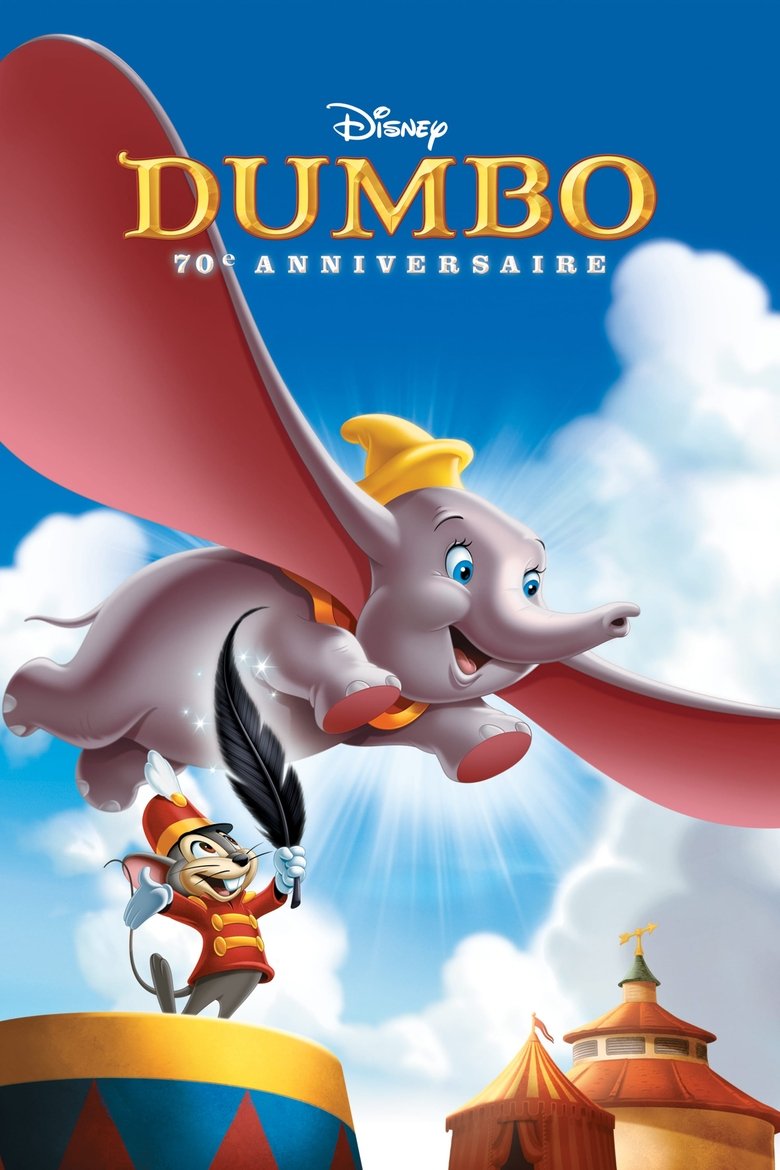
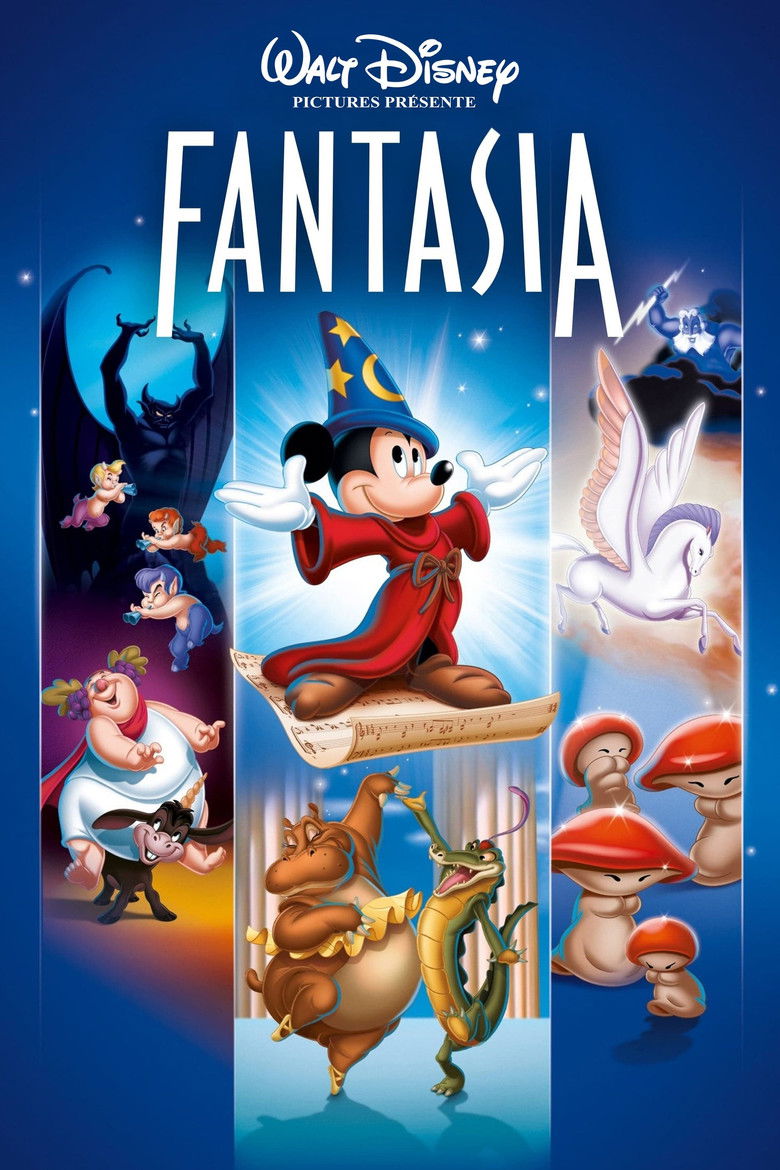
Pinocchio, Fantasia, Dumbo and Bambi demonstrated the artistic ambition of the period.
But their high costs, combined with the closing or weakening of several international markets during the war, placed financial pressure on the company.
World War II
World War II profoundly changed Walt Disney Productions.
The studio made numerous educational, military and propaganda films for the United States government.
Its feature films temporarily became less ambitious or took the form of anthology productions made up of several shorter segments.
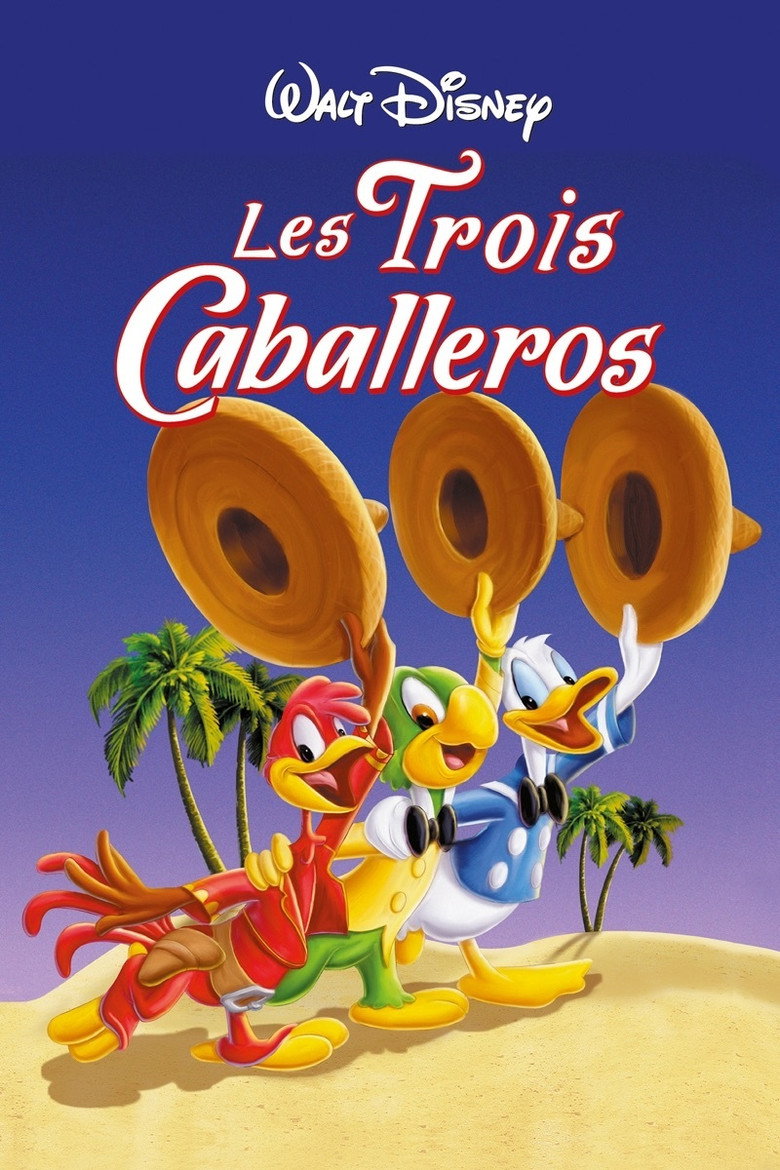
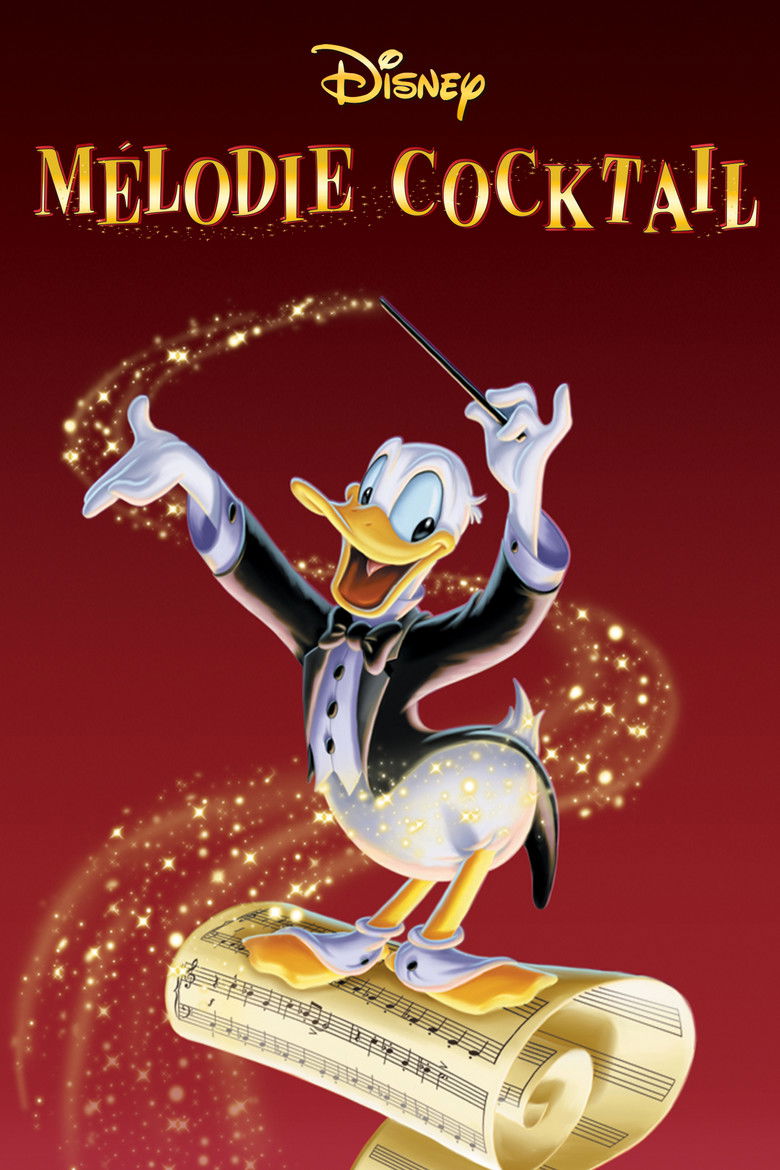
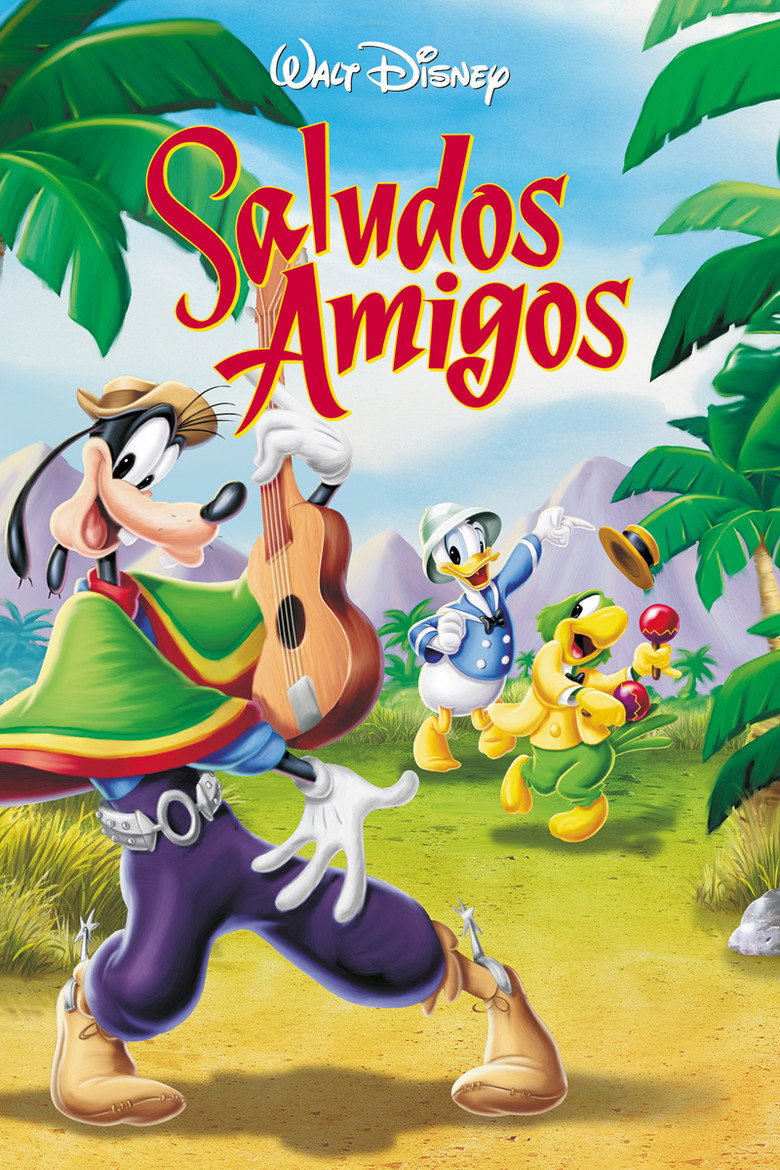
This period produced works such as Saludos Amigos, The Three Caballeros, Make Mine Music, Fun and Fancy Free and Melody Time.
Disney had to diversify its activities in order to regain long-term stability.
The True-Life Adventures
After the war, Walt Disney became increasingly interested in wildlife documentaries.
The True-Life Adventures used footage of nature to build accessible narratives for general audiences.
The series won several awards and allowed the company to explore a new sector of filmmaking.
This diversification contributed to transforming Walt Disney Productions into a much broader entertainment company than a simple cartoon studio.
1950 — Treasure Island and live-action filmmaking
A major turning point came with Treasure Island, released in 1950.
Disney had already combined actors and animation in works such as The Reluctant Dragon, Song of the South and So Dear to My Heart.
But Treasure Island became its first fully live-action feature film.
The film was produced in England, partly because Disney had British funds after the war that could not easily be transferred back to the United States.
That limitation paradoxically helped open a major new activity for the company.
A genuine live-action catalog
The success of Treasure Island encouraged Disney to develop more films with actors.
Several productions were initially made in the United Kingdom.
The studio later expanded this activity strongly from the United States.
Live-action features became an essential complement to animation.
They could also be produced more quickly than major hand-drawn features, helping the company maintain a more regular flow of releases.
1954 — 20,000 Leagues Under the Sea
In 1954, Walt Disney Productions released 20,000 Leagues Under the Sea, adapted from Jules Verne.
The project became one of the most ambitious live-action productions undertaken by Walt.
Kirk Douglas, James Mason, Paul Lukas and Peter Lorre were among its stars.
The Nautilus, underwater sequences and giant-squid battle required considerable work in sets and special effects.
The film won two Academy Awards, including one for special effects.
It confirmed that Disney could now compete with major Hollywood live-action productions.
1954 — Television becomes essential
Walt Disney also understood the potential of television very early.
In 1954, the program Disneyland began airing on ABC.
The show combined film presentations, documentaries, adventures, animation and promotion for the future Disneyland park.
Television gave Disney a direct way to reach millions of households on a regular basis.
It also played a major role in financing and promoting the new activity Walt was preparing in California.
1955 — Disneyland
On July 17, 1955, Disneyland opened in Anaheim.
The project went far beyond cinema.
Walt wanted to create a place where stories, environments, attractions and characters could physically exist around visitors.
Worlds developed by the studio directly inspired some attractions.
Conversely, the parks generated new stories, television programs and commercial possibilities.
Walt Disney Productions therefore began operating as a true entertainment ecosystem.
Family films of the 1950s
The studio multiplied its live-action productions.
Old Yeller, released in 1957, became one of its major family classics.
Darby O’Gill and the Little People followed in 1959 with extensive special-effects work.
The productions mixed adventure, comedy, family drama and literary adaptations.
Disney gradually built a recognizable style of family-oriented live-action filmmaking.
1960 — Swiss Family Robinson
Swiss Family Robinson was released in 1960.
The film follows a shipwrecked family surviving on a tropical island.
The production made extensive use of natural locations in Tobago and notably created the impressive treehouse featured in the story.
The film became a major success.
It was later rereleased several times and also inspired attractions in Disney parks.
It became one of the clearest examples of ideas moving between films and physical experiences at Disney.
1961 — The Parent Trap
In 1961, The Parent Trap starred Hayley Mills in a dual role.
The comedy follows two separated twin sisters who discover their relationship and decide to reunite their parents.
The effects allowing Hayley Mills to appear opposite herself became one of the film’s notable technical features.
The film’s success strengthened the actress’s relationship with Disney.
It also helped establish family comedy as a durable part of the studio’s live-action catalog.
1964 — Mary Poppins
One of Walt Disney Productions’ greatest achievements arrived in 1964 with Mary Poppins.
Adapted from the books by P. L. Travers, the film paired Julie Andrews and Dick Van Dyke in a production combining live action, animation, special effects, music and dance.
Songs by the Sherman Brothers played an essential role.
Mary Poppins became a huge critical and commercial success.
The film received thirteen Academy Award nominations and won five.
Julie Andrews notably won the Academy Award for Best Actress.
A synthesis of Disney expertise
Mary Poppins particularly illustrates what Walt Disney Productions had become by the mid-1960s.
The studio could combine actors, animation, visual effects, songs, choreography and internally developed technologies within a single project.
The sequence in which the characters enter an animated world recalls the earliest experiments of the Alice Comedies, but with several decades of technical progress behind it.
The film became one of the greatest successes achieved during Walt Disney’s lifetime.
1966 — The death of Walt Disney
Walt Disney died on December 15, 1966.
His death represented a major upheaval.
He had not only overseen films, but had also been deeply involved in television, theme parks, technological projects and the company’s overall direction.
Walt Disney Productions now had to continue without its principal creative force.
His brother Roy became essential in ensuring that major projects already underway were completed.
1968 — The Love Bug
In 1968, The Love Bug introduced Herbie, a Volkswagen Beetle with a personality of its own.
The comedy became a major hit.
Herbie quickly became one of Disney’s important live-action properties.
Several sequels and later versions would follow over the decades.
The film showed that Walt Disney Productions could still create new popular franchises after Walt’s death.
Walt Disney World
The major Florida project launched by Walt before his death continued under Roy O. Disney.
The resort opened on October 1, 1971 under the name Walt Disney World, chosen by Roy to explicitly connect the project to his brother.
The Magic Kingdom became the first major component of the resort.
The company once again expanded in scale.
Disney now operated two major entertainment destinations in the United States in addition to its film and television activities.
1971 — Bedknobs and Broomsticks
That same year, Bedknobs and Broomsticks continued the studio’s tradition of productions combining live action and animation.
Angela Lansbury plays an apprentice witch during World War II.
The film notably uses visual effects and an extended sequence combining real actors with animated animals.
It fits directly into the technical tradition of Mary Poppins while developing its own fantasy world.
Roy Disney dies as well
Roy O. Disney died in December 1971, only a few months after Walt Disney World opened.
Within five years, the company had lost both of its founders.
Leadership passed to a new generation of executives.
The period raised a difficult question: how could Disney continue expanding without Walt or Roy while preserving the identity they had built?
The 1970s
Walt Disney Productions continued producing animation, live-action films and television programming.
Works such as The World’s Greatest Athlete, Escape to Witch Mountain, Freaky Friday, Pete’s Dragon and The Rescuers sustained the catalog.
The studio remained strongly associated with family entertainment.
But American cinema was changing rapidly.
Audience tastes evolved, and Disney gradually found it more difficult to attract teenagers and adults who did not always identify with its family-oriented image.
1975 — Escape to Witch Mountain
Escape to Witch Mountain was released in 1975.
The film follows two children with extraordinary abilities who attempt to discover their true origins.
Its blend of science fiction, adventure and supernatural powers was successful enough to generate several follow-up productions.
The film illustrates Disney’s growing interest in fantasy stories aimed at younger audiences.
1976 — Freaky Friday
Freaky Friday was released in 1976, starring Jodie Foster and Barbara Harris.
A mother and daughter mysteriously exchange bodies and must live each other’s lives.
The simple and effective concept became one of the most durable properties in the Disney catalog.
The story would be adapted several more times over the following decades.
1977 — Pete’s Dragon
Pete’s Dragon continued in 1977 the tradition of films blending animation and live action.
Young Pete is accompanied by Elliott, an animated dragon invisible to most of the other characters.
The film demonstrates that hybrid techniques remained an important part of Disney’s language long after Mary Poppins.
1979 — The Black Hole
In 1979, Walt Disney Productions attempted a more ambitious form of science fiction with The Black Hole.
A space crew discovers an enormous spacecraft positioned near a black hole.
The film uses extensive sets, miniatures and visual effects.
Its tone is noticeably darker than that usually associated with Disney productions of the period.
It reflects the studio’s attempt to respond to an industry transformed in part by the science-fiction boom of the late 1970s.
A period of uncertainty
At the beginning of the 1980s, Disney still possessed an exceptional legacy, highly successful parks and a globally recognized brand.
Its film activity, however, had become less consistent.
Traditional family productions were struggling to attract some audiences.
The company began experimenting with new genres and technologies.
At the same time, its enormous historic catalog was becoming an increasingly valuable asset.
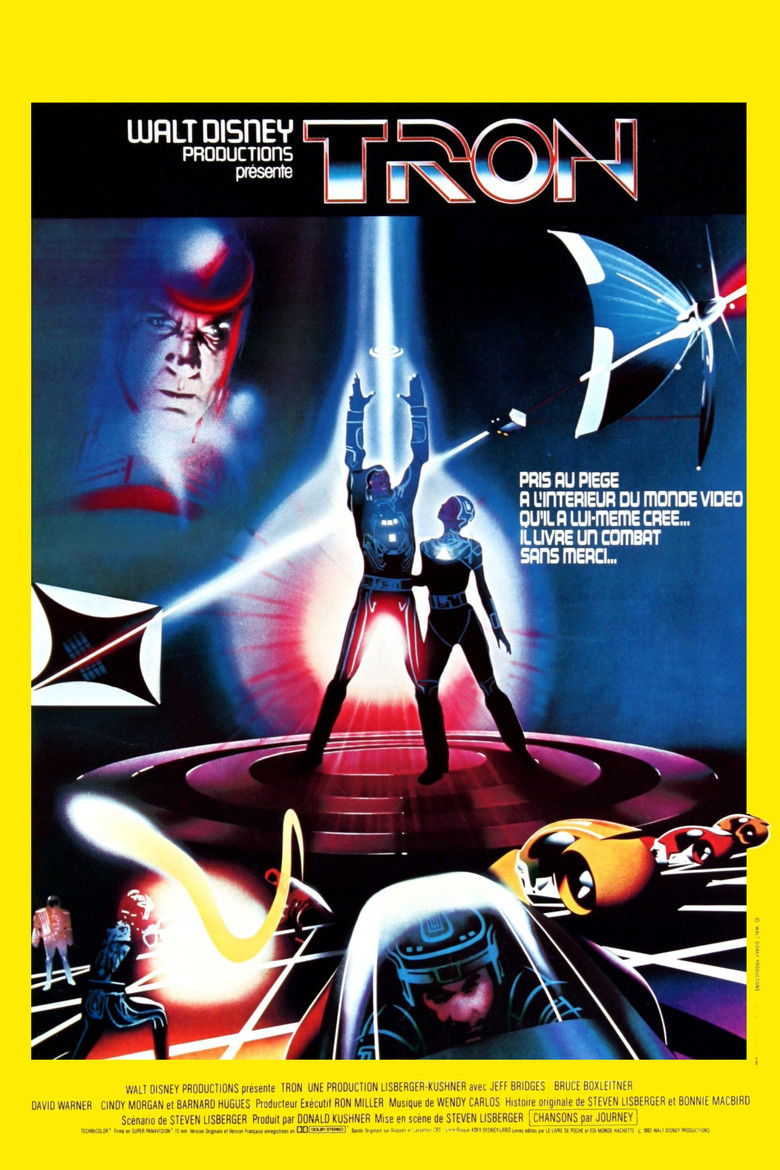
1982 — TRON
TRON was released in 1982.
The film follows Kevin Flynn into a digital world located inside a computer system.
The production combines live action, animation, backlighting, optical techniques and computer-generated imagery.
Long before digital effects became standard, Disney therefore experimented with a visual style built around computing.
The film achieved only moderate commercial success on release, but its influence and cultural status grew considerably over time.
EPCOT Center
Also in 1982, EPCOT Center opened in Florida.
The project differed greatly from the experimental city Walt Disney had originally imagined, but retained part of his interest in technology, the future and world cultures.
Its opening demonstrated that Walt Disney Productions’ activities now extended far beyond cinema.
The company combined studios, television, theme parks, merchandise and character licensing.
1983 — Tokyo Disneyland and Disney Channel
In 1983, Disney continued expanding.
Tokyo Disneyland opened on April 15 and became the first Disney park located outside the United States.
The same year also saw the launch of The Disney Channel in the United States.
These two developments illustrate the company’s evolution into an international entertainment group using its content across many platforms.
Threats to the company
Despite these developments, the early 1980s remained a fragile period.
The value of Disney’s different assets attracted investors considering acquisitions or major restructuring.
Several takeover attempts threatened the company’s independence.
These events accelerated the search for new leadership capable of revitalizing the business and making better use of its many properties.
1984 — Michael Eisner and Frank Wells
In 1984, a new leadership team took control of the company.
Michael Eisner became chairman and Chief Executive Officer, while Frank Wells became president.
Their arrival marked a major turning point.
They aimed to increase film production, revitalize television, make better use of the historic catalog and strengthen the parks and merchandise businesses.
The transformation began almost immediately.
1984 — Touchstone Pictures
Disney faced a specific challenge at the time.
The Disney name was extremely powerful, but remained strongly associated with family entertainment.
To produce works aimed at older audiences without weakening that identity, the company created the Touchstone Pictures label.
Splash, released in 1984, became the first film marketed under the new banner.
Its success quickly validated the strategy.
Walt Disney Productions could now broaden its output without altering the traditional positioning of the Disney brand.
A new use of the catalog
The new leadership also understood the value of the archive accumulated over several decades.
Classic animated films could be rereleased, sold on home video and used across different television channels.
The Disney library gradually became an economic engine almost as important as the production of new films.
This logic anticipated the future operation of The Walt Disney Company around franchises capable of existing simultaneously in cinemas, on television, in theme parks and through multiple products.
1985 — A company already profoundly transformed
On the eve of its name change, Walt Disney Productions had little in common with the small studio founded by the Disney brothers.
The company produced films under several brands.
It owned a vast animation and live-action catalog.
It operated television channels and programs.
It managed major resorts in the United States and participated in the operation of a park in Japan.
Its characters appeared in merchandise, publishing, music and numerous other sectors.
The word “Productions” increasingly failed to represent the true scale of the business.
1986 — The Walt Disney Company
On February 6, 1986, Walt Disney Productions officially changed its name to The Walt Disney Company.
The choice reflected the diversification achieved over several decades.
Disney was no longer simply a company producing films.
It had become an international entertainment business combining cinema, television, theme parks, characters, music, merchandise and many other activities.
The year 1986 therefore represents the end of Walt Disney Productions as a corporate name, not the disappearance of the company itself.
Its history continues directly under the name The Walt Disney Company.
What sets it apart
The bridge between the historic studio and modern Disney
Walt Disney Productions occupies a special place in Disney history.
The company inherited the small animation studio created in 1923 and gradually evolved into a much broader group.
Under this name, several of the activities that would later define The Walt Disney Company first appeared or expanded.
Animation, live-action cinema, television and theme parks no longer operated as completely separate sectors: they increasingly fed into the same entertainment ecosystem.
Diversification built around stories
Disney did not diversify simply by acquiring activities unrelated to its original business.
New sectors generally extended stories and characters created or exploited by the studio.
A film could inspire a television program, attraction, merchandise or new adaptations.
Conversely, theme parks or television could also create characters and ideas reused elsewhere.
This circulation gradually became one of the defining characteristics of the Disney model.
The development of live-action cinema
Walt Disney Productions played an essential role in building Disney’s live-action film business.
Beginning with Treasure Island, the studio developed a catalog reaching far beyond animation.
Adventure, comedy, fantasy, science fiction, family drama and musicals progressively joined its output.
This diversification allowed Disney to release more films and reach different audiences.
A tradition of hybrid techniques
Even when working with live actors, Disney often retained a connection to its animation heritage and visual experimentation.
Mary Poppins, Bedknobs and Broomsticks and Pete’s Dragon combine animation and live action.
20,000 Leagues Under the Sea develops complex special effects.
TRON explores computer imagery.
This willingness to blend techniques forms a natural continuation of the experiments Walt had undertaken from his earliest productions.
Cinema as part of a larger whole
Under Walt Disney Productions, a film gradually stopped being an isolated work.
Characters could appear on television.
Sets or concepts could inspire attractions.
Music could be released on records.
Stories could be published or adapted.
This way of thinking about properties across multiple media directly anticipates the operation of modern entertainment franchises.
A name associated with several generations
Between 1929 and 1986, several generations grew up with the Walt Disney Productions name.
It appeared on dozens of animated and live-action films as well as many television productions.
For a large part of the 20th century, it therefore served as the principal institutional signature of the Disney studio.
Its replacement in 1986 by The Walt Disney Company symbolically marked the transition from a historic studio into a global entertainment group.
Good to know
- The company’s origins go back to October 16, 1923, the date of the Alice Comedies contract.
- Walt and Roy Disney initially worked under the name Disney Brothers Cartoon Studio.
- The company later also used the name Walt Disney Studio.
- Walt Disney Productions was incorporated on December 16, 1929.
- The incorporation took over the principal assets previously held by the partnership between Walt and Roy Disney.
- Walt Disney Productions remained Disney’s main corporate name for more than fifty years.
- Mickey Mouse, created before the incorporation, became one of the new company’s principal assets.
- Snow White and the Seven Dwarfs was released in 1937 and transformed the studio’s economics.
- Its success notably helped finance development of the Burbank studio.
- Pinocchio and Fantasia were released in 1940.
- Walt Disney Productions contributed to the American war effort during World War II.
- The True-Life Adventures expanded the company’s documentary activity after the war.
- Disney first experimented with live action combined with animation in several productions.
- Treasure Island, released in 1950, was Disney’s first fully live-action feature film.
- The film was produced in England.
- 20,000 Leagues Under the Sea was released in 1954.
- It became one of the most ambitious live-action productions undertaken by Walt Disney.
- The film notably won the Academy Award for Best Special Effects.
- Disney developed a major television presence during the 1950s.
- The Disneyland television program began airing on ABC in 1954.
- Disneyland opened on July 17, 1955 in California.
- Old Yeller was released in 1957.
- Darby O’Gill and the Little People was released in 1959.
- Swiss Family Robinson was released in 1960 and became one of the studio’s major live-action successes.
- The Parent Trap was released in 1961.
- Mary Poppins was released in 1964.
- Mary Poppins combines live action, animation, special effects, music and dance.
- The film received thirteen Academy Award nominations and won five.
- Walt Disney died in December 1966.
- The Love Bug was released in 1968 and introduced Herbie.
- Walt Disney World opened on October 1, 1971 in Florida.
- Bedknobs and Broomsticks was released in 1971.
- Roy O. Disney died in December 1971.
- Escape to Witch Mountain was released in 1975.
- Freaky Friday was released in 1976.
- Pete’s Dragon was released in 1977 and combines animation with live action.
- The Black Hole was released in 1979 with a darker science-fiction orientation.
- TRON was released in 1982 and experimented extensively with digital imagery.
- EPCOT Center opened in 1982.
- Tokyo Disneyland opened on April 15, 1983.
- The Disney Channel launched in 1983.
- In the early 1980s, the company faced several takeover threats.
- Michael Eisner and Frank Wells joined the company’s leadership in 1984.
- Touchstone Pictures was created to develop films aimed at older audiences.
- Splash, released in 1984, was the first film marketed under the Touchstone label.
- The development of Touchstone allowed Disney to broaden its output without changing the family positioning of its main brand.
- On February 6, 1986, Walt Disney Productions officially became The Walt Disney Company.
- 1986 therefore marks the end of the Walt Disney Productions name, not the disappearance of the company.
- The Walt Disney Company is the direct successor to this historic structure.