




Overview
Walt Disney Pictures is an American film studio and production label created in 1983 by Walt Disney Productions.
Today, it represents one of Disney’s principal structures for family-oriented live-action films.
Its history is directly connected to that of Walt Disney Productions, the historic company that had previously produced both animated features and live-action films.
On April 1, 1983, these film activities were organized under the name Walt Disney Pictures.
During its early years, the new studio still encompassed different types of Disney productions.
But the organization changed quickly.
The creation of Touchstone Pictures in 1984 allowed Disney to produce films aimed at older audiences under another banner.
The department responsible for major animated features then gradually became a separate structure known as Walt Disney Feature Animation, now Walt Disney Animation Studios.
Walt Disney Pictures increasingly focused on live-action cinema released directly under the Disney brand.
Its catalog covers adventure, family comedy, fantasy, science fiction, musicals, literary adaptations and productions inspired by Disney theme parks.
Over the decades, the studio developed films such as Honey, I Shrunk the Kids, Hocus Pocus, The Santa Clause, 101 Dalmatians, Remember the Titans, The Princess Diaries, Pirates of the Caribbean, Freaky Friday, National Treasure, Enchanted, TRON: Legacy, Maleficent and Jungle Cruise.
From the 2010s onward, another activity became increasingly important: live-action or photorealistic reimaginings of Disney animated classics.
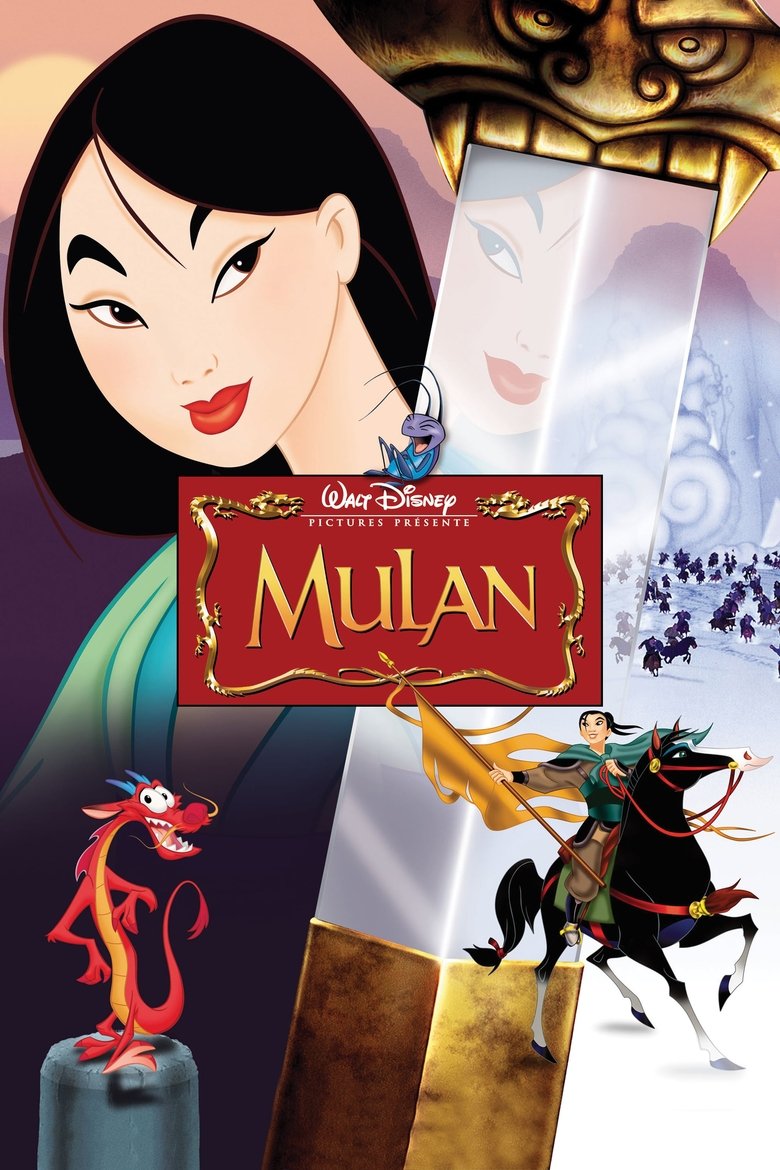
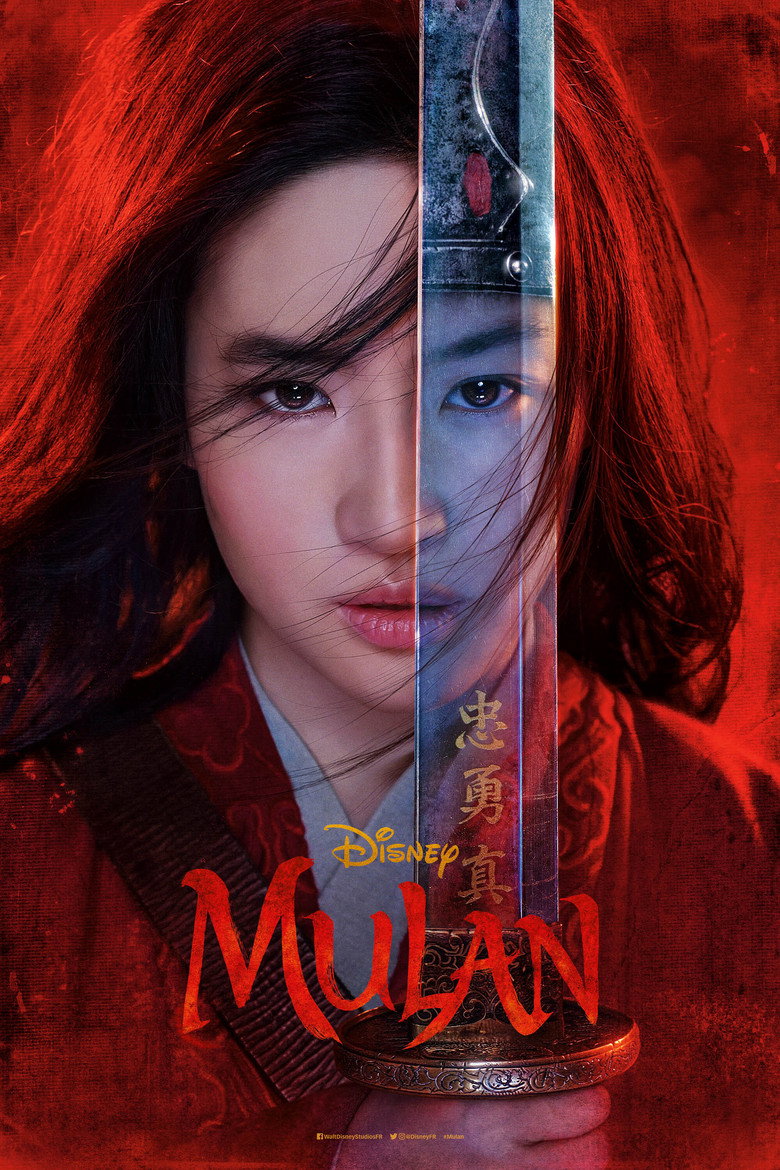
Alice in Wonderland, Cinderella, The Jungle Book, Beauty and the Beast, Aladdin, The Lion King, Mulan, The Little Mermaid, Snow White, Lilo & Stitch and Moana are among the films developed through this strategy.
Several of these productions became international hits grossing more than one billion dollars.
Disney now generally refers to this branch as Disney Live Action.
In 2026, it is led by David Greenbaum, president of Disney Live Action and 20th Century Studios.
Walt Disney Pictures nevertheless remains a distinct film banner within The Walt Disney Studios.
History
Before 1983 — Live-action cinema at Walt Disney Productions
Walt Disney Pictures did not yet exist when Disney began producing films with live actors.
For several decades, these productions were directly associated with Walt Disney Productions.
Disney’s live-action activity truly expanded with Treasure Island in 1950.
It was followed by films such as 20,000 Leagues Under the Sea, Old Yeller, Swiss Family Robinson, The Parent Trap, Mary Poppins, The Love Bug, Escape to Witch Mountain, Freaky Friday and The Black Hole.
Disney also regularly experimented with productions combining animation and live action.
By the late 1970s and early 1980s, however, the studio was seeking to renew its film output.
1982 — TRON announces a new era
TRON was released in 1982, before Walt Disney Pictures was officially created.
The film is therefore historically a Walt Disney Productions release.
Directed by Steven Lisberger, it explores a world located inside a computer system and uses digital processes that were highly ambitious for the period.
Its initial commercial performance was modest, but its influence grew considerably over the years.
TRON would later become a major franchise directly associated with the Walt Disney Pictures catalog.
1983 — Walt Disney Pictures is created
On April 1, 1983, Walt Disney Productions created Walt Disney Pictures from its film operations.
The company was going through a difficult period.
Its traditional family films were struggling to attract teenagers and adults, while American cinema had changed profoundly since the 1970s.
The new structure was intended to provide a clearer identity for Disney’s film business.
Productions such as Something Wicked This Way Comes and Never Cry Wolf belong to this transitional period.
A still very broad Disney brand
When it was created, Walt Disney Pictures did not yet correspond exactly to the current live-action structure.
Animated cinema was still part of the wider organization.
Disney was also seeking to develop different brands in order to reach broader audiences.
This strategy would quickly lead to a new banner.
1984 — Touchstone Pictures
In 1984, Disney created Touchstone Pictures.
The label’s first film, Splash, allowed the company to release a comedy for older audiences without placing it directly under the Disney name.
The distinction gradually became clear.
Walt Disney Pictures remained associated with family productions and works considered suitable for the direct Disney identity.
Touchstone could explore more adult genres, subjects and ratings.
This organization gave the studio much greater flexibility.
Michael Eisner and Jeffrey Katzenberg
In 1984, Michael Eisner took control of the Disney company alongside Frank Wells.
Jeffrey Katzenberg became a central executive in the film business.
The new leadership sought to greatly increase the number of films produced and modernize a film division that had become fragile.
Disney expanded production across several labels.
Walt Disney Pictures retained the family-oriented core of this strategy.
1986 — Animation becomes a separate structure
In 1986, Disney’s organization changed again.
The operation dedicated to animated feature films became increasingly identified as Walt Disney Feature Animation.
This structure is the direct predecessor of today’s Walt Disney Animation Studios.
This distinction is essential.
Walt Disney Pictures and Walt Disney Animation Studios share Disney history and branding, but they do not represent the same entity.
Walt Disney Pictures therefore became increasingly specialized in live-action cinema.
1986 — Flight of the Navigator
Flight of the Navigator was released in 1986.
The film follows a boy who mysteriously disappears and returns several years later without having aged.
His connection to an extraterrestrial spacecraft leads into a science-fiction family adventure.
The film later became one of the cult productions from this period of the Disney catalog.
1989 — Honey, I Shrunk the Kids
In 1989, Honey, I Shrunk the Kids became a major success for Walt Disney Pictures.
A scientist accidentally invents a machine that shrinks his children and the children next door.
The family backyard then becomes an enormous hostile environment.
The film combines comedy, adventure and special effects.
Its success led to several sequels and spin-offs.
It became one of Disney’s major family franchises of the late 1980s and 1990s.
The 1990s — Family cinema is renewed
Throughout the 1990s, Walt Disney Pictures produced a large number of family films.
The studio developed comedies, adventures, adaptations and fantasy productions.
This period notably introduced The Rocketeer, Newsies, The Mighty Ducks, Hocus Pocus, Cool Runnings, The Santa Clause, Heavyweights, Operation Dumbo Drop and George of the Jungle.
Several gradually became especially popular titles within the Disney catalog.
1992 — The Mighty Ducks
The Mighty Ducks was released in 1992.
The film follows the transformation of a youth hockey team under the leadership of a lawyer sentenced to community service.
The production generated several sequels.
Its success went beyond cinema: the Mighty Ducks name was adopted by a professional hockey team created by Disney.
The example perfectly illustrates the group’s ability to move a property between entertainment, sports and other activities.
1993 — Hocus Pocus
Hocus Pocus was released in 1993.
Bette Midler, Sarah Jessica Parker and Kathy Najimy play the three Sanderson sisters, witches brought back to Salem centuries after their execution.
The film was not initially a massive success.
Television broadcasts and home-video releases gradually gave it a second life.
Over time, it became one of the Disney films most closely associated with Halloween.
Its cult status ultimately led to new productions decades later.
1994 — The Santa Clause
The Santa Clause was released in 1994 starring Tim Allen.
After Santa Claus accidentally dies, an ordinary man gradually finds himself forced to take his place.
The comedy became a major success.
It produced two sequels and, much later, a series.
The film became one of Disney’s major Christmas properties.
1996 — 101 Dalmatians
In 1996, Disney reimagined one of its own animated classics with a live-action version of 101 Dalmatians.
Glenn Close plays Cruella de Vil.
The film became a significant success and led to 102 Dalmatians in 2000.
This production established an important precedent for a strategy that would later become much larger: revisiting Walt Disney Animation Studios classics in new cinematic forms.
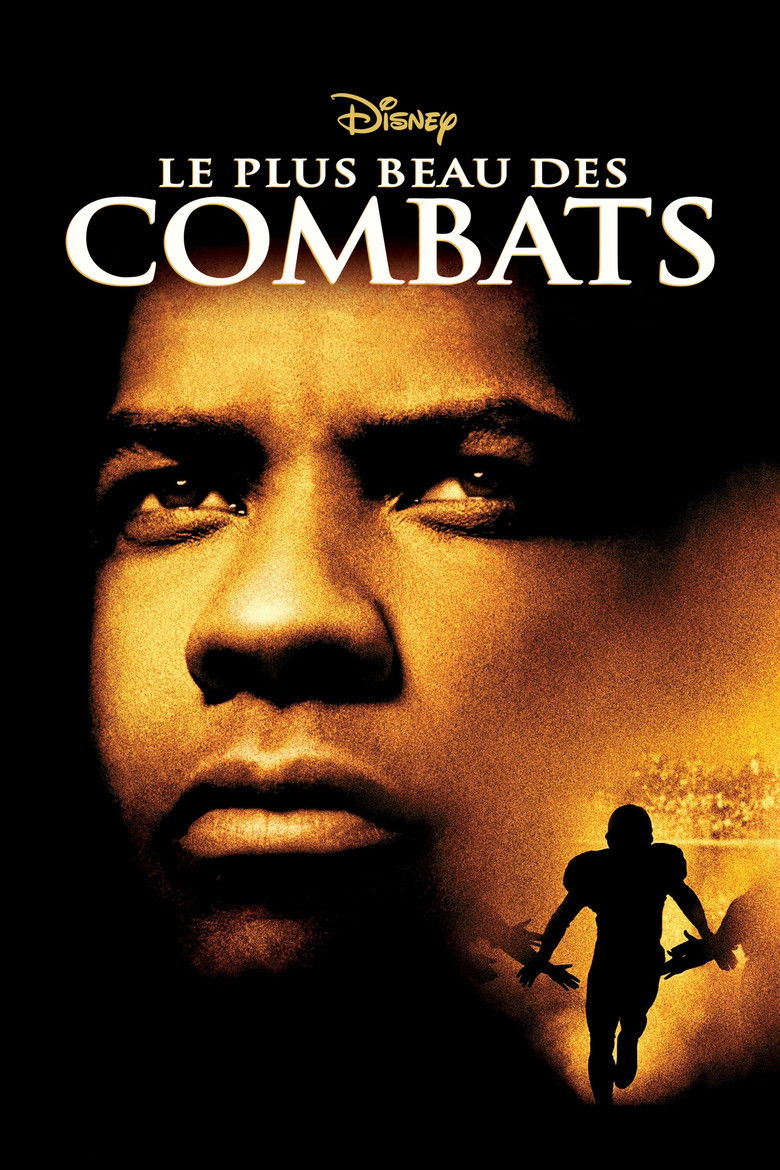
2000 — Remember the Titans
Remember the Titans was released in 2000 starring Denzel Washington.
Inspired by real events, the film follows a high-school American football team facing tensions surrounding racial integration.
It represents an important strand of Disney’s catalog during this period: the family sports drama.
Productions such as Miracle, The Rookie, Invincible and McFarland, USA would later continue this tradition.
2001 — The Princess Diaries
In 2001, The Princess Diaries introduced Anne Hathaway to a much wider audience.
She plays Mia Thermopolis, a teenager who discovers that she is heir to a small European kingdom.
Julie Andrews plays her grandmother, Queen Clarisse.
The comedy became a success and received a sequel in 2004.
It established itself as one of the studio’s enduringly popular family properties.
2003 — Pirates of the Caribbean
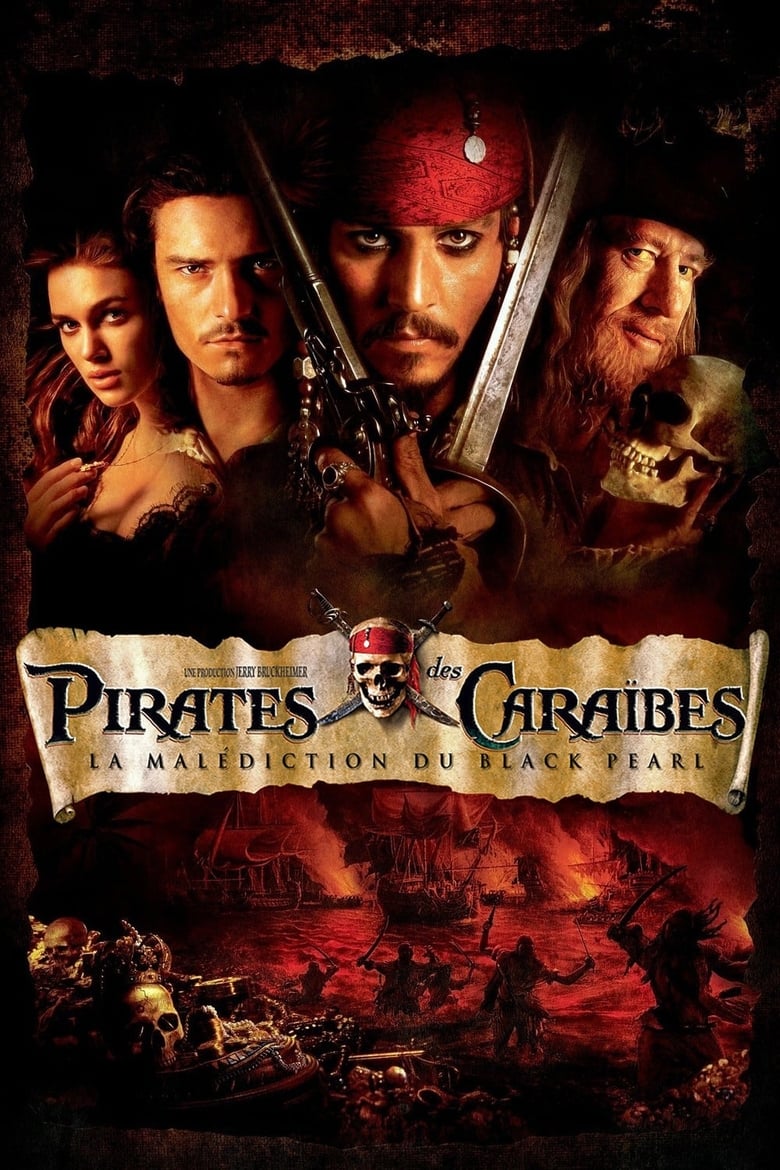
A major turning point came in 2003 with Pirates of the Caribbean: The Curse of the Black Pearl.
The project had an unusual origin: it was directly inspired by the Pirates of the Caribbean attraction at Disney theme parks.
Gore Verbinski directed the film, produced by Jerry Bruckheimer.
Johnny Depp plays Jack Sparrow, alongside Geoffrey Rush, Orlando Bloom and Keira Knightley.
The film combines adventure, comedy, fantasy and pirate cinema at a time when the genre was considered commercially risky.
Jack Sparrow becomes an icon
The success greatly exceeded expectations.
Johnny Depp notably received an Academy Award nomination for Best Actor.
Jack Sparrow immediately became one of Disney’s most recognizable live-action characters.
The production also transformed a theme-park attraction into an international film franchise.
Several elements from the films were later incorporated back into the attractions themselves.
A global franchise
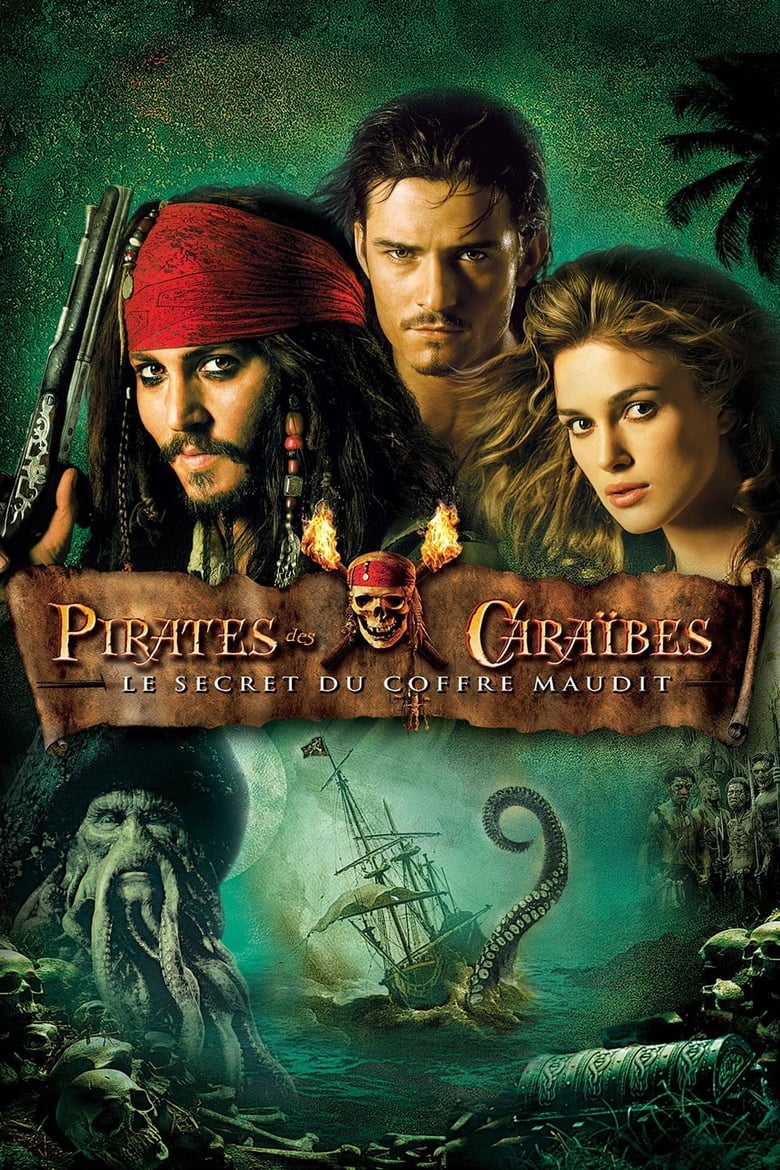
Pirates of the Caribbean: Dead Man’s Chest was released in 2006.
The film surpassed one billion dollars in worldwide box office and became Disney’s biggest theatrical success at the time.
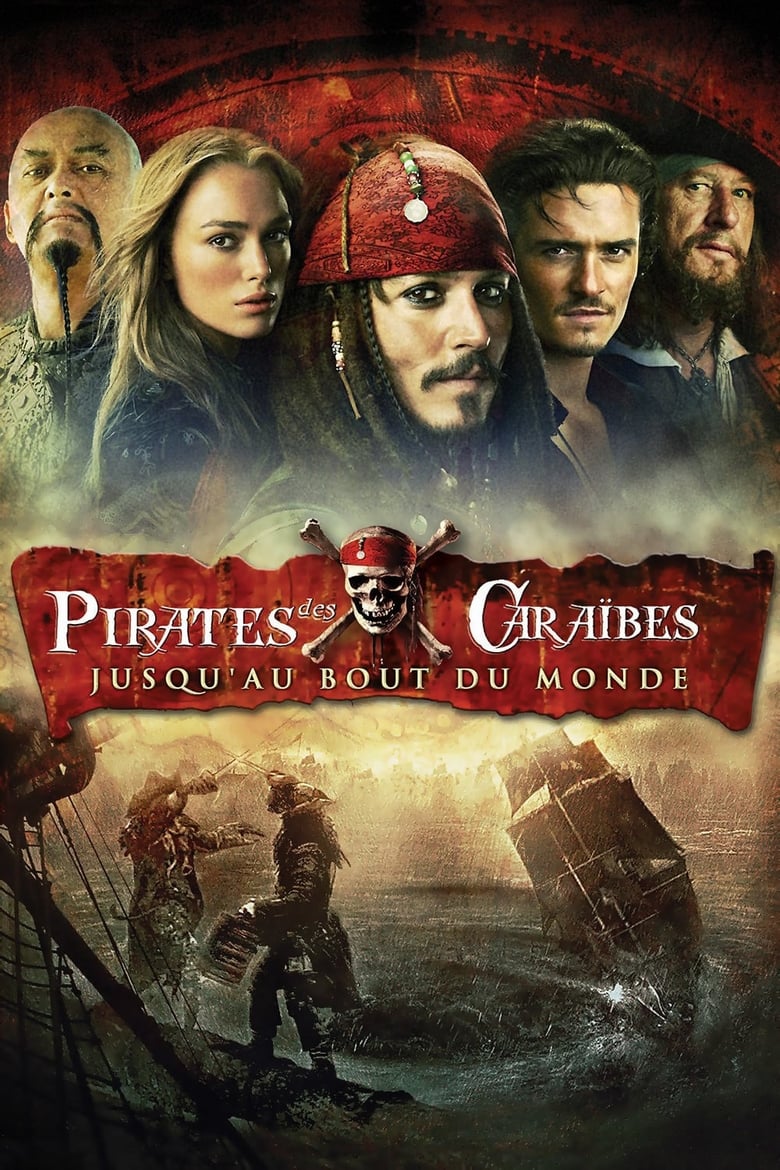
At World’s End followed in 2007.
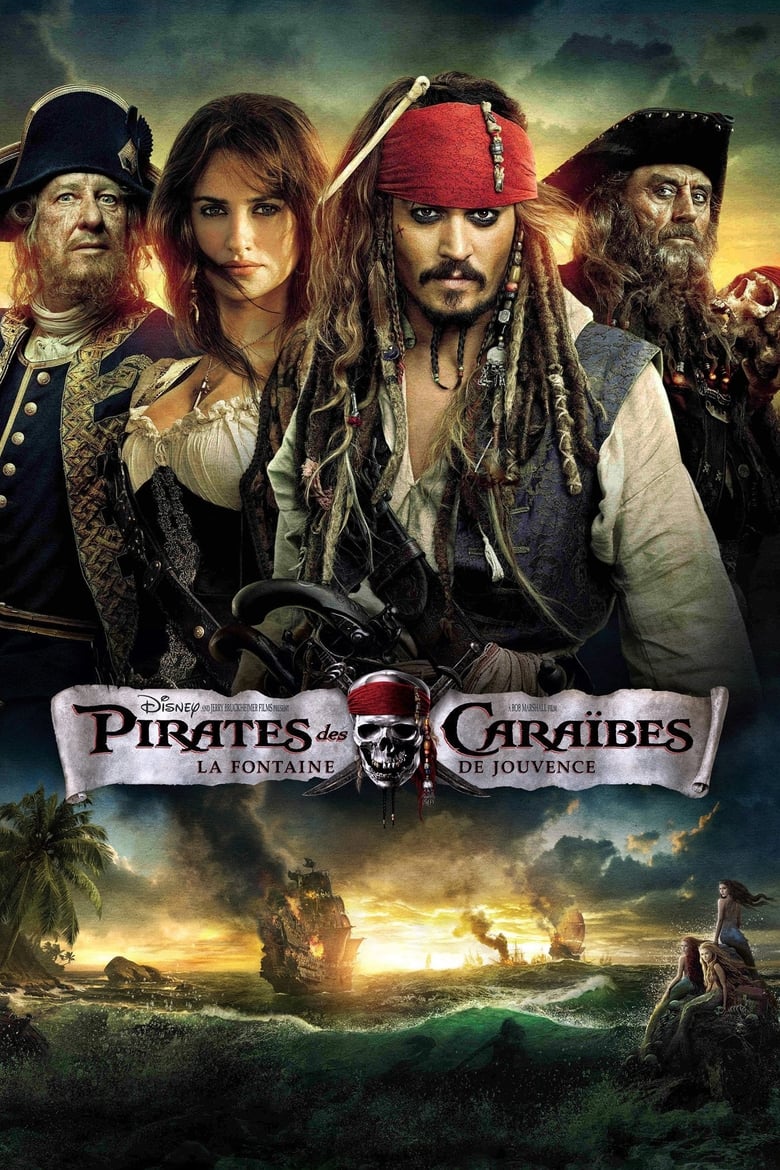
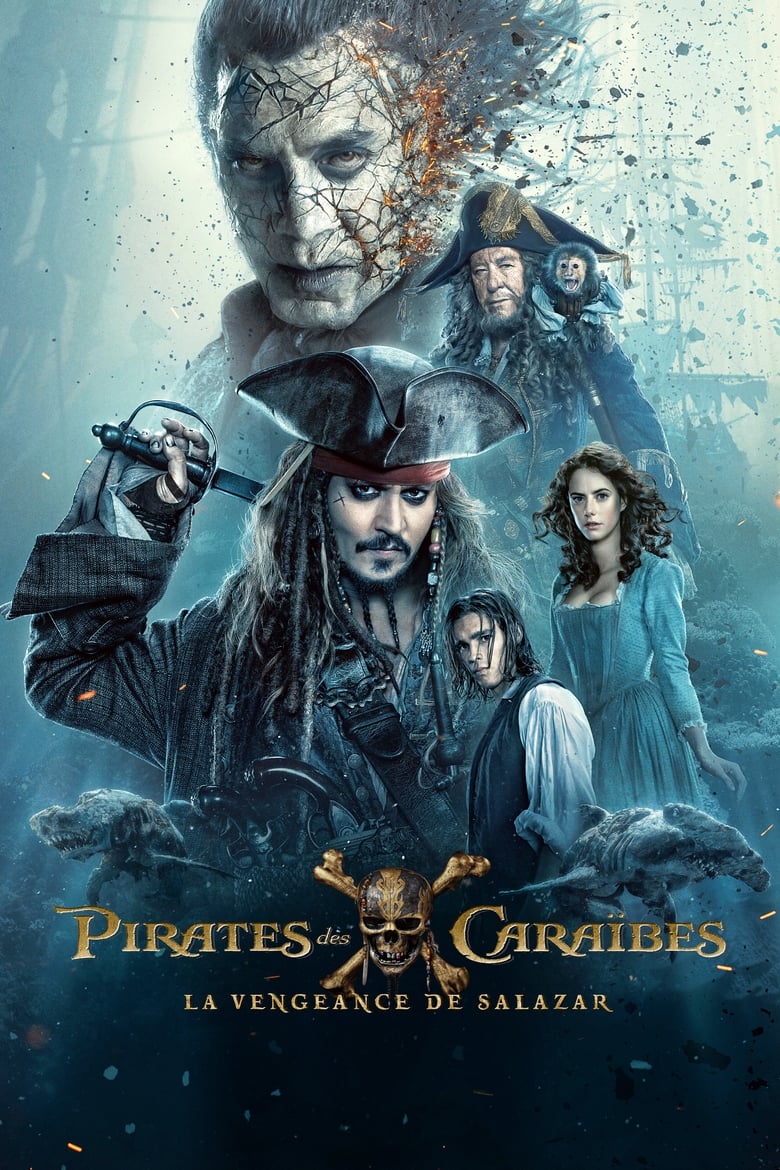
The franchise continued with On Stranger Tides in 2011 and Dead Men Tell No Tales in 2017.
Pirates of the Caribbean became one of the most important properties in Walt Disney Pictures history.
2003 — Freaky Friday
That same year, Disney released a new adaptation of Freaky Friday starring Jamie Lee Curtis and Lindsay Lohan.
The mother and daughter swap bodies and must learn to understand each other’s lives.
The comedy became one of the defining Disney productions of the early 2000s.
More than twenty years later, both actresses returned to their roles in Freakier Friday.
2004 — National Treasure
National Treasure was released in 2004.
Nicolas Cage plays Benjamin Franklin Gates, a historian and treasure hunter pursuing a secret hidden within United States history.
The Declaration of Independence notably becomes a central element of the plot.
The film mixes adventure, historical puzzles and treasure hunting.
Its success led to National Treasure: Book of Secrets in 2007.
Benjamin Gates therefore became the center of another Disney franchise.
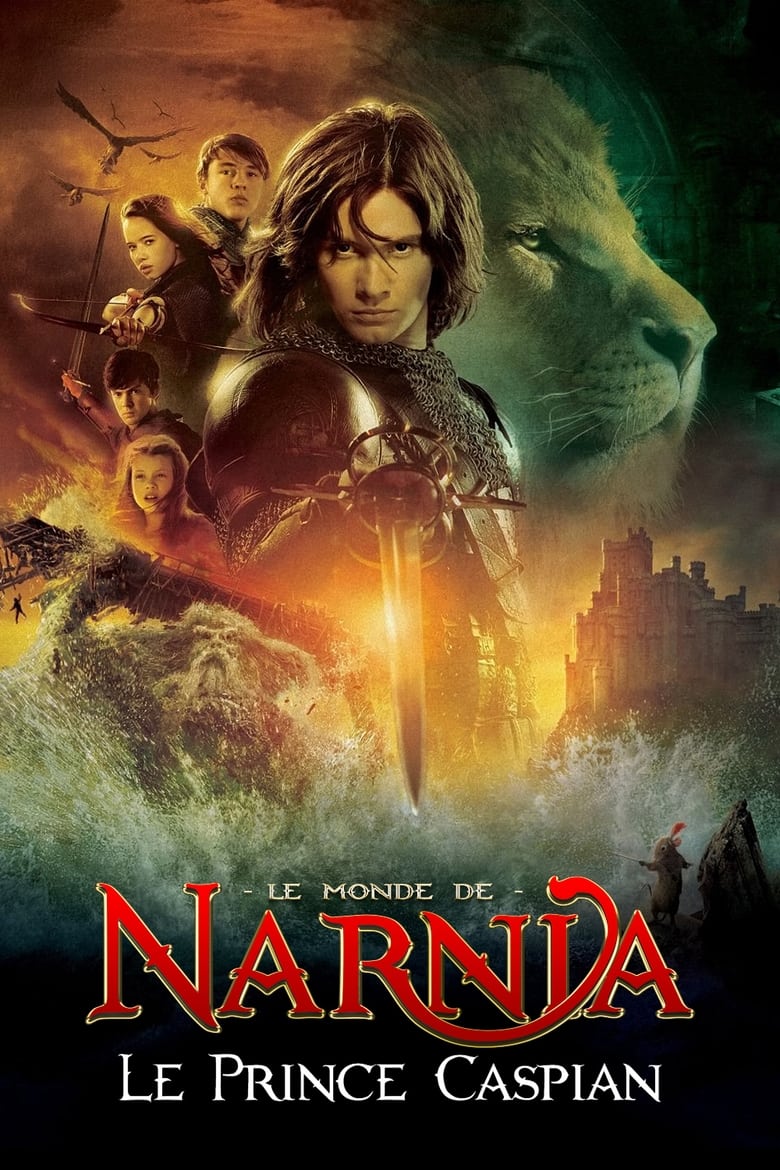
2005 — The Chronicles of Narnia
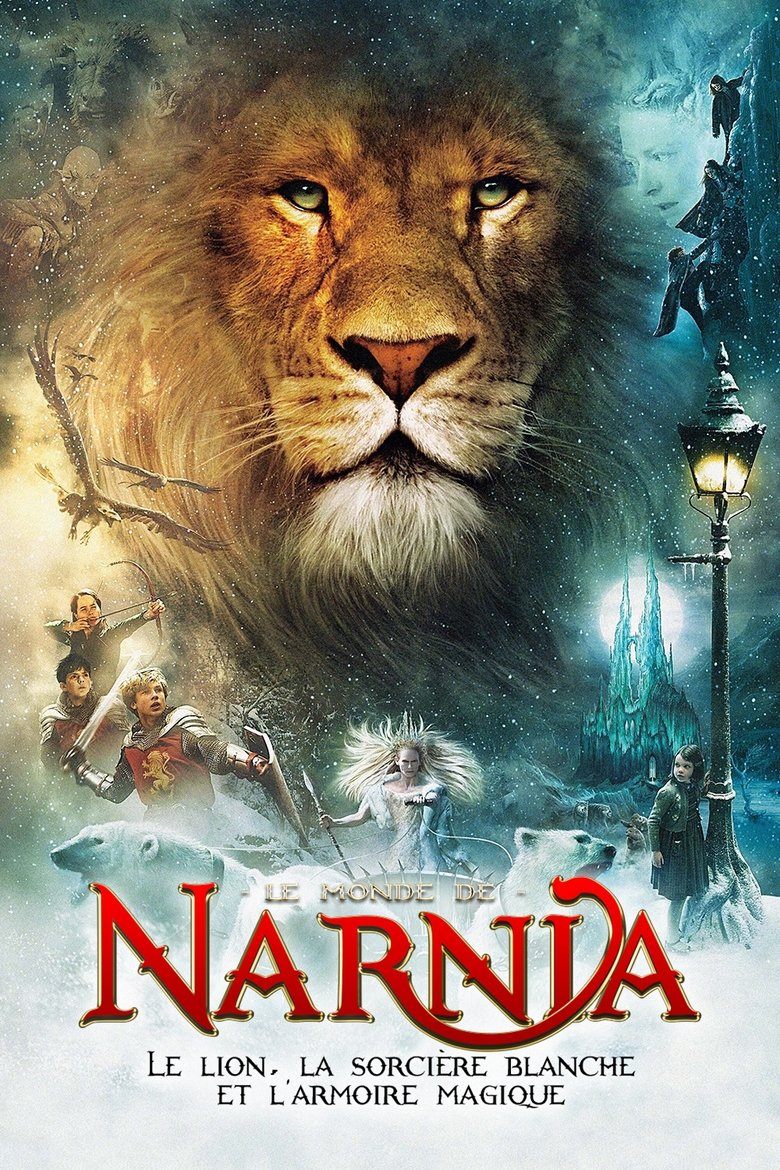
In 2005, Walt Disney Pictures joined Walden Media on The Chronicles of Narnia: The Lion, the Witch and the Wardrobe.
Adapted from C. S. Lewis’ work, the film transports four children into the fantasy world of Narnia.
The production represented one of Disney’s major attempts to build a large-scale fantasy saga.
Two further films followed, although Disney did not remain involved in the same way throughout the franchise.
2006 — Disney refocuses its strategy
In 2006, The Walt Disney Studios announced plans to place much greater emphasis on films released directly under the Disney brand.
The strategy simultaneously reduced Touchstone’s relative importance.
Walt Disney Pictures therefore regained an even more central role in the group’s film business.
The enormous success of Pirates of the Caribbean: Dead Man’s Chest confirmed that the Disney banner itself could carry major global blockbusters.
2007 — Enchanted
Enchanted was released in 2007.
Animated princess Giselle is accidentally transported from her fairy-tale world into contemporary New York City.
The film combines traditional animation, romantic comedy, live action and affectionate parody of Disney’s own historic conventions.
Amy Adams plays Giselle.
The production allowed Disney to humorously comment on its own princess legacy while also celebrating it.
2010 — Alice in Wonderland
In 2010, Tim Burton directed a new version of Alice in Wonderland.
Mia Wasikowska plays Alice while Johnny Depp portrays the Mad Hatter.
The film combines actors, digital environments and computer-generated creatures.
Its worldwide success was enormous.
It surpassed one billion dollars in box office revenue.
That success played a major role in accelerating the strategy of revisiting Disney classics through contemporary filmmaking technologies and conventions.
2010 — TRON: Legacy
The same year, TRON: Legacy returned to the universe created in 1982.
Jeff Bridges reprised Kevin Flynn while Garrett Hedlund played his son Sam.
The production greatly expanded the franchise’s digital aesthetic.
Daft Punk composed the soundtrack.
The film helped transform TRON from a cult legacy title into a contemporary Walt Disney Pictures property.
2014 — Maleficent
Maleficent was released in 2014 starring Angelina Jolie.
The film reinterprets Sleeping Beauty from Maleficent’s point of view.
Rather than simply reproducing the animated story, the production gives the character a new backstory.
Its success demonstrated that Disney classics could be revisited by significantly changing their narrative perspective.
A sequel, Maleficent: Mistress of Evil, followed in 2019.
2015 — Cinderella
In 2015, Kenneth Branagh directed Cinderella.
Unlike some freer reinterpretations, the film largely retains the structure of the fairy tale and the spirit of Disney’s animated classic.
Lily James plays Cinderella, Cate Blanchett her stepmother and Helena Bonham Carter the Fairy Godmother.
Its success further strengthened the live-action adaptation strategy.
2016 — The Jungle Book
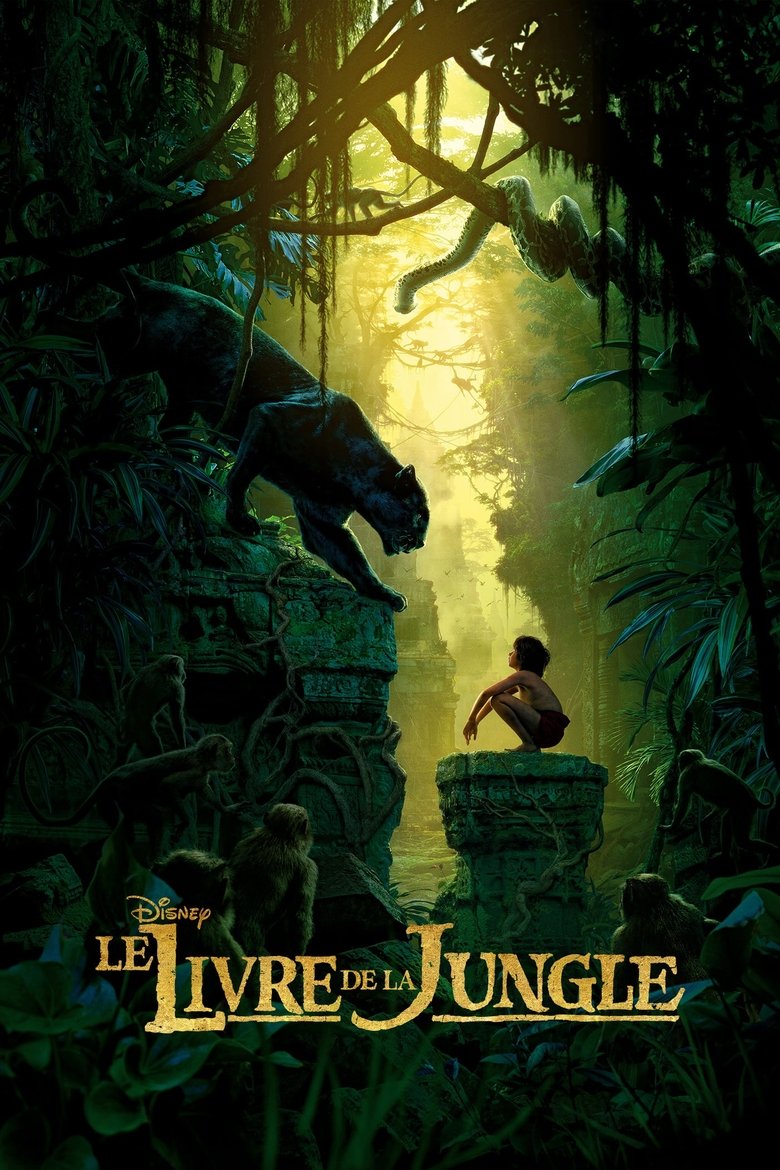
The Jungle Book was released in 2016, directed by Jon Favreau.
Neel Sethi, playing Mowgli, is one of the few human elements physically filmed within a world largely created by computer.
The animals and jungle were reconstructed through visual effects.
The result gives the impression of location photography even though most of the film depends on digital technology.
The production became a major critical and commercial success.
It demonstrated that Disney could now revisit its animated films using techniques close to virtual production.
2017 — Beauty and the Beast
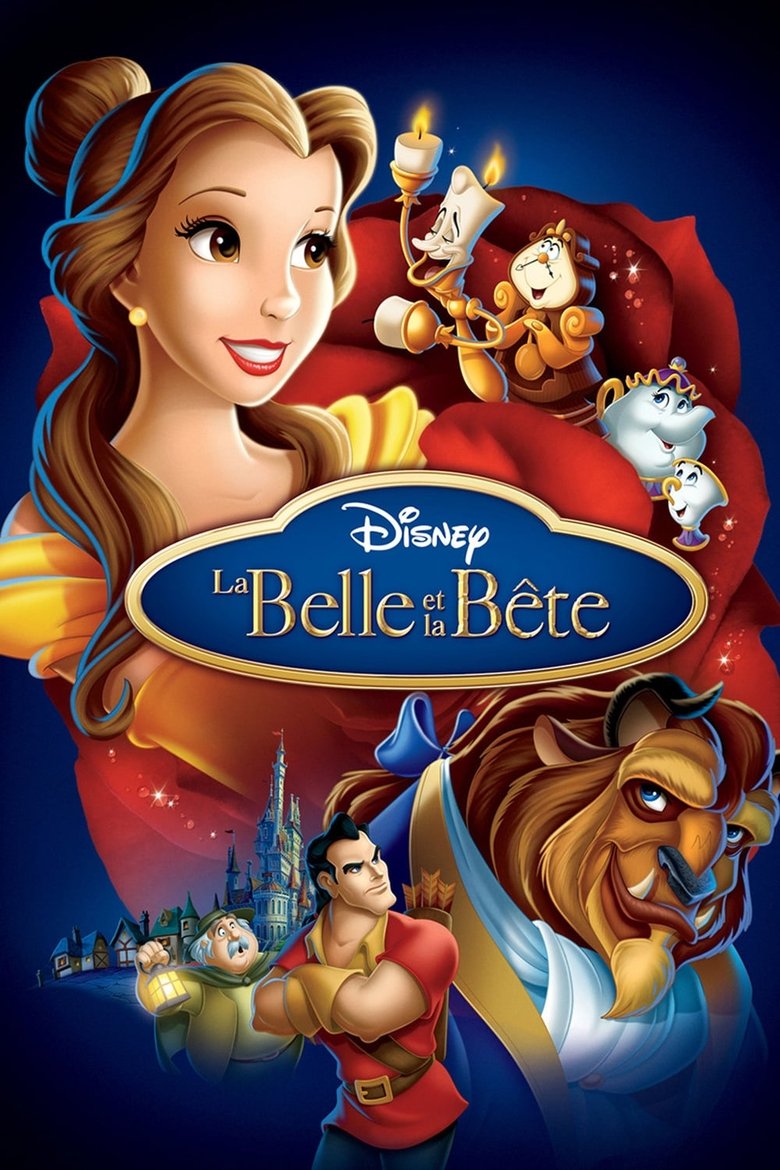
In 2017, Beauty and the Beast adapted the 1991 animated classic.
Emma Watson plays Belle and Dan Stevens the Beast.
The film retains many of the original songs while adding new material.
It surpassed one billion dollars worldwide.
The success definitively confirmed live-action adaptations as one of Walt Disney Pictures’ major commercial pillars.
2018 — Christopher Robin
Christopher Robin was released in 2018.
The film imagines Christopher Robin as an adult who has become disconnected from the imagination of his childhood.
Winnie the Pooh and his friends gradually return to his life.
The production takes a more intimate approach than the large-scale remakes of the same period.
It also demonstrates that Disney can reuse its historic characters in new stories rather than simply recreating an existing work.
2019 — Aladdin
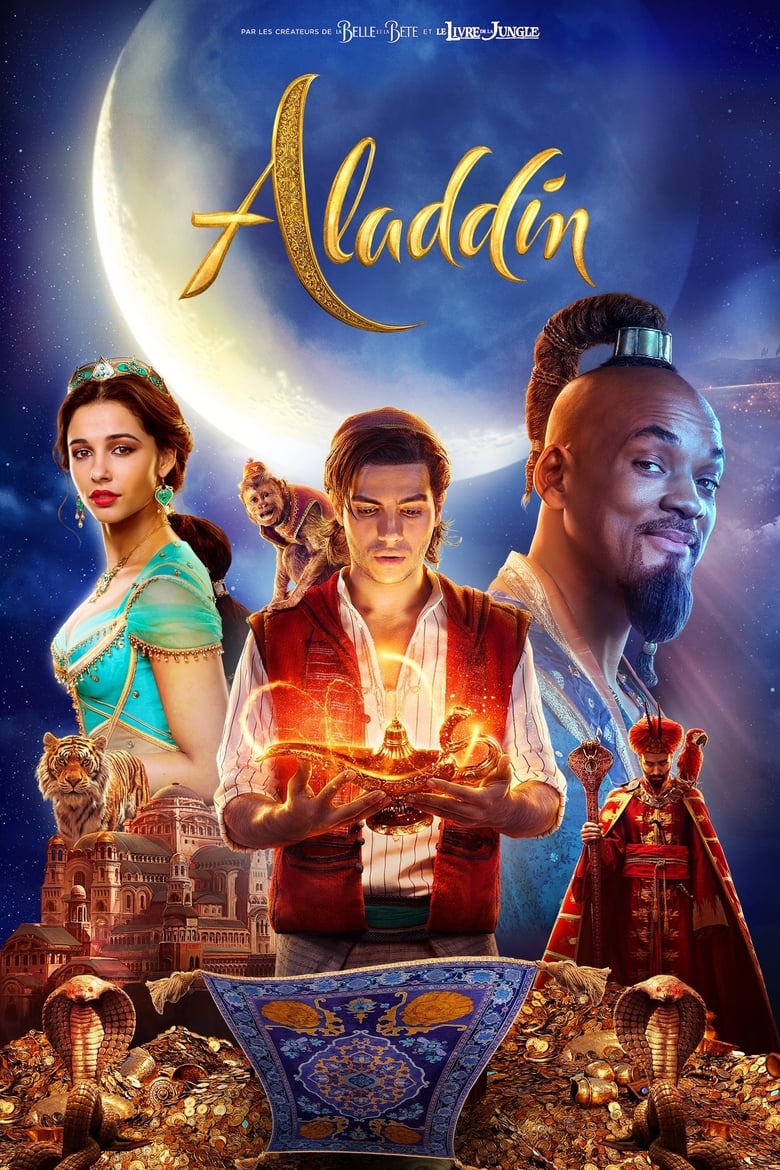
Aladdin, directed by Guy Ritchie, was released in 2019.
Mena Massoud plays Aladdin, Naomi Scott plays Jasmine and Will Smith plays the Genie.
The film retains several iconic songs from the animated classic while expanding certain characters and story elements.
It also surpassed one billion dollars worldwide.
2019 — The Lion King
That same year, Jon Favreau directed The Lion King.
The production was created almost entirely through photorealistic computer imagery.
It nevertheless uses filmmaking methods derived from live-action cinema and virtual production.
Disney associates it with its live-action division despite the near absence of traditional photographed imagery.
The film earned more than $1.6 billion worldwide.
It became one of the studio’s greatest successes.
2019 — Dumbo and Maleficent: Mistress of Evil
The year 2019 also saw the releases of Dumbo, directed by Tim Burton, and Maleficent: Mistress of Evil.
These productions demonstrate that the reimagining strategy does not simply reproduce the originals faithfully.
Disney alternates between close adaptations, new perspectives, extensions and significant transformations of the original stories.
2020 — Mulan and the pandemic
Mulan was intended to be one of Disney’s major theatrical events of 2020.
The Covid-19 pandemic, however, dramatically changed its release plans.
After several delays, Disney notably used a Premier Access model on Disney+ in several territories.
The situation marked an important break.
Walt Disney Pictures now had to think about its productions not only for cinemas, but also within an environment in which streaming had become central.
Films developed directly for Disney+
The following period saw several Disney productions released directly or primarily on Disney+.
Films such as Lady and the Tramp, Artemis Fowl, Godmothered, Pinocchio, Peter Pan & Wendy and Disenchanted illustrate this evolution in different production contexts.
The boundary between theatrical cinema and streaming became less rigid.
Walt Disney Pictures could now serve several distribution models.
2021 — Cruella
Cruella was released in 2021 starring Emma Stone.
The production reimagines Cruella de Vil’s youth in 1970s London.
Fashion, music and creative rivalry play major roles.
Like Maleficent, the film is not simply a recreation of the animated work associated with the character.
Instead, it reconstructs one of Disney’s historic villains around a new origin story.
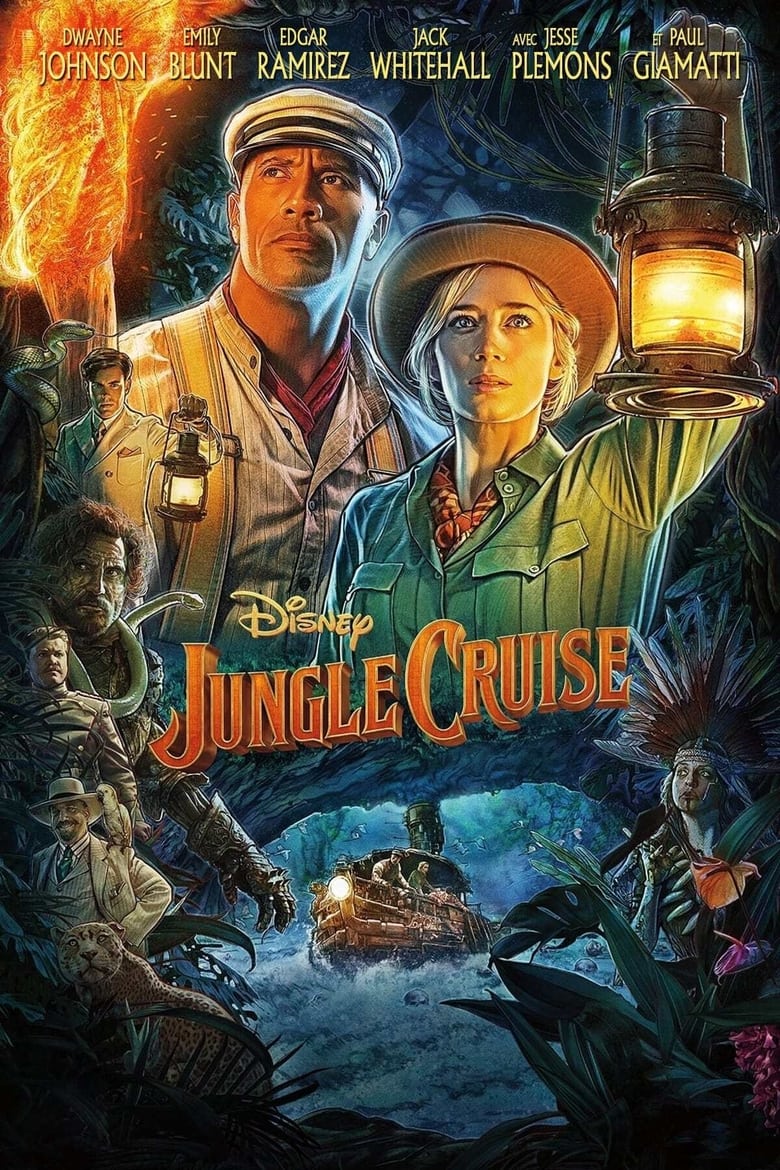
2021 — Jungle Cruise
That same year, Jungle Cruise once again adapted a Disney attraction.
Dwayne Johnson and Emily Blunt lead an adventure inspired by classic exploration stories.
Like Pirates of the Caribbean, the project attempts to transform the world of an attraction into a standalone cinematic narrative.
It reinforces the historic link between Walt Disney Pictures and Disney theme parks.
2022 — Hocus Pocus returns
Hocus Pocus 2 was released on Disney+ in 2022.
Almost thirty years after the original film, Bette Midler, Sarah Jessica Parker and Kathy Najimy returned as the Sanderson sisters.
The production illustrates streaming’s ability to revive historic properties that might not otherwise have immediately justified a major theatrical return.
2022 — Disenchanted and Pinocchio
That same year, Disenchanted continued Giselle’s story after Enchanted.
Disney also released a new adaptation of Pinocchio, directed by Robert Zemeckis and starring Tom Hanks as Geppetto.
These releases illustrate Disney+’s growing role in Walt Disney Pictures’ strategy in the early 2020s.
2023 — The Little Mermaid
In 2023, Disney released a new version of The Little Mermaid, directed by Rob Marshall.
Halle Bailey plays Ariel.
The film brings back the iconic songs by Alan Menken and Howard Ashman while adding new musical and narrative elements.
Its underwater environments rely extensively on digital effects.
The production continues the major cycle of reimagined animated classics.
2023 — Haunted Mansion
That same year, Haunted Mansion returned to another iconic Disney attraction.
The film draws on characters, objects and atmospheres associated with the ride.
It therefore continues a tradition already represented by Pirates of the Caribbean and Jungle Cruise.
The parks remain a potential source of stories for Walt Disney Pictures alongside animated and literary works.
2024 — Mufasa: The Lion King
In 2024, Mufasa: The Lion King expanded the universe of the 2019 film.
Directed by Barry Jenkins, the feature notably explores Mufasa’s youth and his relationship with Taka.
The production retains the photorealistic approach developed for The Lion King while telling a largely new story.
The project demonstrates how Disney’s reimaginings can themselves become starting points for new continuities.
New leadership for Disney Live Action
The studio’s organization also evolved.
David Greenbaum took leadership of Disney Live Action and 20th Century Studios.
This structure places two activities under the same presidency while keeping them editorially distinct.
Walt Disney Pictures continues to carry productions directly aligned with the Disney identity.
20th Century Studios retains its own brand and catalog.
2025 — Snow White
In March 2025, Walt Disney Pictures released a new adaptation of Snow White.
Directed by Marc Webb, the production returned to the fairy tale that had launched Disney animated feature filmmaking with Snow White and the Seven Dwarfs in 1937.
Rachel Zegler plays Snow White and Gal Gadot the Evil Queen.
The project therefore became one of the most symbolic reimaginings in the entire live-action strategy: Disney’s first major animated classic returned in a new form nearly nine decades later.
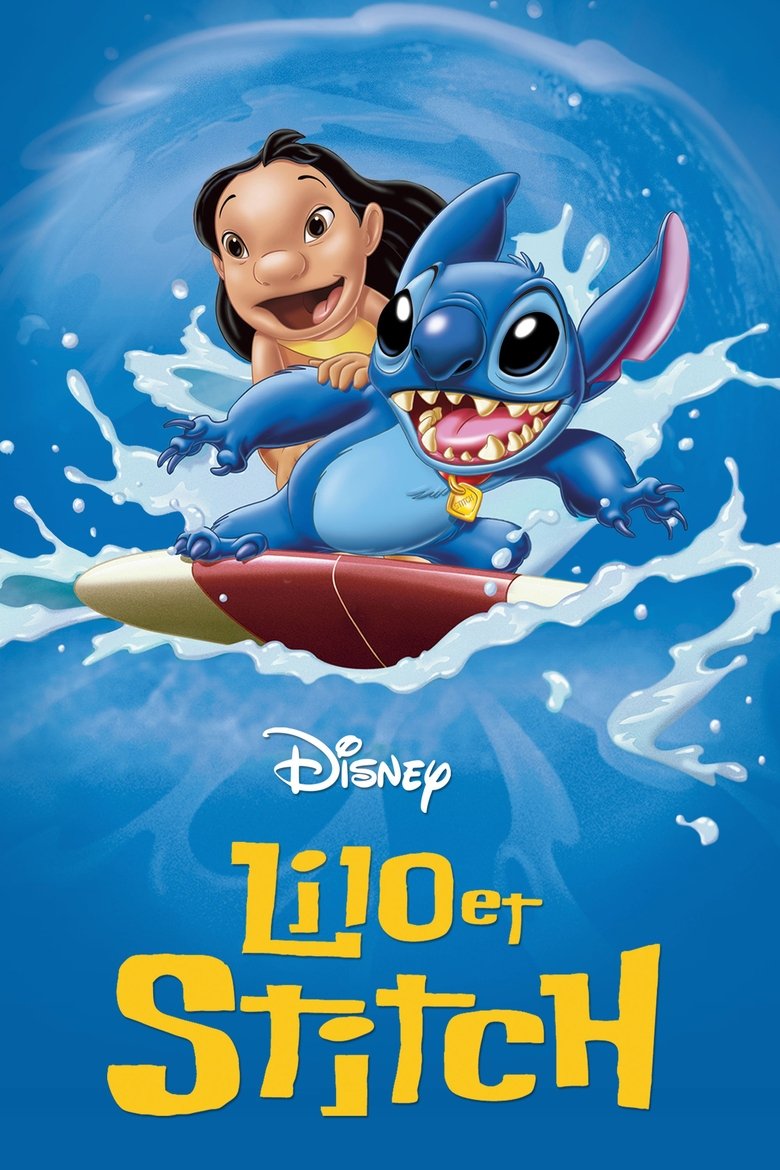
2025 — Lilo & Stitch
In May 2025, Lilo & Stitch returned to theaters in a version combining live action with digital characters.
Dean Fleischer Camp directed the film.
Maia Kealoha plays Lilo while Chris Sanders returned as the voice of Stitch.
The story retains the relationship between Lilo, Nani and Stitch as well as the concept of ohana at its center.
Its success greatly exceeded expectations.
Another billion-dollar success for Disney Live Action
The new version of Lilo & Stitch surpassed one billion dollars worldwide.
The film also set a record for the four-day U.S. Memorial Day weekend.
Its success quickly accelerated the franchise again.
Disney soon confirmed development of a sequel.
In 2026, Lilo & Stitch 2 is expected to begin production in Hawaii ahead of a planned 2028 release.
2025 — Freakier Friday
In August 2025, Freakier Friday brought Jamie Lee Curtis and Lindsay Lohan back as Tess and Anna Coleman.
More than twenty years after the 2003 film, the body-switch concept takes on a multigenerational dimension.
The project illustrates another studio strategy: returning to family films from the 1990s and 2000s that have become important to a generation now grown up.
Nostalgia therefore becomes a complementary tool alongside adaptations of major animated classics.
2025 — TRON: Ares
In October 2025, Walt Disney Pictures returned to the TRON universe with TRON: Ares.
Directed by Joachim Rønning, the film partly reverses the historical premise of the franchise.
Instead of a human primarily entering the digital world, the program Ares enters the real world.
The film therefore continues a property that began in 1982, before Walt Disney Pictures itself was officially created.
More than forty years separate the first TRON from this new chapter.
2026 — Moana
On July 10, 2026, Disney released a live-action version of Moana.
The film was directed by Thomas Kail.
Catherine Laga’aia plays Moana while Dwayne Johnson physically reprises the role of Maui, whom he had already voiced in the animated films.
The production brings together artists and collaborators from different Pacific communities.
It retains the songs and core narrative of the 2016 animated feature while adapting them into a large-scale live-action production.
A more mixed result
The new version of Moana belongs to one of Disney’s most powerful modern franchises.
Its theatrical result nevertheless remained below the group’s internal expectations.
Disney has emphasized, however, that this kind of production has value beyond theatrical box office alone.
Streaming, music, merchandise, parks and other activities also contribute to the life of a franchise.
That logic illustrates Walt Disney Pictures’ current position within the wider Disney ecosystem.
Lilo & Stitch 2 and upcoming productions
In 2026, Walt Disney Pictures continues to develop new productions based on both historic and contemporary properties.
Lilo & Stitch 2 is notably expected to enter production under the direction of Chris Sanders, one of the character’s key original creators.
Disney is also developing new original or literary properties, including an adaptation of Katherine Rundell’s Impossible Creatures book series.
The studio therefore does not rely exclusively on remakes, even though familiar franchises remain an important part of its strategy.
Walt Disney Pictures in 2026
In 2026, Walt Disney Pictures remains active within The Walt Disney Studios.
Its activity is primarily represented by the Disney Live Action organization.
David Greenbaum, president of Disney Live Action and 20th Century Studios, oversees this branch.
Walt Disney Pictures continues developing family films combining adaptations, sequels, historic franchises, theme-park-inspired projects and new properties.
More than forty years after its creation, it remains the principal live-action film banner carrying the Disney name directly.
What sets it apart
The live-action banner directly associated with Disney
Walt Disney Pictures occupies a distinctive position within the group’s organization.
The Walt Disney Studios is the broader structure bringing together several studios and brands.
Walt Disney Pictures is therefore not synonymous with The Walt Disney Studios.
It is one of its production banners.
In the contemporary organization, Walt Disney Pictures primarily corresponds to films developed under the Disney Live Action identity.
A different entity from Walt Disney Animation Studios
The similarity of the names can easily create confusion.
Walt Disney Animation Studios produces major Disney animated features such as Frozen, Zootopia, Encanto and Moana.
Walt Disney Pictures primarily produces live-action films released directly under the Disney brand.
The two structures belong to the same corporate group and can work with the same characters or worlds, but they have different functions.
An animated film and its live-action reimagining can therefore come from two distinct studios.
The heir to Walt Disney Productions’ live-action business
Walt Disney Pictures was created in 1983, but its film heritage goes much further back.
It directly continues the live-action production activity developed for decades by Walt Disney Productions.
Films such as Treasure Island, 20,000 Leagues Under the Sea, Mary Poppins and the original Freaky Friday belong to this earlier history.
Walt Disney Pictures represents its specialized continuation after the restructuring of the early 1980s.
Stories born from theme parks
Few major studios have such a direct relationship with theme parks.
Pirates of the Caribbean, Haunted Mansion and Jungle Cruise originated as Disney attractions.
The exchange also works in the opposite direction.
Films can later reshape attractions, introduce new characters or feed new experiences.
The boundary between cinema and theme parks is therefore particularly fluid.
Reinterpreting its own heritage
Walt Disney Pictures also has access to one of cinema’s most famous animation catalogs.
The studio can therefore revisit works Disney itself helped popularize decades earlier.
101 Dalmatians, Alice in Wonderland, Maleficent, Cinderella, The Jungle Book, Beauty and the Beast, Aladdin, The Lion King, Mulan, The Little Mermaid, Snow White, Lilo & Stitch and Moana illustrate different forms of this strategy.
Some reproduce the original story closely.
Others shift the point of view, deepen an antagonist or use the earlier work only as a starting point.
Technology serving live action
The idea of “live action” itself becomes more complex as digital techniques evolve.
The Jungle Book and The Lion King rely heavily, or almost entirely, on computer-generated environments and characters.
Their filmmaking methods nevertheless draw on traditional live-action cinema: virtual cameras, lighting, composition, actor performance and virtual production.
Walt Disney Pictures therefore operates at the border between live-action cinema, visual effects and photorealistic animation.
A global franchise logic
Walt Disney Pictures films are generally no longer conceived only as works intended for theaters.
A production can simultaneously strengthen:
- audiences on Disney+;
- merchandise sales;
- music;
- attractions;
- live shows;
- theme-park experiences;
- and renewed interest in earlier catalog titles.
This circulation is one of the main advantages of the studio’s integration within The Walt Disney Company.
Good to know
- Walt Disney Pictures was created on April 1, 1983.
- The studio was created by Walt Disney Productions from its film operations.
- Walt Disney Productions had already been making live-action films since the 1950s.
- TRON, released in 1982, therefore predates the official creation of Walt Disney Pictures.
- The TRON franchise was later incorporated into the studio’s modern catalog.
- Touchstone Pictures was created in 1984 to allow Disney to produce films aimed at older audiences.
- Walt Disney Pictures primarily retained Disney’s family film identity.
- Walt Disney Feature Animation gradually became a separate structure during the 1980s.
- That structure is now known as Walt Disney Animation Studios.
- Walt Disney Pictures and Walt Disney Animation Studios are therefore two different entities.
- Flight of the Navigator was released in 1986.
- Honey, I Shrunk the Kids was released in 1989 and launched a franchise.
- The Mighty Ducks was released in 1992.
- Hocus Pocus was released in 1993 and gradually became a Halloween classic.
- The Santa Clause was released in 1994 and produced several sequels.
- 101 Dalmatians was released in live action in 1996 with Glenn Close as Cruella.
- Remember the Titans was released in 2000 starring Denzel Washington.
- The Princess Diaries was released in 2001 starring Anne Hathaway and Julie Andrews.
- Pirates of the Caribbean: The Curse of the Black Pearl was released in 2003.
- The film was inspired by the Pirates of the Caribbean attraction.
- Johnny Depp created his interpretation of Jack Sparrow in the film.
- The first Pirates of the Caribbean received five Academy Award nominations.
- Freaky Friday, starring Jamie Lee Curtis and Lindsay Lohan, was also released in 2003.
- National Treasure was released in 2004 starring Nicolas Cage.
- The Chronicles of Narnia: The Lion, the Witch and the Wardrobe was released in 2005 in collaboration with Walden Media.
- Pirates of the Caribbean: Dead Man’s Chest was released in 2006.
- It surpassed one billion dollars worldwide.
- Disney strongly refocused its film strategy around the Disney brand in 2006.
- Enchanted was released in 2007 and combines traditional animation with live action.
- Alice in Wonderland, directed by Tim Burton, was released in 2010 and surpassed one billion dollars.
- TRON: Legacy was released in 2010 with music composed by Daft Punk.
- Maleficent was released in 2014 starring Angelina Jolie.
- Cinderella, directed by Kenneth Branagh, was released in 2015.
- The Jungle Book, directed by Jon Favreau, was released in 2016.
- The production makes extensive use of computer-generated environments and animals.
- Beauty and the Beast was released in 2017 and surpassed one billion dollars worldwide.
- Christopher Robin was released in 2018.
- Aladdin was released in 2019 and surpassed one billion dollars.
- The Lion King was released in 2019.
- The film uses an almost entirely digital photorealistic approach.
- The Lion King earned more than $1.6 billion worldwide.
- Disney associates the production with its live-action operation despite its digital production method.
- Mulan had its distribution substantially altered by the Covid-19 pandemic in 2020.
- Several Walt Disney Pictures productions were developed directly or primarily for Disney+ in the early 2020s.
- Cruella was released in 2021 starring Emma Stone.
- Jungle Cruise was also released in 2021 and is inspired by the Disney attraction.
- Hocus Pocus 2 was released on Disney+ in 2022.
- Pinocchio and Disenchanted were also released in 2022.
- The Little Mermaid, starring Halle Bailey, was released in 2023.
- Haunted Mansion was released in 2023 and is inspired by the theme-park attraction.
- Mufasa: The Lion King was released in 2024 under the direction of Barry Jenkins.
- David Greenbaum currently leads Disney Live Action and 20th Century Studios.
- Walt Disney Pictures and 20th Century Studios nevertheless remain separate brands.
- Snow White was released on March 21, 2025.
- Lilo & Stitch was released in May 2025.
- The live-action version of Lilo & Stitch surpassed one billion dollars worldwide.
- Disney quickly began developing Lilo & Stitch 2 following its success.
- Freakier Friday was released in August 2025 starring Jamie Lee Curtis and Lindsay Lohan.
- TRON: Ares was released in October 2025.
- Moana was released in live action on July 10, 2026.
- Catherine Laga’aia plays Moana.
- Dwayne Johnson reprises the role of Maui, whom he had already voiced in the animated films.
- In 2026, Disney is also developing new properties including Impossible Creatures.
- Lilo & Stitch 2 is expected to enter production in Hawaii ahead of a planned 2028 release.
- Walt Disney Pictures remains active in 2026.
- Its contemporary activity is generally presented under the name Disney Live Action.
- Walt Disney Pictures is part of The Walt Disney Studios, itself integrated into The Walt Disney Company.